Winter Kidney Protection Battle: Don't Let The Wrong Water And Tonics Damage Your Kidneys
Nov 17, 2025
The season that the kidneys are most afraid of has arrived.
Recently, the temperature has dropped, and the winter atmosphere has become increasingly strong. I don't know if everyone has this feeling. As soon as winter comes, the air becomes particularly dry, the skin tightens, and the throat often feels dry and itchy. This season, the heat has not completely dissipated, and winter dryness is coming one after another, and our kidneys are facing severe challenges under such double pressure.
The kidneys, known as the "filters" of the human body, silently bear the responsibility of filtering blood, eliminating metabolic waste, and excess water. It is a tireless guardian, constantly guarding the stability of the internal environment of the body. Water, as the source of life, plays a crucial role in the normal functioning of the kidneys. Adequate hydration can make the "filtering" work of the kidneys smoother and timely eliminate waste from the body; On the contrary, dehydration may cause kidney problems and trigger a series of health issues.
The hazards of kidney "dry burning"
Under the dual attack of heat and dryness, if one does not pay attention to hydration and the kidneys continue to work, it is equivalent to "dry burning", which can cause a series of health problems.

Desert ginseng improves kidney function.
Hazard 1: Renal ischemia
Summer and winter alternately; the weather is dry and hot, and more water evaporates through the skin. If you don't pay attention to hydration, the blood will become viscous and flow slowly, and the blood flow through the kidneys will decrease, causing insufficient perfusion or ischemia. And this can easily lead to damage and necrosis of renal tubules, causing acute renal failure, and even requiring dialysis treatment in severe cases.

Hazard 2: Accumulation of toxins and metabolic waste
Blood undergoes glomerular filtration to produce primary urine, which is then reabsorbed and concentrated by the renal tubules and collecting ducts to become the final urine. It is stored in the bladder, and when it reaches a certain amount, it produces the urge to urinate, prompting the body to urinate. Under normal circumstances, the human body produces approximately 1.5-1.8 liters of final urine per day. The process of urination is also equivalent to the body's detoxification process. If the body lacks water and urinates less, toxins and metabolic waste filtered out of the blood will accumulate in the kidneys, posing a threat to kidney health. For example, excessive accumulation of calcium oxalate, urate salts, etc. the kidneys can lead to kidney stones. In addition, urination is also a way of flushing the urinary tract, which can take away bacteria and other substances. Therefore, when the body lacks water, it is easy to increase the risk of urinary tract infections, especially for more susceptible women.

Effects of cistanche
Symptoms of dehydration in the body
When the loss of water accounts for 2% -3% of body weight, blood concentration will increase, and the concentration of electrolytes will also increase accordingly, stimulating chemical receptors in the blood and transmitting them to the brain through nerves, making people feel thirsty. In other words, before you feel thirsty, your body is already dehydrated, and by the time you feel thirsty, your body is already severely dehydrated, including your kidneys. When the body lacks water, the kidneys reabsorb and utilize the water in metabolic waste, concentrate urine, and compensate for the body's peripheral blood volume, resulting in less urine and darker urine color. When the body lacks water, it will redistribute the stored water in the body to prioritize the normal operation of important organs. And other parts are prone to problems, manifested as dry skin, hoarseness, decreased appetite, decreased attention, etc.
3 ways to drink water that can damage the kidneys
After understanding the difficulties faced by the kidneys during the transition between summer and winter, as well as the harm of dehydration to them, the next step is to focus on the unhealthy drinking habits hidden in daily life. These habits are like hidden "killers" in the dark, silently harming our kidneys.

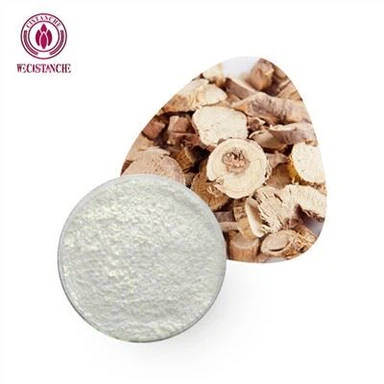
Cistanche deserticola -protects kidney function
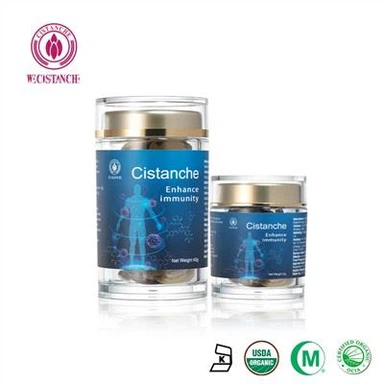
Click here to view Cistanche for Kidney disease products
【Ask for more】Email:cindy.xue@wecistanche.com / WhatsApp: 0086 18599088692 / Wechat: 18599088692
Method 1: Drink water only when thirsty
Many people have the habit of not remembering to drink water until they are extremely thirsty. But in fact, when you feel thirsty, your body is already in a state of dehydration, just like when the water in the car's tank is almost dry and the engine is starting to sputter, you only remember to add water. At this point, drinking water is no longer sufficient to replenish the body's lack of water loss promptly. In the long run, the kidneys will remain in a "thirsty" working environment, and the concentration of harmful substances in urine will increase, which cannot be eliminated promptly. This can easily crystallize and precipitate in the kidneys, and over time, it may induce kidney stones. So, don't wait until you're thirsty to drink water. Develop the habit of actively drinking water, take a few sips whenever you have nothing to do, and keep your kidneys hydrated at all times.
Method 2: Drinking a large amount of water at once
Some friends don't drink much water on a regular basis, but once they remember, they pick up a big cup and gulp it down. This method of drinking a large amount of water at once also causes significant damage to the kidneys. The kidneys are like delicate filters, and their ability to function is limited. Consuming water beyond the capacity of the kidneys at once can make them "overwhelmed". Excess water can quickly enter the bloodstream, diluting electrolytes and causing low sodium dehydration, also known as "water poisoning". At this point, people may experience symptoms such as dizziness, headache, vomiting, and even life-threatening situations. The correct way to drink water is to drink small amounts of water multiple times, about 200 milliliters each time, allowing the kidneys enough time to process this water.
Method 3: Long-term beverages replace plain water
There are many types of beverages on the market now, such as fruit juice, milk tea, cola, coffee, and various flavors are dazzling. Many people think that beverages are better than plain water, so they replace plain water with beverages for a long time. But what they don't know is that these beverages often contain high levels of sugar, additives, and electrolytes. Long-term heavy consumption can increase the metabolic burden on the kidneys, like putting a heavy "burden" on them. Moreover, high sugar in beverages may also lead to obesity, diabetes, and metabolic syndrome, which will further damage kidney function. So, for the health of the kidneys, it's better to drink plenty of plain water. If you really feel that plain water has no taste, you can occasionally drink a little light tea, but don't let drinks become the main daily drink.
The secret of tonifying the kidney with Cistanche deserticola

Cistanche deserticola
After understanding the harm of unhealthy drinking habits to the kidneys, let's learn about a precious medicinal herb that is highly beneficial to the kidneys - Cistanche deserticola. It is known as the "desert ginseng" and has unique effects in nourishing the kidneys. It is a treasure bestowed by nature to nourish our kidneys.
Cistanche deserticola is a perennial, tall, parasitic herbaceous plant belonging to the genus Cistanche in the family Liliaceae. It likes to parasitize on the roots of plants such as red willows and white willows, and is mainly distributed in Inner Mongolia, Ningxia, Gansu, Xinjiang, Qinghai, and other places in China. It grows in deserts and can occasionally be found in some dry riverbeds and sandy areas. The climate there is extremely dry, the sunshine is strong, the annual precipitation is less than 250 mm, the cold and heat change is intense, the wind and sand is heavy, the soil is poorly developed, the salt content is high and the organic matter is lacking, but Cistanche deserticola can grow tenaciously in such a harsh environment, absorb the essence of heaven and earth, and condense out extraordinary medicinal value.
The efficacy of Cistanche deserticola in tonifying the kidneys, promoting yang, and nourishing essence and blood has been recorded in ancient books for a long time. The "Shennong Bencao Jing" lists it as a top grade, recording that it "governs the five labor and seven injuries, replenishes the middle, removes cold, heat, and pain from the stem, nourishes the five organs, strengthens yin, benefits essence and qi, has many children, and can cure women's ailments. Long-term use can lighten the body. The Compendium of Materia Medica also mentions that "Cistanche deserticola is sweet, slightly warm, non-toxic, and can be replenished without being too steep, hence it is called calm", highly praising its mild and nourishing properties. From the perspective of traditional Chinese medicine theory, Cistanche deserticola has a warm nature and returns to the kidney meridian. It is sweet, warm, and helps with yang, while salty can enter the kidneys and effectively supplement yang qi in the kidneys. Kidney yang is like the "little sun" of the human body. Only with sufficient kidney yang can the body maintain warmth and vitality. When the kidney yang is insufficient, symptoms such as soreness and weakness in the waist and knees, coldness in the limbs, impotence, and premature ejaculation may occur. Cistanche can address these issues by playing a role in nourishing the kidneys and strengthening yang, helping men improve conditions such as fatigue, impotence, and urinary retention, and allowing the "little sun" to shine again.

Effects of cistanche-improve: ImproveKidneyy Function
Modern research has further revealed the mystery of using Cistanche deserticola to nourish the kidneys. Research has found that Cistanche deserticola contains various beneficial components for the human body, such as phenylethanolic glycosides, polysaccharides, alkaloids, etc. These ingredients can regulate the endocrine system of the human body, promote the secretion of sex hormones, and thus improve sexual function. At the same time, Cistanche deserticola also has the effects of anti-fatigue and enhancing immunity, which can help the body restore energy and improve overall bodily functions. This also has a positive promoting effect on kidney tonifying. For men, Cistanche deserticola can improve the quality and vitality of sperm, increasing the chances of conception; For women, it can improve the problem of uterine cold infertility, regulate menstrual irregularities, and make women's bodies healthier.
Scientific kidney nourishment starts with drinking water correctly
After understanding the harm of unhealthy drinking habits and the kidney tonifying effects of Cistanche deserticola, we need to pay more attention to how to drink water scientifically to safeguard kidney health.
Scientific drinking water intake for different populations
According to the "Chinese Dietary Guidelines for Residents (2022)", adult males with low levels of physical activity should drink 1700 milliliters of water per day, while adult females should drink 1500 milliliters. This is a basic reference standard. If you have a high level of daily activity, engage in regular physical exercise, or are in a high-temperature environment with excessive sweating, then it is necessary to increase your water intake appropriately to replenish the lost water and ensure normal metabolism of the body.
However, two special groups of people require special attention. For patients with kidney disease, excessive water intake may increase the burden on the kidneys due to impaired excretion function. Therefore, their water intake needs to be strictly controlled according to the condition and the doctor's advice. Similarly, patients with heart failure should also control their water intake, as excessive hydration can increase the burden on the heart and worsen the condition. In general, patients with mild heart failure can refer to the daily water intake of normal adults when there is no edema. However, if edema occurs, it is necessary to limit water intake to daily urine output; Patients with severe heart failure need to strictly control their water intake.
The correct way to drink water
In addition to ensuring sufficient water intake, the method of drinking water is also important. The correct approach is to drink slowly in small sips, take the initiative to drink water, and not wait until you are thirsty to remember to drink water. Allocate daily water intake to different time periods of the day, drinking around 200 milliliters each time, such as every 1-2 hours. This can help the body maintain sufficient hydration without putting too much burden on the kidneys. In addition, it is important to avoid drinking large amounts of water at once. Consuming too much water in a short period of time may cause "water poisoning" if the kidneys do not have enough time to process it.
The temperature of drinking water should also be taken into consideration. It should not be too hot or too cold. Water that is too hot can easily burn the oral cavity and esophageal mucosa. Long-term consumption may also increase the risk of esophageal cancer; However, too cold water can stimulate the gastrointestinal tract, causing discomfort such as spasms and abdominal pain. The most suitable water temperature is around 40 ℃, which is close to human body temperature. This temperature not only allows the body to absorb water better, but also brings a comfortable feeling to the gastrointestinal tract.