Wuji Baifeng Soft Capsule Improves Primary Dysmenorrhea In Rats: What The Study Shows—And How TCM Formulas May Help Period Cramps
Aug 07, 2026
Primary dysmenorrhea (painful periods without an underlying pelvic disease) is one of the most common gynecological complaints worldwide. For many women, cramps are not "just discomfort"-they can disrupt work, sleep, learning, and quality of life.
Modern medicine often explains primary dysmenorrhea through excess prostaglandin production, especially prostaglandin F2α (PGF2α), which triggers intense uterine contractions and reduced blood flow, creating pain. In Traditional Chinese Medicine (TCM), dysmenorrhea is also understood through practical functional patterns such as "stagnation causes pain" and "deficiency fails to nourish", which can overlap in real life.
A recent pharmacology study evaluated Wuji Baifeng Soft Capsule (WJBF) in a well-established rat model of primary dysmenorrhea. The findings help translate TCM's "regulate and relieve" concept into measurable biochemical pathways-useful for Western readers who want evidence-based clarity when considering a tcm herb for period cramps or a multi-herb formula.

1) Study Objective
The study aimed to investigate:
Whether WJBF can relieve primary dysmenorrhea symptoms in a rat model
How it might work, focusing on prostaglandins, inflammatory enzymes, endocrine hormones, and uterine smooth muscle contraction
2) How the Rat Model Was Built (Methods in Plain English)
Animals & Grouping
Female SPF SD rats were randomly assigned to 7 groups (10 rats per group):
Control group
Model group
Ibuprofen sustained-release capsule group (0.08 g/kg)
Dingkun Dan group (1.4 g/kg)
WJBF low dose (0.3 g/kg)
WJBF medium dose (0.6 g/kg)
WJBF high dose (1.2 g/kg)
Modeling Primary Dysmenorrhea
To mimic painful-period physiology, researchers used:
Estradiol benzoate injections (to increase uterine sensitivity)
Oxytocin injection (to trigger strong uterine contraction and a "writhing" pain response)
Drug Administration
From day 4, rats in treatment groups received the assigned drug by oral gavage for 7 consecutive days. After the last dose, oxytocin was injected (controls received saline). Researchers recorded:
Writhing latency (time to first pain behavior)
Number of writhes within 30 minutes
What Was Measured
They evaluated multiple pain- and hormone-related markers:
In serum (blood):
PGF2α, PGE2, TXB2, 6-keto-PGF1α
β-endorphin (β-EP)
5-hydroxytryptamine (5-HT, serotonin)
Estradiol (E2), Progesterone (Pg)
Ratio: PGF2α/PGE2
In uterine tissue:
PGF2α, PGE2
COX-2 (cyclooxygenase-2; key enzyme in prostaglandin synthesis)
Ca2+ (calcium; linked to contraction strength)
Ratio: PGF2α/PGE2
Isolated Uterine Smooth Muscle Experiments
They also isolated uterine rings and observed WJBF's effect on:
Spontaneous contraction
Strong contractions induced by acetylcholine (ACh) and oxytocin
This matters because "pain relief" is not only about hormones-it's also about directly reducing uterine spasm, which is highly relevant when people look for a tcm herb for uterine spasms or tcm herb for menstrual pain.

3) Results: What WJBF Actually Did
Compared with the model group, WJBF showed consistent improvements:
3.1 Reduced Pain Behaviors
Writhing latency increased (pain onset was delayed)
Writhing number decreased significantly
This suggests a real analgesic/anti-spasm effect in the model.
3.2 Reduced Uterus & Ovary Indices
WJBF significantly decreased the uterine and ovarian indices, implying reduced swelling/congestion and inflammatory-like organ changes triggered by the model.
3.3 Improved Serum Prostaglandin Balance & Vasoactive Markers
WJBF tended to shift biochemical signals away from contraction and ischemia:
Lower serum PGF2α
Lower TXB2 (reflects thromboxane A2 activity; linked to vasoconstriction and pro-thrombotic tone)
Higher 6-keto-PGF1α (reflects prostacyclin PGI2 activity; more vasodilatory/anti-platelet direction)
Lower PGF2α/PGE2 ratio (a key "cramp-prone" indicator)
3.4 Modulated Endocrine Hormones and Analgesic Factors
WJBF also affected hormones and pain-modulating molecules:
β-EP increased (supports endogenous analgesia)
Progesterone (Pg) increased
Estradiol (E2) decreased (in certain dose groups/trends)
These shifts are meaningful because E2 can promote prostaglandin production and calcium influx, while progesterone tends to relax uterine tone and counterbalance E2-driven effects.
3.5 Uterine Tissue: Less COX-2, Less PGF2α, Less Ca2+, More PGE2
In uterine tissue, WJBF:
Reduced COX-2
Reduced PGF2α
Reduced Ca2+
Increased PGE2
Reduced PGF2α/PGE2 ratio
Mechanistically, this supports the idea that WJBF reduces the biochemical drivers of uterine hypercontractility.
3.6 Directly Relaxed Uterine Smooth Muscle (Ex Vivo)
WJBF inhibited:
Spontaneous contraction
ACh-induced strong contraction
Oxytocin-induced strong contraction
And the effect was concentration-dependent.
This is a key point for consumer education: for period cramps, the goal isn't only "anti-inflammatory"-it's often anti-spasm.

4) Proposed Mechanism (How the Authors Explain It)
The authors concluded that WJBF's anti-dysmenorrhea effect may involve:
Regulating the COX-2/PGF2α pathway
Modulating endocrine hormones (β-EP, E2, Pg, etc.)
Reducing uterine Ca2+ overload
Inhibiting overactivation related to M receptors (muscarinic receptors)
Ultimately alleviating uterine smooth muscle spasm
In other words, the formula appears to work through a multi-target "system regulation" pattern-very consistent with how TCM formulas are designed and why many people look for a tcm herb for period cramps rather than a single isolated compound.

5) What This Means for Western Readers (From Simple to Deep)
Level 1: Symptom-Cramps Come From Over-Contraction
Pain often comes when the uterus contracts too strongly and blood supply drops.
Level 2: Signals-PGF2α and COX-2 Push the Uterus Into Spasm
COX-2 drives prostaglandin synthesis; PGF2α pushes contraction.
Level 3: System-Hormones and Neurochemicals Shape the Pain Threshold
Higher E2 can worsen the cramp pathway; progesterone can counterbalance; β-endorphin affects pain perception.
Level 4: Practical Takeaway-A Formula Can Address Multiple Levers
A well-constructed TCM formula may simultaneously:
reduce cramp-driving signals (COX-2 / PGF2α)
support hormone balance trends (E2/Pg)
improve microcirculation direction (TXB2 vs PGI2 metabolites)
relax muscle activity directly
This is why TCM is often described as "holistic"-not vague, but multi-target.
6) Where Cistanche (Rou Cong Rong) Fits: A Modern "Formula Upgrade" Concept
When Western consumers search for a tcm herb for fatigue, tcm herb for hormonal balance, or tcm herb for menstrual discomfort, they often want something that supports:
resilience / energy
recovery from stress
endocrine-friendly wellness
circulation and comfort
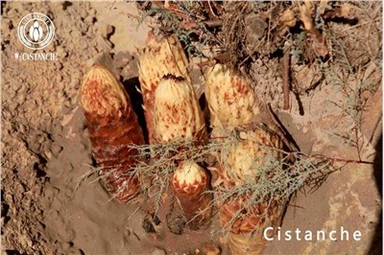
Cistanche (Rou Cong Rong) is a classic TCM tonic herb often positioned in modern wellness as supportive for vitality and endocrine-related balance (depending on formula context and regulatory language).


Why We Recommend Cistanche tubulosa Extract Specifically
If you're developing a modern supplement concept, Cistanche tubulosa (管花肉苁蓉) is frequently preferred in extracts because it can be standardized to higher levels of key actives (commonly discussed as phenylethanoid glycosides like echinacoside and acteoside/verbascoside).
Positioning angle for your independent site:
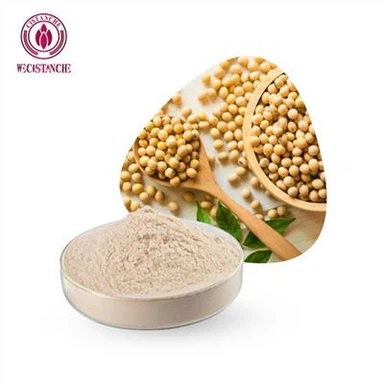
Factory-direct Cistanche tubulosa extract
Higher active-compound content (standardized extract) vs. raw herb powder
Batch consistency for product formulation
Example: How to Add Cistanche Into a "Menstrual Comfort" Formula Story (Marketing-Safe)
You can frame it like this (without over-claiming):
WJBF research highlights that dysmenorrhea relates to prostaglandins, uterine spasm, and hormone-related markers.
A modern formula strategy may combine:
"comfort" herbs (for spasm and circulation)
plus a "tonic support" herb like Cistanche tubulosa extract to support overall vitality and recovery, especially in people who feel depleted around their cycle.
Keyword-friendly phrasing examples (place naturally in headings/FAQ blocks):
TCM herb for period cramps: multi-target support for uterine comfort
TCM herb for menstrual pain: supports prostaglandin balance and uterine relaxation (research-informed)
TCM herb for fatigue during menstruation: add tonic support such as Cistanche tubulosa extract
If you want, I can produce a dedicated landing-page section titled:
"Why Cistanche tubulosa extract (not just Cistanche powder) matters for formulation"
and write it to match your brand tone.
Click To Check Cistanche Tea For Prostate Health

7) Compliance Notes
This rat study is promising preclinical evidence. For Western compliance, it's best to use language like:
"may support", "helps maintain", "traditionally used", "research suggests", "supports comfort"
and avoid disease-treatment claims like "cures dysmenorrhea" unless you are marketing a registered drug.
8) Suggested SEO Keyword Map
Use variations so the copy reads natural:
tcm herb for period cramps
tcm herb for menstrual pain
tcm herb for uterine cramps
tcm herb for hormonal balance (contextual)
tcm herb for lower abdominal pain during period (long-tail)
Conclusion
In a rat model of primary dysmenorrhea, Wuji Baifeng Soft Capsule (WJBF) significantly reduced pain behaviors and uterine hypercontractility, likely by regulating the COX-2/PGF2α pathway, improving the PGF2α/PGE2 balance, modulating endocrine markers (β-EP, E2, progesterone), reducing uterine Ca2+ overload, and relaxing uterine smooth muscle.
For brands building Western-friendly TCM-inspired products, this kind of research helps explain-clearly and biochemically-why a formula approach can be meaningful. Pairing a comfort-oriented formula concept with a standardized Cistanche tubulosa extract (管花肉苁蓉)-especially from a factory capable of higher active-compound content and consistent batches-can strengthen both the product story and the formulation logic.
Keywords
Wuji Baifeng Soft Capsule; primary dysmenorrhea; uterine smooth muscle; COX-2/PGF2α pathway; endocrine hormones; tcm herb for period cramps; Cistanche tubulosa extract; Rou Cong Rong