You Can’t Eat These Things For Constipation!
Sep 18, 2023
Several misunderstandings about self-help for constipation
1. Drink laxative tea to treat constipation
Laxative tea contains laxative ingredients such as senna leaves, fruit tablets, rhubarb, etc., which directly stimulate the nerves of the intestinal mucosa and cause the defecation reflex. It has a very clear effect on relieving constipation. Long-term use may easily cause dependence and may also cause colon melanoma. When disease occurs, colon polyps, colon tumors, etc. may appear over time.

2. Banana treats constipation
Ripe bananas do have a laxative effect. However, the bananas in the surrounding vegetable markets and fruit shops are generally young bananas that are still a little hard to transport. Such young bananas contain tannic acid. Or it is ripened. Even if the outside is yellow, the tannic acid component has long been deeply buried inside. If you eat this kind of banana, it will not achieve the effect of defecation at all. Because it contains tannic acid, it will not relieve constipation. However, it is easy to aggravate the symptoms of constipation.
3. Honey water treats constipation
Drinking a glass of honey water on an empty stomach when you get up in the morning can promote bowel cleansing.
The main principle of honey laxative is that honey contains more fructose, which is not easy to absorb. After reaching the colon, it can increase the volume of stool by absorbing water and promoting defecation. Not to mention that this method does not work for many people, even if it does, long-term intake of sugar is not good for people with diabetes, people who want to lose weight, and even healthy people.
4. Use Kaiselu as soon as you have constipation.
Kaiselu can be used for short-term use, or it is suitable for emergency use when the stomach is bloated and the stool is extremely dry. Long-term use will cause intestinal motility to become weaker and weaker, and the effect of Kaiselu will gradually become worse, eventually inducing more severe constipation.

5. Niuhuang Jiedu Tablets to treat constipation
Niuhuang Jiedu Tablets are just one way to treat constipation caused by internal heat. It is not suitable for constipation caused by gastrointestinal diseases and metabolic diseases. Excessive use of this medicine can also cause poisoning.
6. Drink yogurt to treat constipation
Because yogurt is rich in probiotics, it can indeed regulate intestinal flora and help relieve constipation, but it is only suitable for people who drink yogurt for a long time to relieve long-term chronic constipation.
Many people only think of drinking yogurt when they have constipation, but the laxative effect can be said to be zero.
7. Go on a diet or eat less to treat constipation
The movement of the gastrointestinal tract requires power. If you don't eat or eat less, the gastrointestinal tract will not be able to function normally, which will only make it more difficult to eliminate waste in the body and aggravate constipation.
When it comes to laxatives, don’t just think of bananas. Foods with high dietary fiber content can promote gastrointestinal motility. For example, these four fruits have a much better laxative effect than bananas!
These 4 fruits have a good laxative effect
1. Dragon fruit
Dragon fruit is rich in dietary fiber, pectin, and oligosaccharides, which not only promote the formation of stool but are also good for regulating intestinal flora. The crude fiber of the black dragon fruit seeds is as high as 13% and cannot be digested by the intestines. Absorption can stimulate intestinal peristalsis and help defecation.
2. Prunes
Prunes are indeed a good helper for laxatives. Natural prune juice contains water-soluble natural pectin fiber and insoluble plant fiber. The combination of these two fibers can increase intestinal peristalsis, soften intestinal excretion, increase the frequency of defecation, and accelerate intestinal emptying and relaxation. Soothes the stomach. Even if you can’t buy fresh prunes, dried prunes are high in dietary fiber and sorbitol, and eating dried prunes may have a better laxative effect than fresh prunes!
3. Avocado
The dietary fiber content in 100g of avocado is as high as 6.7g. More importantly, the soluble dietary fiber content of avocado is also very high, which can increase the water content of stool, so that the stool is less dry and smoother.

4. Kiwi fruit
Kiwi fruit is relatively rich in dietary fiber, which can naturally help relieve constipation.
Nutritional therapy for constipation: To relieve constipation, these 4 nutrients in food are essential!
1. Water
Constipation is caused by the absorption of water, resulting in dry and hard stools. Therefore, if you want to improve constipation, drink more water. Water is an essential substance for human metabolism. The transportation and absorption of nutrients and the discharge of metabolic waste are inseparable from water. Drinking a lot of water in a short period can help soften feces and speed up the discharge of feces, which is very important in relieving constipation. role.
Suggestion: Drink a cup of warm water, or warm honey water, after getting up in the morning, which can effectively relieve constipation.
2. Dietary fiber
Dietary fiber cannot be digested by digestive enzymes in the gastrointestinal tract, nor can it be absorbed and utilized by the human body. It also has a strong ability to absorb water, which can soften and increase the volume of feces and promote the excretion of feces from the body. In addition, dietary fiber can be fermented and decomposed by intestinal microorganisms to varying degrees, thereby promoting the reproduction of beneficial bacteria in the intestine and helping to maintain the balance of intestinal flora.
Recommendation: Dietary fiber mainly comes from cereals, potatoes, vegetables, fruits, beans, and other foods. It is recommended to pay attention to dietary diversity in daily life. Regularly eating foods rich in dietary fiber can promote intestinal peristalsis and effectively improve constipation.
3. Probiotics
Probiotics help maintain the balance of intestinal flora, promote normal intestinal peristalsis, and are very effective in improving constipation and gastrointestinal discomfort, as well as improving immunity.
Recommendation: Probiotics mainly come from fermented foods (such as yogurt, kimchi, wine, miso, etc.), foods with high dietary fiber content (cereals, vegetables, fruits, seaweed, fungi, etc.), and probiotic supplements.
4. B vitamins
B vitamins can maintain the normal functions of the nervous and muscular systems. If the human body is deficient in B vitamins, it will cause intestinal muscle weakness. Elderly people are more likely to suffer from constipation due to reduced gastrointestinal function. According to a Canadian study, proper supplementation of B vitamins can promote the secretion of digestive juices, enhance gastrointestinal motility, facilitate excretion, and reduce the risk of colon cancer, rectal cancer, and other diseases.
Recommendation: B vitamins are widely derived from various foods, including whole grains, beans, fresh vegetables and fruits, lean meats, fish, eggs, etc.
Natural Herbal Medicine For Relieving Constipation-Cistanche
Cistanche is a genus of parasitic plants that belongs to the family Orobanchaceae. These plants are known for their medicinal properties and have been used in Traditional Chinese Medicine (TCM) for centuries. Cistanche species are predominantly found in arid and desert regions of China, Mongolia, and other parts of Central Asia. Cistanche plants are characterized by their fleshy, yellowish stems and are highly valued for their potential health benefits. In TCM, Cistanche is believed to have tonic properties and is commonly used to nourish the kidney, enhance vitality, and support sexual function. It is also used to address issues related to aging, fatigue, and overall well-being. While Cistanche has a long history of use in traditional medicine, scientific research on its efficacy and safety is ongoing and limited. However, it is known to contain various bioactive compounds such as phenylethanoid glycosides, iridoids, lignans, and polysaccharides, which may contribute to its medicinal effects.

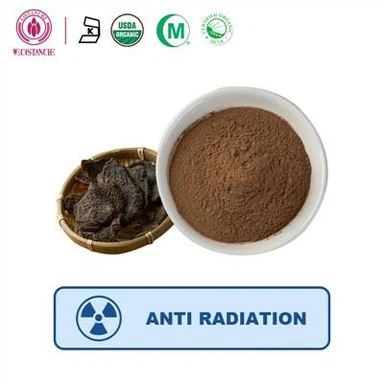
Wecistanche's cistanche powder, cistanche tablets, cistanche capsules, and other products are developed using desert cistanche as raw materials, all of which have a good effect on relieving constipation. The specific mechanism is as follows: Cistanche is believed to have potential benefits for relieving constipation based on its traditional use and certain compounds it contains. While scientific research specifically on Cistanche's effect on constipation is limited, it is thought to have multiple mechanisms that may contribute to its potential to relieve constipation. Laxative Effect: Cistanche has long been used in Traditional Chinese Medicine as a remedy for constipation. It is believed to have a mild laxative effect, which can help promote bowel movements and induce constipation. This effect may be attributed to various compounds found in Cistanche, such as phenylethanoid glycosides and polysaccharides. Moistening the Intestines: Based on traditional use, Cistanche is considered to have moisturizing properties, specifically targeting the Intestines. Promoting hydration and lubrication of the Intestines, may help soften tools and facilitate easier passage, thereby relieving constipation. Anti-inflammatory Effect: Constipation can sometimes be associated with inflammation in the digestive tract. Cistanche contains certain compounds, including phenylethanoid glycosides and lignans, that are believed to have anti-inflammatory properties. By reducing inflammation in the intestines, it may help improve bowel movement regularity and relieve constipation.