Your Gut, Your Health: How Cistanche Tubulosa Nourishes The Microbiome For Whole-Body Benefits
Aug 21, 2026
The human gut is home to trillions of microorganisms-bacteria, fungi, viruses-that collectively form the gut microbiome. This vast ecosystem influences far more than digestion. It modulates immune function, produces neurotransmitters that affect mood and cognition, regulates metabolism, and maintains the integrity of the intestinal barrier that separates the body from the outside world. When the microbiome is balanced-dominated by beneficial bacteria like Bifidobacterium and Lactobacillus-health thrives. When it is disrupted-a state called dysbiosis-the consequences ripple throughout the body: inflammation, immune dysfunction, cognitive fog, metabolic disorders, and digestive distress. Cistanche tubulosa, through its unique polysaccharide fraction, is emerging as a powerful tool for microbiome restoration. Its prebiotic fibers selectively nourish beneficial bacteria, promoting the production of short-chain fatty acids that underpin gut and systemic health.
The Microbiome: The Body's Hidden Organ
The gut microbiome is now recognized as an organ in its own right-one with profound influence over nearly every aspect of human physiology. The mechanisms through which it exerts this influence are increasingly understood.
Short-chain fatty acids (SCFAs) are the primary mediators. When beneficial bacteria ferment dietary fiber and prebiotic polysaccharides, they produce acetate, propionate, and butyrate. Butyrate is the primary fuel source for colonocytes-the cells lining the colon-and it maintains the integrity of the intestinal barrier by upregulating tight junction proteins. SCFAs also enter the bloodstream, where they modulate immune function, reduce inflammation, and cross the blood-brain barrier to influence brain function.
Immune regulation is heavily dependent on the microbiome. Approximately 70% of the body's immune cells reside in the gut-associated lymphoid tissue. Beneficial bacteria promote the development of regulatory T cells, which suppress inappropriate immune responses and maintain tolerance to harmless antigens. SCFAs enhance the function of macrophages and support antibody production.
The gut-brain axis connects the microbiome to the central nervous system via the vagus nerve, immune signaling, and microbial metabolites. Gut bacteria produce serotonin, dopamine, and GABA-neurotransmitters that regulate mood, anxiety, and cognitive function. They also influence the production of BDNF, the growth factor essential for brain plasticity and mental health.
When the microbiome is disrupted-by antibiotics, poor diet, stress, or aging-dysbiosis results. Beneficial bacteria decline, pathogenic species overgrow, and the production of SCFAs drops. The intestinal barrier becomes leaky, allowing lipopolysaccharides from gram-negative bacteria to enter the bloodstream, triggering systemic low-grade inflammation. This metabolic endotoxemia is now linked to obesity, type 2 diabetes, cardiovascular disease, depression, and cognitive decline.
An ideal microbiome-supportive agent would be a prebiotic that selectively nourishes beneficial bacteria, increases SCFA production, restores barrier integrity, and reduces the inflammatory burden of dysbiosis. Cistanche tubulosa's polysaccharide fraction does exactly this.
How Cistanche Tubulosa Nourishes the Microbiome
1. Prebiotic Polysaccharides: Feeding the Good Bacteria
The polysaccharides in Cistanche tubulosa are complex carbohydrates that resist digestion in the stomach and small intestine, reaching the colon intact where they serve as a selective food source for beneficial bacteria. Bifidobacterium and Lactobacillus species are particularly adept at fermenting these polysaccharides, proliferating in response. This selective enrichment shifts the composition of the microbiome away from potentially harmful species toward a health-promoting community. Unlike simple fibers, Cistanche polysaccharides provide a sustained fermentation substrate, supporting long-term microbial stability rather than a transient shift.
2. Increasing Short-Chain Fatty Acid Production
As beneficial bacteria ferment Cistanche polysaccharides, they produce abundant short-chain fatty acids-particularly butyrate. Butyrate is the primary fuel for colonocytes, maintaining the health and integrity of the intestinal epithelium. It strengthens the tight junctions that seal the spaces between cells, reducing intestinal permeability. This barrier-strengthening effect prevents the leakage of LPS and other microbial products into the bloodstream, reducing systemic inflammation. Butyrate also has direct anti-inflammatory effects, inhibiting NF-κB in colon cells and reducing the production of pro-inflammatory cytokines. By increasing butyrate levels, Cistanche supports both local gut health and systemic anti-inflammatory balance.

3. Restoring Intestinal Barrier Function
Leaky gut-increased intestinal permeability-is a common consequence of dysbiosis and a driver of systemic inflammation. The polysaccharides in Cistanche help restore barrier integrity through multiple mechanisms: SCFA-mediated upregulation of tight junction proteins (ZO-1, occludin), stimulation of mucus secretion that forms a protective layer over the epithelium, and promotion of regulatory T cells that reduce immune-mediated barrier damage. A healthy intestinal barrier keeps microbial products where they belong-in the gut-preventing the systemic inflammatory cascade that contributes to metabolic and neurodegenerative disease.
4. Modulating the Immune System Through the Gut
The gut is the largest immune organ in the body, and the microbiome is its primary trainer. By promoting beneficial bacteria and SCFA production, Cistanche polysaccharides support the development of regulatory T cells that maintain immune tolerance. They also enhance the function of macrophages and NK cells, strengthening the immune response against pathogens. This dual action-enhancing defense while promoting tolerance-is the hallmark of a balanced immune system. It is the reason Cistanche is considered an immunomodulator rather than a simple immune stimulant.
5. Supporting the Gut-Brain Axis
The SCFAs produced from Cistanche fermentation have direct effects on the brain. Butyrate crosses the blood-brain barrier, where it enhances BDNF expression, supports synaptic plasticity, and reduces neuroinflammation. Propionate and acetate influence appetite regulation and metabolism. The microbiome also influences the production of serotonin-approximately 95% of the body's serotonin is produced in the gut-which in turn affects mood, sleep, and cognitive function. By nourishing the microbiome, Cistanche indirectly supports mental health and cognitive resilience. This gut-brain connection explains why improving gut health often leads to improvements in mood, clarity, and overall well-being.
6. Anti-Inflammatory Protection Through Acteoside
While the polysaccharides nourish the microbiome, acteoside provides direct anti-inflammatory protection to the intestinal epithelium. It suppresses NF-κB activation, reducing the production of TNF-α, IL-6, and IL-1β in the gut lining. This is particularly important in dysbiosis, where inflammation drives further microbial imbalance and barrier dysfunction. By calming gut inflammation, acteoside helps create an environment in which beneficial bacteria can thrive, supporting the restoration of a healthy microbiome.
A comprehensive 2022 review in Frontiers in Pharmacology catalogs the prebiotic, anti-inflammatory, and gut-protective properties of Cistanche tubulosa, confirming its multi-targeted support for gut health and the microbiome. (Frontiers in Pharmacology review on Cistanche tubulosa)
The Active Ingredients for Microbiome Health
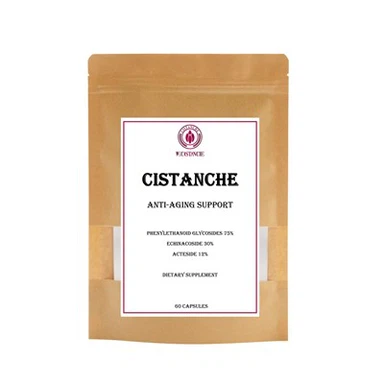
The microbiome-supportive effects are driven primarily by the polysaccharides in Cistanche tubulosa, with supporting contributions from echinacoside and acteoside. The polysaccharides are the prebiotic fibers that feed beneficial bacteria and increase SCFA production. Acteoside provides anti-inflammatory protection to the gut lining. Echinacoside supports the antioxidant defense of intestinal cells. A high-quality extract should retain the full polysaccharide fraction alongside the phenylethanoid glycosides. The evidence-informed dose for microbiome support is 400–600 mg daily.

Integrating Cistanche for Gut Health
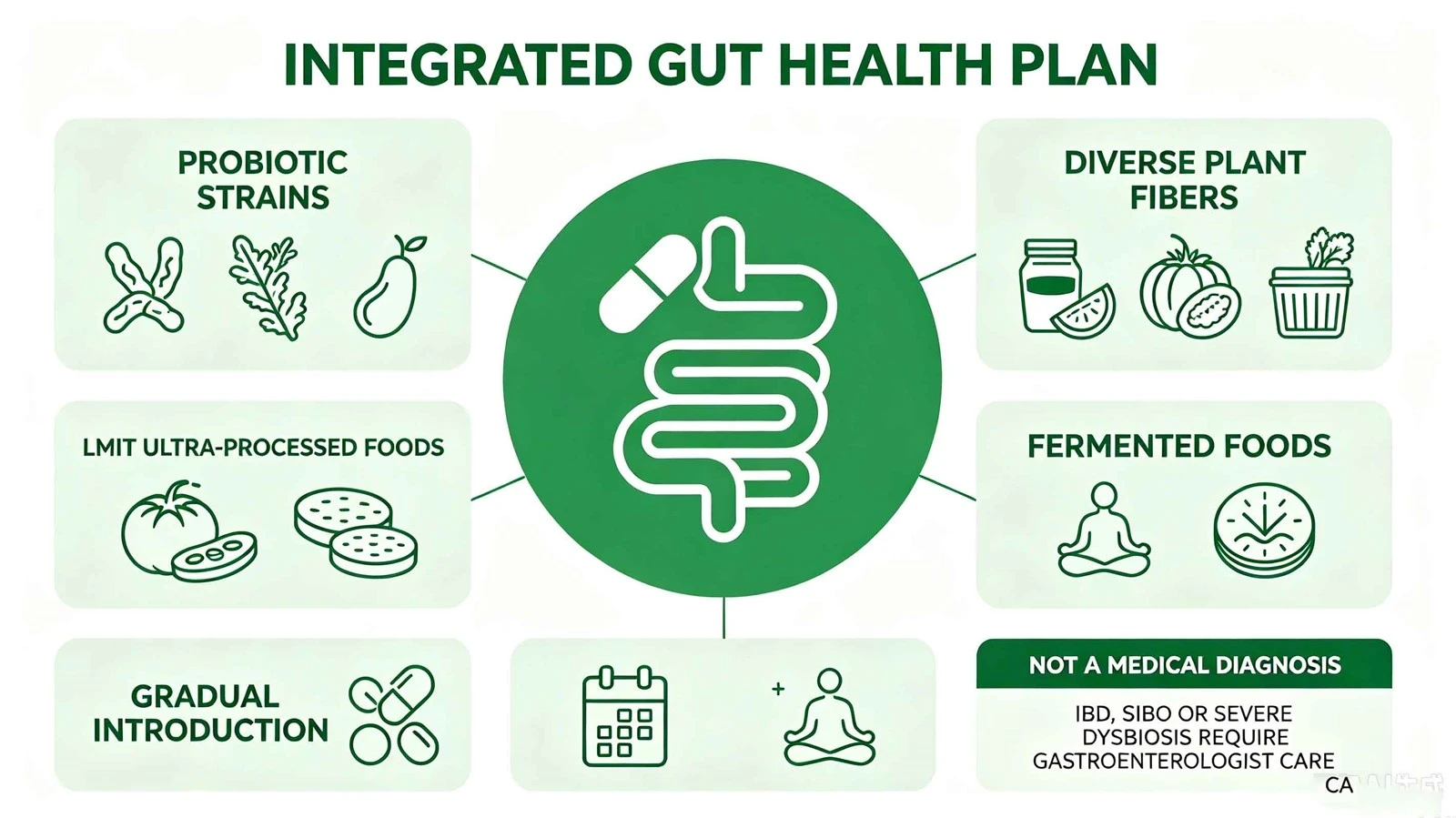
For microbiome restoration, Cistanche should be taken consistently-daily, with a meal or mixed into warm water-as a long-term prebiotic. It pairs well with probiotic supplements containing Bifidobacterium and Lactobacillus strains, which receive the prebiotic support they need to colonize and thrive. A diet rich in diverse plant fibers provides additional fermentation substrate. Fermented foods-yogurt, kefir, kimchi, sauerkraut-complement the prebiotic effect. Reducing intake of ultra-processed foods, added sugars, and artificial sweeteners helps prevent the dysbiosis that undermines microbial health. For those with significant gut dysbiosis or digestive symptoms, a gradual introduction of prebiotics is recommended to avoid temporary bloating as the microbiome adjusts.
For those seeking reliable, research-grade microbiome support, explore our Cistanche tubulosa extract product line - every batch is processed to retain the full polysaccharide fraction and standardized for consistent active ingredient content.
Safety and Medical Context
Cistanche tubulosa is well tolerated with a centuries-long safety record. It does not cause the cramping or urgency associated with some fiber supplements or laxatives. However, individuals with severe gut dysbiosis, inflammatory bowel disease, or small intestinal bacterial overgrowth should consult a gastroenterologist before adding prebiotics. This botanical is a supportive, restorative tool for gut health, not a replacement for medical diagnosis or treatment of gastrointestinal disease.