10 Must-knows About The Role Of Testosterone
May 31, 2023
In the eyes of many fitness enthusiasts, testosterone has always been associated with masculinity. People with high testosterone levels are considered aggressive, powerful, and libido. However, whether you're an athlete or not, testosterone plays an important role in everyone's health and physiological function, and it even plays a role in maintaining proper ovarian function.
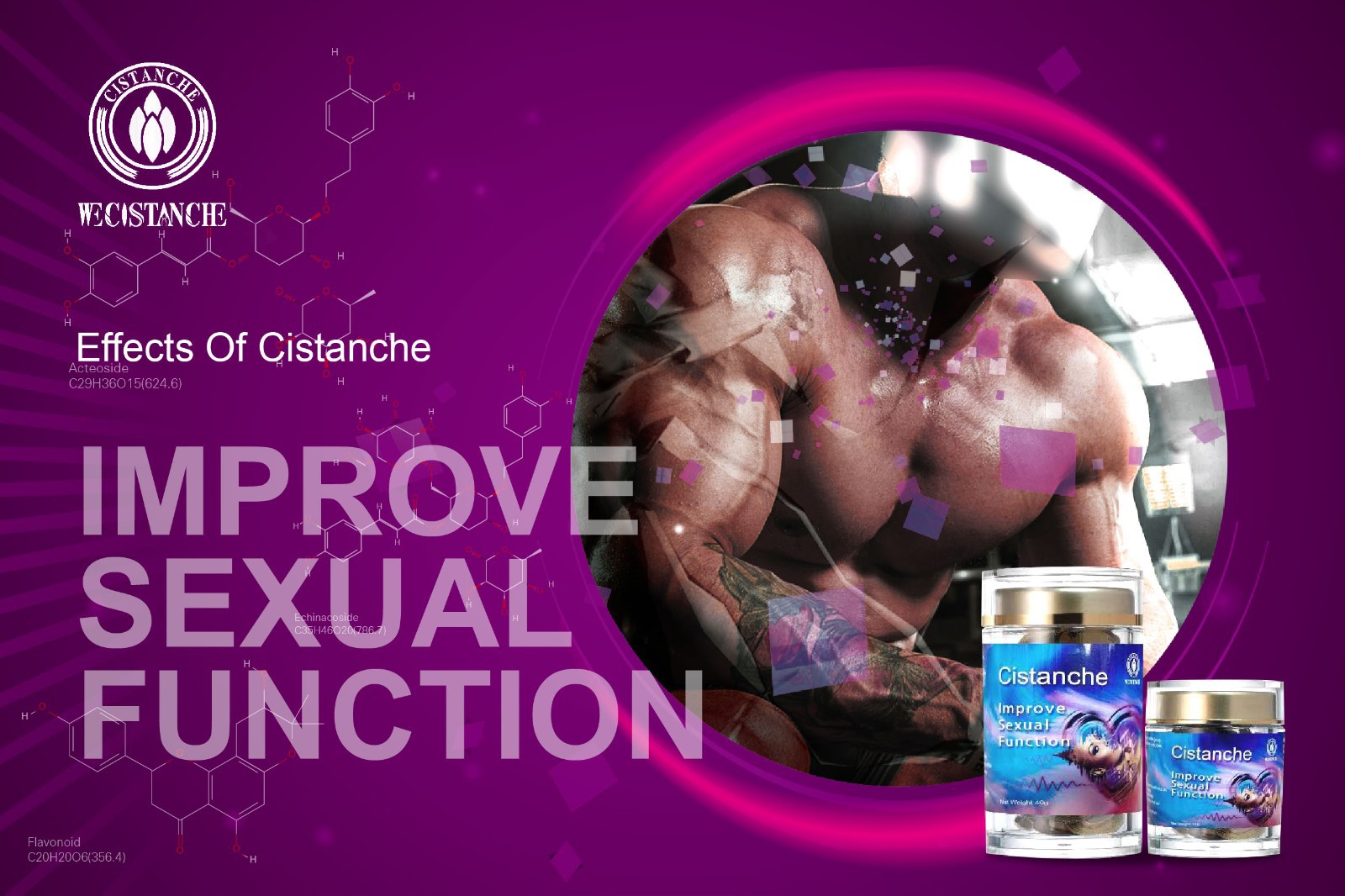
Click to cistanche tubulosa capsules for boost testosterone
TIPS exogenous testosterone is harmful
Abnormally high testosterone levels are not particularly common and are most common in athletes who take steroids or hormones to enhance their performance. Low testosterone levels are one of the signs of aging, and the percentage of men with low testosterone increases from 20% to 50% from age 60 to 80.
In addition, injury, radiation therapy, and changes to the pituitary gland can all cause testosterone levels to drop. However, continued use of testosterone can lead to facial and body hair growth, decreased pitch, increased muscle-to-fat ratio, and decreased menstruation.
1. The Possibility of Building Muscle
Due to the specific biological response testosterone causes, it can significantly affect the body's ability to gain or lose muscle. Once testosterone is released throughout the body, it naturally binds to muscle cells, triggering these cells to increase protein production.
It also diffuses more neurotransmitters throughout the body, which stimulates tissue growth and growth hormone secretion. This will increase muscle mass. Therefore, low testosterone levels are associated with muscle loss.
2. Competitive and aggressive behavior
Changes in energy, mood, and confidence are all affected by testosterone levels. While testosterone levels can lead to certain behaviors, their levels can also increase after certain activities: For example, sex or competitive activity can lower or raise testosterone levels.
High testosterone levels can lead to increased aggression, irritability and mood swings, and impaired decision-making. Conversely, low testosterone levels can lead to decreased confidence, listlessness, difficulty concentrating, low energy, and depression.
3. Bone density
The effect of testosterone on bone density is due to its interaction with the bone marrow, during which it stimulates the bone marrow to produce red blood cells at a faster rate. Low testosterone levels can reduce bone density, leading to weak bones. This puts those with testosterone deficiency at an increased risk of bone fractures.
Therefore, bone strength can sometimes be increased by boosting testosterone levels. For example, a man with osteoporosis may take testosterone replacement therapy along with other treatments.
4. Sexual desire
The relationship between testosterone and libido works both ways: While testosterone affects sexual performance, sexual activity also affects testosterone levels. Low testosterone levels have been linked to low libido and erectile dysfunction—however, prolonged sexual inactivity can also lead to low testosterone. High testosterone levels increase libido but lower sperm counts.

Changes in libido aren't limited to men: Women who lack testosterone suffer from low libido, too. Once a woman goes through menopause, the effect of testosterone on a woman's libido levels is less clear.
5. Hair growth
Testosterone initially affects hair growth through its role in the onset of reproductive development, which then causes hair to grow on the face, underarms, and genitals in adolescent males. As men age, testosterone production declines, leading to a loss of hair and body hair.
Women with abnormally high testosterone levels may notice hair growing on their faces. This is especially true for women with polycystic ovary syndrome (PCOS), a dysfunctional hormone that causes testosterone levels to spike.
6. Erythropoiesis
In general, elevated testosterone levels lead to more red blood cell production. Applied physiologists at the University of Kentucky asked 60 60-year-old men to receive testosterone treatment or a placebo and compared iron metabolism and red blood cell levels.

The results showed that increased testosterone levels stimulated the production of red blood cells, with hemoglobin levels increasing by 8 percent in participants who received testosterone. Therefore, testosterone replacement therapy may have heart, cholesterol, and blood pressure benefits, although these effects still need to be confirmed.
7. Skin health
People with high testosterone levels are prone to acne breakouts. In some cases, people who are deficient in testosterone receive replacement therapy with patches or creams, in which case direct application of testosterone can cause skin irritation.
8. Growth and development of the reproductive system
Testosterone levels begin to affect embryos while still in utero, triggering the initial formation of male genitalia. At the onset of puberty, testosterone levels rise, leading to the growth of the testicles and penis, as well as the production of sperm. Although testosterone can be used as an indicator of male development, it also plays an important role in female development. Normal levels of estrogen and androgens ensure that the ovaries are working properly.
9. Sleep mode
Low or high testosterone levels can affect sleep duration and quality. Instead, the body needs regular, uninterrupted sleep to maintain healthy testosterone levels. People with abnormal testosterone levels may be more prone to sleep-related disorders.
Andrologists at the University of Sydney in Australia administered regular testosterone injections to men over the age of 60. Results showed that testosterone disrupted sleep, leading to sleep apnea, disturbed breathing patterns, and overall decreased sleep time.
10. Fat Burning
Increases and decreases in testosterone levels can cause metabolism to speed up or slow down. Testosterone regulates metabolic function. A balanced testosterone level prevents the body from burning too much or too little fat. People with high testosterone levels tend to gain weight. However, since testosterone increases muscle mass, it leads to fat loss because muscles increase their metabolic rate at rest and during exercise.

The mechanism of Cistanche boosts the testosterone effect
Cistanche has been found to boost testosterone levels in several ways. Firstly, it contains compounds known as echinacoside and acteoside, which have been shown to enhance the production of luteinizing hormone (LH) in the pituitary gland. LH stimulates the Leydig cells in the testes to produce testosterone. Cistanche also contains polysaccharides and phenylethanoid glycosides, which have been shown to have antioxidant and anti-inflammatory properties. This can help reduce oxidative stress and inflammation in the testes, which can impair testosterone production Additionally, Cistanche has been found to increase the expression of genes involved in testosterone synthesis and reduce the activity of enzymes that break down testosterone, such as 5-alpha-reductase. Overall, the combination of these mechanisms is thought to contribute to Cistanche's testosterone-boosting effects