3 Common Senses That Chinese Tea Therapy Must Know
Nov 08, 2022
Tea is a traditional custom handed down from our Chinese origins, but in the category of traditional Chinese medicine, tea has more functions than folks. Tea therapy is a dietary therapy of tea in traditional Chinese medicine. So how much do you know about tea therapy? Today, let the editor spread the knowledge about tea therapy to you!

Click to health benefits of cistanche and Cistanche tea
Chinese medicine tea therapy
Tea therapy emerged in ancient China, and after thousands of years of origin, its application is still very wide, and it combines "therapy" with "food". Tea therapy is not only easy to take materials, but also very portable. convenient.
For those who understand, the application of tea therapy can be said to be natural, but some problems should be paid attention to when applying it.
Selection and storage of tea leaves
Tea therapy must use tea, so we must first choose tea. The first problem in choosing tea is that there should be no mildew. Moldy tea not only loses nutrients and medicinal components but also has toxic effects on the human body. Then it is appropriate to choose different types of tea according to the condition or season. For example, green tea is generally considered to be "cool". If the nature of the disease is "hot", or in hot summer, green tea can be used.
Black tea is a kind of medicinal tea that is more "warm" in tea therapy. If the patient's condition is cold in nature, or if he wants to relieve his condition through tea therapy in cold winter, he can choose black tea.
The nature of oolong tea is relatively peaceful. If the nature of the disease is "hot" and "cold" is not obvious, or in autumn, oolong tea can be used.
Scented tea contains jasmine, bead orchid, etc. According to traditional Chinese medicine, scented tea has the properties of elevating and dispersing, which can relieve liver depression and regulate qi. However, the choice of the above teas is not absolute, especially in the tea therapy compound, its slight bias can be balanced by other compatible medicines.

In addition, due to the different processing techniques of various tea leaves, it is generally believed that in terms of the number of certain substances contained in tea leaves, green tea contains vitamin C, vitamin B1, B2, trace elements zinc, and tea polyphenols, etc. Other teas (such as oolong tea, black tea, etc.) are more.
According to the medicinal effects and effects of the above-mentioned various components, we can further confirm that drinking green tea can also be used to reduce lipids and prevent vascular sclerosis, anti-aging caused by lipid peroxidation, and anti-mutation to prevent and treat cancer. ease.
But things are always divided into two. Some people drink too much green tea, especially on an empty stomach, because too much tea polyphenols will stimulate the stomach to a certain extent, causing stomach discomfort. If so, you should reduce the amount and concentration, or use black tea instead.
The most taboo for tea is damp, it is easy to mildew after being damp. And the deterioration of tea is also related to high temperature, light, and long-term exposure to the air. In addition, tea leaves are the easiest to absorb odors and should not be placed in the same place with strong odors such as camphor and soap. In short, tea should be stored in a dry, airtight, light-proof, and odor-free container, and should be placed in a place with a lower ambient temperature. Of course, it is also a good measure to purchase a small amount and many times based on the principle of convenient application.

Selection and preparation of dispensing
Tea contains a variety of nutrients and active ingredients, but as far as adults are concerned, the daily amount of tea should be 6-15 grams, and the amount of tea therapy should generally not exceed 20 grams. If so, the total amount of small components will be smaller. As the saying goes, "a fence has three stakes, and a hero has three gangs". From the clinical point of view, most of the tea therapy prescriptions are teas combined with other Chinese herbal medicines to achieve a better curative effect.

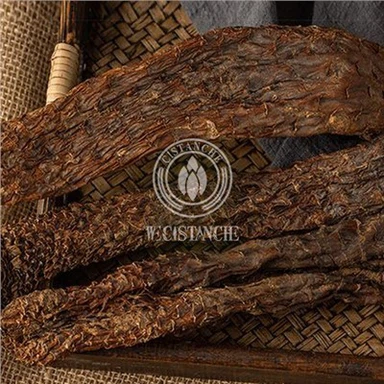
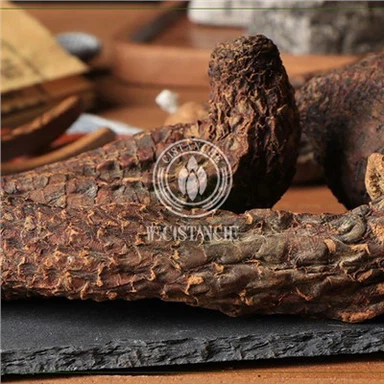
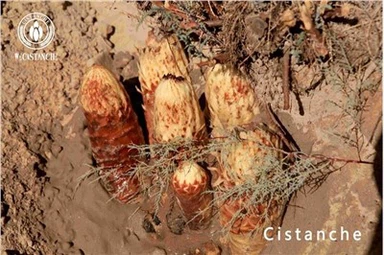
Cistanche tea
People with insufficient qi and blood have cold hands and feet, and often have the problem of insufficient spleen yang, especially in winter. Experts remind you that in winter, you should pay attention to keeping your legs and feet warm, and soak your feet before going to bed to help you sleep. In addition, you can also "invigorate yang qi" through diet. You can eat foods that warm yang and dispel cold like mutton soup, and you can drink cistanche tea, which is yang tonifying and not dry, to improve yang qi. There is a direct relationship between human aging and kidney decline. Drinking Cistanche deserticola tea can make us energetic, age slower, and live longer. Overtime fatigue, drinking and socializing, irregular nightlife, easy fatigue, weak limbs, lack of energy, chills, sore waist and knees, irritability, night sweats, sweating, loss of libido, nocturnal emission, premature ejaculation, memory loss, frequent urination, loss of hair, etc. Take 3-5g of Cistanche Chinese Herbal Pieces, or Cistanche Bushen granule tea, brew with boiling water and add water while drinking until the taste is light, after drinking, you can chew and swallow Cistanche Cistanche, which is beneficial to the conditioning of the human body! Cistanche can warm kidney yang, nourish essence and blood, and delay aging. A good tea for nourishing the kidney - is Cistanche tea! Often drink cistanche tea, and take it for a long time to lighten the body, detoxify the face, and warm the kidney yang.
for more information:ali.ma@wecistanche.com