7 Essential Nutrients For Elderly People To Supplement For Strong Bones
Feb 20, 2024
In old age, people's bones may not be as big as before, so everyone should pay attention to early maintenance. In fact, bones are like a "calcium warehouse", where 99% of the body's calcium is stored. However, strengthening bones cannot rely solely on calcium supplementation. Below are the 7 nutrients that bones need the most.
cistanche tubulosa-improve immune system
1. Skeleton "Supporter": Calcium
Human bones are "alive". When calcium intake is insufficient, the calcium in the bones is released into the bloodstream to maintain blood calcium concentration, leading to lower bone density and osteoporosis, which can lead to fractures, degenerative bone hyperplasia, or childhood rickets.
Nutrition strategy: Experts point out that it is important to eat more calcium-rich foods when young in order to store sufficient calcium for the bones. In general, eating more milk, soy products, seaweed, shrimp skin, etc. can meet the needs of normal people for calcium supplementation.
When cooking, you can add some vinegar to help dissolve calcium and aid in absorption. People who like to eat high-fat foods such as fatty meat and fried foods, as well as those who like to eat salty foods, should pay special attention to calcium supplementation because oil and salt can inhibit the absorption of calcium.
2. Bone "gas station": Vitamin D
It can promote intestinal calcium absorption and reduce renal calcium excretion, just like a gas station, continuously replenishing calcium in the bones. If there is a lack of vitamin D, the hardness of bones will decrease, forming "cartilage syndrome". Young children often have underdeveloped skulls and chests, making them prone to rickets; Pregnant women and the elderly may experience a decrease in bone strength in their lower limbs, pelvis, and other areas.
Nutrition strategy: 90% of the body's vitamin D relies on ultraviolet radiation from sunlight and is synthesized through the skin itself; The remaining 10% is consumed through food sources such as mushrooms, seafood, animal liver, egg yolks, and lean meat.
Experts point out that the safest, most effective, and most economical way to supplement vitamin D is to sunbathe. American researchers suggest that when the weather is clear, within two hours before and after noon, do not apply sunscreen, expose more than 40% of the skin, and sun for 5-15 minutes is sufficient. For people who work in office buildings for years, exposure to sunlight through glass does not achieve the effect of vitamin D. It is best to engage in outdoor activities during holidays.
3. Bone "concrete": protein
22% of the components in bones are protein, mainly collagen. With protein, human bones can be like concrete, hard but not brittle, resilient, and able to withstand external impact. The amino acids and peptides in proteins are beneficial for the absorption of calcium.
If protein intake is insufficient for a long time, it can easily lead to osteoporosis. A study has found that people who do not like to eat meat and soy products and lack protein for a long time are more prone to hip fractures.
Nutrition strategy: Eating foods rich in collagen and elastin is the most beneficial for bone health, such as milk, eggs, walnuts, meat skin, fish skin, etc. Normal people do not need to take additional health supplements such as protein powder. Excessive protein intake can actually be detrimental to bones, increasing blood acidity and accelerating the dissolution of calcium in bones and excretion of calcium in urine.
cistanche benefits for men-strengthen immune system
4. Bone "Defender": Magnesium
60% -65% of magnesium in the human body is present in bones. Experts say that magnesium plays an important role in the formation of new bones. Although the magnesium content in bones is low, once lacking, it can make the bones brittle and more prone to breakage.
Long-term magnesium deficiency can also lead to vitamin D deficiency, affecting bone health. Women with low intake of magnesium in their diet also have lower bone density.
Nutrition strategy: Seaweed, whole wheat foods, almonds, peanuts, and spinach are all rich in magnesium. Eating 2-3 peanuts a week, with 5-8 grains each time, can meet a person's magnesium needs; Drinking more water can also promote the absorption of magnesium.
5. Bone "stabilizer": potassium
Every cell in the human body contains potassium, and bones are no exception. Its main function is to maintain acid-base balance and participate in energy metabolism and normal neuromuscular function, which is essential for bone growth and metabolism. Recently, a study published in the American Journal of Environmental Nutrition also pointed out that potassium can prevent calcium loss and make bones harder.
Nutrition strategy: To supplement potassium, eating more fruits such as bananas, oranges, plums, raisins, vegetables such as tomatoes, potatoes, spinach, yams, and seaweed like seaweed and seaweed are the safest and most effective methods. Especially orange juice, which contains abundant potassium and can replenish water and energy. It is best not to take potassium supplements easily as they may be harmful to the heart.

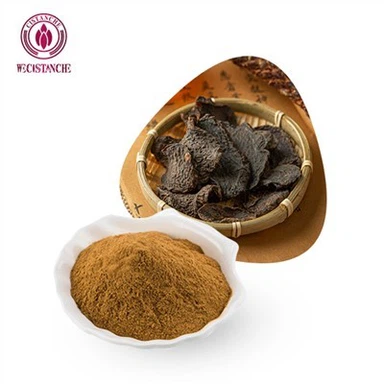
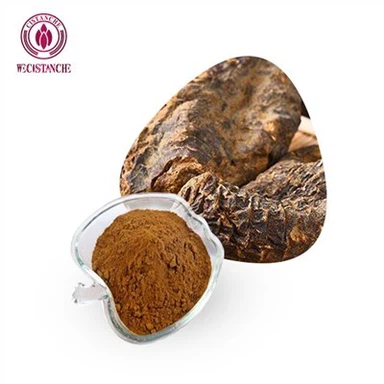
Cistanche deserticola slices
6. Bone "additive": Vitamin K
Just like food requires certain additives, bones also require the addition of vitamin K to activate a very important protein in bones - osteocalcin, thereby improving the bone's resistance to bending.
Harvard University research has shown that if women have a lower intake of vitamin K, it can increase the risk of osteoporosis and femoral fractures. Dutch research has found that supplementing with vitamin K can promote bone health in children and reduce the incidence of arthritis.
Nutrition strategy: In the diet, the darker the green color of vegetable leaves, the higher the content of vitamin K. Eating 500 grams of vegetables every day, including over 300 grams of dark green leafy vegetables, can effectively prevent vitamin K deficiency.
People who take antibiotics for a long time may disrupt the balance of gut microbiota, affecting the synthesis of vitamin K. Therefore, it is important to pay special attention to eating more green leafy vegetables. In addition, vitamin K is a fat-soluble vitamin. When supplementing, it is best not to eat vegetables raw, but to add seasoning oil and stir fry until cooked.
7. Skeletal "scavenger": Vitamin B12
Vitamin B12 is the only vitamin that contains mineral phosphorus and plays an important role in maintaining bone hardness. It is like a scavenger, capable of clearing homocysteine from the blood, protecting bones, and preventing osteoporosis and even hip fractures caused by excessive homocysteine.
Nutrition strategy: Animal liver, shellfish, lean beef, whole wheat bread, and low-fat dairy products are all foods rich in vitamin B12. However, it is difficult for the elderly to absorb vitamin B12, and plant-based foods (excluding algae such as spirulina) do not contain vitamin B12. Therefore, people over 50 years old and vegetarians can take supplements appropriately, with a daily intake standard of 2.4 micrograms.
Recommended Chinese medicine for promoting bone growth: Cistanche deserticola

Superman herbs cistanche
The effective component of Echinacetin in the traditional Chinese medicine material Cistanche deserticola can enhance various indicators of bone tissue, increase the proportion of osteoprotegerin (OPC) and osteoclast differentiation factor-kB, highlight its advantageous role in promoting bone regeneration, and have a good therapeutic effect on osteoporosis.
cistanche plant-increasing immune system
Click here to view Cistanche Enhance Immunity products
【Ask for more】 Email:cindy.xue@wecistanche.com / Whats App: 0086 18599088692 / Wechat: 18599088692