A Natural Ally Against Alzheimer's Disease
Aug 08, 2024
Introduction:
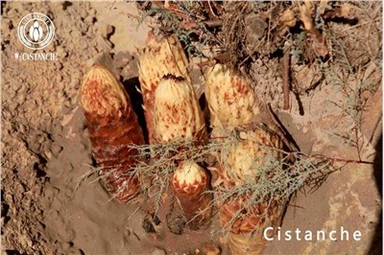
Alzheimer's disease (AD) is a progressive neurodegenerative disorder characterized by cognitive decline, memory impairment, and changes in behavior and personality. As the global population ages, AD has become a major public health concern, with limited treatment options available. In recent years, there has been growing interest in exploring natural remedies, such as Cistanche tubulosa, for the treatment of AD. This article aims to review the chemical composition and therapeutic effects of Cistanche tubulosa and examine its potential in the treatment of AD, focusing on current developments and prospects.

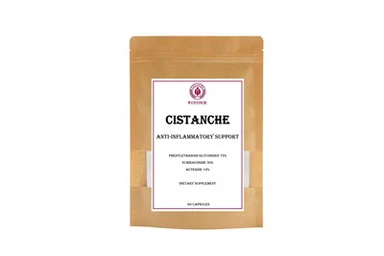
NATURAL CISTANCHE TUBULOSA FOR TREATING ALZHEIMER'S DISEASE PHGS75% ECH 30% ACT 12%
Chemical Composition of Cistanche tubulosa:
Cistanche tubulosa, also known as "Rou Cong Rong" in traditional Chinese medicine, contains a variety of bioactive compounds that contribute to its medicinal properties. These include phenylethanoid glycosides, polysaccharides, alkaloids, amino acids, and trace elements. Phenylethanoid glycosides, such as echinacoside and acteoside, possess antioxidant and neuroprotective effects, which may help mitigate oxidative stress and neuronal damage in AD. Polysaccharides exert immunomodulatory effects, enhancing the body's defense mechanisms against neuroinflammation and neurodegeneration. Alkaloids and amino acids contribute to various physiological functions, including neurotransmitter regulation and neuronal signaling.
Therapeutic Effects of Cistanche tubulosa:
Cistanche tubulosa has been traditionally used in Chinese medicine to tonify the kidneys, nourish the blood, and invigorate Yang's energy. In recent years, research has focused on its potential therapeutic effects in neurological disorders, including AD. Preclinical studies have demonstrated that Cistanche tubulosa extract exhibits neuroprotective properties, promoting neuronal survival, enhancing synaptic plasticity, and improving cognitive function in animal models of AD. These effects are attributed to its ability to modulate neurotransmitter levels, reduce amyloid-beta (Aβ) plaque formation, and inhibit neuroinflammation.

NATURAL CISTANCHE TUBULOSA FOR TREATING ALZHEIMER'S DISEASE PHGS75% ECH 30% ACT 12%
Current Developments in Cistanche tubulosa Research:
Several studies have investigated the efficacy of Cistanche tubulosa in ameliorating AD-related pathology and symptoms. Animal studies have shown that supplementation with Cistanche tubulosa extract improves spatial learning and memory performance, reduces Aβ deposition, and attenuates neuronal loss in AD models. Furthermore, clinical trials in humans have reported promising results, with Cistanche tubulosa supplementation associated with improvements in cognitive function, mood, and quality of life in AD patients. These findings suggest that Cistanche tubulosa may hold potential as a complementary therapy for AD, either alone or in combination with conventional treatments.
Future Prospects for Cistanche tubulosa in AD Treatment:
Despite the promising preclinical and clinical evidence, further research is needed to elucidate the underlying mechanisms of action and optimize the therapeutic use of Cistanche tubulosa in AD treatment. Future studies should focus on identifying specific bioactive compounds responsible for their neuroprotective effects, exploring optimal dosage regimens and treatment durations, and investigating potential synergistic effects with other herbal remedies or pharmaceutical agents. Additionally, large-scale clinical trials are warranted to confirm the safety, efficacy, and long-term benefits of Cistanche tubulosa supplementation in AD patients. Overall, Cistanche tubulosa holds great promise as a natural therapeutic agent for AD, offering hope for improved outcomes and quality of life for affected individuals and their families.

NATURAL CISTANCHE TUBULOSA FOR TREATING ALZHEIMER'S DISEASE PHGS75% ECH 30% ACT 12%
Conclusion:
Cistanche tubulosa, with its diverse chemical composition and neuroprotective effects, represents a promising natural remedy for the treatment of Alzheimer's disease. Preclinical and clinical studies have provided compelling evidence of its efficacy in mitigating AD-related pathology and symptoms, offering hope for improved cognitive function and quality of life for affected individuals. However, further research is needed to fully understand its therapeutic mechanisms and optimize its use in clinical practice. With continued investigation and development, Cistanche tubulosa may emerge as a valuable adjunctive therapy for AD, addressing the unmet needs of patients and caregivers in the quest for effective treatments for this devastating neurological disorder.

NATURAL CISTANCHE TUBULOSA FOR TREATING ALZHEIMER'S DISEASE PHGS75% ECH 30% ACT 12%