Processing‑Temperature Impacts & Antioxidant Properties Of Cistanche Tubulosa Extract
Nov 03, 2026
Introduction: Why Manufacturing Conditions Matter For Cistanche Supplement Quality
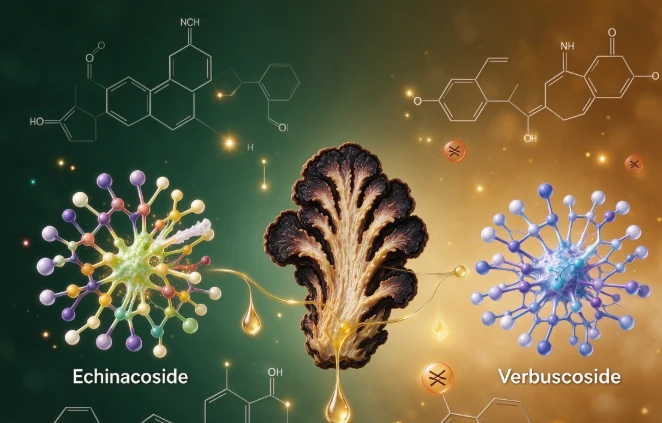
Cistanche tubulosa, also widely known as "Desert Ginseng", stands as one of the most celebrated herbal ingredients originating from the arid desert regions of Xinjiang, China. For centuries in traditional herbal practice, its fleshy, scale‑covered stems have been valued for supporting vitality, physical resilience and general wellness. Modern phytochemical research attributes most of its bioactive benefits to phenylethanoid glycosides, a family of plant compounds. Two marker molecules within this group, echinacoside and verbascoside, are recognized as the core functional substances driving antioxidant and other pharmacological effects of Cistanche tubulosa extracts.
Many fitness‑focused consumers buy Cistanche‑based supplements hoping to capture antioxidant, stamina‑supporting benefits. Yet a common misconception exists in the herbal supplement marketplace: many buyers assume all Cistanche products deliver equivalent potency, as long as raw plant material is sourced from Xinjiang desert habitats. In reality, final extract quality heavily hinges on every thermal step during production: raw‑material drying, solvent extraction, liquid concentration, and final evaporation into thick liquid extractum. Phenylethanoid glycoside compounds are thermally sensitive; improper high‑heat or overly‑prolonged thermal exposure triggers chemical degradation, enzyme‑driven hydrolysis and structural rearrangement, directly lowering active‑compound concentrations and weakening antioxidant performance of finished goods.
Past research has explored drying and extraction variables for Cistanche tubulosa. However, few published studies systematically examine how concentration temperature and steaming‑evaporation temperature alter retention of echinacoside and verbascoside. This article translates laboratory investigation findings into consumer‑friendly knowledge, explaining how temperature parameters across four major production stages shape final active‑ingredient levels. We also break down in‑vitro antioxidant test outcomes for optimized Cistanche tubulosa extractum. This article is built for supplement shoppers, brand formulators and wellness audiences, clarifying why controlled thermal processing is critical if you wish to maximize the natural antioxidant potential locked inside desert‑harvested Cistanche tubulosa raw material.
Core Bioactive Compounds Inside Cistanche Tubulosa: Echinacoside & Verbascoside
Before diving into manufacturing‑process details, it helps to understand the signature bioactive molecules at the center of Cistanche tubulosa's value. Phenylethanoid glycosides form the primary functional fraction. Echinacoside and verbascoside serve as universal reference markers used by analytical laboratories and supplement quality‑control workflows.
These glycoside molecules feature glucose backbone structures linked to aromatic phenolic side‑groups. Their phenolic chemical structure grants powerful free‑radical‑neutralizing antioxidant capacity. These compounds are also fragile: heat, prolonged processing time, plant‑origin endogenous enzymes, acidic or alkaline environments, UV light exposure all can break down their molecular architecture. Once degraded, their antioxidant potency diminishes substantially.
Fresh‑harvested Cistanche tubulosa naturally carries endogenous hydrolytic enzymes. If raw stems dry too slowly, these native plant enzymes start breaking down phenylethanoid glycosides before extraction even begins. That explains why drying conditions represent the very first critical checkpoint for preserving ingredient quality. Commercial extract producers must balance two conflicting priorities: fast enough processing to shut down destructive native enzymes, while avoiding excessive heat that destroys target glycoside compounds.
Besides phenylethanoid glycosides, Cistanche tubulosa also contains polysaccharides, amino acids, mineral trace elements and terpenoid substances. Even so, echinacoside plus verbascoside content is most frequently used as the benchmark metric for judging extract grade in laboratory research and third‑party supplement testing.
Experimental Background: How Scientists Evaluated Temperature Variables
The laboratory study featured in this article used authentic Cistanche tubulosa plant material harvested from Hotan, Xinjiang. Researchers set out to separately test four key thermal processing stages: raw‑herb drying, ethanolic reflux extraction, post‑extraction liquid concentration, and water‑bath steaming to produce thick final extractum. High‑Performance Liquid Chromatography (HPLC) and ultraviolet spectrophotometry served as analytical tools for quantifying total phenylethanoid glycosides, individual echinacoside and verbascoside concentrations.
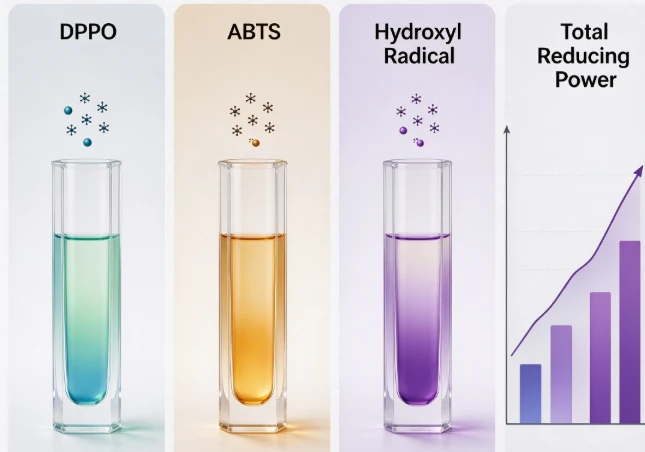
For antioxidant assessment, four classic in‑vitro test systems were deployed: DPPH radical‑scavenging assay, ABTS radical‑scavenging assay, hydroxyl‑radical neutralization measurement, and total reducing‑power analysis. Vitamin‑C (ascorbic acid) acted as positive control reference across antioxidant experiments. Test sample concentrations spanned 0.1 mg/mL up to 0.5 mg/mL to observe dose‑response behavior.
It is essential to emphasize: these are in‑vitro lab‑container antioxidant tests. Positive radical‑scavenging results in lab solutions do not automatically guarantee identical biological antioxidant outcomes inside the human body. Human clinical trials would be required to validate oral in‑vivo antioxidant effects. Still, in‑vitro assays remain the standard pre‑clinical method to compare relative antioxidant strength between differently‑processed botanical extracts.
Stage One: Drying Temperature - First Critical Step To Protect Active Glycosides
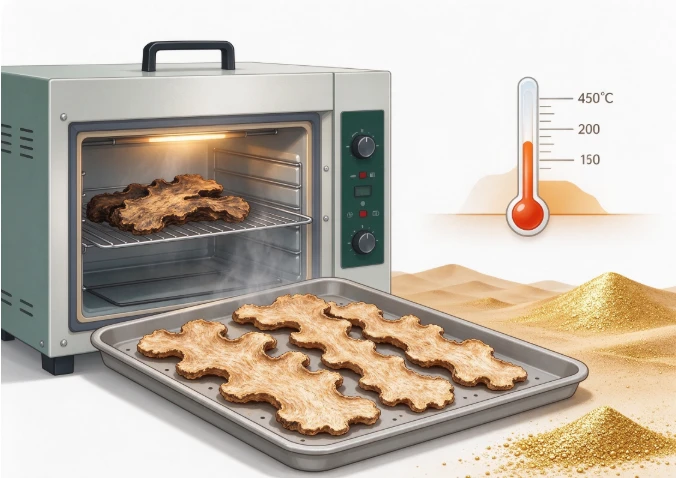
Fresh‑cut Cistanche tubulosa stem slices hold high moisture content. If simply left under open‑air sun‑drying or slow shade‑drying for months, internal plant enzymes slowly degrade phenylethanoid glycosides, lowering final bioactive yields. Researchers compared multiple drying approaches: direct sun drying, ambient shade‑drying, and oven drying at 40 °C, 60 °C, 80 °C, and 100 °C, with standardized 5‑hour oven‑drying duration for heated groups.
Sun‑dried samples delivered relatively low measured levels of total phenylethanoid glycosides, echinacoside and verbascoside. Direct sunlight plus extended exposure accelerated compound loss.
Shade‑dried material showed improvement against sun‑dried batches, yet yields still lagged behind optimized oven‑dried conditions.
60 °C oven drying generated the highest measurable concentrations of all three target compounds. This temperature effectively deactivates destructive endogenous plant enzymes within a short timeframe, without inflicting heat‑driven molecular damage on glycoside structures.
When drying temperature climbed further to 80 °C and then 100 °C, recorded echinacoside and verbascoside concentrations declined noticeably. Excessive thermal load began degrading these temperature‑sensitive molecules.
These lab observations deliver a practical takeaway for raw‑material quality assessment. Neither uncontrolled sun‑drying nor extremely high‑temperature rapid oven‑baking represents ideal processing for Cistanche tubulosa. Moderate‑temperature controlled oven drying near 60 °C strikes the optimal balance: rapid enzyme inactivation to stop compound breakdown, while keeping thermal‑degradation losses to a minimum. Variations in harvest season, growing‑region soil, and plant maturity can shift absolute numerical values slightly, yet this temperature trend holds consistent for Xinjiang‑sourced 管花肉苁蓉 (Cistanche tubulosa).
Stage Two: Extraction Temperature - Maximizing Glycoside Release From Plant Tissue
After drying and pulverizing Cistanche tubulosa raw herb, ethanolic reflux extraction is used to pull bioactive compounds out of plant cell material. The trial tested extraction performance across room‑temperature, 40 °C, 60 °C, 70 °C and 80 °C, using consistent 50% ethanol solvent and identical solid‑to‑liquid ratios.
As extraction temperature increased from ambient upward toward 80 °C, recovered concentrations of phenylethanoid glycosides, echinacoside and verbascoside trended steadily higher. 80 °C delivered peak extraction yields for all three marker compounds within this experimental setup. Higher temperature improves solvent penetration into dried plant cell walls, enhancing solubility and mass transfer of target glycoside molecules into the ethanol liquid phase.
Notably, scientific literature occasionally reports divergent optimal‑extraction‑temperature figures from other research groups. Such discrepancies are most likely explained by botanical variables: differing Cistanche species, geographic growing origin, harvest timing, and varying solvent‑formula parameters. For Hotan‑origin Cistanche tubulosa material in this specific study, 80 °C reflux extraction represented the sweet spot for extracting the greatest quantity of marker glycosides.
Raising temperature beyond 80 °C was not evaluated in this test series. We can logically infer that pushing extraction temperature excessively high would eventually trigger thermal decomposition, offsetting solubility gains and reducing final recoverable active‑ingredient levels.
Stage Three: Concentration Temperature - Balancing Production Speed And Compound Preservation
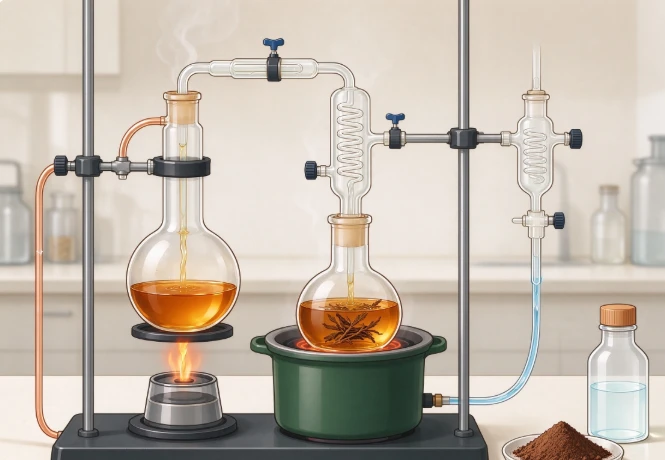
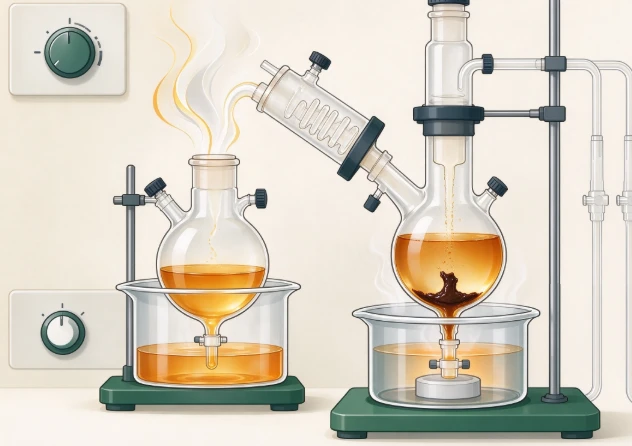
Once extraction finishes, you obtain large volumes of dilute ethanol‑water liquid extract. Manufacturers must remove solvent to condense bioactives into concentrated liquid. This concentration step represents one of the most overlooked processing variables in published Cistanche research. In this experiment, identical starting extract aliquots were concentrated down to matching target volume at five temperature set‑points: 35 °C, 40 °C, 50 °C, 60 °C, and 70 °C.
Concentration time shrank dramatically as operating temperature climbed:
At 35 °C, reaching target concentration required as long as 7 hours of processing. Long dwell‑time under liquid conditions exposes fragile glycosides to extended risk of degradation.
At 60 °C, the same concentration task finished in merely 0.7 hours. This temperature delivered both fast processing efficiency and the highest measured concentrations of phenylethanoid glycosides, echinacoside and verbascoside within condensed liquid.
Moving upward further to 70 °C shortened processing time even more, but measured marker‑compound concentrations started to decrease. Higher heat began partially breaking down the temperature‑sensitive phenylethanoid glycoside molecules.
This dataset illustrates a classic manufacturing trade‑off. Industrial producers are incentivized to run concentration at hotter temperatures to boost production throughput and cut operating costs. However, chasing pure speed at overly‑high temperature comes with a hidden penalty: irreversible loss of core antioxidant‑active molecules. 60 °C emerged as the balanced sweet point, delivering fast cycle time while retaining maximum echinacoside and verbascoside content in concentrated liquid.
Stage Four: Water‑Bath Steaming‑Evaporation For Final Extractum
Following liquid concentration, the next manufacturing step is evaporating remaining solvent from condensed liquid to yield thick, viscous Cistanche tubulosa extractum. Researchers compared steaming performance at water‑bath temperatures: 40 °C, 55 °C, 70 °C, 85 °C, and 98 °C. Every test batch started from identical concentrated liquid volume and was evaporated down to standardized final extractum mass.
Evaporation duration dropped sharply with rising bath temperature:
40 °C low‑temperature steaming took 12 hours to reach target extractum consistency. The multi‑hour liquid‑state hold caused substantial loss of marker glycosides.
At 85 °C, evaporation completed in just 1.2 hours. This condition achieved the highest final concentrations of total phenylethanoid glycosides, echinacoside and verbascoside inside finished extractum.
When bath temperature was pushed all the way to 98 °C near boiling point, evaporation became extremely rapid (0.4 hours). Nevertheless, measurable echinacoside and verbascoside levels decreased versus 85 °C batches, evidence of heat‑driven molecular degradation.
Many older laboratory protocols historically default to 98 °C boiling‑water‑bath evaporation for making herbal extractum. This study demonstrates that near‑boiling temperature harms Cistanche tubulosa's signature glycoside compounds. Using 85 °C instead preserves significantly more bioactive material while still maintaining reasonable manufacturing cycle efficiency. Vacuum‑drying or freeze‑drying technology can also protect active ingredients, yet those advanced capital‑intensive methods raise production costs substantially for commercial‑scale supplement fabrication. For water‑bath‑steamed extractum workflows, 85 °C represents the preferred thermal set‑point.
Summary of the optimized full thermal workflow derived from this trial:
Raw‑material drying: 60 °C controlled oven drying
Ethanol reflux extraction: 80 °C
Extract‑liquid concentration: 60 °C
Final water‑bath steaming‑evaporation to make extractum: 85 °C
When all four production phases adhere to these temperature benchmarks, finished extractum retains maximum recoverable quantities of antioxidant‑relevant phenylethanoid glycoside marker compounds.
In‑Vitro Antioxidant Performance Of Optimized Cistanche Tubulosa Extractum
After generating extractum using the above‑optimized thermal workflow, scientists ran multiple in‑vitro antioxidant assays across sample concentrations ranging 0.1 mg/mL‑0.5 mg/mL. Antioxidant activity showed clear dose‑dependent responses: as extract‑solution concentration increased, free‑radical‑scavenging capability increased correspondingly.
DPPH Radical‑Scavenging Activity
DPPH assay is a widely‑used benchmark test for measuring substance ability to neutralize stable synthetic free radicals in solution.
At 0.5 mg/mL concentration, optimized Cistanche tubulosa extractum achieved maximum DPPH‑radical‑scavenging rate of 92.23 %.
Calculated IC50 value (concentration required to neutralize 50 % radicals) came out to 0.017 mg/mL. For reference, vitamin‑C positive‑control IC50 was 0.018 mg/mL.
This result shows that, under in‑vitro laboratory conditions, properly‑processed Cistanche tubulosa extractum exhibits DPPH‑quenching capacity comparable to vitamin‑C within this test system.
ABTS Radical‑Scavenging Activity
ABTS assay measures scavenging against pre‑generated ABTS cation radicals, another standard antioxidant evaluation model.
At maximum test concentration (0.5 mg/mL), extractum delivered peak ABTS‑scavenging rate of 83.23 %.
Extractum IC50 value stood at 0.023 mg/mL, while vitamin‑C control IC50 registered 0.003 mg/mL.
Cistanche extractum demonstrated strong ABTS‑neutralizing performance, although vitamin‑C still out‑performed it within this specific assay.
Hydroxyl‑Radical‑Scavenging Capacity
Hydroxyl radicals are highly‑reactive oxygen‑derived species that inflict oxidative damage to biological lipids, proteins and DNA inside living organisms. In‑vitro testing revealed:
At 0.5 mg/mL sample strength, maximum hydroxyl‑radical‑clearance rate reached 91.26 %.
Extractum IC50 was 0.248 mg/mL; vitamin‑C control IC50 was measured as 0.14 mg/mL.
Again, Cistanche extract showed robust radical‑suppression capability, yet lagged behind pure vitamin‑C benchmark.
Total Reducing‑Power Measurement
Total reducing‑power assay assesses electron‑donating capacity, a core chemical mechanism of antioxidant action. Within the 0.1‑0.5 mg/mL test range, reducing‑power values rose as extract concentration increased, displaying clear dose‑effect correlation. Across all tested concentration points, total reducing capacity for Cistanche tubulosa extractum was consistently somewhat lower than matched vitamin‑C reference samples.
Collectively these four assay datasets confirm: extractum manufactured under optimized temperature conditions delivers potent in‑vitro antioxidant behavior. The high retention of echinacoside and verbascoside phenylethanoid‑glycoside compounds is believed to be the primary driver for these observed radical‑neutralizing properties. If production temperatures deviate far from optimal windows, marker‑glycoside content falls, and antioxidant performance of finished extract will degrade accordingly.
Key Real‑World Implications For Supplement Buyers & Formulators
Laboratory thermal‑processing findings translate directly to practical take‑aways for brands creating Cistanche tubulosa supplements and consumers shopping retail herbal goods:
1. Not all Cistanche tubulosa extracts are created equal
Identical‑origin raw plant material can yield finished extracts with large gaps in active‑ingredient levels purely from differences in heating profiles during drying, extraction, concentration and steaming. Cheaply‑produced extracts may use aggressive high‑temperature short‑cycle processing to cut manufacturing expenses, at the cost of partial or substantial degradation of echinacoside and verbascoside. Raw‑material geographic source alone cannot guarantee high‑quality finished extract; production thermal protocols matter immensely.
2. Always look for third‑party analytical test reports
When evaluating retail Cistanche tubulosa supplements, prioritize products publishing independent‑lab HPLC test results quantifying echinacoside and verbascoside content. These marker‑compound figures offer objective metrics to compare extract potency. Avoid products offering only vague marketing language such as "high‑quality Desert Ginseng" without supporting analytical‑test data.
3. Understand limitations of in‑vitro antioxidant results
Strong radical‑scavenging results observed inside laboratory test tubes do not automatically guarantee identical antioxidant effects occur inside human bodies after oral ingestion. Digestion, compound bioavailability, liver metabolic transformation alter how plant‑derived glycosides behave within human physiology. Controlled human clinical studies remain necessary to confirm oral antioxidant or wellness benefits for people consuming Cistanche tubulosa supplements.
4. Processing‑temperature sweet spots are lab‑derived reference points
The 60 °C / 80 °C / 60 °C / 85 °C thermal parameter set comes from controlled bench‑scale laboratory trials. Large‑volume commercial factory production equipment will feature heat‑transfer differences. Industrial‑scale manufacturing needs process‑validation testing to translate lab‑scale optimal temperatures to full‑size production batches. These values serve as guiding benchmarks rather than rigid non‑negotiable factory setpoints.
Discussion: Why Thermal Sensitivity Creates Production Challenges
Cistanche tubulosa phenylethanoid glycosides walk a narrow balance between solubility and thermal fragility. Too‑low processing temperatures lead to long liquid‑phase hold‑times; plant‑derived residual enzymes plus slow chemical hydrolysis chip away at active‑compound levels. Cranking temperature upward speeds workflows and improves compound solubility, yet crossing critical thermal thresholds triggers permanent molecular decomposition.
Traditional sun‑drying, historically common for wild‑harvested Cistanche tubulosa, exposes this vulnerability. Months‑long ambient drying allows endogenous plant enzymes to break down phenylethanoid glycosides before extraction. Controlled moderate‑temperature oven drying (60 °C) quickly denatures these destructive enzymes, locking in higher starting‑point active‑ingredient content.
The study also highlights risks associated with the old‑practice of boiling‑water‑bath evaporation for making herbal extractum. Near‑boiling 98 °C bath‑temperature speeds‑up solvent removal but measurably destroys echinacoside and verbascoside. Shifting production workflows to 85 °C water‑bath steaming preserves far more bioactive material without excessive production‑cycle extension.
Advanced manufacturing technologies like freeze‑drying or vacuum low‑temperature evaporation theoretically minimize thermal damage. However, such equipment substantially increases capital‑equipment and operating‑expense costs. Many budget‑oriented supplement manufacturers skip these costly workflows. Consequently, temperature‑controlled water‑bath‑steamed extractum remains a practical middle‑ground option for balancing ingredient quality and commercial‑production affordability, provided temperature set‑points are carefully managed.
The observed strong in‑vitro antioxidant activity for temperature‑optimized extractum also helps partially explain the anti‑fatigue mechanisms touched on in our previous article focused on mouse‑treadmill exercise‑fatigue trials. Phenylethanoid‑glycoside‑driven antioxidant action helps neutralize reactive‑oxygen‑species generated during intense muscular exertion, reducing oxidative cellular stress linked to exercise‑induced physical tiredness and muscle micro‑damage. That said, antioxidant function represents only one piece of Cistanche tubulosa's overall complex biological profile. Multiple overlapping metabolic pathways contribute to its pre‑clinically‑observed endurance‑support effects in animal models.
Research Limitations To Keep In Mind
Readers should keep these important constraints in perspective while interpreting this laboratory research:
This study analyzes in‑vitro chemical properties of extractum, not human in‑vivo biological responses. No human‑subject testing was performed in this project.
Experiments were completed using Hotan‑origin Cistanche tubulosa. Outcomes may shift for alternate Cistanche species, different harvest locations, varying plant maturity levels.
Bench‑lab small‑batch conditions cannot be copied one‑to‑one directly onto large industrial production lines; factory‑scale process adjustment and validation are still required.
Only four antioxidant in‑vitro test systems are used in this paper. Additional assays could reveal further details regarding extract antioxidant profiles.
The research focuses primarily on phenylethanoid‑glycoside marker compounds. It does not fully characterize changes to polysaccharides or other minor secondary metabolites across varying thermal‑processing conditions.
Conclusion
Cistanche tubulosa ("Desert Ginseng") extract quality is profoundly shaped by thermal conditions across every manufacturing stage: raw‑material drying, solvent extraction, liquid concentration, and final steaming‑evaporation into thick extractum. Phenylethanoid‑glycoside marker compounds (echinacoside and verbascoside) are heat‑labile molecules. They can be degraded either by prolonged low‑temperature processing (enzyme‑driven hydrolysis) or excessive high‑temperature thermal decomposition.
For Xinjiang Hotan‑sourced 管花肉苁蓉 (Cistanche tubulosa) material, laboratory‑optimized thermal workflow parameters are: 60 °C oven drying for raw herb; 80 °C ethanolic reflux extraction; 60 °C liquid‑extract concentration; and 85 °C water‑bath steaming for producing final extractum. Extractum manufactured following these temperature benchmarks retains maximal recoverable echinacoside and verbascoside content and delivers strong dose‑dependent in‑vitro free‑radical‑scavenging antioxidant performance across DPPH, ABTS, hydroxyl‑radical assays and total‑reducing‑power testing.
These findings emphasize that sourcing premium‑geography raw plant material alone cannot guarantee high‑potency finished Cistanche tubulosa supplements. Controlled thermal manufacturing workflows are equally critical to preserve its signature antioxidant‑active phenylethanoid‑glycoside molecules. For supplement brands, establishing clear temperature specifications and performing HPLC marker‑compound testing is essential for consistent product quality. For consumers, seek retail products backed by third‑party lab reports that quantify echinacoside and verbascoside levels.
Further research directions should include validating these temperature guidelines within large‑scale industrial‑production environments, investigating how additional processing variables impact minor phytochemical fractions, and designing human clinical trials to explore oral antioxidant and wellness effects of standardized Cistanche tubulosa extracts.
Disclaimer: This article serves purely educational‑informational purposes. It is not medical advice, and does not constitute supplement‑performance claims. In‑vitro laboratory antioxidant results do not prove human‑body physiological effects. Always consult a licensed healthcare practitioner before starting any new herbal‑supplement regimen.