A Patient With New-onset Uremia Successfully Corrected Anemia After Treatment With Pemosatin
Sep 19, 2024
The prevalence of anemia in patients with chronic kidney disease (CKD) is very high, and as CKD progresses, the prevalence of anemia continues to increase. At the dialysis stage, almost the vast majority (>90%) of patients have varying degrees of anemia. However, nearly 40% of dialysis patients in my country do not meet the treatment target for anemia, which not only affects the quality of life of patients, but also may increase their risk of CKD progression and cardiovascular events [1].

Click to Cistanche for kidney disease
In recent years, some new drugs have emerged in the field of renal anemia treatment. Among them, pemosatriptyline, a Class 1 innovative drug independently developed by my country, was approved for marketing in June 2023. As an erythropoietin (EPO) mimetic peptide, pemosatriptyline is different from traditional erythropoiesis stimulating agents (ESAs) in mechanism and has high affinity and high selectivity for EPO erythropoietic receptors, which helps to reduce the occurrence of adverse events such as cardiovascular disease while improving anemia [2]. Recently, Dr. Zhu Yilin and Dr. Xiang Shilong from the Nephrology Center of the First Affiliated Hospital of Zhejiang University shared a case of using pemosatin to successfully correct anemia in a patient with new uremia. This article will give a detailed introduction to the case.
Case sharing
The patient is a female, 67 years old, weighing 52kg. The main complaint is "foamy urine for more than 1 year, dizziness and vomiting for 1 month", with a history of hypertension for 5 years, long-term use of amlodipine besylate for blood pressure reduction, blood pressure 126/72mmHg, a history of diabetes for more than 1 year, taking repaglinide for blood sugar reduction, blood sugar control is good. Some laboratory test results are as follows:
[Routine blood test] Hemoglobin (Hb): 84 g/L; mean corpuscular hemoglobin concentration (MCHC): 333 g/L; mean corpuscular volume (MCV): 93.5 fl; mean corpuscular hemoglobin (MCH): 31.2 pg
[Renal function] Creatinine: 697 μmol/L; 24h proteinuria quantitative: 1.1 g; estimated glomerular filtration rate (eGFR): 4.8 mL/min/1.73m2
[Iron metabolism] Serum iron: 11.4μmol/L; Ferritin: 592 ng/mL; Serum total iron binding capacity: 45.2 μmol/L
The diagnosis results are: ① Chronic kidney disease stage 5 (chronic renal failure, chronic glomerulonephritis, renal anemia); ② Hyperkalemia; ③ Hypertension grade 3; ④ Type 2 diabetes; ⑤ Cerebral infarction.

According to the diagnosis, the patient was treated with peritoneal dialysis, blood pressure reduction, blood sugar reduction, correction of electrolyte disorders and other treatment measures. For renal anemia, the initial treatment plan was to choose the most commonly used short-acting recombinant human erythropoietin (rHuEPO, referred to as erythropoietin) 3000 U, subcutaneously injected 3 times a week, combined with oral iron (polysaccharide iron complex capsule, 150mg, once a day).
However, since erythropoietin needs to be injected subcutaneously 3 times a week, it is inconvenient for patients to go to the hospital frequently and it is difficult to adhere to the treatment. After half a month of treatment, Hb did not improve significantly, so it was decided to switch to long-acting pemosatin, with an initial dose of 4mg, which only needs to be administered once every 4 weeks. At the same time, oral iron treatment is still combined.
The results showed that Hb continued to rise steadily after pemosaline treatment, from 88 g/L before treatment to 100 g/L after one month. The drug was continued at 4 mg. In the second month, Hb increased from 100 g/L to the target level of 113 g/L. In the third month, the drug was continued at 4 mg, and Hb remained stable. The patient did not experience any obvious symptoms or discomfort during the treatment and expressed his willingness to continue treatment. The original regimen is still being administered, and the Hb level will be monitored in the future, and the dosage will be adjusted in time to maintain Hb within the target range.

A phase III clinical study on anemia in Chinese dialysis patients showed that the efficacy and safety of subcutaneous injection of pemosaline once a month were comparable to those of conventional short-acting rHuEPO once to three times a week; in all pre-specified subgroups, the non-inferiority of pemosaline was consistent, and even showed a trend of superiority. In addition, during the one-year study, the average Hb level in the pemosaline group remained within the target range, indicating that once-monthly administration can continuously and stably promote erythropoiesis[3]. This case also confirmed that pemosatin can significantly and steadily increase the patient's Hb level, and only needs to be injected once every 4 weeks. Compared with the 3 weekly injections of short-acting erythropoietin, it greatly improves the patient's treatment compliance, helps patients reduce the cost of frequent travel to the hospital for transportation, diagnosis and treatment, and reduces the workload of medical staff. It is believed that the clinical application of pemosatin will help improve the management level of renal anemia in my country.
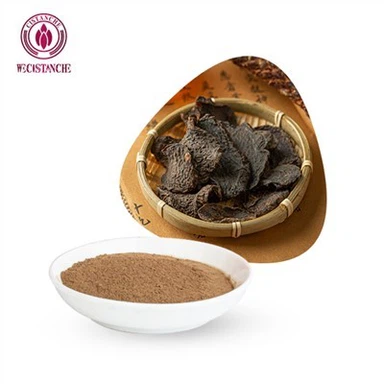
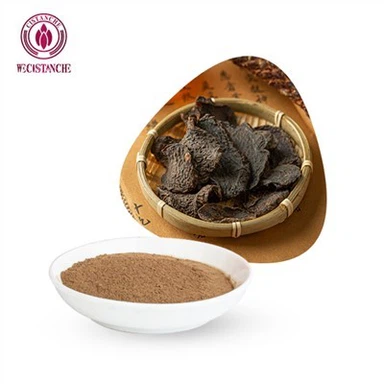
How Does Cistanche Treat Kidney Disease?
Cistanche is a traditional Chinese herbal medicine used for centuries to treat various health conditions, including kidney disease. It is derived from the dried stems of Cistanche deserticola, a plant native to the deserts of China and Mongolia. The main active components of cistanche are phenylethanoid glycosides, echinacoside, and acteoside, which have been found to have beneficial effects on kidney health.
Kidney disease, also known as renal disease, refers to a condition in which the kidneys are not functioning properly. This can result in a buildup of waste products and toxins in the body, leading to various symptoms and complications. Cistanche may help treat kidney disease ase through several mechanisms.
Firstly, cistanche has been found to have diuretic properties, meaning it can increase urine production and help eliminate waste products from the body. This can help relieve the burden on the kidneys and prevent the buildup of toxins. By promoting diuresis, cistanche may also help Reduce high blood pressure, a common complication of kidney disease.
Moreover, cistanche has been shown to have antioxidant effects. Oxidative stress, caused by an imbalance between the production of free radicals and the body's antioxidant defenses, plays a key role in the progression of kidney disease. ies help neutralize free radicals and reduce Oxidative stress, thereby protecting the kidneys from damage. The phenylethanoid glycosides found in cistanche have been particularly effective in scavenging free radicals and inhibiting lipid peroxidation.
Additionally, cistanche has been found to have anti-inflammatory effects. Inflammation is another key factor in the development and progression of kidney disease. Cistanche's anti-inflammatory properties help reduce the production of pro-inflammatory cytokines and inhibit the activation of inflammation mandatory pathways, thus alleviating inflammation in the kidneys.
Furthermore, cistanche has been shown to have immunomodulatory effects. In kidney disease, the immune system can be dysregulated, leading to excessive inflammation and tissue damage. Cistanche helps regulate the immune response by modulating the production and activity of immune cells, such as T cells and macrophages. This immune regulation helps reduce inflammation and prevent further damage to the kidneys.

Moreover, cistanche has been found to improve renal function by promoting the regeneration of renal tubes with cells. Renal tubular epithelial cells play a crucial role in the filtration and reabsorption of waste products and electrolytes. In kidney disease, these cells can be damaged, leading to damaged renal function. Cistanche's ability to promote the regeneration of these cells helps restore proper renal function and improve overall kidney health.
In addition to these direct effects on the kidneys, cistanche has been found to have beneficial effects on other organs and systems in the body. This holistic approach to health is particularly important in kidney disease, as the condition often affects multiple organs and systems. che has been shown to have protective effects on the liver, heart, and blood vessels, which are commonly affected by kidney disease. By promoting the health of these organs, cistanche helps improve overall kidney function and prevent further complications.
In conclusion, cistanche is a traditional Chinese herbal medicine used for centuries to treat kidney disease. Its active components have diuretic, antioxidant, anti-inflammatory, immunomodulatory, and regenerative effects, which help improve renal function and protect the kidneys from further damage. , cistanche has beneficial effects on other organs and systems, making it a holistic approach to treating kidney disease.