A Traditional Chinese Medicine (TCM) Composition For Treating Type 2 Diabetic Erectile Dysfunction, And Its Preparation Method And Use
Oct 08, 2026
Technical Field
[0001] The present invention relates to the technical field of traditional Chinese medicine compositions, and in particular relates to a traditional Chinese medicine composition for treating erectile dysfunction associated with type 2 diabetes mellitus, and to its preparation method and applications.
Background Art
[0002] Erectile dysfunction (Erectile Dysfunction, ED) is one of the most common chronic complications of type 2 diabetes mellitus (Type 2 Diabetes Mellitus, T2DM). Clinically, it is referred to as diabetic erectile dysfunction (DMED). According to statistics, the prevalence of ED among T2DM patients is as high as 35%–90%, and the incidence increases significantly with advancing age and longer disease duration. DMED not only severely affects patients' quality of life and marital relationship, but also imposes substantial psychological stress, representing a major challenge in diabetes management.
Cistanche Supplements For Erectile Dysfunction Treatment

[0003] A domestic multicenter survey report based on diabetes outpatient clinics showed that 75.1% of diabetic patients developed ED, and more than 50% of men exhibited ED of varying degrees after more than 6 years from the diagnosis of diabetes [1]. Therefore, DMED is one of the most common complications of diabetes, and its prevalence has increased year by year as diabetes becomes more prevalent. Modern expert consensus holds that DMED affects erectile function through oxidative stress, advanced glycation end products (AGEs), the polyol pathway, and the protein kinase C (PKC) pathway, causing changes in the nervous system, vasculature, endocrine function, penile corpus cavernosum, and psychological state, thereby impairing erectile function [2]. The mechanism is complex, and it is difficult for a single drug to cover ED caused by multiple mechanisms. Treatment is difficult and severely impacts patients' physical health, psychological health, and quality of life.
[0004] In traditional Chinese medicine, this condition belongs to the category of "Xiaoke (wasting-thirst disorder)" complicated by subsequent "Yangwei (impotence)." TCM theory holds that the core pathogenesis lies in long-standing "Xiaoke," which consumes qi and damages yin, resulting in qi–yin deficiency as the root cause; qi deficiency leads to weak blood circulation, while yin deficiency generates internal heat that damages body fluids, further giving rise to blood stasis obstructing the collaterals and damp-heat sinking downward-these are the branch manifestations. The condition presents as "root deficiency with branch excess," with a mixture of deficiency and excess, jointly leading to malnourishment of the "zongjin (the genital tendons)" and flaccidity with inability to maintain erection, manifesting as impotence. Currently, although many TCM formulas are used to treat impotence or diabetic complications, most have the following problems:
Lack of specificity: Many formulas either focus on tonifying the kidney and strengthening yang alone, overlooking the root pattern of qi–yin deficiency in DMED and the branch excess of blood stasis and damp-heat. This may lead to "deficiency not tolerating tonification" or may aggravate damp-heat, worsening the condition; or they focus on activating blood and removing stasis while neglecting support of vital qi, resulting in unsustained efficacy.
[0005] 2. Single formulation logic: They fail to accurately grasp the core and complex pathogenesis of DMED-"qi–yin deficiency as the root, blood stasis and damp-heat obstruction as the branch." The treatment principles and methods are not comprehensive enough to achieve simultaneous treatment of both root and branch.
[0006] 3. Insufficient evidence base: Many empirical prescriptions lack modern pharmacological research; their material basis and mechanisms of action are unclear, limiting broader acceptance and dissemination.
[0007] Therefore, there is an urgent clinical need for a therapy with definite efficacy and few side effects, capable of overall regulation through multiple targets and multiple pathways, that can improve erectile function while also addressing the underlying pathological changes of diabetes, for the treatment of type 2 diabetic erectile dysfunction. Based on this, the inventor combined years of clinical practice experience and conducted in-depth research into the TCM pathogenesis characteristics of DMED, and proposed a novel TCM composition. The goal is to treat the root by supplementing qi and nourishing yin, and to treat the branch by activating blood, unblocking the collaterals, clearing heat, and draining dampness-thereby providing DMED patients with a safer, more effective, and more fundamentally corrective TCM therapeutic option.
[0008]
[1] Yang G, Pan C, Lu J. Prevalence of erectile dysfunction among Chinese men with type 2 diabetes mellitus [J]. Int J Impot Res. 2010, 22(5): 310–317.
[2] Editorial Committee of the Multidisciplinary Chinese Expert Consensus on Diabetes with Male Sexual Dysfunction. Multidisciplinary Chinese Expert Consensus on Diabetes with Male Sexual Dysfunction. Chinese Journal of Andrology. 2022.
Summary of the Invention
[0009] In view of the above, the present invention provides a traditional Chinese medicine composition for treating type 2 diabetic erectile dysfunction, as well as its preparation method and applications, to solve the aforementioned problems.
[0010] To achieve the above objectives, the present invention provides the following technical solution:
The present invention provides a traditional Chinese medicine composition for treating type 2 diabetic erectile dysfunction, comprising the following components in parts by mass: Bupleuri Radix (Chaihu) 8–10 parts, Paeoniae Radix Alba (Baishao) 13–17 parts, Rehmanniae Radix Praeparata (Shudi) 18–22 parts, Dioscoreae Rhizoma (Shanyao) 13–17 parts, Corni Fructus (Shanzhuyu) 10–15 parts, Moutan Cortex (Danpi) 5–7 parts, Poria (Fuling) 13–17 parts, Alismatis Rhizoma (Zexie) 10–15 parts, Cistanches Herba (Roucongrong) 10–15 parts, Scolopendra (Wugong) 1.5–2.5 parts, Carthami Flos (Honghua) 8–10 parts, Eucommiae Cortex (Duzhong) 10–15 parts, Angelicae Sinensis Radix (Danggui) 8–12 parts, and Glycyrrhizae Radix et Rhizoma (Gancao) 5–7 parts.
[0011] Preferably, the composition comprises the following components in parts by mass: Chaihu 9 parts, Baishao 15 parts, Shudi 20 parts, Shanyao 15 parts, Shanzhuyu 12 parts, Danpi 6 parts, Fuling 15 parts, Zexie 12 parts, Roucongrong 12 parts, Wugong 2 parts, Honghua 9 parts, Duzhong 12 parts, Danggui 10 parts, and Gancao 6 parts.
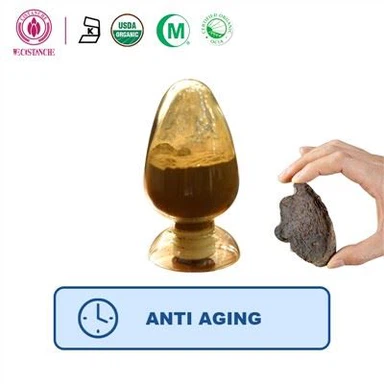
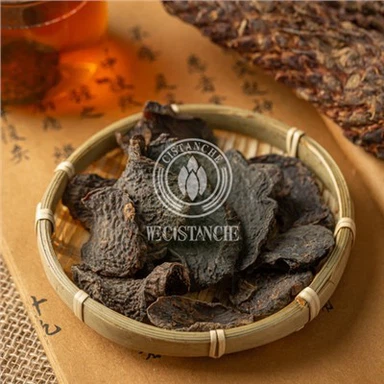
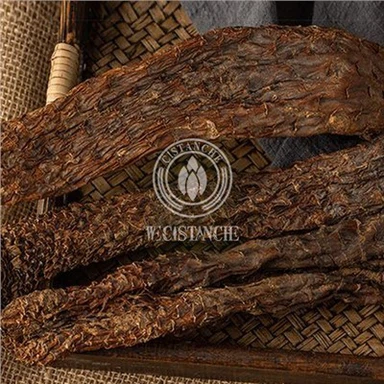
[0012] Preferably, Roucongrong is Cistanche tubulosa, Duzhong is salt-processed Eucommia ulmoides (salt Eucommia bark), and Gancao is honey-fried licorice (Zhi Gancao).
[0013] In TCM, diabetic ED falls under the category of "Xiaoke" with secondary "Yangwei," with the core pathogenesis of "root deficiency and branch excess." The root deficiency is mainly liver–kidney yin deficiency, which over time may impair kidney yang. The basic pathogenesis of diabetes ("Xiaoke") is depletion of yin fluids; chronic disease involves the kidney, leading to kidney essence deficiency and malnourishment of the zongjin (genital tendons). The branch excess is characterized primarily by liver qi stagnation and collateral obstruction by blood stasis. Emotional factors and long-term disease-related stress disrupt liver dredging and dispersion; meanwhile, diabetes with chronicity enters the collaterals-"yin deficiency with blood stasis"-resulting in microcirculatory disorders of blood vessels and nerves, structural damage to the basis of erectile function, and ultimately diabetic ED.
[0014] The formula of the present invention improves the complex pathological state of diabetic ED through multiple targets and pathways via the strategy of "soothing the liver, tonifying the kidney, activating blood, and unblocking the collaterals."
Formula Rationale and Mechanistic Considerations
I. Soothing the Liver and Relieving Depression; Regulating Qi Movement - Addressing the "Liver Stagnation" Branch
[0015] Psychological pressure and anxiety in diabetic patients are important factors aggravating ED. The liver governs dredging and dispersion and regulates qi movement and emotions, and the liver meridian encircles the genital region.
[0016] Chief herb group: Chaihu and Baishao
Chaihu soothes the liver and relieves depression, promoting free flow of liver qi; Baishao nourishes blood and softens the liver, relieving spasm and pain. One disperses and the other restrains; together they harmonize liver qi and alleviate emotional factors contributing to ED.
[0017] Mechanism: Modern studies suggest that soothing the liver and regulating qi may modulate autonomic nervous system function and relieve excessive smooth muscle tension, creating a favorable neural environment for erection.
II. Nourishing the Kidney and Replenishing Essence; Warming and Supporting Kidney Yang - Securing the "Kidney Deficiency" Root
[0018] The kidney stores essence and governs reproduction, opening to the two lower orifices. Kidney essence deficiency and kidney yang insufficiency are fundamental causes of weak erection.
[0019] Deputy herb group: Shudi, Shanyao, Shanzhuyu; plus Roucongrong and Duzhong
Shudi, Shanyao, and Shanzhuyu (the "three tonics") are core herbs of the classical formula Liuwei Dihuang Wan, greatly nourishing kidney, liver, and spleen yin. Their core role is to nourish the kidney and replenish essence, providing the material basis ("yin") for erection.
[0020] Roucongrong and Duzhong, on the basis of nourishing yin, warm and tonify kidney yang, strengthen the lower back and knees, and fortify tendons and bones. Roucongrong is moistening yet not drying; Duzhong tonifies liver and kidney and strengthens tendons and bones. Together, they warm and activate kidney yang to motivate the zongjin, serving as the dynamic source ("yang") for erection.
[0021] Mechanism: Kidney-tonifying herbs have been shown to modulate the hypothalamic–pituitary–gonadal axis, potentially improve testosterone levels, and enhance nitric oxide synthase (NOS) activity, promoting generation of nitric oxide (NO), a key mediator of erection.
III. Activating Blood, Removing Stasis, and Unblocking Collaterals to Promote Yang - Overcoming "Blood Stasis" Obstruction
[0022] This is the most targeted link in treating diabetic ED. Diabetes-induced endothelial injury, neuropathy, and microcirculatory dysfunction correspond in TCM to "chronic disease entering the collaterals" and "collateral obstruction by stasis." Without adequate blood perfusion to the zongjin (penis), erection cannot occur.
[0023] Assistant herb group: Wugong, Honghua, Danggui, Danpi
Wugong and Honghua activate blood and unblock collaterals. Wugong strongly unblocks collaterals with penetrating action, reaching the disease site to relieve deep collateral stasis; Honghua activates blood and unblocks channels, dispelling stasis and relieving pain, improving macrocirculation. Together, they are key to opening vascular and neural pathways.
[0024] Danggui and Danpi nourish and activate blood. Danggui tonifies and invigorates blood so that blood-activating action does not damage blood; Danpi clears heat, cools blood, and activates blood, while also moderating the potential dryness of warming-tonifying herbs.
[0025] Mechanism: Blood-activating and stasis-resolving herbs can significantly improve hemorheology, dilate blood vessels, inhibit platelet aggregation, and increase blood flow to the corpus cavernosum. In particular, studies indicate that Wugong may exhibit nerve growth factor-like effects, potentially helping repair diabetes-induced nerve injury.
IV. Strengthening the Spleen and Draining Dampness; Harmonizing the Formula - Supporting Overall Regulation
[0026] Diabetes ("Xiaoke") is closely related to spleen deficiency (impaired transformation and transportation of food and essence).
[0027] Assistant/Envoy group: Fuling and Zexie combined with Shanyao (also tonifies spleen)
These herbs strengthen the spleen and drain dampness, preventing cloying kidney-tonifying herbs (e.g., Shudi) from burdening the stomach, while promoting water metabolism and assisting the ascent of yang qi.
[0028] Gancao serves as the envoy herb to harmonize all ingredients, relieve urgency, and regulate the middle burner, enabling synergistic action without excessive bias.
[0029] Through "soothing the liver" to regulate the mind, "tonifying the kidney" to secure the root, and "activating blood" to unblock collaterals, the formula jointly acts on multiple pathological links of diabetic ED-psychological, endocrine, vascular, and neural-thereby realizing comprehensive treatment of this complex condition.
Applications
[0030] The present invention further provides the use of the above TCM composition in the preparation of a medicament for treating type 2 diabetic erectile dysfunction.
[0031] Preferably, the dosage form of the medicament is a decoction, granules, pills, powder, or paste.
Preparation Method for the Decoction
[0032] The present invention further provides a method for preparing a decoction for treating type 2 diabetic erectile dysfunction, comprising the following steps:
(1) Mix the TCM composition with water, soak for 8–12 h, then decoct and filter to separately collect the residue and filtrate 1;
(2) Mix the residue with water, decoct again and filter to collect filtrate 2;
(3) Combine filtrate 1 and filtrate 2 to obtain the final decoction.
[0033] Preferably, the mass-to-volume ratio of the TCM composition to water is 1 g : 15–20 mL, and the mass-to-volume ratio of the residue to water is 1 g : 8–12 mL.
[0034] Preferably, the decoction time is 20–30 min.
[0035] The present invention also provides the decoction prepared according to the above method.
Beneficial Effects
[0036] By adopting the above technical solution, the present invention has the following beneficial effects:
The composition of the present invention is composed of Chaihu, Baishao, Shudi, Shanyao, Shanzhuyu, Danpi, Fuling, Zexie, Roucongrong, Wugong, Honghua, Duzhong, Danggui, and Gancao. After administration of the TCM composition, the overall effective rate was 78.13%, which was significantly higher than that of the control group (28.13%) (p<0.05p<0.05p<0.05). In terms of the IIEF-5 score, the TCM treatment group differed significantly from the control group (p<0.05p<0.05p<0.05). In terms of TCM symptom scores, the two groups showed significant differences (p<0.05p<0.05p<0.05). For sexual confidence and sexual naturalness index scores, both groups increased after treatment, while the increase in the TCM treatment group was significantly greater than that in the control group. For time concern scores, both groups decreased, and the decrease in the TCM treatment group was significantly greater than that in the control group (p<0.05p<0.05p<0.05). Regarding the incidence of adverse drug reactions, there was no significant difference between the two groups (p>0.05p>0.05p>0.05). In summary, the TCM composition of the present invention not only significantly improves erectile dysfunction in type 2 diabetic patients with the pattern of liver–kidney deficiency and blood stasis, but also effectively improves patients' psychological status and interpersonal relationship status.
Detailed Embodiments
[0037] The technical solutions provided by the present invention are described in detail below in combination with embodiments; however, they shall not be construed as limiting the protection scope of the present invention.
Embodiment 1
[0038] A TCM composition for treating type 2 diabetic erectile dysfunction, comprising: Chaihu 8 g, Baishao 13 g, Shudi 18 g, Shanyao 13 g, Shanzhuyu 10 g, Danpi 5 g, Fuling 13 g, Zexie 10 g, Roucongrong 10 g, Wugong 1.5 g, Honghua 8 g, Duzhong 10 g, Danggui 8 g, and Gancao 5 g.
[0039] Preparation method of the decoction: mix the above composition with water at 1 g : 15 mL, decoct for 20 min, and separately collect the residue and filtrate 1; mix the residue with water at 1 g : 8 mL, decoct again for 20 min, filter to collect filtrate 2; combine filtrate 1 and filtrate 2 to obtain the decoction.
Embodiment 2
[0040] A TCM composition for treating type 2 diabetic erectile dysfunction, comprising: Chaihu 9 g, Baishao 15 g, Shudi 20 g, Shanyao 15 g, Shanzhuyu 12 g, Danpi 6 g, Fuling 15 g, Zexie 12 g, Roucongrong 12 g, Wugong 2 g, Honghua 9 g, Duzhong 2 g, Danggui 10 g, and Gancao 6 g.
[0041] Preparation method of the decoction: mix the above composition with water at 1 g : 18 mL, decoct for 25 min, and separately collect the residue and filtrate 1; mix the residue with water at 1 g : 10 mL, decoct again for 25 min, filter to collect filtrate 2; combine filtrate 1 and filtrate 2 to obtain the decoction.
Embodiment 3
[0042] A TCM composition for treating type 2 diabetic erectile dysfunction, comprising: Chaihu 10 g, Baishao 17 g, Shudi 22 g, Shanyao 17 g, Shanzhuyu 15 g, Danpi 7 g, Fuling 17 g, Zexie 15 g, Roucongrong 15 g, Wugong 2.5 g, Honghua 10 g, Duzhong 15 g, Danggui 12 g, and Gancao 7 g.
[0043] Preparation method of the decoction: mix the above composition with water at 1 g : 20 mL, decoct for 30 min, and separately collect the residue and filtrate 1; mix the residue with water at 1 g : 12 mL, decoct again for 30 min, filter to collect filtrate 2; combine filtrate 1 and filtrate 2 to obtain the decoction.
Experimental Example
1. General Information
[0044] From January 2024 to June 2025, 64 patients with type 2 diabetic erectile dysfunction (TCM pattern: liver–kidney deficiency with blood stasis) were selected from the Department of Endocrinology (Diabetes Department) and the Department of Traditional Chinese Medicine of Shanghai Minhang District Hospital of Integrated Traditional Chinese and Western Medicine. Using a random number table method, they were divided into a study group and a control group, with 32 cases in each group.
[0045] In the study group (32 cases), age was 30–59 years (47.6 ± 7.4); disease duration ranged from 3 months to 3 years (20.28 ± 10.03 months). In the control group (32 cases), age was 32–60 years (48.86 ± 7.74); disease duration ranged from 4 months to 3 years (20.66 ± 8.86 months). Baseline data comparisons between the two groups showed no statistically significant difference in age (p>0.05p>0.05p>0.05).
2. Diagnostic Criteria
[0046] 2.1 Western medicine diagnostic criteria:
A. Diabetes diagnosis: consistent with the American Diabetes Association (ADA) diagnostic and treatment standard (2024 edition), i.e., fasting plasma glucose (FPG) ≥ 7.0 mmol/L, random blood glucose ≥ 11.1 mmol/L with diabetic symptoms, and glycated hemoglobin (HbA1c) ≥ 6.5%, diagnosed as type 2 diabetes.
[0047] B. Sexual dysfunction symptoms (male): mainly referenced from the 2022 Chinese guidelines and expert consensus on diagnosis and treatment of andrological diseases. Defined as inability to continuously obtain and maintain sufficient penile erection for satisfactory sexual intercourse, with a course of more than 3 months. Evaluated by the International Index of Erectile Function questionnaire (IIEF-15) (≤ 21 points indicates ED).
[0048] 2.2 TCM syndrome differentiation criteria:
The syndrome criteria were mainly formulated based on TCM Surgery and Practical TCM Andrology. Conforming to the syndrome pattern of liver–kidney deficiency with blood stasis, manifested as penile flaccidity with inability to maintain firmness; soreness and weakness of the lower back and knees, fatigue and lassitude, cold limbs, low mood, dizziness and tinnitus, dark tongue, and thready-choppy or thready-wiry pulse, etc.
[0049] (1) Inclusion criteria: males aged 20–60 years; good cognitive function; no use of related medications within the past 1 week; having a stable sexual partner and a history of regular sexual activity; no sexually transmitted diseases or psychiatric system diseases; informed consent and willingness to participate and complete questionnaires.
[0050] (2) Exclusion and dropout criteria: no other endocrine diseases; no cardiovascular or cerebrovascular diseases; no infectious diseases; no malignancies. Poor compliance or inability to complete the observation period.
3. Treatment Methods
[0051] Both groups received diet and exercise intervention and intensified hypoglycemic therapy with metformin, with regular blood glucose monitoring and timely adjustment of treatment regimens to maintain HbA1c < 7%, fasting blood glucose 4.4–7.0 mmol/L, and random blood glucose < 10 mmol/L. The treatment group took the following formula, while the control group took an equal amount of deionized water.
[0052] Composition: Chaihu 9 g; Baishao 15 g; Shudi 20 g; Shanyao 15 g; Shanzhuyu 12 g; Danpi 6 g; Fuling 15 g; Zexie 12 g; Cistanche tubulosa 12 g; Wugong 2 g; Honghua 9 g; salt-processed Duzhong 12 g; Danggui 10 g; honey-fried Gancao 6 g. Decoction in water and take warm. One dose per day, divided into morning and evening administrations. Total treatment course: 1 month.
[0053] Erectile function scoring: evaluated based on IIEF-15 score. Categorized into cure, marked effect, effective, and ineffective. Specific criteria are shown in Table 1.
[0054] Table 1: IIEF-15 scoring criteria
[0055] Psychological and social interpersonal relationship assessment: changes in patients' psychological and social interpersonal relationships before and after treatment were evaluated using the SF-PAIRS scale, including sexual confidence (3 items, 12 points), sexual naturalness index (4 items, 16 points), and time concern (8 items, 32 points), totaling 15 items. Sexual confidence: higher scores indicate better confidence in penile erection and achieving satisfactory sexual life; sexual naturalness index: higher scores indicate a more natural and relaxed intimate process; time concern: higher scores indicate a stronger sense of urgency regarding sexual intercourse.
[0056] Incidence of adverse reactions: the number of cases with rash, gastrointestinal reactions, etc. in the treatment group were recorded.
[0057] Data were processed using SPSS 26. Measurement data were expressed as mean ± standard deviation (xˉ±s\bar{x} \pm sxˉ±s); t-test was used; count data were analyzed using chi-square (χ2\chi^2χ2) test; p<0.05p<0.05p<0.05 indicated statistically significant differences.
4. Results
[0058] (1) Clinical efficacy and IIEF-5 scores after treatment in both groups are shown in Table 2 and Table 3, respectively:
The overall effective rate of the control group was 28.13%. The chi-square test indicated that the difference in clinical efficacy between the two groups was statistically significant (p<0.05p<0.05p<0.05), as shown in Table 2. According to IIEF-5 scores, both groups showed improvement after treatment, and within-group comparisons before and after treatment showed significant differences (p<0.05p<0.05p<0.05). Moreover, the TCM treatment group scored significantly higher than the control group; t-test comparison between groups showed a statistically significant difference (p<0.05p<0.05p<0.05).
[0059] (2) TCM symptom scores before and after treatment in both groups are shown in Table 4:
[0060] As shown in Table 4, TCM symptom scores improved in both groups (p<0.05p<0.05p<0.05), and the TCM treatment group showed significantly better improvement than the control group, with a statistically significant difference between groups (p<0.05p<0.05p<0.05).
[0061] (3) SF-PAIRS scores before and after treatment in both groups are shown in Table 5:
Table 5: Comparison of SF-PAIRS scores (points, xˉ±s\bar{x} \pm sxˉ±s)
[0062] Note: Items marked with "a" indicate comparison with pre-treatment within the same group, p<0.05p<0.05p<0.05.
SF-PAIRS scores in Table 5 show that both groups increased in sexual confidence and sexual naturalness index after treatment, while time concern decreased compared with baseline. The TCM treatment group was significantly better than the control group in sexual confidence and sexual naturalness index, and showed lower time concern than the control group; differences in SF-PAIRS scores between the two groups were significant (p<0.05p<0.05p<0.05).
[0063] (4) Adverse reactions in the two groups:
Only 1 case of mild diarrhea occurred in the treatment group, with an adverse reaction rate of 3%; the difference was not statistically significant (p>0.05p>0.05p>0.05).
[0064] Based on the above embodiments, the present invention provides a traditional Chinese medicine composition for treating type 2 diabetic erectile dysfunction, and its preparation method and applications, demonstrating significant efficacy for treating type 2 diabetic erectile dysfunction.
[0065] The above are only preferred embodiments of the present invention. It should be noted that for those of ordinary skill in the art, various improvements and modifications may be made without departing from the principles of the present invention, and such improvements and modifications shall also fall within the protection scope of the present invention.