A Unique Acylated Flavonol Glycoside From Prunus Persica (L.) Var. Florida Prince: A New Solid Lipid Nanoparticle Cosmeceutical Formulation For Skincare Part 3
Apr 14, 2023
3.5.3. Estimation of Superoxide Dismutase (SOD)
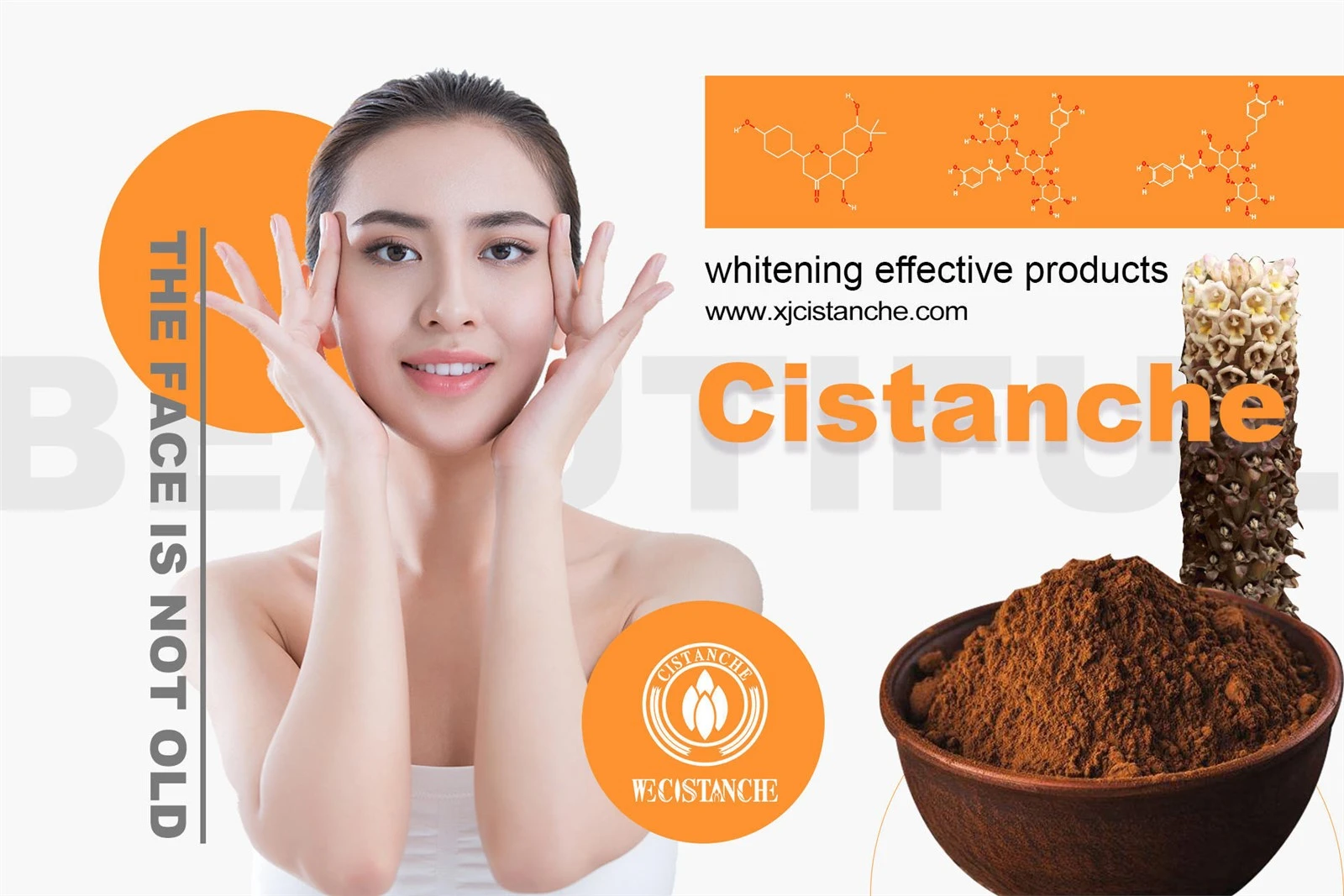
According to relevant studies,cistanche is a common herb that is known as "the miracle herb that prolongs life". Its main component is cistanoside, which has various effects such as antioxidant, anti-inflammatory, and immune function promotion. The mechanism between cistanche and skin whitening lies in the antioxidant effect of cistanche glycosides. Melanin in human skin is produced by the oxidation of tyrosine catalyzed by tyrosinase, and the oxidation reaction requires the participation of oxygen, so the oxygen-free radicals in the body become an important factor affecting melanin production. Cistanche contains cistanoside, which is an antioxidant and can reduce the generation of free radicals in the body, thus inhibiting melanin production.
Click on Cistanche Tubulosa for Whitening
For more info:
david.deng@wecistanche.com WhatApp:86 13632399501
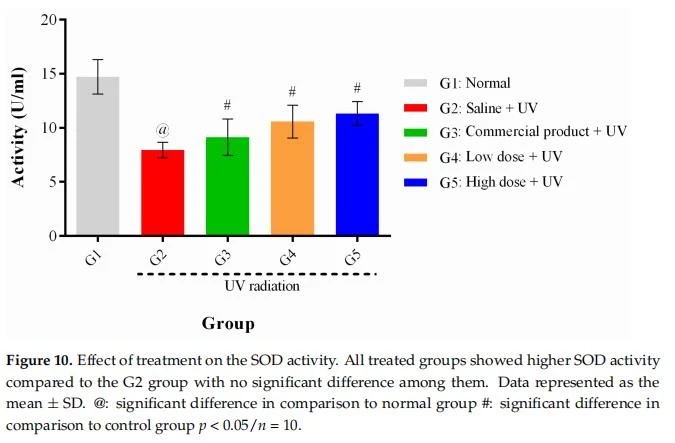
To investigate the protective effects of PPEE-SLNs cream formulations on SOD activity, the SOD activity values of the normal (G1) and treatment groups (G3–G5) were compared with that of G2 (control group). The normal level of SOD activity was measured as 14.71 ± 1.58 U/mL, 184.79% higher than that of the normal group (7.96 ± 0.72 U/mL), which means that the SOD activity of the normal group was decreased by UV irradiation. The SOD activities of G5, G4, and G3 were 142.21%, 132.78%, and 114.57%, respectively, of that of the normal group, indicating that SOD activity was protected by the PPEE-SLNs cream formulations. Although no statistical differences in SOD activity were found among the treatment groups (G3–G5), the protective effect of (G5 and G4) against SOD reduction by UV irradiation was superior to that of the commercial product (G3) (Figure 10).
4. Discussion
Skin diseases present a signifificant health concern worldwide. They vary greatly in symptoms and severity and can be temporary or chronic. Among the most common is acne, the most common chronic skin inflammation [51], and skin wrinkles directly linked to ECM degradation and skin pigmentation. Although these diseases’ pathology involves many factors, several studies indicate that oxidative stress is one of their major factors [52]. Oxidative stress can initiate inflammation and cause damage to cellular structures. However, it should be noted that in acne, oxidative stress may not be the sole cause. Bacterial infection and colonization play an additional signifificant role in its pathogenesis through lipid peroxidation [53]. This highlights oxidative stress as a potential target for skin disease treatment by administrating both, local and systemic antioxidants.
One of the most important phytoconstituents in medicinal plants is polyphenols, in particular flavonoids. Flavonoids are a class of plant secondary metabolites with great cosmetic potential due to their excellent antioxidant, anti-inflammatory and antibacterial activities [54]. In addition, flavonoids have been suggested in treating the signs of aging by different mechanisms including their antioxidant properties by free radical scavenging and metal chelation with metalloenzymes providing antiprotease activities [55], sunscreen effect, and restoration of UV-induced DNA damage [56]. Genistein, myricetin, apigenin which are present in many fruits, herbs, and vegetables, proanthocyanidins, from grapes seeds, quercetin, and kaempferol in green tea have been reported to attenuate side effects caused by UV radiation [56–58]. Catechin, hesperidin, myricetin, rutin, and quercetin have antioxidant and antiprotease activity that is beneficial in preventing skin aging [57].
Egypt occupies the tenth position globally in the production of peaches and nectarines, producing about 358,012 tons in 2019 [59]. Prunus persica (L.) var. Florida Prince is one of the most common peach varieties cultivated widely in Egypt. A previous study on other varieties of PP leaves by-products presents its use in food products, nutraceutical supplements, and as a cosmetic ingredient and emphasizes its high flavonoid content [33]. On the other hand, given the cosmetic potential found in flavonoids and the reported potent antioxidant activities of PP leaves due to their high flavonoid content. Hence, PP leaves have been chosen to evaluate their anti-wrinkle and skin-whitening cosmetic potential as agricultural by-products. No previous studies were reported on the in-vitro antioxidants and skin-related enzymes’ activities of PPEE and to date, no anti-aging skincare preparations based on leaves by-products of PP var. Florida Prince using loaded SLNs exist to our knowledge.

In the present study, phenolic profiling of PPEE resulted in the isolation of an acylated flavonol glycoside with a rare structure, kaempferol 3-O-β- 4C1-(600 -O-3,4- dihydroxyphenylacetyl glucopyranoside) KDPAG with high total phenolic and flavonoids content. There have been several studies proving that leaf extracts have a higher concentration of phenolic compounds than other parts of the same plant [14]. The in-vitro cytotoxicity evaluation showed the non-toxicity of PPEE, and PPEE-SLNs due to the high percentage of cell viability. Extract-free-SLNs showed the highest percentage of cell viability as SLNs are composed of physiologically biocompatible and biodegradable lipids similar to lipid molecules of skin and thus, are safe carriers with high occlusion effect achieved without the use of paraffin and other greasy oils [60].
Powerful antioxidant properties of polyphenols were noted due to their redox activity, allowing them to serve as hydrogen donors, free radicals scavenging as well as their capacity to chelate metals [55]. Therefore, many methods were used to estimate the antioxidant properties in this study. Signifificant antioxidant capacities of PPEE against DPPH, ABTS, and β-carotene assays compared to their respective standards. Potent antioxidant activities were shown by KDPAG using the same assays. β-carotene assay on PP leaves was the first to be reported. Many studies reported that the β-carotene bleaching activity is linked to flavonoids which can inhibit the oxidation of linoleic acid and the formation of hydroperoxides [14]. Acylated flavonoids, the class of KDPAG have been previously reported to have strong antioxidant activities [36]. Generally, antioxidant values were found to be higher than the ones reported in the literature. Differences between used extraction protocols can explain this point. This study was carried out using an ethanol extract of PP leaves wherein cited papers, extraction was done using acetone or methanol [20,61].
In the literature, TPC and TFC were significantly correlated with the antioxidant activity of PPEE confirming that polyphenols present in PPEE were a potent antioxidative agent and that the radical scavenging activity of PPEE is highly dependent on the flavonoid content, mainly flavonols in the extract which is the core of the new isolate. TPC (p < 0.001) (r = 0.93, 0.96, 0.95, for DPPH, ABTS, β-carotene bleaching test, respectively) and TFC (p < 0.001) (r = 0.98, 0.99, 0.98, for DPPH, ABTS, β-carotene bleaching test, respectively). The results were in line with previous studies [20].
Collagenase, elastase, and tyrosinase are crucial enzymes involved in skin aging. Inhibiting the three enzymes will increase the strength of the skin, improve elasticity, avoid the development of dark spots, and thereby prevent the formation of wrinkles. The inhibitory effect of enzymes is either due to the active principle or the synergistic effect of different components in PPEE. The in-vitro findings of enzymatic inhibition showed that PPEE, PPEE-SLNs, and KDPAG possessed promising anti-aging and skin whitening activity, with regards to inhibition of elastase, collagenase, and tyrosinase enzymes, and all were first to be reported. It was reported that PP fruit, seed, flower, and other species showed inhibition of elastase, collagenase, and tyrosinase [28,30–32]. Besides, anti-tyrosinase activity has been reported for acylated flavonoids, the class KDPAG [62].

In this study, the anti-collagenase activity may be due to the interaction of polyphenol hydroxyl groups with the backbone or other functional group side chains of collagenase or the hydrophobic interaction between the benzene ring of polyphenol and collagenase. These interactions result in conformational changes in the enzyme [63]. Moreover, flavonoids, the class of the newly isolated compound are known to be metal chelators by their 3-hydroxy flavone structure and bind to a Zn ion in the collagenase active site [64]. Also, the anti-tyrosinase activity can be explained by the binding of the hydroxyl groups of polyphenols through hydrogen bonding at the active site of the tyrosinase enzyme, leading to its inhibition [65]. Regarding elastase, hydroxyl groups of polyphenol and flavonoids forming bonds with the serine carboxyl groups at the elastase active site results in a non-functional enzyme [66]. In general, flavonoid-metal complexes with metalloenzymes have shown the potential to be SOD mimetics [67]. Chrysin, naringin, quercetin, and kaempferol, the core of KDPAG showed tyrosinase inhibitory effects [68]. Flavonols, the class of our new isolate, kaempferol, quercetin, and myricetin were reported to possess anti-elastase and anti-collagenase activity [67,69]. Also, a previous study showed that flavonols are stronger inhibitors of collagenase than flavones and isoflavones, indicating that the C-3-hydroxyl group is critical for a higher inhibitory activity [69].
In-vivo anti-wrinkle activities of topically applied PPEE-SLNs (2% and 5%) were evaluated against UV-induced photoaging in a mice model using a wrinkle scoring method, tissue biomarkers (SOD), and histopathology. Either high or low dose PPEE-SLNs cream improves the appearance of wrinkles, decreased the thickness of the dermis and epidermis, increases collagen content, and prevents degradation of elastic fibers offering a highly signifificant protective effect against UV. Besides, the elevation of the detected antioxidant activity reflects the ability of PPEE-SLNs cream to significantly elevate SOD which goes on the same line with different studies that suggested the same protection against UV radiation [3]. PP leaves by-products are a potent natural antioxidant for combating skin aging.
Besides, depending on polyphenols’ mentioned properties constituting the main potential mechanisms of action against various skin disorders. Considering the increased bacterial resistance during the treatment of some skin disorders such as acne, plants’ phytoconstituents with high antioxidant and antimicrobial activity can increasingly be used as cosmetics therapeutics ingredients [51,71]. In this context, phenolic compounds and other antioxidants in PPEE leaves are valuable therapeutic ingredients with antioxidant and antimicrobial properties in preparations applied to the skin.
5. Conclusions

References
1. Jiratchayamaethasakul, C.; Ding, Y.; Hwang, O.; Im, S.-T.; Jang, Y.; Myung, S.-W.; Lee, J.M.; Kim, H.-S.; Ko, S.-C.; Lee, S.-H. In vitro screening of elastase, collagenase, hyaluronidase, and tyrosinase inhibitory and antioxidant activities of 22 halophyte plant extracts for novel cosmeceuticals. Fish. Aquat. Sci. 2020, 23, 1–9.
2. Farage, M.A.; Miller, K.W.; Elsner, P.; Maibach, H.I. Intrinsic and extrinsic factors in skin aging: A review. Int. J. Cosmet. Sci. 2008, 30, 87–95.
3. Hwang, I.S.; Kim, J.E.; Choi, S.I.; Lee, H.R.; Lee, Y.J.; Jang, M.J.; Son, H.J.; Lee, H.S.; Oh, C.H.; Kim, B.H. UV radiation-induced skin aging in hairless mice is effectively prevented by oral intake of sea buckthorn (Hippophae rhamnoides L.) fruit blend for 6 weeks through MMP suppression and increase of SOD activity. Int. J. Mol. Med. 2012, 30, 392–400.
4. Garg, C. Molecular mechanisms of skin photoaging and plant inhibitors. Int. J. Green Pharm. 2017, 11, 3268.
5. Kang, M.; Park, S.-H.; Oh, S.W.; Lee, S.E.; Yoo, J.A.; Nho, Y.H.; Lee, S.; Han, B.S.; Cho, J.Y.; Lee, J. Anti-melanogenic effects of resorcinol are mediated by suppression of cAMP signaling and activation of p38 MAPK signaling. Biosci. Biotechnol. Biochem. 2018, 82, 1188–1196.
6. Ndlovu, G.; Fouche, G.; Tselanyane, M.; Cordier, W.; Steenkamp, V. In vitro determination of the anti-aging potential of four southern African medicinal plants. BMC Complement. Altern. Med. 2013, 13, 1–7.
7. Desmiaty, Y.; Saputri, F.C.; Hanafifi, M.; Prastiwi, R.; Elya, B. Anti-elastase, anti-tyrosinase and anti-oxidant of Rubus fraxinifolius Stem Methanolic Extract. Pharmacogn. J. 2020, 12, 271–275.
8. Rasul, A.; Akhtar, N. Formulation and in vivo evaluation for anti-aging effects of an emulsion containing basil extract using non-invasive biophysical techniques. DARU J. Fac. Pharm. Tehran Univ. Med. Sci. 2011, 19, 344.
9. Salavkar, S.M.; Tamanekar, R.A.; Athawale, R.B. Antioxidants in skin aging—Future of dermatology. Int. J. Green Pharm. 2011, 5, 161–168.
10. Działo, M.; Mierziak, J.; Korzun, U.; Preisner, M.; Szopa, J.; Kulma, A. The potential of plant phenolics in prevention and therapy of skin disorders. Int. J. Mol. Sci. 2016, 17, 160.
11. Choubey, A.; Gilhotra, R.; Singh, S.K.; Garg, G. Formulation and characterization of nanomedicine (solid lipid nanoparticle) associated with the extract of Pterospermum acerifolium for the screening of neurochemicals and neuroendocrine effects. Asian J. Neurosurg. 2017, 12, 613.
12. Vaugban, J.G.; Geissler, C.A. The New Oxford Book of Food Plants, 2nd ed.; Oxford University Press: New York, NY, USA, 1999; pp. 172–179.
13. Nowicka, P.; Wojdyło, A. Anti-hyperglycemic and anticholinergic effects of natural antioxidant contents in edible followers. Antioxidants 2019, 8, 308.
14. Soulef, S.; Seddik, K.; Nozha, M.; Smain, A.; Saliha, D.; Hosni, K. Phytochemical screening and in vivo and in vitro, evaluation antioxidant capacity of Fargaria ananassa, Prunus armeniaca, and Prunus persica fruits growing in Algeria. Prog. Nutr. 2020, 22, 236–252.
15. Stierlin, E.; Azoulay, S.; Massi, L.; Fernandez, X.; Michel, T. Cosmetic potentials of Prunus domestica L. leaves. J. Sci. Food Agric. 2018, 98, 726–736.
16. Mabberley, D.J. The Plant-Book: A Portable Dictionary of the Vascular Plants; Cambridge University Press: Cambridge, MA, USA, 1997; ISBN 0521414210.
17. Benmehdi, H.; Fellah, K.; Amrouche, A.; Memmou, F.; Malainine, H.; Dalile, H.; Siata, W. Phytochemical study, antioxidant activity and kinetic behavior of flavonoids fractions isolated from Prunus persica L. Leaves. Asian J. Chem. 2017, 29, 13.
18. Gilani, A.H.; Aziz, N.; Ali, S.M.; Saeed, M. Pharmacological basis for the use of peach leaves in constipation. J. Ethnopharmacol. 2000, 73, 87–93.
19. Sharma, G.; Kumar, S.; Sharma, M.; Upadhyay, N.; Ahmed, Z.; Mahindroo, N. Anti-diabetic, the anti-oxidant and anti-adipogenic potential of quercetin rich ethyl acetate fraction of Prunus persica. Pharmacogn. J. 2018, 10, 76.
20. Mokrani, A.; Cluzet, S.; Madani, K.; Pakina, E.; Gadzhikurbanov, A.; Mesnil, M.; Monvoisin, A.; Richard, T. HPLC-DAD-MS/MS profiling of phenolics from different varieties of peach leaves and evaluation of their antioxidant activity: A comparative study. Int. J. Mass Spectrom. 2019, 445, 116192.
21. Koyu, H.; Kazan, A.; Nalbantsoy, A.; Yalcin, H.T.; Yesil-Celiktas, O. Cytotoxic, antimicrobial and nitric oxide inhibitory activities of supercritical carbon dioxide extracted Prunus persica leaves. Mol. Biol. Rep. 2020, 47, 569–581.
22. Bhattacharjee, C.; Gupta, D.; Deb, L.; Debnath, S.; Dutta, A.S. Effect of leaves extract of Prunus persica Linn on acute inflammation in rats. Res. J. Pharmacogn. Phytochem. 2011, 3, 38–40.
23. Kwak, C.S.; Yang, J.; Shin, C.-Y.; Chung, J.H. Topical or oral treatment of peach flower extract attenuates UV-induced epidermal thickening, matrix metalloproteinase-13 expression, and pro-inflammatory cytokine production in hairless mice skin. Nutr. Res. Pract. 2018, 12, 29.
24. Raturi, R.; Sati, S.C.; Badoni, P.P.; Singh, H.; Sati, M.D. Chemical constituents of Prunus persica stem bark. J. Sci. Res. 2012, 4, 769–774.
25. Backheet, E.Y.; Farag, S.F.; Ahmed, A.S.; Sayed, H.M. Flavonoids and cyanogenic glycosides from the leaves and stem bark of Prunus persica (L.) Batsch (Meet Ghamr) peach local cultivar in the Assiut region. Bull. Pharm. Sci. Assiut 2003, 26, 55–66.
26. Upyr, T.V.; Jelev, I.S.; Lenchyk, L.V.; Komisarenko, M.A.; Abderrahim, A.; Poghosyan, O.G.; Dimova, G.I.; Yeromina, H.O. Study of Biologically Active Compounds in Prunus persica Leaves Extract. Res. J. Pharm. Technol. 2019, 12, 3273. [CrossRef]
27. Hwang, D.; Kim, H.; Shin, H.; Jeong, H.; Kim, J.; Kim, D. Cosmetic effects of Prunus padus bark extract. Korean J. Chem. Eng. 2014, 31, 2280–2285.
28. Sachdeva, M.K.; Katyal, T. Abatement of detrimental effects of photoaging by Prunus amygdalus skin extract. Int. J. Curr. Pharm. Res. 2011, 3, 57–59.
29. Sile, I.; Videja, M.; Makrecka-Kuka, M.; Tirzite, D.; Pajuste, K.; Shubin, K.; Krizhanovska, V.; Grinberga, S.; Pugovics, O.; Dambrova, M. Chemical composition of Prunus padus L. flower extract and its anti-inflammatory activities in primary bone marrow-derived macrophages. J. Ethnopharmacol. 2020, 268, 113678.
30. Han, S.; Park, K.-K.; Chung, W.-Y.; Lee, S.K.; Kim, J.; Hwang, J.-K. Anti-photoaging effects of 2-methoxy-5-(2-methyl propyl) pyrazine isolated from peach (Prunus persica (L.) Batsch). Food Sci. Biotechnol. 2010, 19, 1667–1671.
31. Lee, J.-Y.; An, B.-J. Whitening and anti-wrinkle effects of Prunus persica Flos. J. Appl. Biol. Chem. 2010, 53, 154–161.
32. Kim, D.-M.; Kim, K.-H.; Kim, Y.-S.; Koh, J.-H.; Lee, K.-H.; Yook, H.-S. A study on the development of cosmetic materials using unripe peach seed extracts. J. Korean Soc. Food Sci. Nutr. 2012, 41, 110–115.
33. Maatallah, S.; Dabbou, S.; Castagna, A.; Guizani, M.; Hajlaoui, H.; Ranieri, A.M.; Flamini, G. Prunus persica by-products: A source of minerals, phenols, and volatile compounds. Sci. Hortic. 2020, 261, 109016.
34. de Vargas, E.F.; Jablonski, A.; Flôres, S.H.; de Rios, A.O. Waste from peach (Prunus persica) processing used for the optimization of carotenoids ethanolic extraction. Int. J. Food Sci. Technol. 2017, 52, 757–762.
35. Ordoudi, S.A.; Bakirtzi, C.; Tsimidou, M.Z. The potential of tree fruit stone and seed wastes in Greece as sources of bioactive ingredients. Recycling 2018, 3, 9.
36. Mostafa, E.S.; Nawwar, M.A.M.; Mostafa, D.A.; Ragab, M.F.; Swilam, N. Karafsin, a unique mono-acylated flavonoid apiofurnoside from the leaves of Apium graveolens var. secalinum Alef: In vitro and in vivo anti-inflammatory assessment. Ind. Crops Prod. 2020, 158, 112901.
37. Li, H.-B.; Cheng, K.-W.; Wong, C.-C.; Fan, K.-W.; Chen, F.; Jiang, Y. Evaluation of antioxidant capacity and total phenolic content of different fractions of selected microalgae. Food Chem. 2007, 102, 771–776.
38. Bahorun, T.; Gressier, B.; Trotin, F.; Brunet, C.; Dine, T.; Luyckx, M.; Vasseur, J.; Cazin, M.; Cazin, J.C.; Pinkas, M. Oxygen species scavenging activity of phenolic extracts from hawthorn fresh plant organs and pharmaceutical preparations. Arzneimi Telforschung 1996, 46, 1086–1089.
39. Yardpiroon, B.; Aphidech, S.; Prasong, S. Phytochemical and biological activities of the wild grape fruit extracts using different solvents. J. Pharm. Res. Int. 2014, 4, 23–36.
40. Re, R.; Pellegrini, N.; Proteggente, A.; Pannala, A.; Yang, M.; Rice-Evans, C. Antioxidant activity applying an improved ABTS radical cation decolorization assay. Free Radic. Biol. Med. 1999, 26, 1231–1237.
41. Mostafa, E.; Fayed, M.A.A.; Radwan, R.A.; Bakr, R.O. Centaurea pumilio L. extract and nanoparticles: A candidate for healthy skin. Colloids Surf. B Biointerfaces 2019, 182, 110350.
42. Mahawar, V.; Patidar, K.; Joshi, N. Development and evaluation of an herbal antiaging cream formulation containing Annona squamosa leaf extract. Asian J. Pharm. Clin. Res. 2019, 12, 210–214.
43. Matangi, S.P.; Mamidi, S.A.; Raghavamma, S.T.V.; Nadendla, R.R. Formulation and evaluation of anti aging poly herbal cream. Skin 2014, 5, 6.
44. Sekar, M.; Sivalinggam, P.; Mahmad, A. Formulation and evaluation of novel antiaging cream containing rambutan fruits extract. Int. J. Pharm. Sci. Res. 2017, 8, 1056.
45. Bissett, D.; Hannonand, D.; Orr, T. An animal model of solar-aged skin: Histological, physical, and visible changes in UV-irradiated hairless mouse skin. Photochem. Photobiol. 1987, 46, 367–378.
46. Elder, D.; Elenistas, R.; Jaworsky, C.; Johnson, B. Lever’s Histopathology of the Skin, 8th ed.; Lippincott-Williams and Wilkins: Philadelphia, PA, USA, 1997.
47. Ukeda, H.; Maeda, S.; Ishii, T.; Sawamura, M. Spectrophotometric assay for superoxide dismutase based on tetrazolium salt 30 -{1- [(phenylamino)-carbonyl]-3, 4-tetrazolium}-bis (4-methoxy-6-nitro) benzenesulfonic acid hydrate reduction by xanthine–xanthine oxidase. Anal. Biochem. 1997, 251, 206–209.
48. Nawwar, M.; Ayoub, N.; El-Raey, M.; Zaghloul, S.; Hashem, A.; Mostafa, E.; Eldahshan, O.; Lindequist, U.; Linscheid, M.W. Acylated flavonol diglucosides from Ammania auriculata. Z. Nat. C 2015, 70, 39–43.
49. Fellah, K.; Amrouche, A.; Benmehdi, H.; Memmou, F. Phenolic profile, antioxidants and kinetic properties of flavonoids and Tannins Fractions isolated from Prunus persica L. leaves growing in Southwest Algeria. Res. J. Pharm. Technol. 2019, 12, 4365–4372.
50. Loizzo, M.R.; Pugliese, A.; Bonesi, M.; Menichini, F.; Tundis, R. Evaluation of chemical profile and antioxidant activity of twenty cultivars from Capsicum annuum, Capsicum baccatum, Capsicum chacoense, and Capsicum chinense: A comparison between fresh and processed peppers. LWT Food Sci. Technol. 2015, 64, 623–631.
51. Sun, P.; Zhao, L.; Zhang, N.; Wang, C.; Wu, W.; Mehmood, A.; Zhang, L.; Ji, B.; Zhou, F. Essential oil and juice from bergamot and sweet orange improve Acne vulgaris caused by excessive androgen secretion. Mediat. Inflamm. 2020.
52. Sarici, G.; Cinar, S.; Armutcu, F.; Altinyazar, C.; Koca, R.; Tekin, N.S. Oxidative stress in acne vulgaris. J. Eur. Acad. Dermatol. Venereol. 2010, 24, 763–767.
53. Veerasophon, J.; Sripalakit, P.; Saraphanchotiwitthaya, A. Formulation of anti-acne concealer containing cinnamon oil with antimicrobial activity against Propionibacterium acnes. J. Adv. Pharm. Technol. Res. 2020, 11, 53–58.
54. Isaac, V.L.B.; Chiari, B.G.; Miglioli, K.; Moreira, R.; Oliveira, J.R.S.; Salgado, H.; Relkin, P.; Correa, M.A.; Salgado, A.; Ribeiro, H.M. Development of a topical formulation containing S. Lutea extract: Stability, in vitro studies and cutaneous permeation. J. Appl. Pharm. Sci. 2012, 23, 174–179.
55. Girsang, E.; Lister, I.N.E.; Ginting, C.N.; Sholihah, I.A.; Raif, M.A.; Kurniadi, S.; Million, H.; Widowati, W. Antioxidant and antiaging activity of rutin and caffeic acid. Pharmaciana 2020, 10, 147–156.
56. Pimple, B.P.; Badole, S.L. Polyphenols: A remedy for skin wrinkles. In Polyphenols in Human Health and Disease. Academic Press: Cambridge, MA, USA, 2013; Volume 1, pp. 861–869. ISBN 9780123984562.
57. Binic, I.; Lazarevic, V.; Ljubenovic, M.; Mojsa, J.; Sokolovic, D. Skin aging: Natural weapons and strategies. Evid. Based Complement. Altern. Med. 2013, 2013, 827248.
58. Geeta, G.; Widodo, W.S.; Widowati, W.; Ginting, C.N.; Lister, I.N.E.; Armansyah, A.; Girsang, E. Comparison of antioxidant and anti-collagenase activity of genistein and epicatechin. Pharm. Sci. Res. 2019, 6, 111–117.
59. FAO. FAOSTAT Statistical Database; FAO: Rome, Italy, 2019.
60. Montoto, S.S.; Muraca, G.; Ruiz, M.E. Solid lipid nanoparticles for drug delivery: Pharmacological and biopharmaceutical aspects. Front. Mol. Biosci. 2020, 7, 587997.
61. Deb, L.; Tripathi, A.; Bhowmik, D.; Dutta, A.S.; Sampath, K.K.P. No title anti-inflammatory activity of n-butanol fraction of Prunus persica L. aqueous extract. Pharm. Res. 2010, 4, 74–78.
62. Bendaikha, S.; Gadaut, M.; Harakat, D.; Magid, A. Acylated flavonol glycosides from the FL flower of Elaeagnus angustifolia L. Phytochemistry 2014, 103, 129–136.
63. Madhan, B.; Krishnamoorthy, G.; Rao, J.R.; Nair, B.U. Role of green tea polyphenols in the inhibition of collagenolytic activity by collagenase. Int. J. Biol. Macromol. 2007, 41, 16–22.
64. Malešev, D.; Kunti´c, V. Investigation of metal-flavonoid chelates and the determination of flavonoids via metal-flavonoid complexing reactions. J. Serb. Chem. Soc. 2007, 72, 921–939.
65. Baek, H.-S.; Rho, H.-S.; Yoo, J.-W.; Ahn, S.-M.; Lee, J.-Y.; Lee, J.-A.; Kim, M.-K.; Kim, D.-H.; Chang, I.-S. The inhibitory effect of new hydroxamic acid derivatives on melanogenesis. Bull. Korean Chem. Soc. 2008, 29, 43–46.
66. Iván, G.; Szabadka, Z.; Ördög, R.; Grolmusz, V.; Naray-Szabo, G. Four spatial points that define enzyme families. Biochem. Biophys. Res. Commun. 2009, 383, 417–420.
67. Pientaweeratch, S.; Panapisal, V.; Tansirikongkol, A. Antioxidant, anti-collagenase and anti-elastase activities of Phyllanthus emblica, Manilkara zapota, and silymarin: An in vitro comparative study for anti-aging applications. Pharm. Biol. 2016, 54, 1865–1872.
68. Farasat, A.; Ghorbani, M.; Gheibi, N.; Shariatifar, H. In silico assessment of the inhibitory effect of four flavonoids (Chrysin, Naringin, Quercetin, Kaempferol) on tyrosinase activity using the MD simulation approach. BioTechnologia 2020, 101, 193–204.
69. Sin, B.Y.; Kim, H.P. Inhibition of collagenase by naturally-occurring flavonoids. Arch. Pharm. Res. 2005, 28, 1152–1155.
70. Yang, S.; Liu, L.; Han, J.; Tang, Y. Encapsulating plant ingredients for dermo-cosmetic application: An updated review of delivery systems and characterization techniques. Int. J. Cosmet. Sci. 2020, 42, 16–28.
71. Mazzarello, V.; Gavini, E.; Rassu, G.; Donadu, M.G.; Usai, D.; Piu, G.; Pomponi, V.; Sucato, F.; Zanetti, S.; Montesu, M.A. Clinical assessment of new topical cream containing two essential oils combined with tretinoin in the treatment of acne. Clin. Cosmet. Investig. Dermatol. 2020, 13, 233–239.
For more info: david.deng@wecistanche.com WhatApp:86 13632399501