After AKI Occurs, When Should SGLT-2i Therapy Be Restarted?
May 10, 2024
This is a retrospective study designed to evaluate the impact of SGLT-2i on patient prognosis after the occurrence of AKI. Data provided by the U.S. Department of Veterans Affairs. Briefly, the patients in this study were all U.S. veterans who had experienced AKI and had been receiving SGLT-2i therapy for more than 6 months before the occurrence of AKI. The criteria for determining AKI are based on the definitions in assessment-AKI and other studies, that is, if serum creatinine exceeds the baseline concentration by ≥50%, it is determined to be AKI. In addition, all patients were asked to have their proteinuria levels measured, including urinary protein to creatinine ratio (UPCR) and urinary albumin to creatinine ratio (UACR).

Click to Cistanche for kidney disease
The study was divided into 2 major groups, namely whether restarting after AKI was divided into restarting group and non-restarting group. At the same time, the study also divided the two large groups into four groups. Specifically, according to the timing of restart, they were divided into restart after AKI proteinuria recovered and restart before recovery. Correspondingly, the non-restart group will also be divided into patients with AKI proteinuria recovery and patients without recovery.
The primary endpoints of the study were all-cause mortality and survival.
Research result
A total of 21,330 patients were included in the study, with a median follow-up of 771 days, and 7,798 (37%) patients died. There were 6562 patients in the restart group, and after a median follow-up of 971 days, 850 patients (13%) died. There were 14,768 patients in the non-restart group, and after a median follow-up of 676 days, 6,948 (47%) patients died.
At baseline, compared with the non-restart group, patients in the restart group were younger by about 2 years (P<0.001), had higher baseline hemoglobin (8.1% vs 7.7%; P<0.001), and more patients developed heart failure. (54% vs 43%; P<0.001), the AKI stage was lower (P<0.001), and there were certain differences between the two groups in race and ethnic composition (mainly the proportion of Hispanics and the same proportion of Asians), but In eGFR and other aspects, there were no significant differences between the two groups.

In the univariate model, the mortality rate in the restart group was significantly lower than that in the non-restart group (HR = 0.60; 95% CI, 0.56 to 0.64; Figures 1 and 2). In the multivariable model, the mortality rate in the restart group was still lower than that in the non-restart group (HR = 0.63; 95% CI, 0.58~0.68).
It is worth noting that whether AKI recovers or not does not affect the efficacy of SGLT-2i. Compared with patients who did not take SGLT-2i and did not recover from AKI (Figure 3 red line), patients who restarted SGLT-2i therapy after recovery from AKI had significantly lower mortality (Figure 3 yellow line, aHR=0.60; 95% CI, 0.54 ~0.67), and the mortality rate in patients who restarted SGLT-2i therapy after unrecovered AKI was also significantly lower.
research discussion
This study shows that for patients who have previously used SGLT-2i, restarting SGLT-2i as soon as possible after the occurrence of AKI is a treatment option that can significantly reduce patient mortality. Previous studies have shown that the use of SGLT-2i during AKI hospitalization is associated with increased short-term mortality, but there are certain confounding factors. In fact, it is reasonable that various confounding factors exist in patients with severe disease. Therefore, in order to avoid confounding factors in the short term, the researchers believe that the follow-up period should be increased to determine the impact of long-term SGLT-2i on the risk of death in AKI patients.
Previous studies have also found that SGLT-2i can reduce the risk of CKD progression and the recurrence of AKI. However, these studies excluded patients with recent AKI or a substantial decrease in estimated glomerular filtration rate (eGFR), and only included patients with stable eGFR. of patients. This only shows that in patients with CKD or in patients who have not recently experienced a significant decline in renal function, the use of SGLT-2i may be beneficial. However, there is no strong guiding significance for AKI patients who have just been discharged from the hospital or in the ICU. Therefore, the findings of this study support that SGLT-2i therapy should be restarted after recovery from AKI, even if the patient has abnormal proteinuria levels.

However, the proportion of women and Asians in this data sample is small, and similar studies may be conducted in my country to determine the timing of starting SGLT-2i in Chinese patients.
In conclusion, this study suggests that restarting SGLT-2i therapy earlier after the onset and recovery of AKI can reduce all-cause mortality in patients.
How Does Cistanche Treat Kidney Disease?
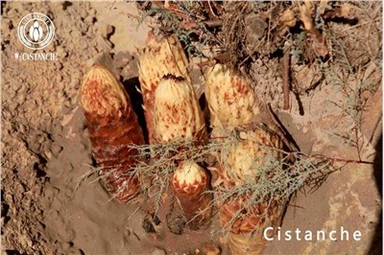
Cistanche is a traditional Chinese herbal medicine used for centuries to treat various health conditions, including kidney disease. It is derived from the dried stems of Cistanche deserticola, a plant native to the deserts of China and Mongolia. The main active components of cistanche are phenylethanoid glycosides, echinacoside, and acteoside, which have been found to have beneficial effects on kidney health.
Kidney disease, also known as renal disease, refers to a condition in which the kidneys are not functioning properly. This can result in a buildup of waste products and toxins in the body, leading to various symptoms and complications. Cistanche may help treat kidney disease ase through several mechanisms.
Firstly, cistanche has been found to have diuretic properties, meaning it can increase urine production and help eliminate waste products from the body. This can help relieve the burden on the kidneys and prevent the buildup of toxins. By promoting diuresis, cistanche may also help Reduce high blood pressure, a common complication of kidney disease.
Moreover, cistanche has been shown to have antioxidant effects. Oxidative stress, caused by an imbalance between the production of free radicals and the body's antioxidant defenses, plays a key role in the progression of kidney disease. ies help neutralize free radicals and reduce Oxidative stress, thereby protecting the kidneys from damage. The phenylethanoid glycosides found in cistanche have been particularly effective in scavenging free radicals and inhibiting lipid peroxidation.
Additionally, cistanche has been found to have anti-inflammatory effects. Inflammation is another key factor in the development and progression of kidney disease. Cistanche's anti-inflammatory properties help reduce the production of pro-inflammatory cytokines and inhibit the activation of inflammation mandatory pathways, thus alleviating inflammation in the kidneys.
Furthermore, cistanche has been shown to have immunomodulatory effects. In kidney disease, the immune system can be dysregulated, leading to excessive inflammation and tissue damage. Cistanche helps regulate the immune response by modulating the production and activity of immune cells, such as T cells and macrophages. This immune regulation helps reduce inflammation and prevent further damage to the kidneys.

Moreover, cistanche has been found to improve renal function by promoting the regeneration of renal tubes with cells. Renal tubular epithelial cells play a crucial role in the filtration and reabsorption of waste products and electrolytes. In kidney disease, these cells can be damaged, leading to damaged renal function. Cistanche's ability to promote the regeneration of these cells helps restore proper renal function and improve overall kidney health.
In addition to these direct effects on the kidneys, cistanche has been found to have beneficial effects on other organs and systems in the body. This holistic approach to health is particularly important in kidney disease, as the condition often affects multiple organs and systems. che has been shown to have protective effects on the liver, heart, and blood vessels, which are commonly affected by kidney disease. By promoting the health of these organs, cistanche helps improve overall kidney function and prevent further complications.
In conclusion, cistanche is a traditional Chinese herbal medicine used for centuries to treat kidney disease. Its active components have diuretic, antioxidant, anti-inflammatory, immunomodulatory, and regenerative effects, which help improve renal function and protect the kidneys from further damage. , cistanche has beneficial effects on other organs and systems, making it a holistic approach to treating kidney disease.