These 4 Factors May Increase The Risk Of Colchicine Side Effects in Gout Patients
May 10, 2024
Patients often experience gout attacks when initiating or increasing doses of urate-lowering therapy (ULT) medications, so anti-inflammatory treatment (most commonly colchicine) is recommended for a period of time during the initiation of ULT therapy to prevent such acute attacks. attack. Diarrhea, nausea, and vomiting are common side effects of colchicine, but more serious adverse effects such as myopathy, rhabdomyolysis, neuropathy, or myelosuppression are rare. However, some gout patients may be at increased risk of colchicine-related adverse events due to chronic renal insufficiency and concurrent use of other drugs (such as statins). In this context, British scholars conducted a retrospective cohort study to clarify the prognostic factors of adverse events related to prophylactic use of colchicine when patients started using allopurinol, and to provide a reference for clinical decision-making.

Click to Cistanche for kidney disease
Research design
The data in this retrospective cohort study came from the British CRPD GOLD and Aurum data sets, and included adult patients who started using allopurinol and colchicine to treat gout between April 1, 1997, and November 30, 2016. These patients had not taken NSAIDs or glucocorticoids in the previous month.
The date of the first concurrent prescription of allopurinol and colchicine based on the gout diagnosis code was defined as the "risk onset date." All patients were followed for 6 months or until the end of colchicine treatment, whichever was earlier. The end of treatment was defined as 56 days after the last colchicine prescription.
Events of concern: Diarrhea, nausea or vomiting, myocardial infarction (MI), neuropathy, myalgia, myopathy, rhabdomyolysis, and myelosuppression.
Prescribing factors of concern: statins, fibrates, verapamil, diltiazem, digoxin, amiodarone, oral ketoconazole, and macrolide antibiotics

Patient factors of concern: age, gender, Charlson comorbidity index (scores of 0, 1, 2, 3, 4+), body mass index [BMI, divided into normal (18.5-24.9 kg/m2), overweight (25-29.9 kg/m2) and obesity (≥30 kg/m2)], CKD category [stage 1-2, stage 3, stage 4-5].
Research result
Physicians prescribe ≥1 drug that may interact with colchicine to 26% of gout patients
From April 1, 1997, to November 30, 2016, 13,945 gout patients started uric acid-lowering treatment with allopurinol, combined with colchicine to prevent gout attacks. Overall, the mean age of patients was 63.9 years (SD 14.7), and 78.2% were male. In the 30 days before the 'risk start date', one quarter (26%; 95% CI: 25%, 27%) of gout patients were prescribed ≥1 medication that might interact with colchicine, most commonly were statins (21%), followed by digoxin at 5%, diltiazem at 2%, and macrolide antibiotics at 1%.
In this study, the most reported adverse event was diarrhea, and the incidence of serious adverse events was low.
The highest rates of adverse events reported (per 10,000 person-years) were diarrhea when taking fibrates (4322.8, 95% CI: 2161.8, 8644.0) and myalgia when taking verapamil (2873.7, 95 % CI: 404.8, 20000.0), and diarrhea when taking macrolide antibiotics (2855.3, 95% CI: 1361.2, 5989.3).
Prognostic factors related to drug prescription-With the exception of atorvastatin, which was associated with myocardial infarction, there was no association between statins and any adverse events in this study.
There was no association between statins and any adverse outcomes in this study, except for atorvastatin, which was associated with myocardial infarction;
Drugs with a significantly increased risk of diarrhea: amiodarone, fibrates, and macrolide antibiotics;
Drugs with a significantly increased risk of neuropathy: diltiazem;
Drugs that significantly increase the risk of myelosuppression: fibrates, ketoconazole;
Drugs with a significantly increased risk of myalgia: amiodarone, fibrates, and verapamil;
Drugs that significantly increase the risk of myocardial infarction: diltiazem and macrolides;
Patient-related prognostic factors-Adverse events related to prophylactic use of colchicine are more common in patients who are female, older and have more comorbidities

Results showed that women were more likely to experience diarrhea and nausea/vomiting. Older age was associated with greater risk of diarrhea, nausea, vomiting, and myocardial infarction; after adjustment for age and sex, the Charlson Comorbidity Index was 2 (HR 1.97, 95% CI: 1.25, 3.09) and ≥4 (HR 2.70 , 95% CI: 1.77, 4.11) is associated with diarrhea; Charlson comorbidity index ≥ 4 (HR 4.01, 95% CI: 1.18, 13.59), CKD stage 4-5 (HR 3.47, 95% CI: 1.60, 7.50) and Related to myocardial infarction.
Analysis conclusion
The study showed that doctors prescribed colchicine to prevent gout attacks in these patients, even though they were already taking certain medications that may interact with colchicine. Adverse events related to prophylactic use of colchicine are more common in gout patients who are female, older, have more comorbidities and are taking certain medications that may interact with colchicine. Thankfully, however, the incidence of serious adverse events was low, providing reassurance to gout patients and clinicians. Furthermore, with the exception of atorvastatin, which was associated with myocardial infarction, statins were not found to significantly increase the risk of adverse events. For patients who initiate allopurinol treatment, the results of this study provide a reference for the safety of drugs to prevent gout attacks, assist clinical decision-making, and provide information for treatment decisions, benefiting both patients and clinicians.
How Does Cistanche Treat Kidney Disease?
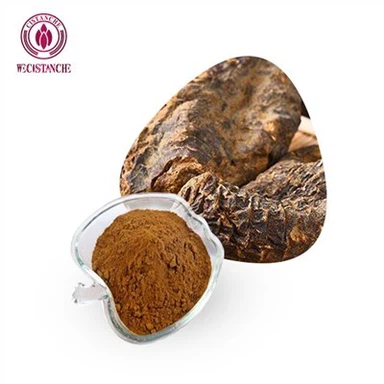
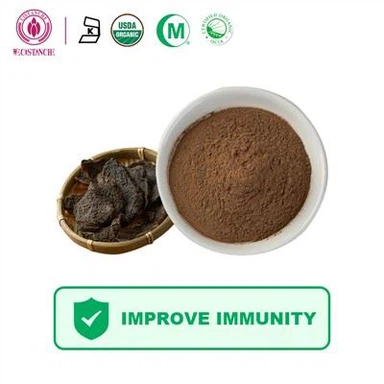
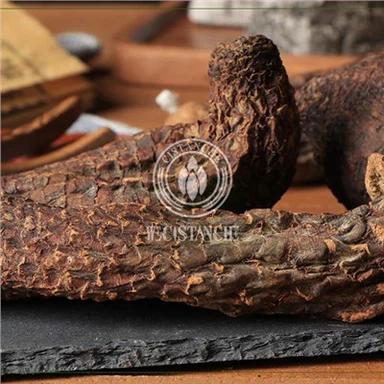
Cistanche is a traditional Chinese herbal medicine used for centuries to treat various health conditions, including kidney disease. It is derived from the dried stems of Cistanche deserticola, a plant native to the deserts of China and Mongolia. The main active components of cistanche are phenylethanoid glycosides, echinacoside, and acteoside, which have been found to have beneficial effects on kidney health.
Kidney disease, also known as renal disease, refers to a condition in which the kidneys are not functioning properly. This can result in a buildup of waste products and toxins in the body, leading to various symptoms and complications. Cistanche may help treat kidney disease ase through several mechanisms.
Firstly, cistanche has been found to have diuretic properties, meaning it can increase urine production and help eliminate waste products from the body. This can help relieve the burden on the kidneys and prevent the buildup of toxins. By promoting diuresis, cistanche may also help Reduce high blood pressure, a common complication of kidney disease.
Moreover, cistanche has been shown to have antioxidant effects. Oxidative stress, caused by an imbalance between the production of free radicals and the body's antioxidant defenses, plays a key role in the progression of kidney disease. ies help neutralize free radicals and reduce Oxidative stress, thereby protecting the kidneys from damage. The phenylethanoid glycosides found in cistanche have been particularly effective in scavenging free radicals and inhibiting lipid peroxidation.
Additionally, cistanche has been found to have anti-inflammatory effects. Inflammation is another key factor in the development and progression of kidney disease. Cistanche's anti-inflammatory properties help reduce the production of pro-inflammatory cytokines and inhibit the activation of inflammation mandatory pathways, thus alleviating inflammation in the kidneys.

Furthermore, cistanche has been shown to have immunomodulatory effects. In kidney disease, the immune system can be dysregulated, leading to excessive inflammation and tissue damage. Cistanche helps regulate the immune response by modulating the production and activity of immune cells, such as T cells and macrophages. This immune regulation helps reduce inflammation and prevent further damage to the kidneys.
Moreover, cistanche has been found to improve renal function by promoting the regeneration of renal tubes with cells. Renal tubular epithelial cells play a crucial role in the filtration and reabsorption of waste products and electrolytes. In kidney disease, these cells can be damaged, leading to damaged renal function. Cistanche's ability to promote the regeneration of these cells helps restore proper renal function and improve overall kidney health.
In addition to these direct effects on the kidneys, cistanche has been found to have beneficial effects on other organs and systems in the body. This holistic approach to health is particularly important in kidney disease, as the condition often affects multiple organs and systems. che has been shown to have protective effects on the liver, heart, and blood vessels, which are commonly affected by kidney disease. By promoting the health of these organs, cistanche helps improve overall kidney function and prevent further complications.
In conclusion, cistanche is a traditional Chinese herbal medicine used for centuries to treat kidney disease. Its active components have diuretic, antioxidant, anti-inflammatory, immunomodulatory, and regenerative effects, which help improve renal function and protect the kidneys from further damage. , cistanche has beneficial effects on other organs and systems, making it a holistic approach to treating kidney disease.