Assessing Indicators And Clinical Differences Between Functional And Organic Childhood Constipation: A Retrospective Study In Pediatric Gastroenterology ClinicsⅢ
Dec 27, 2023
Discussion
The prevalence of chronic constipation among children differs widely in the literature.1) In this study, the overall prevalence of childhood constipation required tertiary care in Bahrain was 0.13%. However, it accounted for 14.7% of the pediatric gastroenterology outpatient visits. This figure is comparable to the study of Madhu et al.12) where the prevalence was 14.29%. However, Talachian et al.,17) Altamimi,9) Ip et al.,7) Kondapalli and Gullapalli,5) Ma et al.,23) and Haghighat et al.24) reported a higher prevalence of 15.64%, 25.9%, 29.6%, 30.88%, 60%, and 40.4%, respectively. On the other hand, Kocaay et al.1) and Park et al.25) reported a lower prevalence of constipation, 4.7%, and 8.5%, respectively. This variation could be attributed to the differences in the setting and the age of patients included in each study.

There are many definitions for chronic constipation. However, no global consensus has been established regarding this issue.6) As an example, The American College of Gastroenterology defined constipation based on symptoms that include unsatisfactory defecation with either infrequent stools, difficulty in passing stool, or both.26) Yet, The Canadian consensus group also defined chronic constipation as being symptom-based but with more details, including fewer than 3 stools per week, stool form that is mostly hard or lumpy, and difficult stool passage (that needs to strain or incomplete evacuation) for more than 6 months.27)
Nowadays, Rome IV criteria are the most recent criteria used to establish the diagnosis, which was used in this study. However, several previous studies used Rome II or Rome III criteria to define chronic constipation.2,3,5,7-9,11,12,15,23-25,28) This variation in the definition makes the comparison between the findings of different studies hard to achieve. Constipation in children could be a result of either functional or multiple organic causes. However, their frequency is not well known.17) In the present study, most of the patients (n=511, 83%) had the FC. This was also documented in several other studies. However, a higher percentage of FC was reported by Talachian et al. (87%),17) Ali et al. (88.7%),13) Kocaay et al. (95.8%),1) and Haghighat et al. (98.7%).24) This variation in the percentage can be explained by the study setting.
Our study was based on a tertiary setting where more difficult cases are seen, and the chance of organic causes might be higher. The current study showed no significant difference between the FC and OC in terms of sex. Yet, females had more FC than males. This is comparable to several other studies. For instance, Haghighat et al.,24) Turco et al.,15) Dehghani et al.,8) and Khalil4) studies also showed female predominance, with a percentage of 50.2%, 53%, 55.9%, and 56.7% respectively. The reasons for female predominance might be explained by that most girls get embarrassed to use public bathrooms and they withhold stools until they get home. However, several other studies reported a higher prevalence in males.1,3,9,11,13,16) In this study, the median age at the time of diagnosis was 5.9 years (IQR, 2.3–9.2 years) with preschool children below 5 years being the most frequent (n=275, 44.6%).
Comparably, Kondapalli Gullapalli) and Dehghani et al.8) reported a mean age at diagnosis of 5.52±3.085 and 5±3.12 years, respectively. However, Haghighat et al.,24) Ip et al.,7), and Park et al.25) reported constipation in younger children (1.8±2.1, 4.12±0.89, and 4.5±1.25 years, respectively). On the other hand, Fujitani et al.,2) Appak et al.11) and Sinha et al.28) reported it in older age (6.5±1.3, 8.6±2.9, and 8.8±4.2 years, respectively). Moreover, like our study, Ali et al.,13) Kondapalli and Gullapalli,5) Bansal et al.,3) and Altamimi9) studies revealed a higher prevalence of constipation among preschool children with a percentage of 64%, 57.42%, 46.15%, and 43.7%, respectively. Toilet training and the intake of a low-fiber diet could be the reasons behind this high prevalence in preschool children.1)
Furthermore, in this study, OC was significantly higher among children below 5 years of age compared to older age in the FC group. Moreover, Biggs and Dery14) reported OC among neonates. This is also supported by Bansal et al.3) who stated that FC occurs after the neonatal period. In the current study, there was no significant difference in BMI between FC and OC groups. Fujitani et al.2) and Park et al.25) reported a mean BMI of 15.7±1.9 and 15.9±2.2 kg/m2, respectively; in children with FC which was also comparable to that of our study (16.1; IQR, 14.7–19.1). However, most of the reviewed studies did not compare BMI in children with FC and that of the OC. Moreover, patients with OC in our study had significantly lower body weight and were more stunted than those with FC.
This lower weight and height might be explained by anorexia, malabsorption, and inadequate intake, malpractices of feeding and weaning associated with chronic constipation.12) On the other hand, as shown in our study, children with FC are more likely to be overweight as they have an increased incidence of psychological/behavioral problems.12) The median weight in patients with FC in this study was 20.8 kg (IQR, 13.3–33.5 kg) and the median height was 119 cm (IQR, 93–136 cm). These figures were comparable to those reported by Fujitani et al.2) where the mean weight was 22.2±4.9 kg and the mean height was 118.6±10.0 cm in patients with FC. However, Park et al.25) reported a lower weight (17.0±5.1 kg) and height (104.3±11.5 cm) in their younger patients with FC. There are many risk factors for FC such as not being breastfed, high consumption of cow's milk, low fiber in the diet, toilet training before 2 years of age, avoiding school toilets, physical inactivity, and positive family history of constipation.1) In the study of Kocaay et al.,1) breastfed infants were found to have a significantly lower percentage of constipation. On the contrary, Kocaay et al.1) and Kondapalli and Gullapalli) showed that high cow's milk consumption is associated with constipation in children.
In the current study, data about milk consumption was available in 52 patients (8.4%), 14 (26.9%) of them had a history of high consumption. On the other hand, low fiber diet is also a risk factor. In the present study, 99 patients (16%) were consuming a low-fiber diet. This factor was also reported in several previous studies.1,2,5,7,12,24,25) In our study, high milk consumption and low fiber diet were reported in both types of constipation, FC and OC, with no significant difference. Another factor for FC is the avoidance of school toilets. Appak et al.11) revealed that 29.6% of the patients attending school were not using the school toilet which led to fecal stasis and the stool becoming bulky, firm, and painful to pass. Moreover, a positive family history of chronic constipation was also an important risk factor. In this study, a positive family history was noted in 5.8%. Ip et al.,7) Appak et al.,11), and Kocaay et al.1) reported a higher percentage of constipation in children with positive family history, 14%, 53.1%, and 54.2%, respectively. In this study, 105 patients (17%) had an OC. However, Talachian et al.,17) Kocaay et al.,1), and Haghighat et al.24) reported lower percentages of OC (13%, 4.2%, and 1.3%, respectively).
This might be also related to the variation in the study setting and patients' demography among different studies. Studies based on primary care settings will give a lower percentage of OC compared to those from secondary or tertiary settings. Moreover, studies of younger age might have a higher percentage of organic diseases as shown in our study where younger patients had more organic causes. Many causes for OC must be ruled out during the neonatal period.1) For example CMPA, cerebral palsy, Hirschsprung disease, anal stenosis, and hypothyroidism. In this study, the most common organic cause was CMPA (5.7%). Similarly, Altamimi) reported CMPA as one of the leading causes of OC. CMPA is the most common cause of constipation in the first 3 years of life.29)

The presence of allergic inflammation of the rectal mucosa can lead to increased resting anal sphincter pressure and an abnormal relaxation of the anal canal causing chronic constipation, that disappears after the elimination of cow's milk protein from the diet.30) Cerebral palsy was the second organic cause in this study and was found in (4.4%) of the children. On the contrary, Haghighat et al.24) reported a higher percentage of cerebral palsy and it was the commonest cause (38.4%). On the other hand, Bansal et al.3) reported a lower percentage (1.92%). Hypothyroidism was the third cause and was found in 2.4% of the current study, which is higher than the percentage reported by Bansal et al.3) and Ali et al.13) (1.28% and 1.2, respectively). Nonetheless, Bansal et al.3) and Ali et al.13) showed that Hirschsprung's disease was the commonest cause with a percentage of 6.41% and 8%, respectively.
This is much higher than the percentage of Hirschsprung's disease in this study (0.6%). Moreover, Talachian et al.,17) reported that anal stenosis was the commonest cause (6.9%). However, in this study, anal stenosis was found in 0.5% of the patients. A summary of previous studies of chronic constipation in children from neighboring countries and worldwide is shown in Supplementary Table 2. In the current study, both types of constipation have been associated with other diseases that were not considered as a cause of the disease. Moreover, children with OC had a higher percentage of associated diseases (33.3%) than those with FC (23.5%) (P=0.037).
This point was not discussed in detail by previous studies to compare with. In general, the commonest associated disease was enuresis (n=21, 3.4%). This might be attributed to the rectal disease which may cause urinary symptoms through mechanical compression of the stool mass over the bladder.9) Furthermore, children with more severe constipation symptoms had more reduced bladder capacity.23) Constipated children are 1.47 times more likely to have enuresis when compared to healthy children.23) Moreover, a study by Appak et al.11) reported that 43.8% of constipated patients had enuresis. On the other hand, Ma et al.23) determined that 60% of enuretic children had constipation. So, it is necessary to evaluate constipation in each child with enuresis and vice versa.23) SCD was found in 19 children (3%) with constipation in this study.
Similarly, Chumpitazi et al.31) reported SCD in 11 out of 512 children (2%) with abdominal pain and constipation. This association might be explained by the frequent painful episodes of abdominal vaso-occlusive crises that occur in these patients which prevent them from straining. On the other hand, abdominal pain due to constipation may be misinterpreted as a worsening vaso-occlusive crisis with subsequent higher doses of narcotics which subsequently worsens constipation.32) GERD was found in 18 patients (2.9%) in this study. The association between GERD and constipation can be explained by the avoidance of specific food and poor fluid intake, as well as it can be a side effect of using proton pump inhibitors or aluminum hydroxide-containing antacids.33,34) Clinical manifestation of chronic constipation varies among different studies.8) In this study, the most frequent symptom was the passage of hard and dry stool (543 of 589, 92.2%). This finding agreed with the previous studies where the percentage was ranging between 85.26% and 93.7%.3,8,9) .
Additionally, hard stool consistency is associated with painful defecation.1) In this study, painful defecation was noted in only 7.6% (45 of 589) of patients. However, painful defecation was more frequent in Fujitani et al. (22.7%),2) Haghighat et al. (60.75%),24) Dehghani et al. (92.3%),8) and Appak et al. (96.9%)11) studies, respectively. Recurrent abdominal pain was the second symptom reported in this study (227 of 589, 38.5%). This percentage is comparable to that reported by Kondapalli and Gullapalli,5) Altamimi,9), and Dehghani et al.8) where recurrent abdominal pain represented 30.6%, 40%, and 41.4% of their population, respectively. In the current study, 20.8% of the patients presented with straining. However, in the study of Ali et al.,13) straining was noted in 43%.
This difference can be attributed to that many cases with withholding behavior have been misinterpreted by the parents as an attempt of straining for defecation, and that prevents anal relaxation rather than pushing the stool down.9,13) Withholding behavior was one of the most frequent symptoms reported by Dehghani et al.8) which was found in 92.3% of their patients. Soiling is a common symptom of constipation in childhood that causes psychosocial difficulties and stress within families.1,11) The present study showed that 9.8% (58 of 589) of patients had soiling. However, several studies reported a higher percentage of soiling among constipated children ranging between 16.7% and 58.33%.1,3,5,8,11,12,17,24) This might be related to the severity of constipation.11)
Moreover, soiling might be interpreted by parents or even by physicians as diarrhea which might underestimate this advanced stage of constipation. In this study, rectal bleeding was found in 8.7% (51 of 589) of patients. Rectal bleeding may be due to perianal fissure or hemorrhoids. In the study of Kondapalli and Gullapalli,5) bloodstreaked stools were present in 10.89% of the constipated children which is also comparable to the percentage of our study. In the current study, UTI was found in 3% of patients. However, Kocaay et al.1) reported a higher prevalence of recurrent UTI in their constipated children (8.3%).

This might be related to the elevated rectal fecal load that changes the physiological neural stimuli of the bladder leading to chronic bladder spasms, insufficient emptying, and significant post-void urine volumes.35) Moreover, wiping from back to front after a bowel movement cleaning, instead of front to back, might be the reason behind UTI, which is more frequent in girls.36) This study showed no significant differences in most of the presenting symptoms between FC and OC groups apart from "mucus with stool" which was more in the OC (P=0.041). The presence of "mucus with stool" or in another term "colitis" might indicate the presence of underlying CMPA.
However, this finding should be interpreted with caution due to the presence of less than 20 patients with each type of constipation. In this study, the most frequent physical finding was abdominal distension (n=56, 9.1%) which was noted in both types of constipation. Comparably, the study of Kocaay et al.1) showed abdominal distension in 6.3% of their patients. However, most of the previous studies reported fecal rectal masses as the main noticeable physical finding.3,8,9,11,24,25) This might be related to the fact that per rectum examination was not routinely performed in our institution on children with constipation. Nonetheless, the second frequent physical finding in this study was a perianal fissure (n=33, 5.4%). This finding is comparable to the study of Dehghani et al.8) (7.2%). However, Kocaay et al.1) reported anal fissure in 35.4%. Perianal lesions such as perianal fissure and rectal prolapse can be considered as complications secondary to FC. Treatment of constipation in children with laxatives involves 3 steps: disimpaction, maintenance, and weaning.37)
In this study, 587 patients (95.3%) received medical therapy. The most frequently used medication in both groups was lactulose which was prescribed for 64.1% of the patients. Likewise, Hasosah et al.10) found that lactulose was the most used laxative. Lactulose is a synthetic disaccharide and it is effective at normalizing the frequency and consistency of the stool.14,27) Moreover, lactulose is considered safe for all age groups, and it is recommended if polyethylene glycol is not available. Magnesium hydroxide was the second laxative used in the current study (43%). However, this was not the case in the previous studies. This might be related to the possible side effects of this drug and/or its availability in their hospitals. Glycerin suppository was used in 41.4% of the patients in this study being the third prescribed medication. It belongs to a class of hyperosmolar laxatives and can be given if symptoms are not relieved after increasing fiber intake.27)
Glycerin suppositories are given to initiate rectal evacuation and it can be used as long as needed.27) Despite that glycerin suppositories were the second most common medication used in their study; Hasosah et al.10) reported that pediatricians are using them less frequently compared to other physicians. In the studies of Haghighat et al.24) and Dehghani et al.,8) polyethylene glycol was the most commonly used medication and was prescribed for 60% and 70.3% of their patients, respectively
However, in this study, polyethylene glycol was used only in 6.3% of children. This might be related to the higher price of polyethylene glycol compared to other laxatives. Also, this medication is not routinely available in our governmental hospitals. In the current study, more than 90% of patients in both groups had good responses to treatment. The response to treatment can be affected by multiple factors such as genetic background, dietary habits, compliance with medications, and toileting behavior. Genetic variations in the metabolism of drugs might eventually lead to poor response.6) Moreover, some patients may have late responses to medications. In addition, some mothers prefer the natural ways of treatment by increasing fiber in their diet or using herbal medications rather than the medications prescribed by their pediatrician.
In this study, poor compliance to medication was low as noticed in 7 patients (1.1%) which explained the high rate of good response. In this study, the median follow-up period of children with constipation was 1.4 years (IQR, 0.64–2.7 years) with a median number of visits of 4 (IQR, 2–6). Moreover, children with OC required longer follow-up duration compared to those with FC but this finding was not statistically significant. This reflects the long duration and the chronicity of this condition which requires long-term management. This also confirms Bansal et al.3) finding that the average duration of constipation was 1.64 years. However, other studies reported a longer mean duration of constipation ranging between 2.2±1.9 to 4.3±3.6 years.8,11,24,28) In terms of the number of outpatient visits, Sinha et al.28) showed that the mean number was 6.6±7.5 visits, even before referral to an outpatient gastroenterology clinic. This study was limited by the lack of a generally accepted definition for chronic constipation among different studies.1)
In this study, the latest Rome IV criteria were used to define FC while most of the other studies used the old criteria (Rome II or III), or no criteria were mentioned (Supplementary Table 2), which makes our study unique in this regard. Yet, this jeopardized the comparison with other studies. Moreover, risk factors such as timing of first meconium passage, gestational age, psychological problems, and age at toilet training are important risk factors for constipation. However, they were missing in this study. Furthermore, although breastfeeding is considered a protective factor against the development of constipation, data about breastfeeding was also missing in this study. In addition, it is a single tertiary center study, including only patients who attended outpatient clinics and patients who have been admitted to the hospital were not included, which are more severe patients.
Another limitation, some patients missed their follow-up visits during the coronavirus pandemic which calculated the duration of constipation after the treatment was incomplete. Despite these limitations, this study is the first study in Bahrain about chronic constipation in children, with a relatively large number of patients. Moreover, constipation in children is underreported in the Middle East, which is reflected by the number of published related manuscripts that are scarce; therefore, any publication tackling childhood constipation from the Middle East is of great value.
Furthermore, this study covers both types of chronic constipation (functional and organic) while most of the published studies reported only one of these types, mainly the functional type.2,4,5,8,11,12,15,23,2 5,27,28) In addition, it covers all aspects of chronic constipation starting from clinical presentation until the patient's outcome along with the clinical predictors that can help to differentiate the OC from the FC. Moreover, in this study, different types of laxatives were prescribed as a treatment for chronic constipation, and the commonest was lactulose. On the other hand, most of the previous studies mentioned limited types of laxatives, and polyethylene glycol 3350 was the most commonly used.4,8,28) The findings of this study are very important for any primary care doctor, pediatrician, or gastroenterologist as they can direct their attention toward investigating younger children and those with lower anthropometric growth parameters for age, or a positive history of mucus in the stool, which might indicate an underlying organic cause of constipation.
It can also help them in developing clinical guidelines and policies regarding the prevention and treatment of a common problem in children. The findings of this study can aid any future systematic review that pools data from different countries and can form a strong foundation for any future research. In conclusion, chronic constipation is a common problem in children, and it represents a significant portion of outpatient gastroenterology visits. Although some findings of our study were similar to those of other studies published worldwide such as some demographic characteristics, anthropometric parameters, FC predominance, main symptoms of constipation, and good response to treatment, it was different from other studies in many aspects. Our study used the most recent ROME IV criteria to define FC, covered both types of constipation (FC and OC), the main physical finding was abdominal distension, the commonest organic cause was cow's milk protein allergy, and the most frequent type of laxative used was lactulose.
Our study also suggested some clinical predictors that might help to differentiate the OC from the FC. Younger children aged below 5 years, those with low body weight and stunted, those with a history of mucus in stool, and those with associated diseases should be assessed for an underlying organic cause such as neurological causes, allergies, endocrine diseases, or others. Further studies are required to identify other possible risk factors and to determine the response to each type of medical therapy.
Natural Herbal Medicine For Relieving Constipation-Cistanche
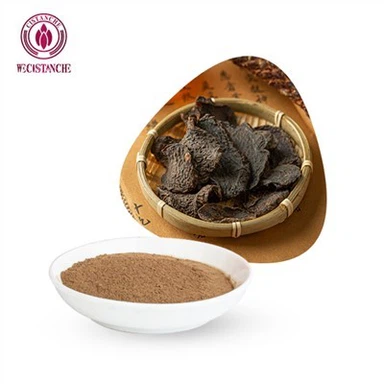
Cistanche is a genus of parasitic plants that belongs to the family Orobanchaceae. These plants are known for their medicinal properties and have been used in Traditional Chinese Medicine (TCM) for centuries. Cistanche species are predominantly found in arid and desert regions of China, Mongolia, and other parts of Central Asia. Cistanche plants are characterized by their fleshy, yellowish stems and are highly valued for their potential health benefits. In TCM, Cistanche is believed to have tonic properties and is commonly used to nourish the kidney, enhance vitality, and support sexual function. It is also used to address issues related to aging, fatigue, and overall well-being. While Cistanche has a long history of use in traditional medicine, scientific research on its efficacy and safety is ongoing and limited. However, it is known to contain various bioactive compounds such as phenylethanoid glycosides, iridoids, lignans, and polysaccharides, which may contribute to its medicinal effects.

Wecistanche's cistanche powder, cistanche tablets, cistanche capsules, and other products are developed using desert cistanche as raw materials, all of which have a good effect on relieving constipation. The specific mechanism is as follows: Cistanche is believed to have potential benefits for relieving constipation based on its traditional use and certain compounds it contains. While scientific research on Cistanche's effect on constipation is limited, it is thought to have multiple mechanisms that may contribute to its potential to relieve constipation. Laxative Effect: Cistanche has long been used in Traditional Chinese Medicine as a remedy for constipation. It is believed to have a mild laxative effect, which can help promote bowel movements and induce constipation. This effect may be attributed to various compounds found in Cistanche, such as phenylethanoid glycosides and polysaccharides. Moistening the Intestines: Based on traditional use, Cistanche is considered to have moisturizing properties, specifically targeting the Intestines. Promoting hydration and lubrication of the Intestines may help soften tools and facilitate easier passage, thereby relieving constipation. Anti-inflammatory Effect: Constipation can sometimes be associated with inflammation in the digestive tract. Cistanche contains certain compounds, including phenylethanoid glycosides and lignans, that are believed to have anti-inflammatory properties. By reducing inflammation in the intestines, it may help improve bowel movement regularity and relieve constipation.