Assessing Indicators And Clinical Differences Between Functional And Organic Childhood Constipation: A Retrospective Study in Pediatric Gastroenterology ClinicsⅡ
Dec 27, 2023
Results
During the study period, 7,287 appointments were booked in the pediatric gastroenterology outpatient clinics which were attended by 4,346 patients. Of the latter, 639 patients (14.7%) attended the clinics because of chronic constipation. Twenty-three patients (3.6%) were excluded; 20 of them had duplicate records, 2 patients did not fulfill the inclusion criteria and they were below the age of 1 month, and 1 patient was excluded due to missing all data. The remaining 616 patients (96.4%) were included in the study.

Based on 2020 Bahrain health statistics, of the 1,472,204 total population of Bahrain, 481,819 were children aged below 18 years. Accordingly, the overall prevalence of chronic constipation in children referred to the tertiary gastrointestinal clinics was 0.13% (127.9 patients per 100,000 populations at risk). Most of the patients had FC (n=511, 83%), while the rest had OC (n=105, 17%). Demographic data of the included patients are shown in Table 1. The majority were Bahraini (n= 588, 95.5%]), while the others were non-Bahraini (n=28, 4.5%) (9 patients were from Egypt, 6 from Pakistan, 5 from Syria, 2 from Saudi Arabia, India, and Yemen each, and one was from Jordan and Philippine each). FC was found to be more common among females and Bahrainis.

However, no significant difference was noted between the 2 types of constipation in terms of sex or nationality. The median age at the time of diagnosis was 5.9 years (IQR, 2.3–9.2 years) while the median age at the time of study was 10 years (IQR, 6–13 years). The most common age group at presentation was below 5 years (n=275, 44.6%). There was a significant difference between FC and OC according to the age group (P<0.001). OC was found to be more in younger children compared to FC with a median age at diagnosis of 3.1 years (IQR, 1.5–7.3 years) versus 6.3 years (IQR, 2.7–9.4 years), respectively, P<0.001.
There was no difference in BMI between the OC and the FC groups (P=0.204) or the weather seasons (P=0.592) at the onset of constipation. Yet, patients with OC were significantly lower in body weight (P<0.001) and more stunted (P<0.001) than those with FC. The analysis of growth parameters is shown in Table 1. There was no significant difference between FC and OC in terms of obesity. However, when we combined patients with a possible risk of overweight, overweight, and obesity and compared them with thinness and normal-weight patients, children with FC were more in the higher weight group (P=0.023).

The organic causes of constipation are shown in Table 2. The overall organic causes were in order of neurological causes, allergies, endocrine, gastrointestinal, and genetic diseases. However, CMPA was specifically the commonest (n=35, 5.7%), followed by cerebral palsy (n=27, 4.4%) and hypothyroidism (n=15, 2.4%]). Some patients had more than one organic cause. One hundred fifty-five patients (25.2%) had one or more associated diseases that were not considered as a cause for constipation. Children with OC had a higher percentage of associated diseases (n=120, 33.3%) than those with FC (n=35, 23.5%) which was statistically significant (P=0.037). The most commonly associated disease was enuresis (n=21, 3.4%), followed by SCD (n=19, 3%), and GERD (n=18, 2.9%). Other associated diseases are shown in Supplementary Table 1. A comparison of the patient's history and physical examination between functional and OC groups is shown in Table 3.

Relevant history data was available in 589 patients (95.6%). The most common presenting symptom in both types of constipation was passage of hard and dry stool; followed by recurrent abdominal pain in FC or vomiting in OC. The presence of "mucus with stool" was more in OC (P=0.041). Yet, no significant differences were found in the other presenting symptoms. In terms of dietary pattern, 99 (16%) out of 142 patients (23%) with available data were consuming low fiber diet (89 of 124 patients [71.8%] in the FC group versus 10 of 18 [55.6%] in the OC group, P=0.177). Data about milk consumption was available in 52 patients (8.4%), 14 (26.9%) of them had a history of high consumption (11 of 35 patients [34.4%] in the FC group versus 3 of 17 [17.7%] in the OC group, P=0.341). Data about family history was positive for constipation in one patient with FC out of 17 with available data (5.8%). Physical examination was unremarkable in most of the patients (n=494, 80.2%) while positive physical findings were detected in 93 patients (15.1%), 80 (19.5%) from the FC group, and 13 (12.4%) from the OC group.

The most frequent finding in both groups was abdominal distension (n=56, 9.1%) followed by perianal fissure (n=33, 5.4%). In terms of the deformities, rectal prolapse (n=5) and umbilical hernia (n=1) were found only in patients with FC while hypotonia (n=3), anal stenosis (n=3), and meningomyelocele scar (n=2) were found only in those with OC. Of 616 patients, 587 (95.3%) received medications for the treatment of constipation along with dietary advice. Some patients require more than one laxative for the treatment of constipation. Before the outpatient visits, 136 patients (22%) had a history of laxative use either from the primary healthcare clinic or from the Emergency Department.

The most common laxative used before the visit was lactulose (n=87, 64%), followed by magnesium hydroxide (n=22, 16.2%), polyethylene glycol n=14, 10.3%), bisacodyl (n=9, 6.6%), glycerin suppositories (n=2, 1.5%), disodium phosphate and herbal medication (n=1, 0.7% each). While 508 patients (82.5%) received treatment after gastroenterology clinic visit. Different types of medical therapy provided by gastroenterologists for the treatment of constipation are shown in Table 4. The most common medication used was lactulose (n=395, 64.1%), followed by magnesium hydroxide (n=265, 43%) and glycerin suppository (n=255, 41.4%). Two patients (0.3%) were on iron supplements. No significant differences in the type of laxative used were found between the FC and OC. Data about the response to treatment was available for 126 patients (20.5%), 114 (90.5%) of them had good responses while 12 patients (9.5%) had poor responses.

No significant difference in the good response to laxative use was found between the FC and OC (104 of 115 patients [90.4%] in the FC group vs. 10 of 11 [90.9%] in the OC group, P=1.000). Seven patients (5.6%) had poor compliance with medications. Out of 616 patients, 527 (85.6%) required more than 1 follow-up visit, while the remaining 89 (14.4%) attended the clinic once. No difference in the median number of outpatient clinic visits was found between the 2 groups (P=0.310). Children with OC required longer follow-up duration compared to those with FC, but this finding was not statistically significant (P=0.059) (Table 1).
Natural Herbal Medicine For Relieving Constipation-Cistanche
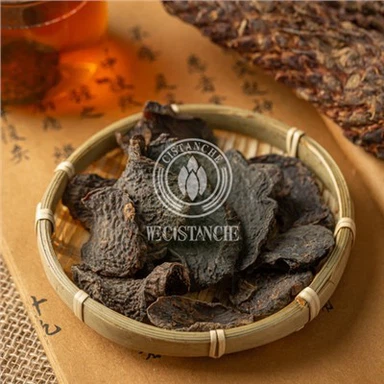
Cistanche is a genus of parasitic plants that belongs to the family Orobanchaceae. These plants are known for their medicinal properties and have been used in Traditional Chinese Medicine (TCM) for centuries. Cistanche species are predominantly found in arid and desert regions of China, Mongolia, and other parts of Central Asia. Cistanche plants are characterized by their fleshy, yellowish stems and are highly valued for their potential health benefits. In TCM, Cistanche is believed to have tonic properties and is commonly used to nourish the kidney, enhance vitality, and support sexual function. It is also used to address issues related to aging, fatigue, and overall well-being. While Cistanche has a long history of use in traditional medicine, scientific research on its efficacy and safety is ongoing and limited. However, it is known to contain various bioactive compounds such as phenylethanoid glycosides, iridoids, lignans, and polysaccharides, which may contribute to its medicinal effects.

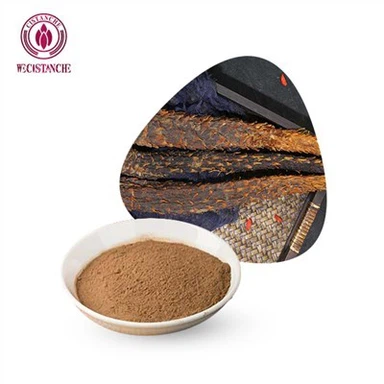
Wecistanche's cistanche powder, cistanche tablets, cistanche capsules, and other products are developed using desert cistanche as raw materials, all of which have a good effect on relieving constipation. The specific mechanism is as follows: Cistanche is believed to have potential benefits for relieving constipation based on its traditional use and certain compounds it contains. While scientific research on Cistanche's effect on constipation is limited, it is thought to have multiple mechanisms that may contribute to its potential to relieve constipation. Laxative Effect: Cistanche has long been used in Traditional Chinese Medicine as a remedy for constipation. It is believed to have a mild laxative effect, which can help promote bowel movements and induce constipation. This effect may be attributed to various compounds found in Cistanche, such as phenylethanoid glycosides and polysaccharides. Moistening the Intestines: Based on traditional use, Cistanche is considered to have moisturizing properties, specifically targeting the Intestines. Promoting hydration and lubrication of the Intestines may help soften tools and facilitate easier passage, thereby relieving constipation. Anti-inflammatory Effect: Constipation can sometimes be associated with inflammation in the digestive tract. Cistanche contains certain compounds, including phenylethanoid glycosides and lignans, that are believed to have anti-inflammatory properties. By reducing inflammation in the intestines, it may help improve bowel movement regularity and relieve constipation.