Chinese Expert Consensus On Chronic ConstipationⅢ
Aug 25, 2023
7. Most of the causes of STC are insufficient colon propulsion, which is related to enteric nerve injury and Cajal cell reduction.
The mechanism of STC is still unclear. It is more common in women and elderly patients with constipation. Most of them have no clear cause. Some patients may develop after hysterectomy or delivery, and some patients may develop after acute or chronic nerve injury, such as intermuscular Injury to the nerve plexus, spinal cord, or central nervous system. Studies have shown that delayed colonic transit is primarily associated with impaired colonic motility. Intraluminal colonic motility assessment by manometry and other methods found that patients with STC have colonic motility disorders, mainly including decreased high-amplitude propulsive contraction activity and reduced amplitude, and poor response to meals and/or drugs (such as bisacodyl, neostigmine) The contractile response to stimulation is reduced. Studies have also shown that in patients with STC, the activity of non-propellant or reverse propulsive peristalsis in the sigmoid colon or rectum is significantly increased, thereby hindering colonic emptying. High-resolution colonic manometry revealed significantly less overlap of propulsive peristalsis adjacent to each segment of the colon. It has also been found that patients with STC have weakened gastrocolic reflexes and delayed emptying of the proximal colon.

Immunohistochemical examination of the neuronal marker protein gene product 9.5 (protein gene product 9.5, PGP 9.5) in the colon samples of STC patients found that compared with healthy controls, the colonic ganglion density and size of the patients were significantly smaller, and the circular smooth muscle of the sigmoid colon was significantly smaller. The number of neurons was also significantly reduced. Observing the surgically resected colon specimens of 26 patients with severe STC, it was found that the enteric neurons and glial cells in the colon were significantly reduced, and the apoptosis of enteric neurons was significantly increased compared with the healthy control group. In addition, STC patients have reduced or absent intestinal myenteric neurons expressing the excitatory neurotransmitters substance P, substance P, pancreatic polypeptide, peptide YY, neuropeptide Y, cholecystokinin, vasoactive intestinal peptide, nitric oxide, and adrenal steroids Abnormal changes in neurotransmitters such as hormones. Studies have found that colonic Cajal cells in STC patients were significantly reduced compared with controls. Another study conducted the immunohistochemical examination of Cajal cells in different segments of the whole colon and found that compared with healthy people, the Cajal cells in the whole colon of STC patients were significantly reduced. In addition, studies have also found degeneration of Cajal cells in the intestinal mesenchyme of STC patients. These results suggest that the changes in enteric nerves and the decrease of intestinal stromal Cajal cells are involved in the pathogenesis of STC.

8. Defecation disorder constipation is mainly caused by pelvic floor muscle coordination disorder and insufficient defecation propulsion.
Impaired constipation has both mechanical and functional causes. Mechanical causes mainly refer to abnormal anorectal anatomy that prevents the passage of feces, resulting in difficulty in defecation; functional causes mainly refer to central or peripheral neurogenic disorders. Normal defecation requires an increase in intra-abdominal pressure, relaxation of the pelvic floor muscles and the internal and external anal sphincters, and the complete function of the rectum to sense feces. Any abnormal changes in this link can lead to the occurrence of constipation with defecation disorders, especially the pelvic floor The muscle group, the internal and external anal sphincters, play a key role in this process. Patients with obstructed defecation constipation have disturbances in the coordinated movement of the abdominal, anorectal, and pelvic floor muscles, which are mainly characterized by obstruction of rectal discharge, manifested by insufficient rectal propulsion and/or increased discharge resistance.
Anorectal manometry and balloon expulsion test (balloon expulsion test) found that compared with the healthy control group, the pressure in the rectum of patients with defecation disorder was significantly lower during forced defecation, suggesting that their rectal propulsion force was insufficient, and the anus The residual pressure increased significantly, suggesting that the defecation resistance increased. Another prospective study also showed that most patients with obstructed defecation constipation have coordination disorders of the abdominal, anorectal, and pelvic floor muscles, resulting in increased resistance during fecal excretion, thereby hindering defecation. The main cause of recto-anal coordination disorder is insufficient propulsion. High-resolution rectal manometry and balloon expulsion time examination of 295 patients with chronic constipation found that patients with defecation obstruction constipation can be further divided into 4 subtypes: type Ⅰ, increased rectal pressure, and contradictory anal canal pressure Type II, insufficient rectal propulsion force, paradoxical increase in anal canal pressure; type III, increased rectal pressure, anal sphincter not relaxed or insufficient relaxation; type IV, rectal propulsion insufficient, anal sphincter not relaxed or relaxed insufficient.

Studies have also found that 50% to 60% of patients with defecation disorder constipation have impaired rectal sensory function, mainly manifested as rectal hyposensitivity and hypotonicity. In addition, some patients with defecation disorder constipation may have structural abnormalities such as mega rectal, rectocele, enterocele, rectal prolapse, and perineal prolapse.
9. NTC is mainly caused by abnormal rectal compliance and rectal sensitivity.
The neuroendocrine function and muscle function of the colon in NTC patients are intact, which is a common type of chronic primary constipation, and its pathophysiological mechanism has not yet been clarified. Stool passes through the colon at an average rate in patients with NTC. Patients usually feel constipated, have difficulty or delayed defecation, hard stools, bloating or other abdominal discomfort, and psychological distress. Studies have shown that NTC is significantly related to IBS-C, and most NTCs are further diagnosed as IBS. Studies have found that patients with this type of constipation often have increased rectal compliance, decreased rectal sensation, or both. It has been found that rectal compliance is significantly lower in patients with functional constipation and IBS-C compared with healthy subjects. Some studies have also found that IBS-C patients who meet NTC have increased rectal sensitivity, which is related to abdominal pain or abdominal distension in patients.
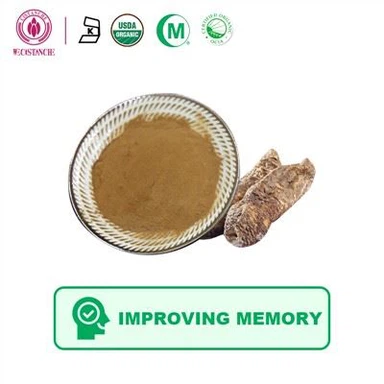
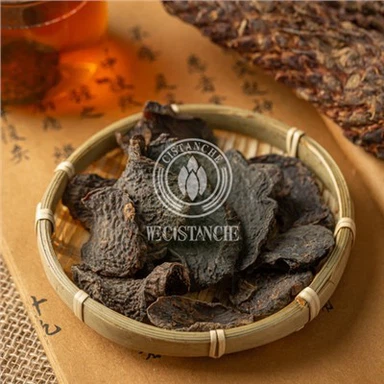
Natural Herbal Medicine For Relieving Constipation-Cistanche
Cistanche is a genus of parasitic plants that belongs to the family Orobanchaceae. These plants are known for their medicinal properties and have been used in Traditional Chinese Medicine (TCM) for centuries. Cistanche species are predominantly found in arid and desert regions of China, Mongolia, and other parts of Central Asia. Cistanche plants are characterized by their fleshy, yellowish stems and are highly valued for their potential health benefits. In TCM, Cistanche is believed to have tonic properties and is commonly used to nourish the kidney, enhance vitality, and support sexual function. It is also used to address issues related to aging, fatigue, and overall well-being. While Cistanche has a long history of use in traditional medicine, scientific research on its efficacy and safety is ongoing and limited. However, it is known to contain various bioactive compounds such as phenylethanoid glycosides, iridoids, lignans, and polysaccharides, which may contribute to its medicinal effects.

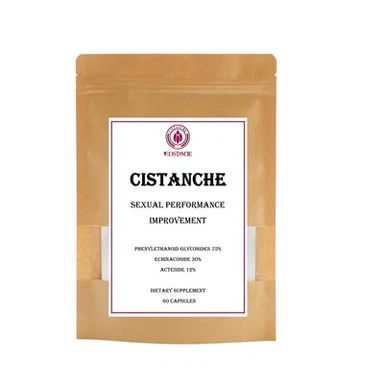
Wecistanche's cistanche powder, cistanche tablets, cistanche capsules, and other products are developed using desert cistanche as raw materials, all of which have a good effect on relieving constipation. The specific mechanism is as follows: Cistanche is believed to have potential benefits for relieving constipation based on its traditional use and certain compounds it contains. While scientific research specifically on Cistanche's effect on constipation is limited, it is thought to have multiple mechanisms that may contribute to its potential to relieve constipation. Laxative Effect: Cistanche has long been used in Traditional Chinese Medicine as a remedy for constipation. It is believed to have a mild laxative effect, which can help promote bowel movements and induce constipation. This effect may be attributed to various compounds found in Cistanche, such as phenylethanoid glycosides and polysaccharides. Moistening the Intestines: Based on traditional use, Cistanche is considered to have moisturizing properties, specifically targeting the Intestines. Promoting hydration and lubrication of the Intestines may help soften tools and facilitate easier passage, thereby relieving constipation. Anti-inflammatory Effect: Constipation can sometimes be associated with inflammation in the digestive tract. Cistanche contains certain compounds, including phenylethanoid glycosides and lignans, that are believed to have anti-inflammatory properties. By reducing inflammation in the intestines, it may help improve bowel movement regularity and relieve constipation.