Chinese Expert Consensus On Diagnostic Evaluation And Surgical Management Of Slow Transit Constipation (2023 Edition)Ⅲ
Jan 05, 2024
Non-surgical treatment of STC
1. Daily life conditioning: Many domestic and foreign studies have used supplementing dietary fiber and increasing water intake as the basis for the treatment of chronic constipation. Supplementing dietary fiber can improve constipation symptoms (including defecation frequency, stool texture, defecation pain, etc.) [39-41]. Many domestic and foreign guidelines for the diagnosis and treatment of constipation set the recommended intake of dietary fiber at 20~35 g/d[3,6]. For some patients with constipation, excessive intake of insoluble dietary fiber at one time can aggravate discomforts such as bloating, abdominal pain, and bowel borborygmus, which may be due to increased intestinal gas production caused by dietary fiber. Increasing water intake can enhance the effect of dietary fiber on improving constipation symptoms [42-43]. The daily water intake recommended by domestic and foreign diagnosis and treatment guidelines is 1.5~2.0 L[44-45].

Click to home remedies for constipation
Regular exercise can improve constipation symptoms. Except for those with limited exercise, STC patients should appropriately increase their daily activities [46]. In addition, establishing good defecation habits and squatting posture, ensuring adequate sleep and a happy mood can help relieve constipation symptoms [9].
Recommendation 11: STC patients should increase their intake of dietary fiber and water, increase their activity level, and establish good defecation habits. (Evidence quality: moderate, recommendation level: strong)
2. Drug treatment: including various laxatives, prokinetic agents, and secretagogues, among which the most widely used are laxatives, including volumetric laxatives, osmotic laxatives, and stimulant laxatives. Volumetric laxatives play a laxative effect by retaining water in the feces and increasing the water content and volume of the feces. Commonly used drugs include psyllium, calcium polycarbophil, and wheat bran. Osmotic laxatives can form a hypertonic state in the intestine, increase stool volume, and stimulate intestinal peristalsis. They mainly include polyethylene glycol and unabsorbed sugars (such as lactulose). Stimulant laxatives include anthraquinones such as bisacodyl, rhubarb, and phenolphthalein, which can enhance intestinal motility and stimulate intestinal secretion. Long-term use may cause adverse reactions such as drug dependence, malabsorption, and electrolyte imbalance. Long-term use is not recommended.
Prokinetic agents such as 5-hydroxytryptamine 4 receptor agonists (such as prucalopride) [47] increase the release of acetylcholine, stimulate smooth muscle contraction, accelerate colonic motility, and have good clinical effects.
Secretagogues such as guanylate cyclase-C agonists (such as linaclotide) [48] stimulate intestinal juice secretion and accelerate intestinal peristalsis, and are mainly used for constipation-predominant irritable bowel syndrome and refractory constipation. Lubiprostone, another secretagogue, can activate type 2 chloride ion channels in the intestinal epithelium, promote intestinal fluid secretion, and can also relieve the symptoms of constipation.
In addition, traditional Chinese medicine, as a characteristic therapy in my country, has also been widely used in the field of STC. For example, the Chinese patent medicine Shouhui Tongbian Capsule [49], which has multiple functions such as promoting intestinal motility, intestinal juice secretion, and anti-inflammatory repair, has good clinical effects and can Be used.

Recommendation 12: Drug treatment can alleviate the symptoms of STC. Drugs should be selected on an individual basis and long-term use of stimulant laxatives should be avoided as much as possible. (Evidence quality: moderate, recommendation level: strong)
3. Intestinal microecology treatment: Intestinal microecology plays an important role in maintaining normal physiological functions of the host's intestines, regulating the body's immune function, and antagonizing the colonization of pathogenic microorganisms. Compared with healthy people, the composition of intestinal flora in patients with functional constipation is significantly different in quantity and type, especially in the genera Lactobacillus and Bifidobacterium [50]. Supplementing intestinal microbial preparations, such as Bifidobacterium quadruple live bacteria tablets, Bacillus subtilis triple live bacteria, and other compound preparations, can regulate gastrointestinal flora imbalance and improve gastrointestinal motility. It is currently recommended as a long-term auxiliary medication for chronic constipation [51 -52]. For patients who have been treated with probiotics for a long time, the oral dose can be appropriately increased.
Microbiota transplantation is a new intestinal microecological treatment method for STC. It achieved a clinical cure rate of 31.4% and a symptom relief rate of 29.1% 36 months after treatment [53]. It is suggested that microbiota transplantation is a promising treatment method, but there is still a lack of support from large-sample clinical research data.
Recommendation 13: As an auxiliary treatment for STC, intestinal microecological treatment can improve the symptoms of STC. (Evidence quality: moderate, recommendation level: strong)
4. Sacral neuromodulation (SNM): The abnormal sacral nerve reflex arc can be intervened by an external pulse generator, thereby regulating the dysfunction of the sacral nerve effector organs. The evidence for SNM treatment of STC is not sufficient and more research is needed to confirm. SNM can be considered when constipation symptoms persist for more than 1 year and other treatment measures are ineffective[54].

Recommendation 14: Sacral neuromodulation can be used as a complementary method for non-surgical treatment of STC. (Evidence quality: moderate, recommendation level: weak)
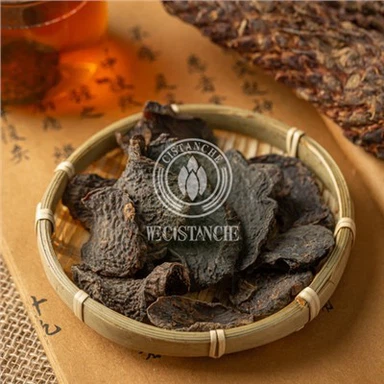
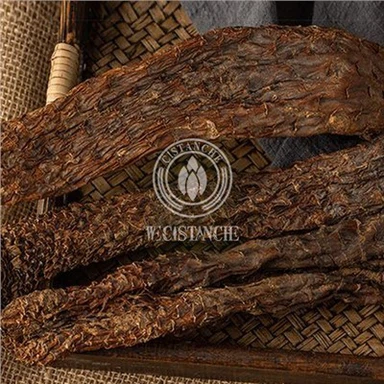
Natural Herbal Medicine For Relieving Constipation-Cistanche
Cistanche is a genus of parasitic plants that belongs to the family Orobanchaceae. These plants are known for their medicinal properties and have been used in Traditional Chinese Medicine (TCM) for centuries. Cistanche species are predominantly found in the arid and desert regions of China, Mongolia, and Central Asia. Cistanche plants are characterized by their fleshy, yellowish stems and are highly valued for their potential health benefits. In TCM, Cistanche is believed to have tonic properties and is commonly used to nourish the kidney, enhance vitality, and support sexual function. It is also used to address issues related to aging, fatigue, and overall well-being. While Cistanche has a long history of use in traditional medicine, scientific research on its efficacy and safety is ongoing and limited. However, it is known to contain various bioactive compounds such as phenylethanoid glycosides, iridoids, lignans, and polysaccharides, which may contribute to its medicinal effects.

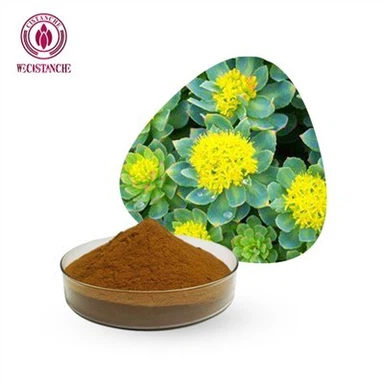
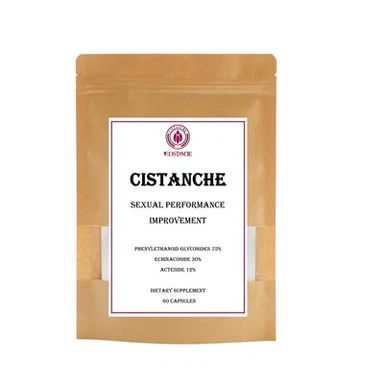
Wecistanche's cistanche powder, cistanche tablets, cistanche capsules, and other products are developed using desert cistanche as raw materials, all of which have a good effect on relieving constipation. The specific mechanism is as follows: Cistanche is believed to have potential benefits for relieving constipation based on its traditional use and certain compounds it contains. While scientific research specifically on Cistanche's effect on constipation is limited, it is thought to have multiple mechanisms that may contribute to its potential to relieve constipation. Laxative Effect: Cistanche has long been used in Traditional Chinese Medicine as a remedy for constipation. It is believed to have a mild laxative effect, which can help promote bowel movements and induce constipation. This effect may be attributed to various compounds found in Cistanche, such as phenylethanoid glycosides and polysaccharides. Moistening the Intestines: Based on traditional use, Cistanche is considered to have moisturizing properties, specifically targeting the Intestines. Promoting hydration and lubrication of the Intestines may help soften tools and facilitate easier passage, thereby relieving constipation. Anti-inflammatory Effect: Constipation can sometimes be associated with inflammation in the digestive tract. Cistanche contains certain compounds, including phenylethanoid glycosides and lignans, that are believed to have anti-inflammatory properties. By reducing inflammation in the intestines, it may help improve bowel movement regularity and relieve constipation.