Chinese Expert Consensus On Diagnostic Evaluation And Surgical Management Of Slow Transit Constipation (2023 Edition)Ⅱ
Jan 05, 2024
Diagnosis of STC
(1) Medical history inquiry
For patients with suspected STC, detailed medical history should be asked to understand the patient's eating habits, medication history, and efficacy. This will help analyze the cause of constipation, disease evolution, and preliminary judgment, to select auxiliary examinations in a targeted manner [13-14]. A complete medical history should include the characteristics of the stool, the time required for defecation, frequency of defecation, whether there is a feeling of incomplete defecation and weakness, whether extra effort is required for defecation, whether there are abdominal symptoms such as bloating and abdominal pain, and whether there is anal pain or pain during defecation. Bleeding, whether drugs are needed to assist defecation, whether there are protruding lumps in the anus, and whether you have taken drugs that affect defecation, etc.

Recommendation 2: A detailed medical history needs to be collected before STC diagnosis, focusing on the severity of symptoms and the effect of drug treatment. (Evidence quality: moderate, recommendation level: strong)
(2) Physical examination
During the initial diagnosis of a patient with STC, a thorough physical examination should be performed, including an abdominal examination to assess for tenderness, presence of palpable masses, and abdominal wall and inguinal hernias. For most patients, the perineal examination should be performed in the left lateral decubitus or prone position, and a digital anorectal examination should be performed to rule out rectal and perianal diseases (such as recto pelvic tumors) and to evaluate for intrarectal prolapse or rectocele. degree and anal sphincter function.
Recommendation 3: A comprehensive physical examination is required when diagnosing STC, and a digital anorectal examination is meaningful for diagnosis and differential diagnosis. (Evidence quality: moderate, recommendation level: strong)
(3) Auxiliary inspection
Relevant auxiliary examination methods should be used for differential diagnosis to exclude organic lesions, and anatomical abnormalities, and to evaluate the pathophysiological changes of outlet obstruction.
1. Colonic transit test: It is a valuable examination method for diagnosing STC. It can determine whether there is delayed colon transit. The X-ray opaque marker method is the most commonly used in clinical applications [15-16]. It is worth noting that drugs, foods, and health products that slow down or accelerate colonic transit should be stopped 2 to 3 days before the transit test. The X-ray opaque marker method can be divided into Hinton method [17] and Metcalf method [18]. The former requires taking capsules containing 24 radiopaque markers. If the abdominal X-ray taken 3 days later shows that more than 5 markers remain in the colon, it indicates that colonic transit has slowed down [17]. The latter takes 20 capsules with a total of 60 X-ray opaque markers on days 1, 2, and 3 respectively. When tested on day 4, if the remaining markers total 60, it is meaningful for diagnosing slowed colonic transit. [18]. The general number of X-ray opaque markers swallowed in China is 20. If the number of residual markers is >20% when tested on the third day, it is considered that there is slowed colonic transit [16]. X-ray opaque markers can be transmitted to the ileocecal area 6 hours after oral administration. Therefore, this method can also be used to initially evaluate the transmission function of the stomach and small intestine [1].
In addition, methods used to measure colonic transport function include the nuclide method, hydrogen breath method [19], capsule endoscopy, and scintillation fluorescence imaging technology [20], etc., but they are not widely used in China.
Recommendation 4: The colonic transit test is a commonly used examination method to evaluate colonic transit function. (Evidence quality: moderate, recommendation level: strong)

2. Colonoscopy: Colonoscopy is of great value in excluding organic colorectal lesions. It is recommended that patients aged >40 years old with newly diagnosed STC, especially those with alarm signs or alarm signs during follow-up, undergo targeted colonoscopy [21]. Alert signs include blood in the stool, positive fecal occult blood test, fever, anemia, weight loss, obvious abdominal pain, abdominal mass, elevated blood carcinoembryonic antigen, a history of colorectal adenoma, and a family history of colorectal tumors. In addition, colonoscopy can detect ulcerative colitis, Crohn's disease, colorectal melanosis, and other diseases [22]. For those who are suspected of having colorectal tumors but are unwilling or unable to tolerate colonoscopy, barium enema, stool DNA, or protein testing can be used for screening [23-26].
Recommendation 5: Colonoscopy is of great value in excluding colorectal transmission abnormalities caused by organic colorectal lesions. (Evidence quality: high, recommendation level: strong)
3. Barium enema examination: In addition to evaluating whether the anatomical shape of the colon is abnormal, barium enema examination can also be used to understand whether STC has a long colon or megacolon, etc., which is of certain value in the differential diagnosis of STC. For patients with Hirschsprung disease, a barium enema can clearly show the location and length of the stenotic segment and proximal dilated intestine. For patients who cannot tolerate colonoscopy, barium enema examination can be selected to rule out organic colorectal lesions.
Recommendation 6: Barium enema can evaluate colorectal anatomical abnormalities and exclude organic lesions. (Evidence quality: moderate, recommendation level: strong)
4. Abdominal CT examination: This examination can be used to rule out organic lesions in the abdominal cavity, such as abdominal, retroperitoneal, and intestinal tumors. In addition, CT colonography (CTC) can measure the length of the colon in three dimensions, which has a certain reference value for evaluating the presence of a long colon and megacolon. Studies in recent years have shown that the sensitivity of CTC in detecting organic lesions of the colon (colorectal cancer or larger colon polyps) is higher than that of barium enema [27-28]; it is equivalent to colonoscopy [28]. Therefore, CTC can be used as a complementary method for the diagnosis of STC patients, but further colonoscopy is still required when lesions are detected.
Recommendation 7: Abdominal CT and CT colonography can be used to investigate intra-abdominal organic lesions and evaluate colon anatomic abnormalities and space-occupying lesions. (Evidence quality: moderate, recommendation level: weak)
5. Defecography: Defecography uses X-ray or MRI to simulate the activities of the rectum and pelvic floor during defecation, and observes the morphological and structural abnormalities of the rectum and anal canal (such as rectocele, rectal prolapse, intestinal hernia, megacolon, etc. ) and pelvic floor morphological and functional abnormalities (such as puborectalis spasm, pelvic floor laxity, pelvic floor hernia, etc.), suitable for evaluating whether STC is combined with rectal pelvic floor morphological and functional abnormalities and OOC. Commonly used defecography methods include barium X-ray defecography (BD) and magnetic resonance defecography (MRD). BD is simple and easy to implement and is a common check to evaluate whether an STC incorporates OOC. BD combined with pelvic, vaginal, or cystography can dynamically display the abnormal morphological changes of pelvic tissues and organs during defecation. MRD has a stronger resolution for soft tissues and can also be used to evaluate whether STC is combined with abnormalities of the rectal and pelvic floor morphology and structure [29-30].
Recommendation 8: Defecography can be used to evaluate abnormality of the recto-anal canal and pelvic floor morphology and function, and to identify whether there is outlet obstruction. (Evidence quality: moderate, recommendation level: strong)
6. Anorectal manometry (ARM): It is often used to evaluate the motility and sensory function of the anorectum. It has a certain value in determining whether STC is combined with OOC and in the differential diagnosis of megacolon. ARM can determine whether there is uncoordinated movement of the anal sphincter or pelvic floor muscles, rectal sensory threshold, and lack of anorectal inhibitory reflex [31-32]. The abnormal detection results of ARM mainly include loss of recto-anal inhibitory reflex, reduced anal tension and contractility, abnormal rectal sensitivity, and sphincter coordination disorder [33]. High-resolution ARM can reflect the functional changes of the anal sphincter and provide a more accurate reference for anorectal function testing [34]. In addition, there are also studies reporting that smart capsules are used in colon manometry, which can provide a reference for the selection of STC surgical methods [35]. However, due to the lack of more clinical application data and multi-center research evidence support, it can be applied selectively.

Recommendation 9: Anorectal manometry can be used to assess anorectal sensory and motor function. (Evidence quality: moderate, recommendation level: strong)
7. Balloon expulsion test: It can be used for the differential diagnosis of STC and OOC. This test can directly reflect the anorectal ability to expel a balloon (usually a water bag or airbag). Healthy people can expel the balloon within 1 to 2 minutes. Sac[36-37]. However, because some patients with uncoordinated pelvic floor muscle contractions can still expel the balloon normally during the balloon expulsion test, the normal results of a single balloon expulsion test cannot completely rule out the possibility of uncoordinated pelvic floor muscle contraction. Assistance is needed. Comprehensive analysis based on other examination results [38]. Clinically, this test is often used in conjunction with anorectal manometry.
Recommendation 10: The balloon expulsion test can be used to initially evaluate the coordination ability of pelvic floor muscles. (Evidence quality: low, recommendation level: weak)
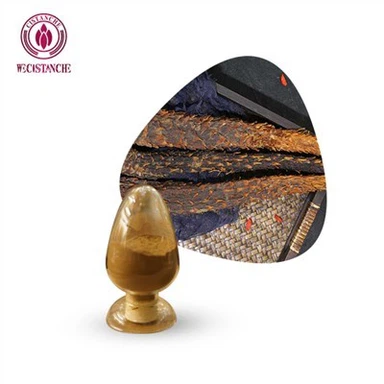
Natural Herbal Medicine For Relieving Constipation-Cistanche
Cistanche is a genus of parasitic plants that belongs to the family Orobanchaceae. These plants are known for their medicinal properties and have been used in Traditional Chinese Medicine (TCM) for centuries. Cistanche species are predominantly found in the arid and desert regions of China, Mongolia, and Central Asia. Cistanche plants are characterized by their fleshy, yellowish stems and are highly valued for their potential health benefits. In TCM, Cistanche is believed to have tonic properties and is commonly used to nourish the kidney, enhance vitality, and support sexual function. It is also used to address issues related to aging, fatigue, and overall well-being. While Cistanche has a long history of use in traditional medicine, scientific research on its efficacy and safety is ongoing and limited. However, it is known to contain various bioactive compounds such as phenylethanoid glycosides, iridoids, lignans, and polysaccharides, which may contribute to its medicinal effects.

Wecistanche's cistanche powder, cistanche tablets, cistanche capsules, and other products are developed using desert cistanche as raw materials, all of which have a good effect on relieving constipation. The specific mechanism is as follows: Cistanche is believed to have potential benefits for relieving constipation based on its traditional use and certain compounds it contains. While scientific research specifically on Cistanche's effect on constipation is limited, it is thought to have multiple mechanisms that may contribute to its potential to relieve constipation. Laxative Effect: Cistanche has long been used in Traditional Chinese Medicine as a remedy for constipation. It is believed to have a mild laxative effect, which can help promote bowel movements and induce constipation. This effect may be attributed to various compounds found in Cistanche, such as phenylethanoid glycosides and polysaccharides. Moistening the Intestines: Based on traditional use, Cistanche is considered to have moisturizing properties, specifically targeting the Intestines. Promoting hydration and lubrication of the Intestines may help soften tools and facilitate easier passage, thereby relieving constipation. Anti-inflammatory Effect: Constipation can sometimes be associated with inflammation in the digestive tract. Cistanche contains certain compounds, including phenylethanoid glycosides and lignans, that are believed to have anti-inflammatory properties. By reducing inflammation in the intestines, it may help improve bowel movement regularity and relieve constipation.