Cistanche And Alzheimer's: What A Newly Published Chinese Herbal Patent Actually Shows
Nov 26, 2026
A 20-herb formula, a transgenic mouse study, and the honest gap between them-read by families, and by the people who make the products.
Cistanche Research Desk · 12 min read
The 3 a.m. question every caregiver eventually asks
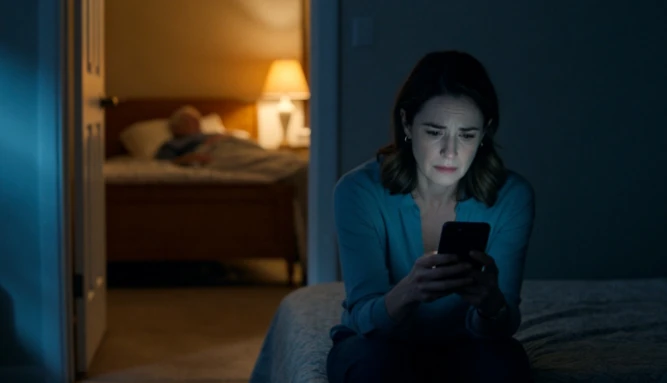
It usually starts small. A name that will not come back. The same question asked four times in ten minutes. Keys in the freezer. Then one night a daughter sits up at 3 a.m., searching the internet on a phone in the dark, and types the thing she cannot say out loud to her father: is there anything natural that actually helps?
That search is where most families land, and it is a reasonable place to land. Dementia is not a niche concern. More than 57 million people were living with dementia worldwide in 2021, with roughly 10 million new diagnoses every year, and Alzheimer's disease accounts for an estimated 60–70% of cases (WHO).
What those families find is usually one of two things: a pharmacy shelf of drugs that slow symptoms without stopping the disease, or a supplement aisle full of powders with no dose, no identity test and no data. The gap between those two shelves is enormous-and it is exactly the gap a newly published Chinese herbal patent is trying to occupy.
This article walks through that patent in plain language: the formula, the animal data, the honest limitations, and what it means if you are a brand, a clinic buyer or a formulator sourcing Cistanche for a cognitive-health product.
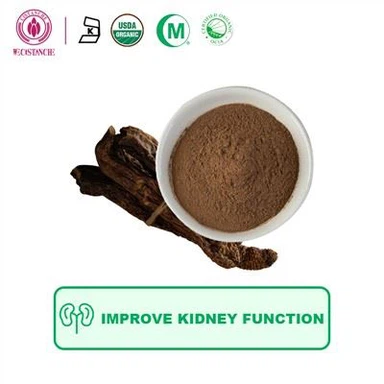
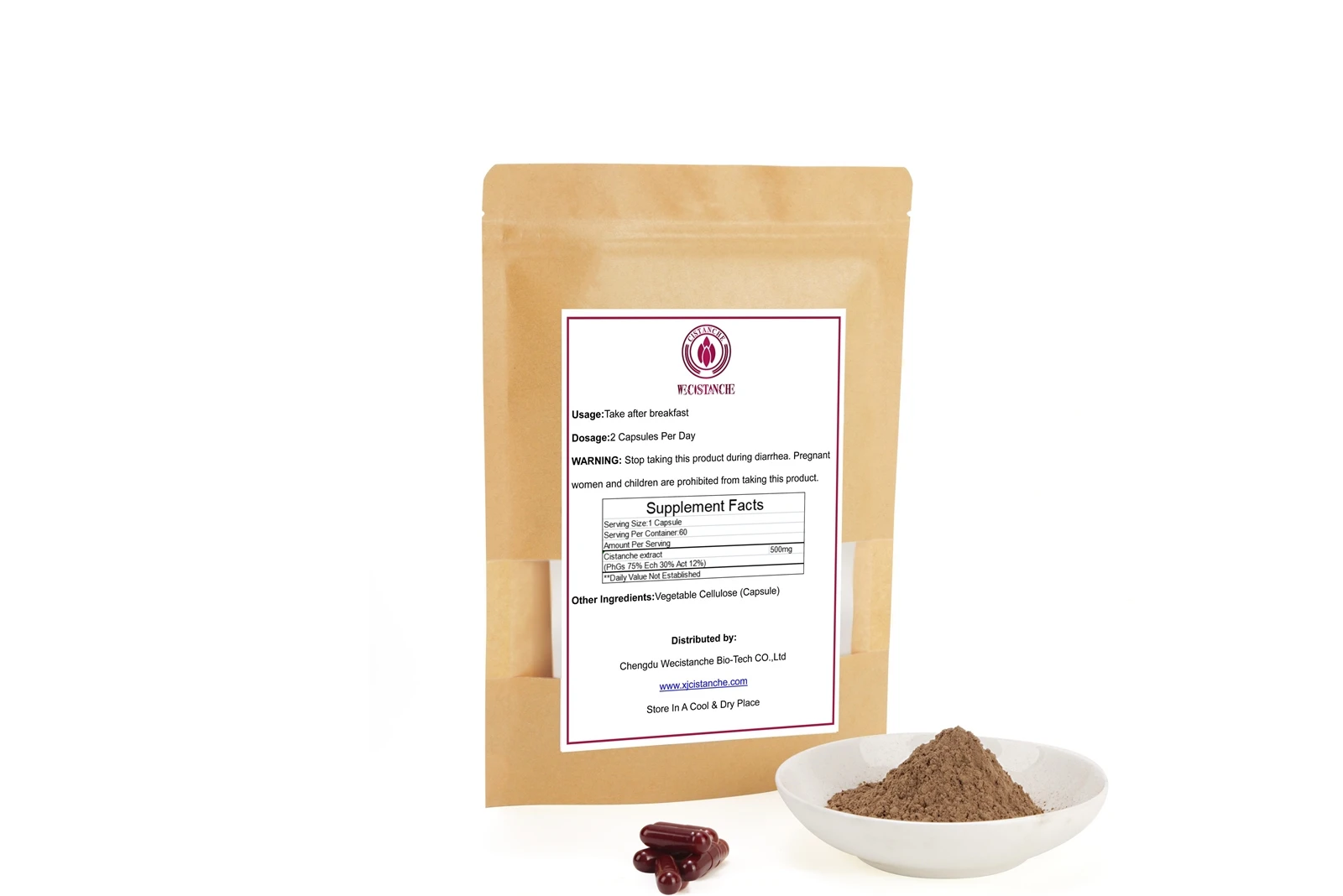
12% Acteoside Cistanche Extract Formula For Preventing Alzheimer Disease
Key takeaways
The patent covers an 8-herb core formula with Cistanche as a sovereign (jun) herb, and a 20-herb complete version.
In an APP/PS1 mouse model, a medium dose outperformed a marketed Chinese patent medicine (Tianzhi Granules) on several memory and pathology endpoints.
The evidence is animal-only. No human trial, no toxicology package, no clinical dose.
Cistanche's own actives-echinacoside and acteoside-have a separate, deeper published literature on Aβ, tau and neuroinflammation.
For brands: the formula is a story, not a license. Claims must stay in structure/function territory, and every batch needs identity, marker-compound and contaminant testing.
Why families look past the prescription bottle
Nothing in this article is a recommendation to replace medical care. But it is worth being honest about why the search happens.
The drugs work at the edges. Cholinesterase inhibitors and memantine can stabilize symptoms for a period, but they do not alter the underlying trajectory, and gastrointestinal side effects are common enough that many families stop.
The new antibodies are powerful and demanding. Anti-amyloid monoclonal antibodies target the pathology itself, which is genuinely new. They also require infusion, MRI monitoring, genetic testing in some cases, and carry a risk of amyloid-related imaging abnormalities (ARIA). Cost and access remain steep in most of the world.
Nothing addresses the whole patient. Alzheimer's patients rarely arrive with only Alzheimer's. They arrive with hypertension, type 2 diabetes, constipation, dry mouth, poor sleep, and a family that is exhausted. A drug aimed at one receptor does not speak to any of that. A multi-herb formula, whatever its evidence base, at least attempts to.
"Natural" is a trust signal, not a guarantee. The families searching at 3 a.m. are not looking for magic. They are looking for something with a traceable origin, a known dose, and a reason to believe it was made by someone who knows what they are doing. That is a sourcing problem as much as a medical one-and it is where a Cistanche factory has something real to say.
Where Cistanche fits: the traditional logic and the modern one
In traditional Chinese medicine, Alzheimer's-type dementia is read as a collapse at the deepest layer of the body: kidney essence deficient, brain marrow empty as the root, with phlegm and blood stasis veiling the orifices as the branch. Cistanche (Roucongrong) is a kidney-yang and essence tonic-sweet, salty, warm, entering kidney and large intestine-traditionally used for weak lower back and knees, cold, fatigue, and dry-intestine constipation in older patients. In dementia formulas it is used to fill the marrow, not to "boost memory" in the marketing sense.
Modern pharmacology has given that tradition a chemical vocabulary. Cistanche's dominant constituents are phenylethanoid glycosides (PhGs), chiefly echinacoside and acteoside (verbascoside), plus polysaccharides and iridoids. A neuropharmacology review in Frontiers in Pharmacology summarizes two decades of animal work: Cistanche extracts and glycosides reduced Aβ deposition, lowered oxidative stress markers in brain tissue, inhibited neuronal apoptosis, and improved learning and memory in several AD models (review). A separate review of echinacoside across neurodegenerative disease describes antioxidant, anti-inflammatory, anti-ER-stress and mitochondrial-protective effects, and notes that echinacoside inhibits Aβ oligomerization (PMC).
That literature is preclinical. It is a reason to formulate with a standardized Cistanche extract. It is not a reason to print "treats Alzheimer's" on a label.
The patent, decoded: an 8-herb core inside a 20-herb formula
The patent application-Herbal composition for the prevention, alleviation or treatment of Alzheimer's disease and its pharmaceutical use-claims a two-tier formula. The core eight herbs are the claimed minimum; the full twenty are the preferred clinical version used in the animal study.
Tier 1 - the claimed core (parts by weight)
| Herb | Pinyin | Botanical / part | Traditional role in this formula | Preferred ratio |
|---|---|---|---|---|
| Cistanche | Roucongrong | Cistanche deserticola / C. tubulosa, stem | Sovereign: warms kidney, fills essence, nourishes marrow | 10 |
| Polygonatum | Huangjing | Polygonatum sibiricum / P. kingianum, rhizome | Sovereign: tonifies qi, nourishes yin, benefits kidney | 10 |
| Ginseng | Renshen | Panax ginseng, root | Minister: strongly tonifies qi, calms spirit, benefits intelligence | 10 |
| Astragalus | Huangqi | Astragalus membranaceus, root | Minister: tonifies qi, raises yang, supports blood generation | 15 |
| Raw Angelica | Sheng Danggui | Angelica sinensis, root (unprocessed) | Minister: nourishes and activates blood, moistens intestines | 15 |
| Ligustrum fruit | Nüzhenzi | Ligustrum lucidum, ripe fruit | Minister: nourishes liver-kidney yin, clears internal heat | 15 |
| Salvia | Danshen | Salvia miltiorrhiza, root | Minister: activates blood, unblocks collaterals, clears heart | 10 |
| Notoginseng | Sanqi | Panax notoginseng, root | Minister: disperses stasis, stops bleeding, relieves pain | 9 |
Tier 2 - the twelve additional herbs
Acorus tatarinowii rhizome (Shichangpu, 15) · Polygala tenuifolia root (Yuanzhi, 10) · storax (Suhexiang, 1) · Alpinia oxyphylla fruit (Yizhiren, 10) · Poria cocos (Fuling, 10) · Citrus medica fruit (Xiangyuan, 12) · Perilla seed (Zisuzi, 9) · Moutan cortex (Mudanpi, 10) · Paeonia root (Shaoyao, 9) · Ginkgo leaf (Yinxingye, 15) · Leonurus (Yimucao, 5) · Polygonatum odoratum (Yuzhu, 10)
The architecture is explicit: Cistanche and Polygonatum as sovereigns; ginseng, Astragalus, Angelica, Ligustrum, Salvia and Notoginseng as ministers; Acorus, Polygala and storax opening the orifices; Poria, Yuzhu, Xiangyuan and Perilla cutting off the source of phlegm; Moutan and Paeonia cooling and softening; Ginkgo and Leonurus reinforcing the blood-moving layer; Paeonia doubling as messenger.
Two formulation decisions are worth noting, because they are the patent's actual argument against older formulas:
It is built warm-and-cool, tonify-and-drain. The background section criticizes an earlier 23-herb patent for being almost entirely warming, yang-tonifying and blood-breaking-which, in an elderly population that typically presents with yin deficiency, hypertension, diabetes and constipation, tends to produce dry mouth, insomnia, raised blood pressure and bleeding risk. This formula pairs Cistanche and ginseng with Ligustrum, Polygonatum, Yuzhu, Moutan and Paeonia to hold the heat down.
It avoids the two known liabilities. No prepared Polygonum multiflorum (the hepatotoxicity concern the patent raises against the prior art), and no leech or safflower-the drastic blood-breakers. Ginkgo, Salvia, Notoginseng and Leonurus still carry bleeding considerations, but the formula is deliberately not a "blood-breaking" design.
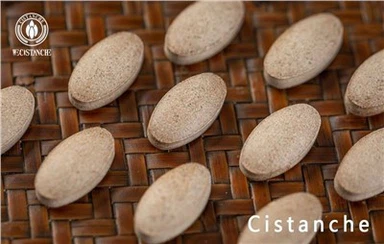
The dosage form is a granule: everything except storax decocted in 10–12 volumes of water, twice, one hour each, concentrated to a soft extract of density 1.15–1.25 at 50 °C; storax ground separately and blended in; then starch/dextrin, 16-mesh granulation, dried at 70 ± 5 °C for two hours. Adults: 2–3 bags (10 g each) three times daily; halved for prevention. Note that the patent also specifies pediatric doses-a detail a supplement brand should not copy without its own safety work.
The evidence, read honestly
The study used 55 male APP/PS1 mice, 6 months old, 25–30 g-a transgenic model that develops amyloid pathology-randomized across five arms, 28 days of gavage:
| Group | Treatment | Dose |
|---|---|---|
| 1 | AD model | saline |
| 2 | Low dose | 1.95 g/kg granules |
| 3 | Medium dose | 5.85 g/kg |
| 4 | High dose | 17.55 g/kg |
| 5 | Positive control | Tianzhi Granules, 1.95 g/kg |
Tianzhi Granules is a marketed Chinese patent medicine (NMPA approval Z20040041) built on Gastrodia, Uncaria and abalone shell-a calming-liver, extinguishing-wind formula widely used for vascular dementia and dizziness. It is a fair, real-world comparator rather than a placebo.
What moved:
| Endpoint | What it measures | Result |
|---|---|---|
| Novel object recognition index | Recognition memory | All doses and positive control significantly above model; medium dose strongest |
| Y-maze: novel-arm entries, time share, entry share | Spatial working memory | All treated groups significantly above model; medium dose above Tianzhi on all three |
| Water maze: distance, time, platform crossings | Spatial learning and exploration | All treated groups above model; medium dose significantly above Tianzhi |
| HE staining | Neuronal density and morphology | Medium dose: more neurons, tighter regular arrangement, fewer degenerate bodies than Tianzhi |
| Nissl staining | Nissl bodies (protein-synthesis capacity) | Medium dose: more abundant, darker, denser than Tianzhi |
| Aβ42 immunohistochemistry (IOD%) | Amyloid plaque burden | Medium dose: fewer positive granules, lighter staining than Tianzhi |
The pattern is consistent across behavioural and pathological endpoints, and the medium dose is the standout. That is a meaningful signal: it suggests a therapeutic window rather than "more is better," which is exactly the kind of finding a formulator should respect rather than ignore.
What it does not show. There is no human data. There is no dose-ranging safety study, no genotoxicity, no 90-day repeat-dose toxicology, no herb-identity verification by DNA barcoding or chemical fingerprinting in the document, and no stability data. The Nissl and HE comparisons versus Tianzhi are descriptive histology, not quantified stereology. Anyone who converts this into "clinically proven" is inventing a claim the document does not support.
Safety: the part marketing pages skip
These are the pharmacological flags a clinician would raise, and the ones a brand must disclose:
Bleeding risk. Notoginseng, Salvia, Ginkgo, Leonurus and Angelica all affect platelet function or coagulation. Combined with warfarin, DOACs, clopidogrel or aspirin-common in this age group-the interaction is real. Stop at least two weeks before surgery.
Blood pressure and glucose. Ginseng and Astragalus can interact with antihypertensives and insulin secretagogues; monitoring matters more than speculation.
Storax. A resin with recognized sensitizing potential; it is 1 part in 100 and should be declared.
GI tolerance. Polygonatum and Cistanche are moistening; in a patient with loose stools the formula can tip too far.
Kidney and liver impairment. No data. Dose reduction or avoidance is the conservative position.
Pregnancy, breastfeeding, children. The patent lists pediatric doses; that is a patent convention, not evidence. Do not extrapolate.
Substitution, not combination. Families often add herbs on top of donepezil or memantine without telling the neurologist. The single most useful thing a brand can print is a sentence telling them to.
What this means for brands, clinics and formulators
If you sell Cistanche raw material or finished cognitive-wellness products, this patent is usable-but only if you use it correctly.
1. Position it as a formula concept, not a cure. In the US, a supplement may carry a structure/function claim ("supports cognitive function") but not a disease claim ("treats Alzheimer's"); the FDA has sent warning letters for exactly this. In the EU, Regulation 1924/2006 permits only authorized health claims, and no cognitive-decline claim is authorized. The patent's own language-"expected to," "有望"-is doing heavy lifting; keep that hedge.
2. Check the IP before you build a SKU on it. A published application is not the same as a granted patent, and the claims define the scope. If you intend to commercialize the exact 8- or 20-herb ratio, get a freedom-to-operate opinion. Most brands are better served by building their own formula around the same logic-Cistanche as sovereign, a yin-nourishing counterweight, an orifice-opening layer-rather than copying ratios.
3. Standardize the Cistanche, not just the herb list. "Cistanche powder" is not a specification. What a formulator needs in a COA:
| Parameter | What to ask for | Why |
|---|---|---|
| Species | C. deserticola or C. tubulosa, confirmed | Different PhG profiles and different regulatory histories |
| Marker compounds | Echinacoside ≥ 10–30%, acteoside ≥ 1–5% (extract) | The published neuroprotective actives |
| Extract ratio | 10:1, 20:1, or standardized to markers | "Ratio" alone is marketing; markers are chemistry |
| Part used | Fleshy stem, scaly leaf removed | Leaf and sand content dilute the actives |
| Heavy metals | Pb, As, Cd, Hg, per USP/EP limits | Desert-origin material needs this |
| Pesticides | Multi-residue panel | Wild harvest vs cultivated matters |
| Microbiology | TPC, yeast/mold, E. coli, Salmonella | Standard for any oral product |
| PAH / solvent residues | If extract, residual ethanol/acetone | Extract buyers ask |
| Irradiation / EO | Declaration | EU labeling requirement |
4. Choose the dose form for the patient you actually have. The patent's granule is a deliberate choice: older patients with dysphagia struggle with capsules, and a 20-herb decoction is unrealistic at home. A soluble granule or a concentrated drink mix, taken in warm water, is the adherence-friendly format-and it is the format a Cistanche factory is best positioned to supply at scale.
5. Tell the sourcing story with evidence, not adjectives. "Wild-harvested in Xinjiang" is a claim. A harvest-region declaration, a species ID, a batch COA and, where applicable, organic certification under USDA NOP or EU 2018/848 are the proof. Organic status for Cistanche depends on cultivated versus wild material and the certifier's scope-do not use the word until the certificate exists.
Sourcing Cistanche at factory scale: a buyer's checklist
For brands and clinics building around this formula concept, the practical questions are mundane and decisive:
Which species, and can you prove it? C. tubulosa from cultivated desert plantations in Xinjiang dominates extract supply; C. deserticola is more often wild or semi-wild. Ask for the identity method-macroscopic, TLC, HPLC fingerprint, or DNA.
Is the echinacoside number real? Request an HPLC chromatogram for the actual batch, not a spec sheet.
What is the moisture and ash? High moisture in sliced material means mold risk in transit.
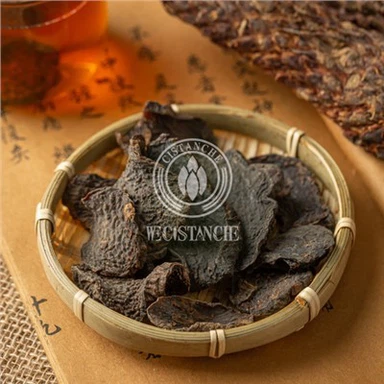
Can you supply both slice and extract? Tea-cut slice for decoction-style products, 10:1 or standardized extract for capsules and granules.
What is the MOQ, lead time, and documentation set? COA, MSDS, spec sheet, allergen statement, non-GMO statement, country of origin.
Can you co-develop a granule? The patent's own format-extract plus excipient, 16-mesh, low-temperature dried-is a manufacturing conversation, not a marketing one.
FAQ
Does Cistanche cure Alzheimer's disease? No. No herb, drug or combination currently cures Alzheimer's. Cistanche has preclinical evidence for neuroprotective and anti-amyloid activity, and this patent reports symptomatic and pathological improvement in a mouse model. That is a basis for further research and for carefully worded product positioning-not a cure claim.
Is the patented formula available as a product? The document describes a granule and a manufacturing method; it does not establish that a commercial product exists in every market. Availability, licensing and regulatory status must be confirmed with the applicant.
How much Cistanche is in the formula? 10 parts by weight in both the 8-herb core and the 20-herb version-roughly 8–9% of total mass in the full formula, and the largest single component alongside Polygonatum.
Can I take it with donepezil or memantine? That is a question for the prescribing neurologist, not a blog. The formula contains several herbs that affect coagulation and blood pressure, and the interactions are plausible even if unstudied.
Is it safe for older adults with kidney disease? No data exists in the patent. Conservative practice is to avoid or reduce under medical supervision.
What should a supplement brand claim? Structure/function language only in the US ("supports memory and cognitive function"), authorized claims only in the EU, and a disease disclaimer. Never use the phrase "treats Alzheimer's" in commerce.
The honest bottom line
This patent is not a breakthrough, and it is not nothing. It is a carefully argued, rationally constructed multi-herb formula with a real comparator and a consistent dataset in one transgenic mouse model-plus a formulation philosophy that avoids the two failure modes of older dementia formulas: overheating the patient and over-thinning the blood.
For a family, it is a reason to ask better questions of any product they buy: which species, what dose, what marker compound, what certificate, what disclaimer.
For a Cistanche supplier or brand, it is a reason to build the category properly-standardized extract, transparent COA, adherence-friendly granule, honest claims-because the families searching at 3 a.m. will reward the first company that treats them like adults.
References
World Health Organization. Dementia - fact sheet and prevalence estimates. https://www.who.int/health-topics/dementia
World Health Organization. New WHO guidelines: up to 45% of dementia risk could be prevented or delayed (2026). https://www.who.int/zh/news/item/15-07-2026-new-who-guidelines–up-to-45–of-dementia-risk-could-be-prevented-or-delayed
Li Z., et al. Cistanches Herba: A Neuropharmacology Review. Frontiers in Pharmacology, 2016. https://public-pages-files-2025.frontiersin.org/journals/pharmacology/articles/10.3389/fphar.2016.00289/pdf
Therapeutic Potential and Molecular Mechanisms of Echinacoside in Neurodegenerative Diseases. PMC review. https://pmc.ncbi.nlm.nih.gov/articles/PMC10796977/
Chinese invention patent application: Herbal composition for the prevention, alleviation or treatment of Alzheimer's disease and its pharmaceutical use (full English translation held on file; insert publication number before publishing).