A New Interpretation Of The Kidney-Tonifying And Bone-Strengthening Effect Of Cistanche: Understanding Bone Remodeling Balance From The Traditional Chinese Medicine Theory That The Kidney Governs Bone
Nov 26, 2026
Abstract: Departing from angles discussed more often in the past-such as warming yang, nourishing essence, moistening the intestine, and compound distribution-this paper takes the traditional Chinese medicine (TCM) theory that the kidney governs bone and generates marrow as its entry point. Drawing on published animal and in vitro studies, it reviews the possible mechanisms of Cistanche (the pharmacopoeial sources being Cistanche deserticola and C. tubulosa) in the coupling of bone formation and bone resorption, the maintenance of bone microarchitecture and bone mass, estrogen-like modulation, and related signaling pathways. It also makes clear that the available evidence is dominated by preclinical studies and is not yet sufficient to support clinical efficacy conclusions.
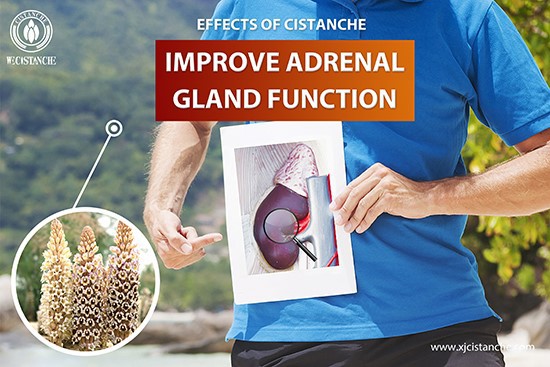
Cistanche tubulosa efficacy: Tonifying the kidney
Keywords: Cistanche; kidney governs bone; bone remodeling; osteoblast; osteoclast; osteoporosis; phenylethanoid glycosides
1. Introduction: Reading "Kidney Tonification" from a Different Angle
In previous discussions of Cistanche as a kidney-tonifying herb, the most common entry points have been the warming of kidney yang, the nourishing of essence and blood, the moistening of the intestine, together with the tissue distribution and antioxidant actions of its active constituents. This paper deliberately sets aside these repeatedly discussed angles and follows a line in TCM theory that has been less developed in modern reviews-the notion that "the kidney governs bone," that is, the correspondence between kidney tonification and bone metabolism, and the balance of bone remodeling. Based on published animal and in vitro studies, the following sections outline the possible steps at which Cistanche may act in bone metabolism, and clarify the limits of the current evidence.

Effects of cistanche-improve kidney function
2. Theoretical Origin: "The Kidney Governs Bone and Generates Marrow" and the Materia Medica Position of Cistanche
The Huangdi Neijing · Suwen, in the chapter On Atrophy (Wei Lun), states that "the kidney governs the bones and marrow of the body." Later classics developed this into the view that "the kidney stores essence; essence generates marrow; marrow nourishes the bone." When kidney essence is sufficient, marrow has a source from which to be produced, and the bones are nourished, remaining strong and resilient. When kidney essence is deficient, marrow becomes empty, and manifestations such as soreness and weakness of the lower back and knees, flaccid bones and tendons, loosening teeth, and hair loss may appear. The "bone" of TCM is not limited to the anatomical skeleton; it denotes a functional ensemble covering bone, marrow, teeth, and the related locomotor support system.
Cistanche was first recorded in the Shennong Bencao Jing (Shennong's Materia Medica), where it was classified as a superior-grade herb. Its traditional actions are to tonify kidney yang, nourish essence and blood, and moisten the intestine to promote defecation; it is warm in nature yet moist in quality, and its tonifying action is gentle rather than harsh. Through the dynasties, it was used in formulas for lower-back and knee pain, and flaccid weakness of bone and tendon, arising from kidney-yang deficiency and deficiency of essence and blood. In the pattern differentiation used in orthopedics and geriatrics, osteoporosis, lumbar pain, and flaccid weak lower limbs are often categorized as "kidney deficiency with weak bone," treated primarily by supplementing the kidney and filling the marrow, and strengthening bone and tendon; Cistanche is one of the herbs commonly included in kidney-tonifying, bone-strengthening formulas. It should be emphasized that these materia medica records represent traditional empirical knowledge and cannot be equated directly with efficacy conclusions in modern medicine.
3. Clarifying Concepts: the TCM "Kidney," the Skeletal System, and the Bone Remodeling Unit

Effects of Cistanche: Improve Kidney Function
Before turning to modern mechanisms, three sets of concepts need to be distinguished. First, the TCM "kidney" is a functional system that stores essence, governs bone, generates marrow, and controls bowel and bladder; it is not identical to the anatomical kidney. The bone-metabolic effects discussed in this paper target bone and its microenvironment; the paper does not claim that Cistanche directly protects the anatomical kidney. Second, the basic unit of modern bone metabolism is bone remodeling: osteoblasts are responsible for bone formation and osteoclasts for bone resorption; the two are continuously coupled within a remodeling unit, in which old bone is resorbed and new bone deposited, so that bone mass and microarchitecture are maintained in dynamic balance. Third, when resorption exceeds formation, or when osteoblast activity declines and osteoclasts are over-activated, bone loss and deterioration of microarchitecture follow-the essential pathological process of osteoporosis. The studies reviewed below focus on how Cistanche and its constituents may influence this coupled process.
4. Mechanism One: Bidirectional Regulation of the Coupled Balance Between Bone Formation and Bone Resorption
Among existing animal studies, one relatively consistent line of evidence concerns bidirectional regulation by Cistanche extracts at both the osteoblastic and osteoclastic ends. In the SAMP6 senescence-accelerated mouse model of osteoporosis, after intervention with total glycosides and polysaccharides of Cistanche, the bone-formation-related markers BMP-2 (bone morphogenetic protein-2), OCN (osteocalcin) and OPG (osteoprotegerin) were upregulated, while RANKL (receptor activator of nuclear factor-κB ligand) was downregulated. The RANKL/OPG ratio is the key determinant of osteoclast differentiation and activation: a fall in RANKL together with a rise in OPG indicates suppression of the osteoclastogenic signal. At the level of bone turnover markers, resorption markers such as S-CTX and TRACP decreased, whereas formation markers such as BGP, BALP and P1NP increased, suggesting a shift of bone metabolism away from a resorption-dominant state toward a rebalanced formation–resorption state.

Chinese herb cistanche-improve kidney function
Click here to view Cistanche for Kidney disease products
【Ask for more】 Email:cindy.xue@wecistanche.com / WhatsApp: 0086 18599088692 / WeChat: 18599088692
In terms of signaling, this study points to the Wnt/β-catenin pathway, which promotes the committed differentiation of mesenchymal stem cells toward osteoblasts and inhibits apoptosis of mature osteoblasts; the total glycosides and polysaccharides of Cistanche were found to participate in osteoblastic regulation through activation of this pathway. It should be noted that these results derive from animal models and tissue protein measurements; their corresponding role in human bone remodeling still requires clinical verification.
5. Mechanism Two: Protecting Bone Microarchitecture and Maintaining Bone Mass
In the ovariectomized (OVX) rat model that mimics postmenopausal osteoporosis, an ethanol extract of Cistanche improved cancellous bone microarchitecture, alleviated the imbalance of bone metabolism, and attenuated OVX-induced bone loss. Micro-CT and histopathology showed that trabecular structure was preserved; the bone formation markers BALP and PINP rose, the resorption markers β-CTX and TRACP-5b were suppressed, and calcium–phosphorus metabolism tended toward stability.
A serum metabolomics study based on UPLC/Q-TOF-MS further showed that, after extract intervention, differential metabolites were involved in pathways such as steroid hormone biosynthesis, lipid metabolism, and amino acid metabolism: estradiol-related metabolites and cortisol levels showed a return toward baseline, and inflammation-related metabolic steps were modulated. This suggests that the bone-mass protection afforded by Cistanche may not be the action of a single pathway, but a comprehensive regulation centered on bone turnover, hormonal environment, and metabolic state. This study was likewise conducted in rats, and extrapolation of its metabolite changes to humans should be made with caution.
6. Mechanism Three: Estrogen-Like Action and Hormone–Bone Metabolism Modulation
One of the central features of postmenopausal osteoporosis is that, after estrogen levels decline, osteoclasts lose their restraint and bone resorption is enhanced. Studies have observed that echinacoside and acteoside (also known as verbascoside) exert a phytoestrogen-like effect in OVX rat models: they suppress bone resorption, reduce bone loss and, to some extent, improve uterine histomorphology. In a combined rat model of osteoporosis together with Alzheimer's disease, the two constituents showed dual effects-improving learning and memory while inhibiting bone resorption and trending toward higher bone mineral density; among them, echinacoside showed a relatively clearer effect.
The precise targets of this estrogen-like action (such as estrogen receptors ERα/ERβ), its strength, and how it differs from endogenous estrogen, currently rest mainly on preclinical evidence. For people with hormone-related conditions, whether products containing such constituents are suitable should be decided by a physician in light of their medical history; they should not be taken long-term on their own solely on the concept of "phytoestrogen."

Cistanche efficacy-Tonifying kidney
7. Mechanism Four: Intervention at the Signaling Pathway Level and Protection of Articular Cartilage
In a rat model of osteoporotic osteoarthritis (OPOA; OVX combined with destabilization of the medial meniscus), high-dose intervention with a Cistanche extract inhibited bone loss and improved pain behavior and cartilage degeneration. Mechanistic work combining network pharmacology, molecular docking, and in vitro/in vivo validation pointed to inhibition of the PI3K/AKT/HIF-1α pathway: excessive activation of this pathway is associated with chondrocyte degeneration, expression of matrix metalloproteinases, and degradation of cartilage matrix. The extract and its constituent secologanic acid downregulated markers such as p-PI3K, p-AKT, HIF-1α, and MMP13, and upregulated aggrecan.
This line of work extends the object of observation from "bone mass" to "articular cartilage and the bone–cartilage interaction," indicating that Cistanche's actions in bone and joint may involve more than the osteoblast/osteoclast coupling alone. At the same time, it should be noted that the material used in that study was C. deserticola, whose marker active constituents differ in profile from those of C. tubulosa; results obtained from different botanical sources and different extract fractions (total glycosides, polysaccharides, ethanol extract, single compounds) cannot be directly substituted for one another.
8. Limits of the Evidence and Research Gaps
Taking the existing literature as a whole, the following limitations should be made explicit.
First, the research stage is dominated by animal experiments and in vitro cell studies; human randomized controlled trials are limited in number, and the level of evidence is not yet sufficient to support a definite clinical anti-osteoporosis conclusion. Second, botanical sources must not be conflated: the pharmacopoeia recognizes both C. deserticola and C. tubulosa; most bone-metabolic studies have used C. deserticola, while some combined-model studies have used single compounds from C. tubulosa, and constituent content and effects vary with species, origin, host plant, and processing method. Third, most study objects are extracts or active fractions (total glycosides, polysaccharides, ethanol extracts), while the dose–effect relationship, oral absorption, and metabolic fate of single compounds (echinacoside, acteoside, secologanic acid, etc.) remain unclear. Fourth, the applicable population has not been defined: there are no direct comparative data on benefits and risks across scenarios such as postmenopausal osteoporosis, age-related osteoporosis, and exercise-related bone loss. Fifth, bone-metabolic regulation often involves hormonal and inflammatory backgrounds; people with thyroid, parathyroid, or gonadal disease, and those on long-term medication, should consider related products only after medical assessment.
9. Application Perspective: Directions, Contraindications and Advice to Seek Medical Care
Judging from its traditional positioning and the available preclinical evidence, in kidney-tonifying formulas Cistanche is mainly used in pattern-differentiated cases of kidney-yang deficiency and essence–blood deficiency accompanied by soreness and weakness of the lower back and knees and flaccid bones and tendons; at the level of daily supplementation it should not be regarded as a "magic bone-strengthening drug." The following situations warrant caution or avoidance: those with yin deficiency and fire effulgence, dry mouth and tidal fever should not use warming-tonifying products on their own; those with weak spleen and stomach and loose stools should use it cautiously because of its moist, bowel-laxating nature; constipation due to heat accumulation is not an indication; pregnant and breastfeeding women, children, and people with hormone-related or bone-metabolic conditions should consult a physician or pharmacist before use. Those diagnosed with osteoporosis should undergo standardized assessment of bone mineral density and bone turnover markers, and follow prescribed treatment with calcium, vitamin D, anti-resorptive or bone-forming agents; Cistanche-related products can only serve as an adjunct chosen after medical assessment and cannot replace standard treatment.

Effects of Cistanche-Improve kidney function
10. Conclusion
From the new angle of "the kidney governs bone," this paper has mapped the "kidney tonification" of Cistanche onto the modern process of bone remodeling. Existing preclinical studies suggest that its total glycosides, polysaccharides, and phenylethanoid glycosides may participate in bidirectional regulation of the osteoblast–osteoclast balance, protection of bone microarchitecture and bone mass, modulation of a hormone-like environment, and intervention in specific signaling pathways. These steps correspond in direction to the TCM view that "when kidney essence is replete, marrow is replete and the bones are strong," but the evidence remains at the animal and in vitro stage, and the questions of botanical source, constituents, dosage, and population remain to be clarified. Viewing the distance between traditional experience and modern evidence is the premise for using this resource reasonably.
References
[1] Total glycosides and polysaccharides of Cistanche deserticola prevent osteoporosis by activating the Wnt/β-catenin signaling pathway in SAMP6 mice[J]. Journal of Ethnopharmacology, 2021.
[2] Cistanche deserticola Y.C. Ma protects rats against osteoporotic osteoarthritis by inhibiting the phosphatidylinositol 3-kinase/serine-threonine protein kinase B/hypoxia-inducible factor 1 alpha signaling pathway[J]. Journal of Ethnopharmacology, 2026.
[3] Li J, Zou Z, Su X, et al. Cistanche deserticola improves ovariectomy-induced osteoporosis mainly by regulating lipid metabolism: insights from serum metabolomics using UPLC/Q-TOF-MS[J]. Journal of Ethnopharmacology, 2024. DOI: 10.1016/j.jep.2023.117570.
[4] Establishment of the concurrent experimental model of osteoporosis combined with Alzheimer's disease in rats and the dual effects of echinacoside and acteoside from Cistanche tubulosa[J]. Journal of Ethnopharmacology, 2020.
[5] Cistanches Herba: an overview of its chemistry, pharmacology, and pharmacokinetic properties [J]. Journal of Ethnopharmacology, 2018.
[6] Pharmacology of Chinese Materia Medica[M]. National TCM Industry Higher Education "14th Five-Year" Planning Textbook. Beijing: China Press of Traditional Chinese Medicine, 2021. ISBN 9787513268080.
[7] Clinical guideline for diagnosis and treatment of osteoporotic proximal humeral fractures with integrated traditional Chinese and Western medicine (version 2026)[J]. Chinese Journal of Trauma, 2026.