Cistanche Deserticola, A Desert Treasure That Has Been Around Since The Era Of Genghis Khan
Nov 11, 2025
In the long history of the Mongolian grasslands, there was a battle that shone like brilliant stars, and that was the "Battle of the Thirteen Wings". In the first year of the Jin Mingchang era (1190), the influential figure on the grasslands, Temujin (later Genghis Khan), was at a critical stage in unifying various parts of the Mongolian grasslands. His sworn brother Zhamuhe, jealous of Temujin's growing power, joined forces with thirteen tribes, including Taichiw, to gather 30000 troops and launch a fierce attack on Temujin.
After learning the news, Temujin quickly gathered his 30000 troops and carefully formed the Thirteen Wings (Battalion) to confront the enemy. Both sides engaged in a thrilling battle on the grassland, and for a moment, the shouting of killing shook the sky, with swords and shadows flashing. However, the course of the war did not go as planned by Temujin. He suffered a defeat in this great battle and was forced to retreat to the sandy mountains covered in red willow forests.

The Secret of Genghis Khan's Rise
The army of Temujin, trapped on the sand mountain, found itself in a desperate situation. The scorching sun hung high, the sand mountains were scorching hot, they were hungry and thirsty, exhausted, and their morale was low, as if in the darkest moment before dawn, there was no glimmer of hope. At this moment, Zhamuhe's behavior at the foot of the mountain was even more appalling. He cruelly boiled and killed the prisoners in seventy pots in public, staining the earth with blood and creating a nauseating smell of blood in the air.
Perhaps it is because the heavens cannot bear to see Temujin sink, or perhaps it is fate's arrangement. Just as Temujin and his generals were feeling hopeless, the heavenly gods were enraged by the atrocities committed by Zhamuhe and sent divine horses to come and help. I saw the divine horse, like a black lightning bolt, leap in front of Genghis Khan, raise its head to the k y and let out a long cry, its voice echoing through the clouds. Subsequently, the divine horse shot its blood essence towards the roots of the red willow tree, and then used its hooves to sprout plant root blocks resembling the divine horse's reproductive organs.
Temujin and his generals looked at these peculiar root blocks with some confusion at first, but in the life-and-death moment, they had no choice but to try to eat them. A miracle happened. After they ate a piece of food, they suddenly felt a surge of divine power. Fatigue and hunger disappeared instantly, and their bodies were filled with strength. The flames of fighting spirit were reignited in their eyes.
Seizing this rare opportunity, Temujin gave the order, and the entire army rushed down the sand mountain like tigers. They fought bravely against the enemy, their momentum like a rainbow. The Zhamuhe tribe, which originally had the upper hand, was caught off guard by this sudden counterattack and collapsed instantly. Temujin defeated the Zhamuhe tribe in one fell swoop, not only plundering their wealth but also gaining numerous followers, laying a solid foundation for his unification of Mongolia.

The victory of this battle is undoubtedly an important turning point in Temujin's life. The mysterious root that helped him turn the tide of the war is the protagonist we are going to explore today - Cistanche deserticola. So, what is the magical thing about this Cistanche deserticola that can give the army such powerful strength at critical moments? How did it establish intricate connections with human civilization in the long river of history?
Get to know Cistanche deserticola
(1) Basic information of Cistanche deserticola
Cistanche deserticola Ma, also known as Cistanche deserticola Ma in Latin, is a perennial, tall, parasitic herbaceous plant belonging to the family Rhamnaceae and the genus Cistanche. It is like a mysterious hermit, with most of its body hidden underground, silently growing in the darkness, absorbing nutrients from its host. As a perennial herbaceous plant, its life trajectory is particularly unique compared to other plants.
Cistanche deserticola is extremely picky about its growth environment and often grows in the dunes of the Red Willow Desert at an altitude of 225-1150 meters. It has a typical temperate continental climate, with cold winters and hot summers, large annual and diurnal temperature differences, rare annual rainfall, and astonishing evaporation. However, it was in such extremely harsh environments that Cistanche deserticola found its own way of survival. It is an obligate root parasitic plant, mainly hosted by red willow (Haloxylon ammodendron) and white willow (H. persicum). Red willows often grow in semi-fixed or fixed sandy areas with high groundwater levels and mild salinization, as well as desert sandy areas. The soil they grow in is mostly irrigated desert soil, ash, brown calcareous soil, desert soil, and other types of desert soil. The fate of Cistanche deserticola is closely linked to that of Salix matsudana. It parasitizes on the lateral roots of Salix matsudana, which are 30-100 centimeters deep. Through a unique parasitic method, it obtains the necessary water and nutrients for growth from the roots of Salix matsudana, completing its own life cycle.

cistanche benefits for men
Worldwide, Cistanche deserticola is distributed in central and northern China, Mongolia, and other regions. In China, it is mainly distributed in Ningxia, Inner Mongolia, Gansu, Xinjiang, Qinghai, and other places. The deserts in these regions are the homeland of Cistanche deserticola and the stage for them to demonstrate their tenacious vitality.
(2) Appearance and Form
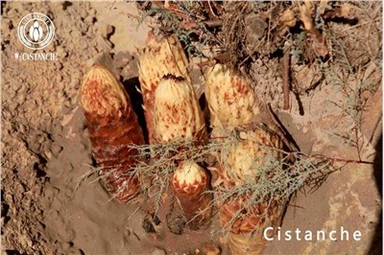
When Cistanche emerges from the ground, it seems like a strange treasure born in the desert. It is a tall herbaceous plant with a height between 40-160 centimeters. The stem is fleshy, resembling a thick jade pillar, slightly flattened or cylindrical, and has 2-4 branches or no branches from the base. The lower diameter can reach 5-10 (~15) centimeters, gradually narrowing upwards with a diameter of 2-5 centimeters, giving a solid and heavy feeling.
Its leaves are scaly, pale yellow white, resembling delicate scales, triangular, oval, or broadly ovate in shape, measuring 0.5-1.5 centimeters in length and 1-2 centimeters in width. The leaves longer than the lower end of the stem are denser, like tightly arranged shields, protecting the stem.m The upper leaves are relatively sparse and narrow, appearing as narrow lanceolate or lanceolate shapes, measuring 2-4 cm in length and 0.5-1 cm in width. Both sides are smooth and hairless, shining with a unique luster in sunlight.
The inflorescence of Cistanche deserticola is spike-shaped, like a carefully carved artwork, with a length of up to 15-50 centimeters and a diameter of 4-7 centimeters. The inflorescence is as long as or slightly longer than the corolla, and is ovate lanceolate, linear lanceolate, or lanceolate in shape. The outer and edges of the bracteoles and corolla lobes are sparsely covered with soft hairs or nearly hairless. The sepals are bell-shaped and can grow up to 1-1.5 centimeters in length. There are 5 shallow lobes at the top, and the lobes are nearly circular, resembling small petals. The corolla is cylindrical and bell-shaped, with 5 lobes at the top. The lobes are nearly semi-circular in shape, and the edges are usually slightly curled outward. The color is varied, sometimes showing a light purple color, and sometimes showing a pure pale yellow white color. Against the background of the desert, it appears particularly delicate and charming. There are 4 stamens, with filaments attached 5-6 millimeters from the base of the tube. The bottom is covered with wrinkled, long, soft hairs, and the anthers are long oval shaped, covered with dense, long, soft hairs. The bottom has a sharp tip, as if it were a mysterious guardian hidden in the flower cluster. The ovary is elliptical in shape, about 1 centimeter long, with nectaries at the bottom. The style is slightly longer than the stamens, hairless, and the stigma is nearly spherical. The entire flower structure is exquisite and full of the charm of life.

Desert ginseng-Fresh Cistanche deserticola
The fruit capsule is ovoid in shape, measuring 1.5-2.7 cm in length and 1.3-1.4 cm in diameter. It often has a persistent style at the top, resembling a small container waiting for the moment of maturity. When it matures, it will split into two petals and release the seeds inside. The seeds are nearly oval or elliptical in shape, about 0.6-1 millimeters long, with a mesh-like and glossy appearance. These tiny seeds carry the hope of continuing the life of Cistanche deserticola, waiting for the right opportunity in the desert to embark on a new journey of life.
The significance of Cistanche deserticola in the era of Genghis Khan
(1) War Assistance
In that war-torn era, the outcome of war often depended on many factors, and the physical fitness and endurance of soldiers were undoubtedly a crucial part of it. Cistanche deserticola, a seemingly ordinary plant, played an indispensable role in Genghis Khan's war journey.
From the perspective of modern science, Cistanche deserticola is rich in various beneficial components for the human body. It contains abundant phenylethanolic glycosides, which have significant antioxidant effects and can effectively eliminate free radicals in the body, reduce oxidative stress damage to cells, and thus delay physical fatigue. At the same time, the polysaccharide components in Cistanche deserticola cannot be ignored. It can regulate the human immune system, enhance the body's resistance, and enable soldiers to better resist the invasion of diseases and maintain good physical condition in harsh war environments.
In ancient wars, soldiers often had to travel long distances, crossing vast grasslands and deserts to engage in intense battles. Long periods of marching and fighting can quickly deplete their physical strength and leave them exhausted. The appearance of Cistanche deserticola is like a timely rain, providing soldiers with energy and nutrition. It can improve the endurance of soldiers, keeping them energized and fighting continuously on the battlefield. For example, in a long-distance campaign, after the soldiers ate Cistanche deserticola, their heavy footsteps became lighter and their tired bodies regained vitality. They were able to march at a faster speed, surprise the enemy, and achieve victory in the battle.

Cistanche male benefits
Cistanche also has a positive impact on the reproductive system of soldiers. In that era, reproducing offspring was crucial for the survival and development of a tribe. Cistanche deserticola has the effects of tonifying the kidneys, strengthening yang, and nourishing essence and blood. It can improve male reproductive ability, allowing soldiers to better fulfill their responsibility of reproducing offspring during times of war, and contribute to the continuation and growth of the tribe.
(2) Spiritual symbol
In addition to playing a practical role in war, Cistanche deserticola has also become a spiritual symbol of Genghis Khan's army, with profound cultural connotations.
In ancient times, people were often filled with reverence and admiration for nature. The appearance of Cistanche deserticola was regarded by Genghis Khan's army as a gift from the gods and a symbol of good fortune. Legend has it that Cistanche deserticola is a divine artifact bestowed upon Genghis Khan by the divine horse sent by the gods. This legend has been widely circulated in the military and is deeply rooted in people's hearts. Whenever soldiers face difficulties and feel hopeless and helpless, they will think of this legend, the power and hope brought by the Cistanche deserticola, and thus pick themselves up again, gather courage, and continue to fight.
The shape of Cistanche deserticola also has special significance. Its shape resembles that of a male genitalia, and in ancient society, genital worship was a common cultural phenomenon. People believe that the reproductive organs have strong reproductive power and vitality, which can bring prosperity and flourishing. The shape of Cistanche deserticola reminds soldiers of strength and reproduction, inspiring their inner fighting spirit and courage. They believe that by consuming Cistanche deserticola, they can gain this powerful force and be invincible on the battlefield.
In Genghis Khan's army, Cistanche deserticola also became a symbol of cohesion. When the soldiers ate Cistanche together, they felt the unity and trust between each other, as if they had become an inseparable whole. This cohesion enables them to support each other in war, face enemy attacks together, and strive for a common goal.

The Secret of Genghis Rise
The Historical Inheritance and Cultural Connotation of Cistanche deserticola
(1) Ancient medicinal records
Cistanche deserticola is like a brilliant pearl in the field of traditional Chinese medicine, emitting a unique radiance. Its medicinal history dates back over two thousand years in the "Shennong Bencao Jing". This classic, known as the first pharmacy monograph in ancient China, lists Cistanche deserticola as a top-grade herb and praises it for its ability to "nourish the middle, relieve cold, heat, and pain in the stem, nourish the five organs, strengthen yin, nourish essence and qi, and produce more children; treat women's ailments. Long-term consumption can lighten the body. In just a few words, it accurately summarizes the outstanding effects of Cistanche deserticola in nourishing the kidneys and yang, nourishing essence and blood, moistening the intestines and promoting bowel movements, laying a solid foundation for future research and application of Cistanche deserticola.
As time passed, in the Ming Dynasty, the great medical scholar Li Shizhen provided a more detailed explanation of Cistanche deserticola in his monumental work "Compendium of Materia Medica". He wrote, "This is a tonic. It is warm but not hot, nourishing but not steep, warm but not dry, smooth but not leaking, with a calm and gentle appearance, hence the name Cistanche." This vivid description not only further emphasizes the mild and nourishing characteristics of Cistanche but also cleverly explains the origin of its name. In the Compendium of Materia Medica, Cistanche deserticola is endowed with more medicinal value. It is used to treat various diseases, such as male impotence, female impotence, moistening the five organs, muscle growth, warming the waist and knees, male ejaculation, hematuria, and female vaginal pain. It has become an indispensable medicine in traditional Chinese medicine clinical practice.
In addition to the "Shennong Bencao Jing" and "Compendium of Materia Medica", the presence of Cistanche deserticola can also be found in many other ancient texts. For example, in the book "Explanation of Medicinal Properties Processed by Lei Gong", it is recorded that "Cistanche deserticola has a sweet, sour, and salty taste, a slightly warm nature, and is non-toxic. It enters the kidney and large intestine meridians. It is mainly used for male impotence, female infertility, vaginal discharge, blood collapse, cold pain in the waist and knees, and blood stasis and constipation." These classic records confirm each other and continuously enrich people's understanding of the medicinal value of Cistanche deserticola, making its position in the field of traditional Chinese medicine increasingly stable.

cistanche body building
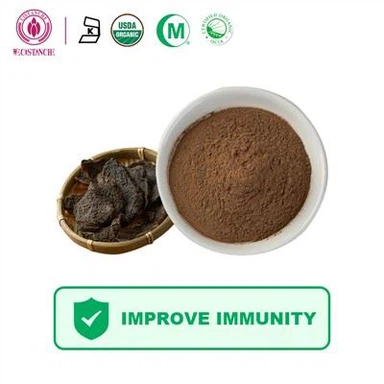
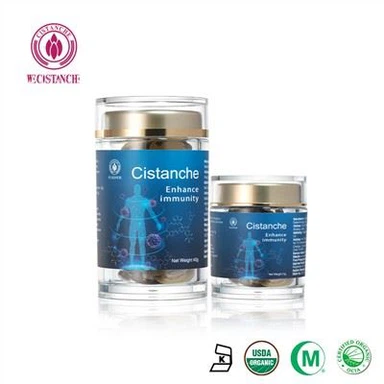
Click here to view Cistanche Enhance Immunity products
【Ask for more】 Email:cindy.xue@wecistanche.com / WhatsApp: 0086 18599088692 / Wechat: 18599088692
(2) Folktales and Stories
In folk culture, Cistanche deserticola also has rich legends and stories, which add a mysterious and romantic color to it.
In the folk culture of Northwest China, there is a legend that Cistanche is the "godson" of the red willow tree. It is said that the red willow tree grows tenaciously in the scorching desert, and its resilience and indomitable spirit have moved the gods. So, the gods decided to give the red willow tree a special gift, allowing it to grow Cistanche deserticola from its roots as a reward. Therefore, local herdsmen, when harvesting Cistanche deserticola, will place some tribute beside the roots of the red willow tree with a heart of awe and gratitude to express their gratitude to nature.
There is also a story circulating in desert caravans that Cistanche deserticola is regarded as a life-saving herb for camels. In the vast and boundless desert, the camels of the caravan often get lost. However, miraculously, if those lost camels were lucky enough to find Cistanche deserticola and gnaw on it, they could quickly recover their strength and find their way out of the desert again. Modern scientific research has found that Cistanche deserticola does contain ingredients that can resist fatigue, which indirectly verifies the observations and wisdom of ancient people. In the era without advanced scientific instruments, people discovered the magical effect of Cistanche deserticola on camels through careful observation of life, and this story has been passed down from generation to generation in desert caravans.
In Ningxia, there is also a romantic custom related to Cistanche deserticola. If young men and women in the local area find the conjoined Cistanche deserticola together, they will be considered destined by heaven and have the fate of a couple. Nowadays, the local tourism bureau has fully utilized this cultural tradition and developed the "Seeking Cistanche" blind date event, attracting many young people to participate and becoming a popular check-in project for local internet celebrities. During the event, young men and women held hands and searched for the conjoined Cistanche that symbolized love in the desert. Their faces were filled with happiness and hopeful smiles, adding a youthful vitality to this ancient desert.
The modern value of Cistanche deserticola
(1) Analysis of Medicinal Value
Under the microscope of modern science, the medicinal value of Cistanche deserticola is further revealed. It is like a treasure trove containing rich treasures, bringing many benefits to human health.
Modern scientific research has shown that Cistanche deserticola is rich in various chemical components, which work together to exert magical medicinal effects. Among them, phenylethanoid glycosides are one of the main active ingredients in Cistanche deserticola, which has strong antioxidant capacity and can act as a loyal defender, clearing free radicals in the body, reducing oxidative stress damage to cells, thereby delaying aging and preventing the occurrence of various chronic diseases. For example, studies have found that phenylethanoid glycosides can significantly increase the activity of superoxide dismutase (SOD) and glutathione peroxidase (GSH Px), two important antioxidant enzymes in the body that can effectively eliminate free radicals and protect cells from oxidative damage.
The polysaccharide components in Cistanche deserticola cannot be ignored. Polysaccharides have the function of regulating immune function, which can enhance the body's resistance and better resist the invasion of diseases. When the human immune system is attacked by external pathogens, polysaccharides can activate immune cells such as macrophages, T lymphocytes, and B lymphocytes, enhance their activity, and enable them to more effectively recognize and eliminate pathogens, thereby improving the body's immunity.
Cistanche deserticola also has significant effects in tonifying kidney yang and nourishing essence and blood. It can regulate the function of the hypothalamic pituitary adrenal axis, promote the secretion of sex hormones, and thus improve the symptoms of kidney yang deficiency. For men, Cistanche deserticola can improve sexual function and treat problems such as impotence and premature ejaculation; For women, it can regulate endocrine function, improve symptoms such as menstrual disorders, uterine coldness, and infertility.
In terms of moistening the intestines and promoting bowel movements, Cistanche deserticola also performs well. It contains oligosaccharides, mannitol, betaine, and other components that can increase intestinal osmotic pressure, inhibit the absorption of water by the large intestine, promote intestinal peristalsis, and thus play a role in moistening the intestines and promoting bowel movements. This effect is different from stimulant laxatives, as it does not cause damage to the intestines and is particularly suitable for elderly constipation, physical weakness, and pregnant women with constipation.
(2) Health and wellness applications
In the field of modern health and wellness, Cistanche deserticola has become a powerful assistant for people to pursue a healthy life due to its unique efficacy. Its application methods are diverse and abundant, providing people with protection for their health.
Brewing tea with Cistanche deserticola is a simple and convenient way to maintain health. Cut the Cistanche deserticola into thin slices, take 3-5 grams, and put them in a cup. Brew in boiling water and let it steep for 10-15 minutes before drinking. Cistanche deserticola tea has a rich and mellow taste with a faint fragrance. Drinking one cup a day can have the effects of nourishing the kidneys, nourishing essence, moistening the intestines, and promoting bowel movements. In addition to busy work, brewing a cup of Cistanche deserticola tea can not only enjoy a moment of tranquility, but also replenish energy for the body, which can be said to be killing two birds with one stone.
Soaking Cistanche deserticola in wine is also a common method of health preservation. Wash and dry Cistanche deserticola, and put it into Baijiu for soaking. Generally, the ratio of Cistanche deserticola to Baijiu is about 1:10. Soak it in a sealed manner for 15 to 30 days, and drink it after the wine turns golden yellow. Cistanche deserticola wine has the effects of warming and tonifying kidney yang, and strengthening the body. Moderate consumption can improve symptoms such as soreness and weakness in the waist and knees, and fear of cold caused by kidney yang deficiency. However, it should be noted that drinking alcohol should be moderate to avoid excessive drinking, which can cause harm to the body.
When Congee is cooked, Cistanche deserticola can not only increase the nutritional value of Congee, but also play a role in health care. Cut Cistanche deserticola into small pieces and cook Congee with rice, millet, and other ingredients until Congee is cooked. Cistanche Congee is soft and glutinous, rich in nutrition, and suitable for breakfast or dinner. Long-term consumption of Cistanche Congee can nourish the body and improve the condition of weakness.
In addition to the traditional consumption methods mentioned above, Cistanche deserticola has also been made into various health products, such as Cistanche deserticola soft capsules, Cistanche deserticola oral liquid, etc. These health products are convenient to carry, easy to take, and suitable for the fast-paced lifestyle of modern people. After scientific extraction and processing, they can more effectively exert the medicinal effects of Cistanche deserticola, providing more comprehensive protection for people's health.
There are also some precautions to remember when consuming Cistanche deserticola. Cistanche deserticola is warm in nature and should not be consumed excessively by those with yin deficiency and excessive fire, to avoid exacerbating the symptoms of dryness and heat in the body. When consuming Cistanche deserticola, the principle of moderation should be followed, as excessive consumption may cause discomfort symptoms such as overheating. When purchasing Cistanche deserticola, it is important to choose legitimate channels to ensure the quality and safety of the product.