Cistanche Deserticola, A Desert Treasure That Safeguards Residual Kidney Function
Jun 05, 2025
The importance of chronic kidney disease and residual renal function

Superman herbs, cistanche-Improve kidney function
In today's society, chronic kidney disease (CKD) has become a global public health problem. Its incidence rate is increasing year by year, which seriously threatens people's health. According to statistics, the global prevalence of chronic kidney disease is 10.1% -13.3%, and the number of chronic kidney disease patients in China has exceeded 100 million. Chronic kidney disease has an insidious onset, and most patients have no obvious symptoms in the early stages, making it easy to overlook. Once the condition progresses to end-stage kidney disease, it requires kidney replacement therapy, such as dialysis or kidney transplantation, which not only brings great pain to patients but also imposes a heavy economic burden on families and society.
For patients with chronic kidney disease, residual renal function is particularly important. Residual renal function, in simple terms, refers to the partial renal function retained by patients with chronic kidney disease after undergoing kidney replacement therapy (such as dialysis). Although this part of renal function may only be 10% or even lower than normal renal function, it plays a crucial role in the survival and quality of life of patients.
Residual renal function can significantly affect the survival rate of patients. Numerous studies have shown that patients with good residual kidney function have a significantly lower risk of mortality compared to those with poor residual kidney function. Residual renal function plays an important role in maintaining water and electrolyte balance, clearing metabolic waste and toxins, and secreting various bioactive substances. When residual renal function is impaired, the kidneys are unable to properly excrete metabolic waste, resulting in elevated blood indicators such as urea nitrogen and creatinine, disrupted water and electrolyte metabolism, and manifestations such as edema, hypertension, and hypokalemia. This increases the risk of complications such as cardiovascular disease, infection, malnutrition, and renal bone disease, posing a serious threat to the patient's life and health.
Residual renal function also has a profound impact on the quality of life of patients. It helps to better eliminate toxins and excess water from the body, reduce swelling and fatigue, and make patients feel more comfortable. Residual renal function can also produce a certain amount of erythropoietin and active vitamin D, promote red blood cell production and maintain calcium and phosphorus balance, delay the occurrence of complications such as renal bone disease, and enable patients to maintain good physical condition and participate in more daily activities. Having a certain residual renal function can make patients feel closer to a normal life, enhance their confidence in overcoming the disease, and provide them with great psychological support.

Desert ginseng improves kidney function
Protecting residual renal function is urgent for patients with chronic kidney disease. So, how can residual kidney function be effectively protected? In addition to actively treating primary diseases, controlling blood pressure and blood sugar, regulating medication, and adopting a reasonable diet, in recent years, more and more research has begun to focus on the role of some natural medicines in protecting residual kidney function, and Cistanche deserticola is one of the highly anticipated ones.
Cistanche deserticola: a modern exploration of traditional treasures
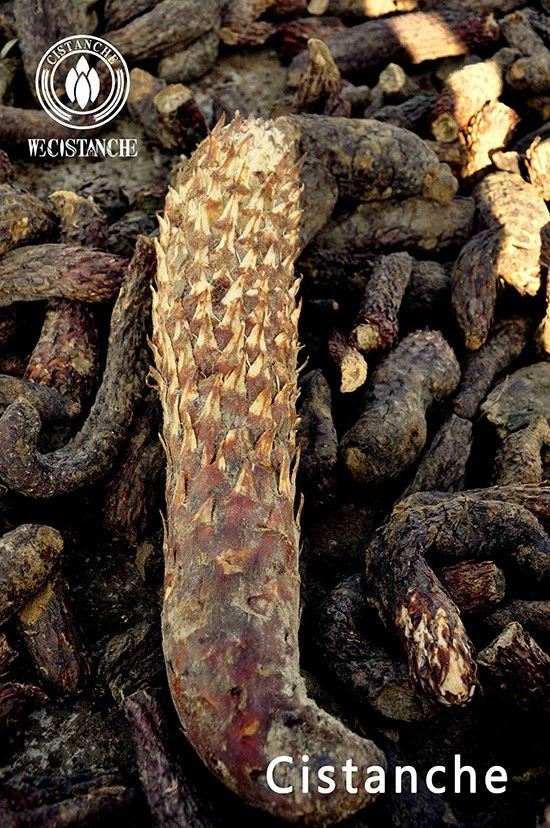
Cistanche deserticola, a magical plant that grows deep in the desert, is known as the "desert ginseng" and has a long history of medicinal use in China. It is a dry, fleshy stem with scaled leaves of Cistanche deserticola or Cistanche tubulosa, a plant in the family Rhamnaceae. It is mainly distributed in Inner Mongolia, Ningxia, Gansu, and Xinjiang. In ancient times, Cistanche deserticola was regarded as a precious tonic and was often offered as a tribute to the imperial court by various countries in the Western Regions. It was also one of the most frequently used tonics in kidney tonifying and yang-strengthening prescriptions throughout history. The "Shennong Bencao Jing" lists Cistanche deserticola as a top-grade herb, recording that it "mainly works on five aspects and seven injuries, replenishes the middle, removes cold, heat, and pain in the stem, nourishes the five organs, strengthens yin, benefits essence and qi, has many children, and can cure women's ailments. Long-term consumption can lighten the body. The Compendium of Materia Medica also highly praised its efficacy: "This is a tonic that soothes and nourishes. It is warm but not hot, nourishing but not steep, warm but not dry, smooth but not leaking, with a calm and soothing appearance, hence the name Cistanche.
In modern medical research, Cistanche deserticola has demonstrated diverse effects. It contains various active ingredients, such as phenylethanoid glycosides, cyclohexene ether terpenes, lignans, polysaccharides, etc., which endow Cistanche deserticola with multiple pharmacological effects. Cistanche deserticola has the functions of regulating the neuroendocrine system, enhancing immunity, antioxidation, anti-aging, anti-fatigue, regulating gastrointestinal function, protecting the liver, and cardiovascular and cerebrovascular systems. In regulating the neuroendocrine system, Cistanche deserticola has both androgen-like effects and can increase the release of monoamine neurotransmitters in the central nervous system by inhibiting the activity of monoamine oxidase in the hypothalamus, enhancing gonadal function, and achieving the goal of preventing sexual dysfunction and improving sexual function. From the perspective of enhancing immunity, the water extract of Cistanche deserticola can significantly increase the weight of spleen and thymus, enhance the phagocytic ability of peritoneal macrophages, increase hemolysin and PFC values, improve lymphocyte transformation rate, and delay hypersensitivity index. Its antioxidant effect is reflected in its ability to significantly enhance the activity of superoxide dismutase (SOD) in mouse red blood cells, significantly reduce the content of lipofuscin in mouse myocardium, and thus delay aging.

Phenylethanol glycoside is the main active component of Cistanche deserticola
In recent years, more and more research has focused on the role of Cistanche deserticola in protecting residual kidney function. Research has found that some active ingredients in Cistanche deserticola can alleviate damage to kidney cells, inhibit inflammatory reactions, regulate immune function, and thus protect residual kidney function. Its specific mechanism of action may be related to regulating the renin-angiotensin system, antioxidant stress, and inhibiting cell apoptosis. The phenylethanoid glycosides in Cistanche deserticola have strong antioxidant activity, which can clear excessive free radicals in the body and alleviate oxidative stress damage to kidney tissue; Polysaccharides can regulate the function of immune cells, inhibit the release of inflammatory factors, and alleviate renal inflammation. These research results provide new ideas and methods for protecting residual renal function in patients with chronic kidney disease, and also bring new vitality and vigor to the traditional treasure of Cistanche deserticola in modern medicine.
Clinical Observation: Exploring the Kidney Protecting Secrets of Cistanche deserticola

Effects of Cistanche-Improve kidney function
In order to further explore the role of Cistanche deserticola in protecting residual renal function, researchers have conducted a series of rigorous and scientific clinical observational studies. Now, let's delve into the specific content of this research together.
(1) Research Design Unveiled
This clinical observation selected 90 hemodialysis patients as the research subjects, who came from the Department of Nephrology of Hebei Provincial Geriatric Hospital, the Department of Nephrology of Hebei Youai Hospital, the Department of Nephrology of Hebei University Affiliated Hospital, and the outpatient department of the Department of Nephrology of the Third Affiliated Hospital of Peking University School of Medicine. The reason for selecting these 90 patients is due to strict consideration, as they have broad representativeness and can better reflect the characteristics of the chronic kidney disease patient population.
In terms of grouping, the study used a self-controlled research method, which has the advantage of reducing the impact of individual differences on the research results, making the research results more accurate and reliable. Specifically, each patient will be used as a control group, with the first 3 months being a blank control group and patients receiving only routine dialysis treatment; The last 3 months are the treatment group for Cistanche deserticola, in which patients take Cistanche deserticola in addition to routine dialysis. The observation period is set to 6 months of continuous treatment, which allows for a relatively long observation period and a more comprehensive and stable observation of the impact of Cistanche deserticola on residual renal function, avoiding bias in results due to short observation time. At the same time, the observation period was deliberately avoided from April to September because during this period, the weather is hot and patients sweat a lot. The excretion of sweat may interfere with observation indicators such as urine output, thereby affecting the accuracy of the research results and fully reflecting the rigor of the research design.
(2) Complete analysis of patient data

Effects of Cistanche-Improve kidney function
Click here to view Cistanche for Kidney disease products
【Ask for more】 Email:cindy.xue@wecistanche.com / WhatsApp: 0086 18599088692 / Wechat: 18599088692
Among these 90 patients, there were 48 males and 42 females, with an age of (55.0 ± 8.5) years and a disease course of (11.0 ± 5.6) years. Their primary diseases are diverse, including 36 cases of chronic glomerulonephritis, 28 cases of hypertensive kidney damage, 10 cases of drug-induced kidney damage, 5 cases of polycystic kidney disease, 5 cases of gouty kidney disease, and 6 other cases. The age, gender, course of illness, and primary disease of these patients may all have an impact on the research results.
Age factors may affect various bodily functions, including the metabolism and repair ability of the kidneys. Generally speaking, as age increases, kidney function gradually declines, and the response to medication may also vary. Gender differences may also exist in the occurrence, development, and response to medication of certain diseases, such as differences in hormone levels and lifestyle habits between males and females, which may indirectly affect the progression and treatment effectiveness of kidney disease. The length of the disease course reflects the development stage and severity of kidney disease. Patients with longer disease courses may have more severe kidney damage and relatively poorer residual kidney function. The treatment response to Cistanche deserticola may be different from that of patients with shorter disease courses. The types of primary diseases are directly related to the mechanism and pathological changes of kidney injury. Different primary diseases may lead to different kidney lesions, thereby affecting the protective effect of Cistanche deserticola on residual kidney function. Therefore, fully considering these factors in the research process can help to more accurately analyze and evaluate the efficacy of Cistanche deserticola.
(3) Key points of treatment and observation
In terms of treatment methods, the blank control group patients received routine treatment, including regular dialysis three times a week for 4 hours each time, with blood flow controlled at 200-250 mL/min. At the same time, drugs such as hypoglycemic, antihypertensive, lipid-lowering, calcium phosphate metabolism adjustment, and anemia correction were routinely used. The treatment group treated with Cistanche deserticola was given in addition to routine dialysis and the aforementioned conventional treatments.
In terms of observation indicators, it covers multiple contents closely related to residual renal function. Urine output is an important indicator that reflects the excretion function of the kidneys. Patients with good residual renal function usually have relatively high urine output. When kidney function is impaired, urine output gradually decreases. By observing changes in urine output, one can intuitively understand the changes in renal excretion function. Serum indicators such as serum urea nitrogen, creatinine, albumin, hemoglobin, Ca² ⁺, and P³ ⁺ can also reflect the metabolic and functional status of the kidneys. Serum urea nitrogen and creatinine are important indicators for measuring the ability of the kidneys to excrete metabolic waste. When kidney function declines, their concentrations in the blood increase; The levels of albumin and hemoglobin are related to the nutritional status and anemia of patients. Kidney disease patients often have malnutrition and anemia, and improving residual kidney function can help improve these indicators. The balance between Ca² ⁺ and P³ ⁺ is crucial for maintaining bone health and cardiovascular function. The kidneys play a key role in regulating calcium and phosphorus metabolism, and changes in residual kidney function directly affect calcium and phosphorus metabolism. Blood pressure is also a key observation indicator. Patients with kidney disease often have hypertension, which further exacerbates kidney damage and forms a vicious cycle. Controlling blood pressure is crucial for protecting residual renal function. Observing changes in blood pressure can help understand the impact of Cistanche deserticola treatment on blood pressure and the relationship between blood pressure and residual renal function. In addition, the patient's dry body mass, ultrafiltration volume, nutritional status, inflammatory status, and other indicators will be observed, which comprehensively reflect the patient's overall health status and dialysis effectiveness, and are closely related to residual renal function. Through comprehensive observation and analysis of these indicators, the protective effect of Cistanche deserticola on residual renal function can be evaluated more deeply and accurately.
Data speaks for itself: the significant effectiveness of Cistanche deserticola
(1) Positive changes in renal function indicators
In the clinical observation of these 90 hemodialysis patients, Cistanche deserticola has shown remarkable results in improving renal function indicators.
From the two key indicators of serum urea nitrogen and creatinine, the blank control group showed fluctuations in serum urea nitrogen and creatinine levels during the 3 months of routine dialysis treatment, but the overall changes were not significant. After taking Cistanche deserticola for 3 months, the serum urea nitrogen in the Cistanche deserticola treatment group significantly decreased from (23.5 ± 5.6) mmol/L before treatment to (18.2 ± 4.3) mmol/L, and creatinine also decreased from (856.3 ± 120.5) μ mol/L to (705.8 ± 105.2) μ mol/L. These data intuitively indicate that Cistanche deserticola can effectively promote the excretion of metabolic waste by the kidneys, reduce the burden on the kidneys, and thus improve kidney function.
The levels of hemoglobin and albumin are closely related to the nutritional status of patients and are also important indicators reflecting the improvement of renal function. The hemoglobin and albumin levels of the blank control group remained stable during routine treatment without significant improvement. After taking Cistanche deserticola treatment, the hemoglobin level increased from (95.5 ± 10.2) g/L to (108.3 ± 12.5) g/L, and the albumin level also increased from (32.5 ± 3.5) g/L to (36.8 ± 4.2) g/L. This fully demonstrates that Cistanche deserticola can help improve the nutritional status of patients and enhance the body's resistance, which may be due to its promotion of kidney function recovery, making the body more effective in absorbing and utilizing nutrients.
The balance of Ca² ⁺ and P³ ⁺ in serum is crucial for maintaining bone health and cardiovascular function, and the kidneys play a key role in regulating calcium and phosphorus metabolism. In the blank control group, the levels of Ca² ⁺ and P³ ⁺ often fluctuate, making it difficult to maintain a stable equilibrium state. After receiving treatment with Cistanche deserticola, the Ca² ⁺ level in the Cistanche deserticola treatment group was adjusted from (2.0 ± 0.3) mmol/L to (2.2 ± 0.2) mmol/L, and the P³ ⁺ level was reduced from (1.8 ± 0.4) mmol/L to (1.5 ± 0.3) mmol/L. Calcium and phosphorus metabolism were significantly improved, approaching normal levels. This indicates that Cistanche deserticola can regulate the excretion and reabsorption of calcium and phosphorus in the kidneys, maintain the balance of calcium and phosphorus in the body, reduce complications caused by calcium and phosphorus metabolism disorders, such as renal bone disease, cardiovascular disease, etc., further reflecting the protective effect of Cistanche deserticola on residual renal function and its positive impact on the overall health status of patients.
(2) Comprehensive improvement of physical condition

Desert ginseng-Antioxidant
Cistanche not only performs well in improving renal function indicators, but also has a comprehensive and positive impact on the physical condition of patients.
In terms of urine output, the Cistanche deserticola treatment group showed a significant increase in residual urine output after taking Cistanche deserticola. This means that the excretion function of the kidneys has been improved, allowing for better clearance of excess water and metabolic waste from the body. Under normal circumstances, the kidneys of a healthy person can effectively filter blood, converting excess water and waste into urine and excreting it from the body. For patients with chronic kidney disease, especially those receiving dialysis treatment, residual kidney function is impaired, and urine output often decreases, leading to the accumulation of water and waste in the body, causing a series of problems such as edema and hypertension. The function of Cistanche deserticola is like injecting new vitality into damaged kidneys, allowing them to resume partial excretion function, increase residual urine volume, and reduce the burden on the body.
The control of dry weight and ultrafiltration volume is crucial for dialysis patients. Dry weight refers to the weight of dialysis patients without excess water retention or dehydration. Accurate control of dry weight can improve the effect and safety of dialysis. The ultrafiltration volume refers to the excess amount of water cleared from the patient's body during dialysis. In the blank control group, due to poor residual renal function, it is often difficult to control dry weight and ultrafiltration volume, and patients are prone to weight fluctuations, repeated edema, and other problems. After taking Cistanche deserticola treatment group, the dry weight was better controlled, the fluctuation range was significantly reduced, and the ultrafiltration volume was more stable, which could more accurately remove excess water from the body, avoiding complications such as hypotension and heart failure caused by excessive or insufficient water removal, and improving the safety and effectiveness of dialysis.
The stability of blood pressure is also one of the significant effects brought by the treatment of Cistanche deserticola. Kidney disease patients often have hypertension, which can further exacerbate kidney damage and form a vicious cycle. In the blank control group, although patients received routine antihypertensive treatment, their blood pressure was still difficult to control steadily and fluctuated greatly. After adding Cistanche deserticola to the treatment group, blood pressure gradually stabilized, with systolic blood pressure decreasing from (155.3 ± 15.2) mmHg to (140.5 ± 12.5) mmHg and diastolic blood pressure decreasing from (95.6 ± 10.3) mmHg to (85.8 ± 8.6) mmHg. This may be because Cistanche deserticola protects residual kidney function, regulates the water sodium balance and renin-angiotensin system in the body, effectively lowers blood pressure, breaks the vicious cycle between kidney disease and hypertension, and provides stronger protection for patients' health.
Cistanche deserticola also has a positive effect on improving the nutritional and inflammatory status of patients. By increasing hemoglobin and albumin levels, Cistanche deserticola enhances the nutritional status of patients, making their bodies more energetic and resistant. In terms of inflammatory status, studies have found that Cistanche deserticola can reduce the levels of inflammatory factors in patients, such as tumor necrosis factor-α α (TNF-α), interleukin-6 (IL-6), etc. These inflammatory factors are often at high levels in patients with chronic kidney disease, which can trigger systemic inflammatory reactions and further damage the kidneys and other organs. The anti-inflammatory effect of Cistanche deserticola helps to reduce the damage of inflammation to the body, protect residual kidney function, and improve the quality of life of patients. These improvements are of great significance for improving the adequacy of dialysis and the quality of life of patients. Dialysis adequacy refers to the ability of dialysis to effectively remove metabolic waste and excess water from the patient's body, maintaining a stable internal environment. Cistanche deserticola improves kidney function, increases urine output, controls dry weight and ultrafiltration volume, stabilizes blood pressure, and regulates nutrition and inflammatory status, comprehensively enhancing the adequacy of dialysis, making patients more comfortable during the dialysis process, reducing the occurrence of complications, and enabling patients to better return to normal life and enjoy a higher quality of life.
In-depth analysis: the mechanism of action of Cistanche deserticola
(1) Antioxidant: Clearing free radicals and protecting the kidneys
Cistanche deserticola is like a brave 'antioxidant defender', playing a crucial role in protecting residual kidney function. It is rich in antioxidants such as carotenoids, polyphenols, and flavonoids, which are powerful weapons against free radicals.
During normal physiological metabolism, the human body continuously produces free radicals. For patients with chronic kidney disease, due to impaired kidney function and metabolic disorders, more free radicals are produced. These free radicals are like uncontrollable "little monsters" with strong activity. They attack lipids, proteins, and DNA in kidney cells, triggering oxidative stress reactions, like a merciless "war", causing serious damage to kidney tissue and further deteriorating kidney function.
The antioxidants in Cistanche deserticola can step forward and exert a strong ability to eliminate free radicals. Carotenoids can directly bind to free radicals, rendering them inactive and preventing their attack on kidney cells. Polyphenolic compounds provide hydrogen atoms and react with free radicals to convert them into stable molecules, thereby eliminating the harm of free radicals. Flavonoids not only have antioxidant effects, but also regulate the intracellular antioxidant enzyme system, enhancing the antioxidant capacity of kidney cells themselves.
The antioxidant effect of Cistanche deserticola can effectively alleviate kidney inflammation. When a large amount of free radicals is produced, it activates the inflammatory signaling pathway, leading to an increase in the release of inflammatory factors and triggering kidney inflammation. Cistanche deserticola alleviates kidney inflammation by clearing free radicals, inhibiting the activation of inflammatory signaling pathways, and reducing the release of inflammatory factors. Research has shown that extracts from Cistanche deserticola can reduce the content of malondialdehyde (MDA) in kidney tissue. MDA is a product of lipid peroxidation, and a decrease in its content means a decrease in oxidative stress levels; At the same time, Cistanche deserticola can also increase the activity of superoxide dismutase (SOD) and glutathione peroxidase (GPx), which are important antioxidant enzymes in the body. The increase in their activity helps to enhance the antioxidant defense system of the kidneys, further reduce the damage of oxidative stress to the kidneys, and improve kidney function.
The antioxidant effect of Cistanche deserticola also plays an important role in delaying kidney aging. As age increases and kidney disease progresses, kidney cells gradually age and their function gradually declines. The attack of free radicals is one of the important reasons for the aging of kidney cells. The extract of Cistanche deserticola can prolong the lifespan of kidney cells, reduce kidney cell apoptosis, and delay the aging process of kidney cells by regulating aging related signaling pathways such as p53/p21 and p16/Rb signaling pathways, allowing the kidneys to maintain a good functional state and thus protect residual kidney function.
(2) Anti-inflammatory: Inhibits inflammation, repairs kidneys
The anti-inflammatory components, such as saponins, polysaccharides, and flavonoids in Cistanche deserticola, play a crucial role in protecting residual kidney function, like a group of hardworking "repair workers" working hard to repair damaged kidneys.
Inflammatory response is a crucial link in the occurrence and development of chronic kidney disease. When the kidneys are stimulated by various pathogenic factors, the immune system is activated, leading to the infiltration of inflammatory cells into kidney tissue, such as macrophages and lymphocytes. These inflammatory cells release a large amount of inflammatory factors, such as tumor necrosis factor-α (TNF-α), interleukin-1 β (IL-1 β), interleukin-6 (IL-6), etc. These inflammatory factors are like "troublemakers" that can trigger a series of inflammatory reactions, leading to damage to kidney tissue, including glomerular injury, tubulointerstitial fibrosis, and accelerating the deterioration of kidney function.
The anti-inflammatory components in Cistanche deserticola can accurately identify and inhibit the production and release of these inflammatory factors. Saponins can reduce the release of inflammatory factors by regulating the function of inflammatory cells, inhibiting their activation and proliferation. Polysaccharides can activate receptors on the surface of immune cells, regulate the signaling pathways of immune cells, inhibit the transmission of inflammatory signals, and reduce the expression levels of inflammatory factors. Flavonoids have multiple anti-inflammatory mechanisms and can inhibit the activity of inflammation related enzymes such as cyclooxygenase-2 (COX-2) and lipoxygenase (LOX), reducing the production of inflammatory mediators; It can also regulate the activity of inflammation related transcription factors such as nuclear factor kappa B (NF - κ B), inhibit the expression of inflammatory genes, and thereby alleviate the inflammatory response.
The anti-inflammatory effect of Cistanche deserticola not only reduces kidney inflammation but also promotes the regeneration of renal tubular epithelial cells. During inflammation, renal tubular epithelial cells are damaged, leading to impaired function. Cistanche deserticola creates a favorable environment for the regeneration of renal tubular epithelial cells by reducing inflammation. It can promote the proliferation of renal tubular epithelial cells, increase the expression of cell cycle proteins, and encourage cells to enter the proliferation cycle; At the same time, it can also inhibit apoptosis of renal tubular epithelial cells, regulate the expression of apoptosis related proteins such as Bcl-2 and Bax, and reduce cell death. Cistanche deserticola can also regulate the metabolism of extracellular matrix, inhibit the expression of fibrosis-related factors, reduce excessive deposition of extracellular matrix, prevent the occurrence of interstitial fibrosis in renal tubules, thereby promoting the repair and regeneration of renal tubular epithelial cells and improving renal function.
The anti-inflammatory effect of Cistanche deserticola is of great significance for improving kidney function and delaying kidney aging. By reducing inflammation, Cistanche deserticola can reduce damage to kidney tissue, protect the structure and function of glomeruli and tubules, and enable the kidneys to better perform functions such as excreting metabolic waste and regulating water and salt balance. The reduction of inflammation can also slow down the aging process of the kidneys, reduce damage and apoptosis of kidney cells, maintain the vitality and function of kidney cells, and provide strong support for protecting residual kidney function in patients with chronic kidney disease.
(3) Diuretics: Reduce the burden and care for the kidneys
The diuretic effect of Cistanche deserticola plays an important role in protecting residual kidney function, acting as an efficient "drainage pump" that strives to reduce the burden on the kidneys.
Cistanche deserticola has a significant diuretic effect, which can increase urine output and sodium excretion. Research has found that Cistanche deserticola contains abundant potassium ions, which may be one of the important reasons for its diuretic effect. Potassium ions can increase the osmotic pressure of urine, just like adding more "salt" to water, making it easier for water to be "sucked" out of the kidneys, thereby promoting urine production and excretion. When the kidney function is damaged, the excretion of water and sodium ions will be affected, which will easily lead to water and sodium retention in the body, causing edema and other symptoms. Cistanche deserticola can effectively reduce the retention of water and sodium in the body, relieve edema symptoms, and reduce the burden on the kidneys by increasing urine output and sodium excretion.
The diuretic effect of Cistanche deserticola can also improve glomerular filtration rate. Glomerular filtration rate is one of the important indicators for measuring kidney function, which reflects the ability of the kidneys to filter blood. When the kidneys undergo pathological changes, the structure and function of the glomerulus are damaged, leading to a decrease in glomerular filtration rate. Cistanche deserticola, through its diuretic effect, reduces renal edema, improves renal blood circulation, and enables the glomeruli to receive a more adequate blood supply, thereby helping to maintain the normal structure and function of the glomeruli and increase glomerular filtration rate.
The diuretic effect of Cistanche deserticola is crucial for protecting residual renal function. It can help chronic kidney disease patients better eliminate excess water and metabolic waste from the body, reduce the accumulation of these substances in the body, and lower damage to the kidneys. Diuretic effects can also reduce the pressure on the kidneys, alleviate their burden, and help slow down the progression of kidney diseases. For patients who have already experienced edema and renal dysfunction, the diuretic effect of Cistanche deserticola can improve their symptoms, enhance their quality of life, and bring new hope to their health.
The future path of Cistanche deserticola
desert living cistanche
Cistanche deserticola has shown significant effects in protecting residual renal function in clinical observations, bringing new hope to patients with chronic kidney disease through various mechanisms such as antioxidant, anti-inflammatory, and diuretic effects. Its outstanding performance in improving renal function indicators, increasing urine output, stabilizing blood pressure, regulating nutrition, and inflammatory status fully demonstrates the enormous potential of Cistanche deserticola in the treatment of chronic kidney disease.
With the continuous deepening of research on Cistanche deserticola, it is expected to play a more important role in the treatment of chronic kidney disease in the future. Cistanche deserticola may be used as an adjuvant therapy drug, combined with traditional dialysis treatment and drug therapy, to further improve treatment efficacy and delay disease progression. For chronic kidney disease patients with mild kidney function damage, Cistanche deserticola may become a preventive treatment to help protect residual kidney function and prevent further deterioration of the condition. Cistanche deserticola may also provide important clues and inspiration for the development of new kidney protective drugs, promoting the innovation and development of drugs for the treatment of chronic kidney disease.
At present, there are still certain limitations in the research on Cistanche deserticola. Most studies focus on animal experiments and small-scale clinical observations, lacking large-scale, multicenter, randomized controlled clinical trials to further validate their efficacy and safety. Further research is needed on the specific active ingredients in Cistanche deserticola and the synergistic mechanisms between these ingredients. The quality control and standardized production of Cistanche deserticola are also urgent issues to be addressed to ensure the stability and reliability of its pharmacological effects.
Future research can be conducted in the following directions. Conduct large-scale, multicenter, randomized controlled clinical trials to further clarify the efficacy and safety of Cistanche deserticola in protecting residual renal function and provide more solid evidence for its clinical application. By utilizing advanced technological means, we will conduct in-depth research on the active ingredients and mechanisms of action of Cistanche deserticola, revealing its secrets in protecting the kidneys and providing more precise targets and theoretical support for drug development. Strengthen the quality control and standardized production research of Cistanche deserticola, establish a sound quality evaluation system, ensure the quality and safety of Cistanche deserticola products, and promote their industrial development.
As a traditional Chinese medicinal herb with a long history of medicinal use, Cistanche deserticola has demonstrated unique advantages and broad application prospects in protecting residual kidney function. Although there are still some challenges at present, we believe that with the unremitting efforts of researchers, Cistanche deserticola will bring more benefits to patients with chronic kidney disease and make greater contributions to human health. Let us look forward to the more brilliant light of Cistanche deserticola in future research and application!