Cistanche Extract For Skincare: A Practical Guide To Verbascoside, Skin-Barrier Research, And Ingredient Sourcing
Oct 22, 2026
Choosing a botanical skincare ingredient should involve more than finding an appealing plant story. For a skincare brand, contract manufacturer, or ingredient distributor, the more useful questions are:
Which compounds are present in the extract?
How consistently can the manufacturer control their concentrations?
What experiments support the proposed application?
Does the evidence apply to the actual ingredient being purchased?
What additional testing is needed before launching a finished product?
The technical document examined in this article focuses on verbascoside derived from Cistanche and its proposed applications in skin-lipid production, hydration, and barrier-related research.
It describes both a purification process and laboratory experiments comparing purified verbascoside with several Cistanche extracts and other ingredients.
16% verbascoside cistanche extract
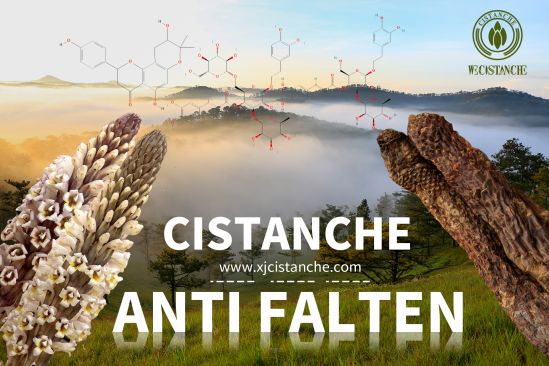
The central commercial lesson is straightforward: a general Cistanche extract and a highly purified Cistanche-derived compound should not be treated as interchangeable ingredients.
Evidence note: The research findings below are reported in the Chinese patent text supplied for translation. The supplied material does not include the original figures, complete numerical datasets, patent publication details, or human clinical studies. It should therefore be read as a technical disclosure, not as independent confirmation of finished-product efficacy or regulatory approval.
1. What Is Verbascoside?
Verbascoside is also known as acteoside. These are names for the same chemical substance, rather than two different active ingredients. The FDA substance registry lists both names under the same substance identity. (precision.fda.gov)
In the supplied disclosure, verbascoside is described as a phenylethanoid glycoside obtained from the dried fleshy stems of Cistanche species. The principal botanical sources named are:
Cistanche deserticola
Cistanche tubulosa
Cistanche sinensis
Cistanche salsa
The document investigates verbascoside as a potential botanical active for topical formulations, with particular attention to lipid metabolism, hyaluronic acid production, tight-junction proteins, and cell migration.
Why the Name Matters When Buying Ingredients
When comparing supplier quotations, request confirmation of:
The botanical species and plant part.
Whether the material is a whole extract, standardized extract, or purified compound.
The measured verbascoside content.
The analytical method and reference standard used.
Whether the stated percentage represents an assay by mass or a chromatographic area percentage.
A quotation for "Cistanche extract" alone does not provide enough information to determine whether it corresponds to the material evaluated in a particular experiment.
2. Why Does the Disclosure Focus on the Skin Barrier?
The document presents a multi-endpoint research concept rather than a simple surface-moisturizing claim.
Its proposed sequence is:
Epidermal cell renewal → stronger cell-to-cell connections → lipid support → hyaluronic acid production → repair-related activity
To investigate this concept, the researchers used HaCaT cells. HaCaT is an immortalized human keratinocyte cell line established as a laboratory model for studying epidermal biology and keratinization. It is not a cell type naturally named "HaCaT" within a person's skin. (pmc.ncbi.nlm.nih.gov)
For ingredient buyers, this distinction matters: results in cultured cells are a research starting point, not a substitute for testing a finished product on human skin.
The Main Endpoints Reported
| Research area | Measurements described in the supplied document | Practical interpretation |
|---|---|---|
| Cell response | CCK-8 assay | A screening endpoint; additional methods would strengthen a proliferation claim |
| Lipid-related activity | Fatty acid synthase activity; ACCα, FASN, and N-SMase expression | Supports further investigation of lipid metabolism, but does not directly quantify the complete skin-barrier lipid profile |
| Hyaluronic acid | HA content; HAS2, HAS3, and CD44 expression | Supports further investigation of HA-related pathways |
| Cell-to-cell connections | Claudin-1 and occludin levels | Measures selected tight-junction proteins rather than complete barrier function |
| Repair-related activity | Cell scratch assay | An in vitro gap-closure endpoint, not a clinical wound-healing trial |
| Moisture retention | Formulation mass retention on glass plates | A formulation-level laboratory test, not an on-skin hydration study |
These interpretations follow from the experimental methods described in the supplied text.
3. What Makes This Research Useful for Skincare Businesses?
The disclosure compares several materials rather than assuming that every Cistanche-derived ingredient produces the same response.
The tested materials include:
A Cistanche polysaccharide extract.
Several phenylethanoid-glycoside-containing extracts.
A total phenylethanoid glycoside extract.
Echinacoside.
Purified verbascoside.
According to the supplied document, purified verbascoside showed activity across several of the measured endpoints. Some mixed extracts showed activity in certain assays but not others.
The Purchasing Takeaway
Buy the specification that matches your development objective-not merely the plant name.
For example:
If your project is based on the purified-verbascoside experiments, request data for the purified material.
If your formulation uses a standardized whole extract, request testing on that extract.
If a supplier cites research on another extraction process, ask whether the tested composition is comparable to the material being offered.
Evidence for one ingredient grade should not automatically be transferred to another.
4. How Is Verbascoside Prepared in the Disclosure?
The described process has four main stages:
Botanical preparation: Pretreat and pulverize dried Cistanche fleshy stems.
Extraction: Use 50%–80% aqueous ethanol.
Enrichment: Separate fractions using an AB-8 macroporous adsorption resin.
Purification: Use silica-gel chromatography, followed by concentration and freeze-drying.
The stated final purity is at least 98%, although the supplied text does not include the analytical validation or batch data needed to independently confirm that specification.
A Critical Manufacturing Question: Residual Solvents
The disclosed chromatography step uses chloroform and methanol.
For a commercial sourcing project, ask the manufacturer for the actual production solvent list, solvent-removal controls, and batch-specific residual-solvent results. ICH Q3C provides a pharmaceutical framework for evaluating residual-solvent risks; it should not be represented as a universal cosmetic acceptance standard. (ema.europa.eu)
Do not assume that "plant-derived" means "made only with water and ethanol."
5. What Does the Moisture-Retention Test Actually Show?
The supplied document describes a comparison of:
A serum containing 2% verbascoside.
A serum containing 2% echinacoside.
A positive-control serum containing 5% glycerin.
The samples were placed at 25°C and 50% relative humidity, and their mass was measured over time.
The disclosure reports that the verbascoside-containing sample retained more mass under these conditions.
That is a potentially useful formulation-screening observation. However, the described method does not establish:
Superior hydration on human skin.
Lower transepidermal water loss.
Clinical superiority over glycerin.
Better performance in every formulation.
That the observed difference resulted only from the named active, without a fully disclosed matched vehicle comparison.
For a brand planning a comparative claim, test the finished formulations using an appropriately designed study.
6. A Practical Cistanche Ingredient Sourcing Checklist
Use the following questions when evaluating a Cistanche extract supplier or purified verbascoside manufacturer.
| Purchasing question | Documentation to request |
|---|---|
| What is the botanical source? | Species identification, plant-part declaration, and traceability information |
| What exactly is being supplied? | Full composition, including carriers, processing aids, and excipients where applicable |
| How much verbascoside is present? | Batch-specific certificate of analysis and assay method |
| How is identity confirmed? | Chromatographic identification and reference-standard information |
| Which solvents are used? | Actual manufacturing solvent declaration and residual-solvent test results |
| How consistent is production? | Representative results from multiple batches |
| Is the material suitable for the intended use? | Intended-use documentation and an appropriate safety dossier |
| Will it work in the selected formula? | Solubility, compatibility, stability, and packaging-development data |
| What supports the proposed claims? | Study reports for the same ingredient grade and, preferably, the finished formulation |
Do Not Use "Natural" as a Safety Conclusion
The supplied patent text makes a favorable safety statement based on the ingredient's botanical origin. That statement requires qualification for commercial publishing.
The FDA explains that an ingredient's source does not determine its safety: plant-derived materials can also contain toxic or allergenic substances. Safety must be assessed for the intended conditions of use. (fda.gov)
For this reason, request safety substantiation rather than relying on "natural," "herbal," or "high purity" as stand-alone assurances.
7. How Should a Brand Discuss the Research?
Keep three layers separate:
What the disclosure claims.
What the reported experiments measured.
What the finished product has been shown to do.
For example, "investigated in HaCaT cells for lipid-related activity" is materially different from "clinically proven to repair the skin barrier."
Likewise, references to treating eczema, managing atopic dermatitis, or healing wounds should not be copied directly into ordinary cosmetic product claims. In the United States, claims to treat disease or affect the structure or function of the body can cause a product to be regulated as a drug. (fda.gov)
A research article or patent reference is not, by itself, permission to make a therapeutic marketing claim.

8. Recommended Development Path
For a business considering Cistanche-derived verbascoside, a useful development sequence is:
Define the intended product category and target market.
Select the ingredient grade and analytical specification.
Review composition, contaminants, residual solvents, and safety documentation.
Develop a prototype and assess ingredient compatibility.
Evaluate formulation and packaging stability.
Conduct appropriate microbiological and safety assessments.
Test the finished product against the intended performance claims.
Review the final website, label, and advertising language before launch.
The concentration range in the disclosure-0.01%–5.0%-should be treated as a disclosed range, not as a universally validated formulation recommendation.
Bottom Line for Ingredient Buyers
The supplied research makes Cistanche-derived verbascoside a candidate for further skincare development, particularly for projects exploring hydration and barrier-related laboratory endpoints.
Cistanche acteoside content list
Click to visit different content of acteoside cistanche extract list
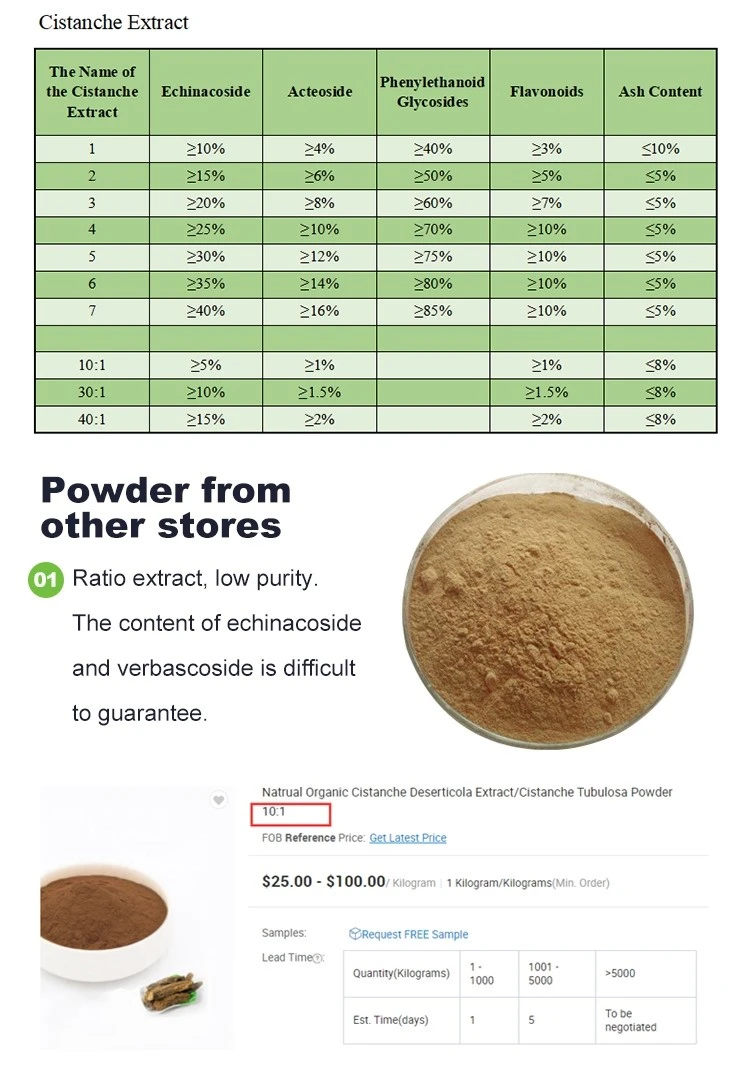
Its most useful lesson is not simply that "Cistanche is good for skin." It is that extraction method, active-compound content, ingredient identity, and evidence quality all influence whether a botanical ingredient is suitable for a specific commercial project.
When approaching a Cistanche manufacturer, start with a precise request:
"Please provide the botanical identity, verbascoside specification, analytical method, representative certificates of analysis, residual-solvent results, safety documentation, and formulation guidance for the ingredient grade proposed for our project."
That request creates a much stronger foundation for product development than a generic inquiry for herbal extract powder.
(54) Title of the Invention
Method for Preparing Verbascoside and Method of Its Application for Promoting Skin Lipid Production
(57) Abstract
The invention relates to a method for preparing verbascoside and a method of its application for promoting skin lipid production, belonging to the technical field of skincare and topical products.
The method comprises the following steps:
Selecting the dried fleshy stems of the Orobanchaceae plants Cistanche deserticola, Cistanche tubulosa, Cistanche sinensis, or Cistanche salsa; pulverizing the stems after pretreatment; extracting them under reflux with a 50%–80% aqueous ethanol solution two to four times for one to three hours each time; combining the extracts; and concentrating them under reduced pressure until no ethanol odor remains, thereby obtaining a concentrated solution.
Passing the concentrated solution through an AB-8 macroporous adsorption resin column; sequentially eluting with deionized water and a 30%–50% aqueous ethanol solution to remove impurities; then eluting the target constituents with a 60%–90% aqueous ethanol solution; collecting the eluate and concentrating it under reduced pressure; purifying it by silica-gel column chromatography using chloroform–methanol at a volume ratio ranging from 5:1 to 2:1 as the eluent; collecting the target fractions; and concentrating them under reduced pressure, followed by freeze-drying, to obtain purified verbascoside.
The beneficial effects stated for the invention are that verbascoside protects the skin and exhibits improved skincare activity when incorporated into products.
Claims
Claim 1
A method for preparing verbascoside, characterized by comprising the following steps:
Selecting the dried fleshy stems of the Orobanchaceae plants Cistanche deserticola, Cistanche tubulosa, Cistanche sinensis, or Cistanche salsa; pulverizing them after pretreatment; extracting them under reflux with a 50%–80% aqueous ethanol solution two to four times for one to three hours each time; combining the extracts; and concentrating them under reduced pressure until no ethanol odor remains, thereby obtaining a concentrated solution.
Passing the concentrated solution through an AB-8 macroporous adsorption resin column; sequentially eluting with deionized water and a 30%–50% aqueous ethanol solution to remove impurities; then eluting the target constituents with a 60%–90% aqueous ethanol solution; collecting the eluate and concentrating it under reduced pressure; purifying it by silica-gel column chromatography using chloroform–methanol at a volume ratio ranging from 5:1 to 2:1 as the eluent; collecting the target fractions; concentrating them under reduced pressure; and freeze-drying them to obtain purified verbascoside with a purity of at least 98%.
Claim 2
The method for preparing verbascoside according to Claim 1, wherein the material-to-solvent ratio during reflux extraction ranges from 1:10 to 1:20, and the extraction temperature ranges from 60°C to 80°C.
Claim 3
The method for preparing verbascoside according to Claim 1, wherein the diameter-to-height ratio of the AB-8 macroporous adsorption resin column ranges from 1:8 to 1:15, and the elution flow rate ranges from 1 to 3 BV/h.
Claim 4
The method for preparing verbascoside according to Claim 1, wherein the freeze-drying conditions comprise a temperature ranging from −40°C to −50°C, a vacuum pressure ranging from 10 to 30 Pa, and a drying time ranging from 12 to 24 hours.
Claim 5
A method of applying verbascoside to promote skin lipid production, using verbascoside prepared according to any one of Claims 1–4, characterized in that the application method comprises:
Adding verbascoside to a topical product base at a predetermined mass fraction and stirring uniformly to produce a finished product; applying the finished product to the skin surface once or twice daily; allowing verbascoside to penetrate and act on epidermal HaCaT cells to upregulate the gene and protein expression of ACCα, FASN, and N-SMase and increase fatty acid synthase activity; and continuing use for one to four weeks to enhance skin lipid synthesis.
Verbascoside promotes HaCaT cell proliferation, wound healing, tight-junction protein expression, and lipid and hyaluronic acid production, thereby providing multi-target barrier-repair functions.
It is used throughout the skin-barrier maintenance chain comprising epidermal cell renewal, enhanced intercellular connections, replenishment of the lipid matrix, and the synthesis of hyaluronic acid as a natural moisturizing factor.
Claim 6
The application method according to Claim 5, wherein the mass fraction of verbascoside in the topical product ranges from 0.01% to 5.0%.
Claim 7
The application method according to Claim 5, wherein 0.1–0.5 g of the finished product is used per application, followed by gentle massage for one to three minutes to promote absorption.
Claim 8
The application method according to Claim 5, wherein the topical product is a medical dressing, a post-procedure repair product, an adjunctive treatment product for atopic dermatitis, a skincare product specifically intended for sensitive skin, or an intensive moisturizing and repair skincare product.
Claim 9
The application method according to Claim 5, wherein excipients may additionally be incorporated during the application of verbascoside.
Claim 10
The application method according to Claim 9, wherein the excipient is selected from a humectant, an emulsifier, a preservative, a fragrance, or a soothing agent, and the dosage form of the excipient-containing composition is selected from a lotion, a cream, a gel, a serum, or a sheet-mask solution.
Method for Preparing Verbascoside and Method of Its Application for Promoting Skin Lipid Production
Technical Field
[0001] The invention belongs to the technical field of skincare and topical products. In particular, it relates to a method for preparing verbascoside and a method of its application for promoting skin lipid production.
More specifically, it concerns a preparation method for verbascoside intended to exert effects across the complete skin-barrier repair sequence of epidermal cell renewal → enhanced intercellular tight junctions → lipid-matrix replenishment → hyaluronic acid synthesis → wound healing, for use in protecting the skin.
Background Art
[0002] Epidermal cell renewal, enhanced intercellular tight junctions, lipid-matrix replenishment, hyaluronic acid synthesis, and wound healing each play an indispensable role in maintaining skin-barrier homeostasis.
Epidermal cell renewal is the foundation of barrier construction. By accelerating the proliferation and differentiation of basal keratinocytes, it ensures that sufficient numbers of cells move upward in an orderly manner, supplying adequate cellular material for barrier formation.
Intercellular junctional structures, including tight junctions and desmosomes, anchor newly formed cells together to create a dense, continuous physical barrier that effectively resists the entry of external irritants.
The lipid matrix filling the spaces between cells forms an organized lamellar structure and is the principal means of sealing pathways through which water is lost.
Hyaluronic acid synthesized in the epidermis and dermis forms a powerful water-retaining network, supplies moisture to the stratum corneum, and maintains cellular homeostasis. It can also provide a suitable moist environment for these physiological processes and transmit cellular signals.
Wound healing depends heavily on these four processes. First, hyaluronic acid provides a provisional matrix and signaling functions. Epidermal cell renewal is then required to cover the wound. Newly formed cells must re-establish tight junctions and replenish the lipid matrix to complete the restoration of barrier function.
These five processes are initiated sequentially during wound healing. Their interlinked, coordinated actions-from cell renewal and structural reinforcement to matrix filling and water storage-collectively lead to a fully stabilized skin barrier.
They provide not only the physical strength needed to resist external irritants but also the moisture-retention capacity needed to prevent internal water loss, allowing the skin to maintain long-term health in a state of dynamic equilibrium.
Accordingly, multidimensional, systematic reconstruction is more fundamental than merely improving surface moisture. It can improve skin resistance and moisture retention at their source, supporting a more durable and stable healthy condition.
[0003] The skin's own production of lipids and hyaluronic acid is fundamental to maintaining skin health, resisting environmental irritation, and preserving a youthful condition.
Through moisture retention and defense against microorganisms and pollutants, these substances help ensure normal physiological skin function.
Compared with external supplementation alone, promoting the skin's own production of lipids and hyaluronic acid is described as a more fundamental and durable strategy that directly strengthens its "self-repair capacity" and "resistance."
For skin diseases such as atopic dermatitis and eczema, strengthening lipid and hyaluronic acid production is described as having central preventive and therapeutic significance.
The source explains that these conditions often involve genetic defects that weaken the skin's "brick-and-mortar" structure, allowing allergens and irritants to penetrate more readily and triggering a persistent immune–inflammatory cycle.
Therefore, identifying active ingredients that activate key lipid-synthesis enzymes, such as FASN and ACCα, or directly induce hyaluronic acid production can proactively maintain and repair cellular lipid and hyaluronic acid production.
According to the disclosure, this strategy may alleviate dryness, itching, and inflammatory episodes while reducing external triggers at their source, decreasing the frequency and severity of recurrence, and helping shift disease management from passive treatment toward active prevention.
[0004] Verbascoside is a phenylethanoid glycoside and one of the major constituents of the Orobanchaceae plants:
Cistanche deserticola Y. C. Ma;
Cistanche tubulosa (Schenk) Wight;
Cistanche sinensis Beck; and
Cistanche salsa (C. A. Mey.) Beck.
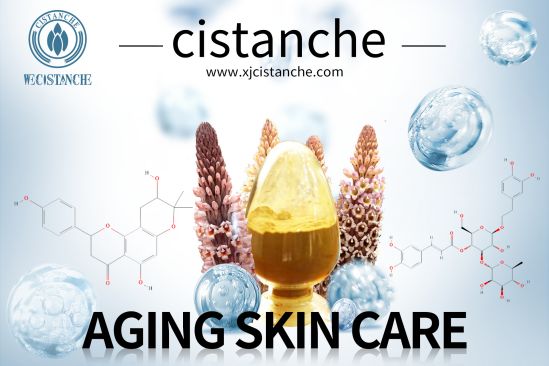
Research has shown that verbascoside is a potent antioxidant and possesses pharmacological activities including anti-inflammatory, neuroprotective, hepatoprotective, and anti-aging effects.
During screening for skin-protective agents from numerous plants, the inventors found that verbascoside not only promotes HaCaT cell proliferation and tight-junction protein expression but also regulates fatty acid synthase activity, thereby enhancing skin lipid synthesis.
It also activates pathways involved in hyaluronic acid production and subsequently promotes wound healing.
These actions encompass the complete skin-barrier maintenance and repair sequence of epidermal cell renewal → enhanced intercellular connections → lipid-matrix replenishment → hyaluronic acid synthesis → wound healing.
Verbascoside may therefore be used as a multi-target skin-protective and moisturizing agent in functional skincare and topical products.
Examples include medical dressings and post-procedure repair products; adjunctive products for atopic dermatitis or eczema; skincare products specifically intended for sensitive skin or rosacea; and intensive moisturizing and repair products for daily use.
Summary of the Invention
[0005] The invention provides a method for preparing verbascoside and a method of its application for promoting skin lipid production.
The preparation method concerns verbascoside intended to support the complete skin-barrier repair sequence of epidermal cell renewal → enhanced intercellular connections → lipid-matrix replenishment → hyaluronic acid synthesis → wound healing.
It addresses the technical problem of providing a new core active ingredient with multi-target effects for skincare or topical products.
Verbascoside is described as having the advantage of acting across the complete skin-barrier repair chain, with effects superior to existing single-target skincare ingredients, such as ingredients that promote only hyaluronic acid synthesis, promote only cell proliferation, or provide moisturization alone.
[0006] To achieve the foregoing objectives, the invention adopts the following technical solution.
[0007] A method for preparing verbascoside comprises the following steps.
[0008] Select the dried fleshy stems of the Orobanchaceae plants Cistanche deserticola, Cistanche tubulosa, Cistanche sinensis, or Cistanche salsa.
After blanching, drying, and pulverization, extract the material under reflux with a 50%–80% aqueous ethanol solution two to four times for one to three hours each time.
Combine the extracts and concentrate them under reduced pressure until no ethanol odor remains, thereby obtaining a concentrated solution.
[0009] Pass the concentrated solution through an AB-8 macroporous adsorption resin column.
Sequentially elute with deionized water and a 30%–50% aqueous ethanol solution to remove impurities, followed by a 60%–90% aqueous ethanol solution to elute the target constituents.
Collect the eluate and concentrate it under reduced pressure.
Purify the concentrate by silica-gel column chromatography using chloroform–methanol at a volume ratio ranging from 5:1 to 2:1 as the eluent.
Collect the target fractions, concentrate them under reduced pressure, and freeze-dry them to obtain purified verbascoside with a purity of at least 98%.
[0010] Optionally, the material-to-solvent ratio during reflux extraction ranges from 1:10 to 1:20, expressed in g/mL, and the extraction temperature ranges from 60°C to 80°C.
Translator's note: The source additionally states that this ratio means "1 g of raw material is added to 1 mL of solvent." That statement is inconsistent with the specified 1:10–1:20 range, which corresponds to 10–20 mL of solvent per gram of raw material.
[0011] Optionally, the diameter-to-height ratio of the AB-8 macroporous adsorption resin column ranges from 1:8 to 1:15, where the ratio is the column diameter, d, to the column height, h. The elution flow rate ranges from 1 to 3 BV/h.
[0012] Optionally, the freeze-drying conditions comprise a temperature ranging from −40°C to −50°C, a vacuum pressure ranging from 10 to 30 Pa, and a drying time ranging from 12 to 24 hours.
[0013] A method of applying verbascoside to promote skin lipid production is provided as follows.
[0014] Add verbascoside to a topical product base at a predetermined mass fraction and stir uniformly to produce a finished product.
Apply the finished product to the skin surface once or twice daily.
Through penetration, verbascoside acts on epidermal HaCaT cells to promote cell proliferation and strengthen tight junctions.
At the same time, it upregulates the gene and protein expression of ACCα, FASN, and N-SMase, increases fatty acid synthase activity, upregulates HAS2, HAS3, and CD44, and increases hyaluronic acid content.
Continue use for one to four weeks to achieve overall improvement of the skin barrier.
[0015] Optionally, the mass fraction of verbascoside in the topical product ranges from 0.01% to 5.0%.
[0016] Optionally, use 0.1–0.5 g of the finished product per application and gently massage for one to three minutes after application to promote absorption.
[0017] Optionally, the topical product is a medical dressing, a post-procedure repair product, an adjunctive treatment product for atopic dermatitis, a skincare product specifically intended for sensitive skin, or an intensive moisturizing and repair skincare product.
[0018] Optionally, excipients may also be added during the application of verbascoside.
[0019] Further, the excipient is selected from a humectant, an emulsifier, a preservative, a fragrance, or a soothing agent.
The dosage form of the excipient-containing composition is selected from a lotion, a cream, a gel, a serum, or a sheet-mask solution.
Beneficial Effects of the Invention
[0020] The beneficial effects of the invention are as follows.
[0021] The invention demonstrates that verbascoside has core activities in promoting skin lipid and hyaluronic acid production.
It can also promote skin-cell proliferation, strengthen intercellular tight junctions, and accelerate wound healing, forming a closed-loop mechanism of "promoting cell proliferation → stabilizing intercellular connections → enhancing lipid and hyaluronic acid production → accelerating repair and healing."
Compared with the prior art, the invention is described as having the following advantages.
[0022] Verbascoside is a natural plant-derived active ingredient with a high level of safety and clearly defined pharmacological activity, avoiding potential skin-irritation risks associated with chemically synthesized ingredients.
Editorial qualification: This is the source's safety claim, not a conclusion established merely by botanical origin.
[0023] The preparation efficiency and yield of verbascoside are improved.
[0024] Verbascoside acts on a comprehensive range of targets, simultaneously regulating several key processes, including cell proliferation, tight-junction protein expression, lipid synthesis, hyaluronic acid production, and wound healing.
It thereby improves skin-barrier function in an integrated manner, with effects described as superior to those of single-target ingredients.
[0025] Its applications are broad, including medical repair, adjunctive treatment of skin diseases, sensitive-skin care, and daily moisturizing and repair, meeting the skin-health needs of different populations.
Brief Description of the Drawings
[0026] To explain the technical solutions of the embodiments of the invention or the prior art more clearly, the drawings required for describing the embodiments or prior art are briefly introduced below.
The drawings described below represent only certain embodiments of the invention. A person of ordinary skill in the art may derive other drawings from them without creative effort.
[0027] Figure 1 is a schematic flowchart of the preparation method of the invention.
[0028] Figure 2 presents HaCaT cell-viability data.
[0029] Figure 3 presents fatty acid synthase activity data.
[0030] Figure 4 presents hyaluronic acid content data.
[0031] Figure 5 presents HaCaT cell-viability data for the invention.
[0032] Figure 6 presents fatty acid synthase activity data for the invention.
[0033] Figure 7 presents the expression of genes associated with fatty acid synthesis.
[0034] Figure 8 presents the expression of proteins associated with fatty acid synthesis.
[0035] Figure 9 presents Western blot results associated with fatty acid synthesis.
[0036] Figure 10 presents hyaluronic acid content data.
[0037] Figure 11 presents the expression of genes associated with hyaluronic acid synthesis.
[0038] Figure 12 presents the expression of proteins associated with hyaluronic acid synthesis.
[0039] Figure 13 presents Western blot results associated with hyaluronic acid.
[0040] Figure 14 presents claudin-1 expression levels.
[0041] Figure 15 presents occludin expression levels.
[0042] Figure 16 presents wound-closure rates.
[0043] Figure 17 presents images from the cell scratch assay.
[0044] Figure 18 presents an evaluation of the moisturizing performance of different samples.
Detailed Description of the Embodiments
[0045] The embodiments of the application are described in detail below with reference to the accompanying drawings.
Example 1: Preparation of Purified Verbascoside
[0046] Example 1.
[0047] As shown in Figure 1, this example provides a method for preparing verbascoside, abbreviated as Ver, comprising the following steps.
[0048] Select the dried fleshy stems of Cistanche deserticola or Cistanche tubulosa, both belonging to the family Orobanchaceae.
Slice the material, blanch it in boiling water for 10–25 minutes, and oven-dry it at 40°C–60°C, increasing the verbascoside content more than fourfold.

Note: * vs. blank control group, P<0.05P < 0.05P<0.05.
After pulverization, extract the material under reflux with a 50%–80% aqueous ethanol solution two to four times for one to three hours each time.
Combine the extracts and concentrate them under reduced pressure until no ethanol odor remains, thereby obtaining a concentrated solution.
[0049] Pass the concentrated solution through an AB-8 macroporous adsorption resin column.
Sequentially elute with deionized water and a 30%–50% aqueous ethanol solution to remove impurities, followed by a 60%–90% aqueous ethanol solution to elute the target constituents.
Collect the eluate and concentrate it under reduced pressure.
Purify it by silica-gel column chromatography using chloroform–methanol at a volume ratio ranging from 5:1 to 2:1 as the eluent.
Collect the target fractions, concentrate them under reduced pressure, and freeze-dry them to obtain purified verbascoside with a purity of at least 98%.
[0050] Specifically, the material-to-solvent ratio during reflux extraction ranges from 1:10 to 1:20, and the extraction temperature ranges from 60°C to 80°C.
[0051] The diameter-to-height ratio of the AB-8 macroporous adsorption resin column ranges from 1:8 to 1:15, and the elution flow rate ranges from 1 to 3 BV/h.
[0052] The freeze-drying conditions comprise a temperature ranging from −40°C to −50°C, a vacuum pressure ranging from 10 to 30 Pa, and a drying time ranging from 12 to 24 hours.
Table 2. Summary of bioactivity of different samples
| Index | Blank control | Positive control | CTE | Ech | Ver |
|---|---|---|---|---|---|
| Cell viability (%) | 100 ± 8.347 | / | 122.052 ± 8.051* | 117.868 ± 7.941* | 128.894 ± 9.528* |
| FAS activity (U/mg prot) | 2.712 ± 0.419 | 18.488 ± 4.56* | 2.069 ± 0.27 | 9.799 ± 1.356* | 10.4 ± 0.697* |
| HA content (ng/mL) | 10.908 ± 0.968 | 19.925 ± 4.306* | 21.644 ± 2.037* | 13.517 ± 1.653* | 18.486 ± 1.341* |
| Claudin-1 expression (pg/mL) | 414.58 ± 25.05 | / | 505.556 ± 20.518* | 478.937 ± 12.419* | 554.057 ± 22.106* |
| Occludin expression (pg/mL) | 3.287 ± 0.683 | / | 4.285 ± 0.575 | 4.666 ± 0.582* | 7.258 ± 0.774* |
| 24 h wound healing rate (%) | 30.581 ± 1.308 | 70.075 ± 1.781* | 40.762 ± 9.68 | 37.102 ± 7.038 | 45.173 ± 5.508* |
| 48 h wound healing rate (%) | 55.458 ± 6.674 | 87.545 ± 3.155* | 76.47 ± 2.684* | 67.883 ± 5.678* | 76.704 ± 4.8* |
Note: * vs. blank control group, P<0.05P < 0.05P<0.05.
Example 2: Preparation of a Cistanche Polysaccharide Extract
[0053] Example 2.
[0054] Extract Cistanche twice under heated reflux with 20-fold and 15-fold quantities of water for three hours and two hours, respectively.
Filter, combine the filtrates, and concentrate at 80°C–90°C.
Add 215 mL of 95% ethanol to achieve a final ethanol concentration of 80%, and leave overnight at 4°C.
Collect the precipitate either by filtration, retaining the filter cake, or by centrifugation at 4,000 rpm for 10 minutes.
Wash the precipitate three times with absolute ethanol and dry it at 50°C to obtain a Cistanche polysaccharide extract, designated POL.
Example 3: Preparation of a Phenylethanoid Glycoside Extract
[0055] Example 3.
[0056] Extract Cistanche twice under heated reflux with 20-fold and 15-fold quantities of water for three hours and two hours, respectively.
Filter, combine the filtrates, and concentrate at 80°C–90°C.
Add 215 mL of 95% ethanol to achieve a final ethanol concentration of 80%, and leave overnight at 4°C.
Collect the filtrate by filtration or the supernatant by centrifugation at 4,000 rpm for 10 minutes.
Concentrate and dry it to obtain a Cistanche phenylethanoid glycoside extract, designated POLS.
Testing showed an echinacoside content of 21.8% and a verbascoside content of 1.2%.
Example 4: Preparation of Extract RE1
[0057] Example 4.
[0058] Soak Cistanche deserticola in six times its quantity of 52% ethanol at room temperature for 10 days.
Filter and retain the plant residue.
After drying, extract the residue once under reflux with six times its quantity of 95% ethanol for two hours.
Filter, combine the filtrates, concentrate at 60°C, and dry to obtain an extract of Cistanche phenylethanoid glycosides and their derivatives, designated RE1.
The extract contains constituents including echinacoside, verbascoside, isoverbascoside, and 2′-acetylverbascoside.
Example 5: Preparation of Extract RE2
[0059] Example 5.
[0060] Extract Cistanche tubulosa twice with 75% ethanol for one hour each time.
Filter and retain the residue.
After drying, extract the residue once under reflux with six times its quantity of 95% ethanol for two hours.
Filter, combine the filtrates, concentrate at 60°C, and dry to obtain an extract of Cistanche phenylethanoid glycosides and their derivatives, designated RE2.
The extract contains constituents including echinacoside, verbascoside, isoverbascoside, and 2′-acetylverbascoside.
Example 6: Preparation of a Total Phenylethanoid Glycoside Extract
[0061] Example 6.
[0062] Slice Cistanche and extract twice with a 75% ethanol solution for 1.5 hours each time.
Combine the extracts, concentrate, and dry to obtain a Cistanche phenylethanoid glycoside extract, designated CTE.
Testing showed an echinacoside content of 22.6% and a verbascoside content of 4.5%.
Example 7: Application Method
[0063] Example 7.
[0064] Based on Example 1, this example provides an application method through which verbascoside exerts effects across the complete skin-barrier repair sequence of epidermal cell renewal → enhanced intercellular connections → lipid-matrix replenishment → hyaluronic acid synthesis → wound healing.
The specific application method is as follows.
[0065] Add verbascoside to a topical product base at a predetermined mass fraction and stir uniformly to produce a finished product.
Apply the finished product to the skin surface once or twice daily.
Through penetration, verbascoside acts on epidermal HaCaT cells to promote cell proliferation and strengthen tight junctions.
At the same time, it upregulates the gene and protein expression of ACCα, FASN, and N-SMase, increases fatty acid synthase activity, upregulates HAS2, HAS3, and CD44, and increases hyaluronic acid content.
Continue use for one to four weeks to achieve overall improvement of the skin barrier.
[0066] Specifically, the mass fraction of verbascoside in the topical product ranges from 0.01% to 5.0%.
[0067] Use 0.1–0.5 g of the finished product per application and gently massage for one to three minutes after application to promote absorption.
[0068] The topical product is a medical dressing, a post-procedure repair product, an adjunctive treatment product for atopic dermatitis, a skincare product specifically intended for sensitive skin, or an intensive moisturizing and repair skincare product.
[0069] Excipients may also be added during the application of verbascoside.
Further, the excipient is selected from a humectant, an emulsifier, a preservative, a fragrance, or a soothing agent.
The dosage form of the excipient-containing composition is selected from a lotion, a cream, a gel, a serum, or a sheet-mask solution.
Example 8: Experimental Materials and Equipment
[0070] Example 8.
[0071] Based on Examples 1 and 7, the experimental materials used in the invention are as follows.
[0072] The experimental cells were immortalized human epidermal HaCaT cells purchased from Shanghai Yaji Biotechnology.
The cells were cultured in high-glucose DMEM supplemented with 10% fetal bovine serum and 1% penicillin–streptomycin at 37°C in an atmosphere containing 5% carbon dioxide at saturated humidity.
[0073] The experimental materials were:
Echinacoside, abbreviated as Ech, from the National Institutes for Food and Drug Control, China.
Fetal bovine serum, FBS, from EXCELL.
High-glucose DMEM from Gibco.
0.25% trypsin–EDTA from Gibco.
Phosphate-buffered saline powder from Beijing Zhongshan Golden Bridge Biotechnology.
CCK-8 Cell Proliferation/Cytotoxicity Assay Kit from TransGen Biotech.
Human Occludin, OCLN, ELISA Kit from Wuhan CUSABIO.
Human Claudin-1, CLDN1, ELISA Kit from Wuhan CUSABIO.
Fatty Acid Synthase, FAS, Activity Assay Kit from Solarbio.
Human Hyaluronic Acid ELISA Kit from Wuhan CUSABIO.
Recombinant Human EGF Protein, carrier-free, from R&D Systems.
DEPC from Amresco.
M5 HiClear DL2000 DNA Marker from Mei5 Biotechnology.
TRIzol Reagent from Ambion.
5X All-In-One RT MasterMix from abm.
EvaGreen Express 2X qPCR MasterMix–Low ROX from abm.
Easy II Protein Quantitative Kit, BCA, from TransGen Biotech.
RIPA lysis buffer from Boster.
Protease inhibitor from Boster.
Goat Anti-Rabbit IgG H&L, HRP, from Abcam.
Goat Anti-Mouse IgG H&L, HRP, from Abcam.
Prestained protein marker from Solarbio.
β-Mercaptoethanol from Amresco.
PVDF transfer membrane, 0.45 μm, from Millipore.
Glycine from Sangon Biotech.
Glycerol from Sangon Biotech.
SuperSignal West Pico PLUS from Thermo Fisher.
Beta-Actin Loading Control Antibody, Mouse Monoclonal, from Sino Biological.
ACC1 Antibody from Affinity.
FASN Antibody from Affinity.
SMPD2 Antibody from Affinity.
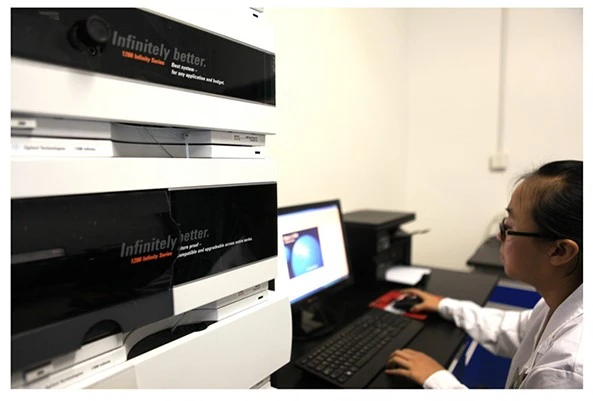
Hyaluronan Synthase 2 Antibody, HAS2, from Affinity.
HAS3 Antibody from Affinity.
CD44 Antibody from Affinity.
[0074] The experimental equipment comprised:
SmartCell HF-90 carbon dioxide cell-culture incubator, Shanghai Lishen Scientific Equipment Co., Ltd. [上海力康仪器有限公司].
HF1200LC biological safety cabinet from the same manufacturer.
DK-80 benchtop low-speed centrifuge, Shanghai Feige Instrument Co., Ltd.
Heraeus Multifuge X1R high-speed refrigerated centrifuge, Thermo Fisher Scientific.
xMark microplate spectrophotometer, Bio-Rad.
GL-88B vortex mixer, Haimen Qilin-Bell Instrument Manufacturing Co., Ltd.
Model 2500 gel imaging system, Shanghai Tianneng.
MyCycler Thermal Cycler PCR instrument, Bio-Rad.
7500 Fast Real-Time PCR instrument, ABI.
Chemiscope 3000 chemiluminescence imaging system, Shanghai Qinxiang Scientific Instrument Co., Ltd.
Mini-PROTEAN Tetra system protein-transfer apparatus, Bio-Rad.
DYCZ-24DN electrophoresis apparatus, Beijing Liuyi.
Translator's note: Manufacturer and instrument descriptions above follow the supplied source; catalog details were not independently verified.
Example 9: Experimental Methods
[0075] Example 9.
[0076] Based on Examples 1–8, the experimental methods used in the invention were as follows.
CCK-8 Assay for Cell Proliferation
[0077] Prepare a single-cell suspension of HaCaT cells in complete culture medium at a density of 5×1045 \times 10^45×104 cells/mL.
Seed the cells into a 96-well plate at 100 μL per well.
After allowing the cells to attach for 24 hours at 37°C under 5% carbon dioxide, discard the culture medium and administer the different test substances. Include a blank control group, with n=5n = 5n=5.
After 48 hours of treatment, discard the medium and add 100 μL of freshly prepared 10% CCK-8 solution to each well.
Continue incubation in the cell-culture incubator for one hour, then measure the optical density at 450 nm using a microplate reader.
Fatty Acid Synthase Activity Assay
[0078] Prepare a single-cell suspension of HaCaT cells in complete culture medium at a density of 5×1045 \times 10^45×104 cells/mL and seed the cells into culture flasks.
After allowing the cells to attach for 24 hours at 37°C under 5% carbon dioxide, discard the culture medium and administer the different test substances.
Include a blank control group and a positive-control group treated with recombinant human epidermal growth factor, rhEGF, at 20 ng/mL, with n=3n = 3n=3.
After 48 hours of treatment, collect the cells and measure fatty acid synthase activity according to the assay-kit instructions.
Hyaluronic Acid Content Assay
[0079] Prepare a single-cell suspension of HaCaT cells in complete culture medium at a density of 5×1045 \times 10^45×104 cells/mL and seed the cells into culture flasks.
After allowing the cells to attach for 24 hours at 37°C under 5% carbon dioxide, discard the culture medium and administer the different test substances.
Include a blank control group and a positive-control group treated with rhEGF at 20 ng/mL, with n=3n = 3n=3.
After 48 hours of treatment, collect the cell-culture supernatants and measure hyaluronic acid content according to the assay-kit instructions.
Quantitative Reverse-Transcription PCR
[0080] Prepare a single-cell suspension of HaCaT cells in complete culture medium at a density of 5×1045 \times 10^45×104 cells/mL and seed the cells into six-well plates.
After allowing the cells to attach for 24 hours at 37°C under 5% carbon dioxide, discard the culture medium and administer the different test substances.
Include a blank control group and a positive-control group treated with rhEGF at 20 ng/mL, with n=3n = 3n=3.
After 48 hours of treatment, discard the supernatant and add 1 mL of TRIzol to each well to detach and lyse the cells, ensuring that the reagent covers the cell layer.
Repeatedly agitate the culture vessel until the cells are released, and transfer the material to a 1.5 mL microcentrifuge tube.
Extract total RNA and use qRT-PCR to determine the expression of ACCα, FASN, N-SMase, HAS2, HAS3, and CD44.
Western Blotting
[0081] Prepare a single-cell suspension of HaCaT cells in complete culture medium at a density of 5×1045 \times 10^45×104 cells/mL and seed the cells into culture flasks.
After allowing the cells to attach for 24 hours at 37°C under 5% carbon dioxide, discard the culture medium and administer the different test substances.
Include a blank control group and a positive-control group treated with rhEGF at 20 ng/mL, with n=3n = 3n=3.
After 48 hours of treatment, collect the cells.
Extract total protein and use Western blotting to determine the expression of ACCα, FASN, N-SMase, HAS2, HAS3, and CD44.
Assessment of Tight-Junction Protein Expression
[0082] Prepare a single-cell suspension of HaCaT cells in complete culture medium at a density of 5×1045 \times 10^45×104 cells/mL and seed the cells into culture flasks.
After allowing the cells to attach for 24 hours at 37°C under 5% carbon dioxide, discard the culture medium and administer the different test substances.
Include a blank control group, with n=3n = 3n=3.
After 48 hours of treatment, collect the cell lysates and measure occludin and claudin-1 using ELISA according to the kit instructions.
Cell Scratch Assay
[0083] Prepare a single-cell suspension of HaCaT cells in complete culture medium at a density of 5×1055 \times 10^55×105 cells/mL.
Seed 500 μL per well into a 24-well plate.
After cell attachment, administer the treatments, dividing the cells into a blank control group, a positive-control group treated with fetal bovine serum, and test-substance groups.
Treat for 48 hours.
After treatment, gently create a straight scratch using a pipette tip.
Replace the medium with serum-free medium in all groups except the positive-control group.
Photograph the scratched areas at 0, 24, and 48 hours.
Use ImageJ to calculate the scratch area and assess cell migration capacity.
Example 10: Moisture-Retention Evaluation
[0084] Example 10.
[0085] An in vitro gravimetric method was used to evaluate the moisturizing performance of serums containing Ver, Ech, or glycerin.
Weigh specified quantities of pretreated Sample 1, containing 2% Ver; Sample 2, containing 2% Ech; and the positive control, containing 5% glycerin.
Store the samples in a constant-temperature, constant-humidity chamber at 25°C and 50% relative humidity.
Weigh the samples at different time points and plot moisture-retention curves.
[0086] The moisture-retention rate is calculated as:
Moisture-retention rate (%)=M2−M0M1−M0×100%\text{Moisture-retention rate (\%)} = \frac{M_2-M_0}{M_1-M_0}\times100\%Moisture-retention rate (%)=M1−M0M2−M0×100%
[0087] Where:
[0088] M0M_0M0 is the mass of the empty plate, in grams.
[0089] M1M_1M1 is the mass of the glass plate after sample addition, in grams.
[0090] M2M_2M2 is the mass after storage in a desiccator for several hours, in grams.
Translator's note: Paragraph [0085] describes storage in a controlled-temperature, controlled-humidity chamber, while [0090] refers to a desiccator. Both descriptions are retained from the source.
Experimental Results
[0091] The experimental results of this example are as follows.
Effects on HaCaT Cell Proliferation
[0092] As shown in Figure 2, different Cistanche extracts had different effects on HaCaT cell viability.
Ver and POL significantly increased cell viability, with P<0.05P < 0.05P<0.05, and Ver produced the highest viability.
Effects on Fatty Acid Synthase Activity
[0093] As shown in Figure 3, intercellular lipids in the stratum corneum are the core "mortar" component of the skin's "brick-and-mortar" structure.
Ceramides, cholesterol, and free fatty acids form a dense lamellar bilayer structure in specific proportions.
Maintaining normal lipid synthesis can reinforce this structure, prevent water loss, resist external damage, maintain the balance of the skin microbiome, and promote self-repair.
It can thereby address dryness, sensitivity, and reduced skin-defense capacity at their source.
[0094] Fatty acid synthase is described as a core rate-limiting enzyme and a central supply engine regulating skin lipid synthesis.
Its principal function is to catalyze the synthesis of palmitic acid, C16:0, from acetyl-CoA and malonyl-CoA. Palmitic acid is described as the principal endogenous long-chain saturated fatty acid in the skin.
Palmitic acid has two functions.
First, as a fundamental structural building block, it is directly used in the synthesis of stratum-corneum barrier lipids, including ceramides and free fatty acids, providing the material basis for lamellar bilayer formation.
Second, as an important precursor and signaling molecule, it can be further processed by downstream elongases, such as ELOVL1, into very-long-chain fatty acids. These distinctive fatty acids are required for barrier integrity.
Accordingly, fatty acid synthase activity directly determines the supply of raw materials available for the skin's own production of barrier lipids.
Upregulation of its function is an initial and critical step in promoting epidermal lipid synthesis and thereby repairing and strengthening the physical skin barrier, ultimately supporting moisture retention and defense.
[0095] The data showed that the positive control rhEGF and Ver significantly increased fatty acid synthase activity, with P<0.05P < 0.05P<0.05.
POL, POLS, RE1, and RE2 did not increase fatty acid synthase activity.
Although RE2 increased fatty acid synthase activity, the difference was not statistically significant, with P>0.05P > 0.05P>0.05.
Translator's note: The source first includes RE2 among materials that did not increase activity, then reports a nonsignificant increase for RE2. This inconsistency is retained.
Effects on Hyaluronic Acid Content
[0096] As shown in Figure 4, hyaluronic acid is a naturally occurring polysaccharide in the skin with a strong water-binding capacity, described in the source as being mainly present in the dermis and stratum corneum.
Increasing hyaluronic acid content can retain moisture at deeper levels, maintain healthy dermal structure, provide antioxidant and anti-inflammatory effects, promote wound healing and repair, and improve stratum-corneum function.
These effects are described as producing hydration, fullness, and resilience from within.
[0097] The data showed that the positive control rhEGF, Ver, and RE2 significantly increased hyaluronic acid content, with P<0.05P < 0.05P<0.05.
POL, POLS, and RE1 did not increase hyaluronic acid content.
Comparison of Extract Classes and Purified Verbascoside
[0098] Cistanche mainly contains phenylethanoid glycosides and polysaccharides.
The activities of the polysaccharide extract, POL; phenylethanoid glycoside extracts, POLS, RE1, and RE2; and verbascoside, Ver, were therefore compared.
The results in Figures 2–4 indicate that Cistanche phenylethanoid glycoside extracts prepared by different methods and the individual compound exhibited different activities in promoting HaCaT cell proliferation, increasing fatty acid synthase activity, and increasing hyaluronic acid content.
Only Ver exhibited activity in all three areas, as summarized in Table 1.
[0099]–[0101] These paragraph numbers and the contents of Table 1 were not present in the supplied source. No translation or reconstruction is possible for the missing material.
Table 1. Summary of bioactivity of different samples
| Index | Blank control | Positive control | POL | POLS | RE1 | RE2 | Ver |
|---|---|---|---|---|---|---|---|
| Cell viability (%) | 100 ± 7.008 | / | 119.008 ± 7.379* | 105.312 ± 6.494 | 85.851 ± 8.381 | 95.234 ± 10.065 | 128.894 ± 9.528* |
| FAS activity (U/mg prot) | 2.712 ± 0.419 | 18.488 ± 4.56* | 3.786 ± 1.715 | 2.399 ± 0.717 | 2.145 ± 0.889 | 9.34 ± 10.756 | 10.63 ± 2.228* |
| HA content (ng/mL) | 10.908 ± 0.968 | 19.925 ± 4.306* | 6.881 ± 2.411 | 6.321 ± 1.021 | 6.53 ± 1.342 | 16 ± 2.531* | 17.86 ± 3.27* |
Further Comparison of CTE, Echinacoside, and Verbascoside
[0102] As shown in Figure 5, the principal phenylethanoid glycosides in Cistanche include echinacoside and verbascoside.
The effects of the Cistanche total phenylethanoid glycoside extract, CTE, containing 22.6% echinacoside and 4.5% verbascoside; echinacoside, Ech; and verbascoside, Ver, on HaCaT cell proliferation were therefore compared further.
[0103] The data showed that CTE, Ech, and Ver all promoted HaCaT cell proliferation.
CTE and Ver produced the strongest effects, suggesting protective effects on skin cells.
Further Effects on Fatty Acid Synthase Activity
[0104] As shown in Figure 6, the effects on fatty acid synthase activity were as follows.
[0105] The data showed that the positive control rhEGF, Ech, and Ver significantly increased fatty acid synthase activity, with P<0.05P < 0.05P<0.05.
CTE did not increase fatty acid synthase activity.
Expression of Genes and Proteins Associated with Fatty Acid Synthesis
[0106] Figures 7–9 show the effects on the expression of genes and proteins associated with fatty acid synthesis.
[0107] ACCα and FASN are described as the rate-limiting enzyme and core engine of lipid anabolism.
Together, they catalyze the generation of long-chain fatty acids, including palmitic acid, providing essential raw materials for the synthesis of key barrier lipids such as ceramides.
N-SMase is a key initiator of lipid breakdown and stress signaling with a dual role.
It is activated during injury and hydrolyzes sphingomyelin to generate signaling ceramides, triggering inflammation and apoptosis and suppressing normal lipid synthesis.
In normal cells, however, it has a regulatory role in lipid metabolism.
[0108] As shown in Figures 7–9, qPCR and Western blot results indicated that Ver, like rhEGF, significantly upregulated the gene and protein expression of ACCα, FASN, and N-SMase, with P<0.05P < 0.05P<0.05, and the effects were comparable.
The results indicate that Ver upregulates ACCα and FASN to regulate cellular lipid synthesis for membrane construction, energy storage, or secretion.
At the same time, upregulation of N-SMase may activate sphingolipid metabolic cycling.
The ceramides produced are not only stress signals. Under normal physiological conditions, they are also important precursors for the synthesis of other complex sphingolipids, such as glycosphingolipids, or for dynamic membrane remodeling.
Thus, coordinated upregulation of these three genes and proteins enhances overall cellular anabolic activity and membrane-remodeling capacity.
Further Effects on Hyaluronic Acid Content
[0109] As shown in Figure 10, the data indicated that rhEGF, CTE, Ech, and Ver all significantly increased hyaluronic acid content, with P<0.05P < 0.05P<0.05.
The order of effect was CTE, followed by Ver, followed by Ech.
Expression of Genes and Proteins Associated with Hyaluronic Acid Synthesis
[0110] As shown in Figures 11–13, HAS2, HAS3, and CD44 form a "synthesis–sensing–response" feedback loop in hyaluronic acid metabolism in HaCaT cells.
HAS2 and HAS3 are the core catalytic synthesis enzymes.
HAS2 mainly produces high-molecular-weight hyaluronic acid and is associated with maintaining skin homeostasis and anti-inflammatory effects.
HAS3 tends to produce lower-molecular-weight hyaluronic acid and participates more directly in processes including cell migration and proliferation.
CD44 is the principal cell-surface receptor for hyaluronic acid.
It not only mediates intracellular and extracellular signal transmission involving hyaluronic acid but also dynamically regulates hyaluronic acid through endocytosis and recycling and, in turn, regulates HAS2 and HAS3 expression and activity.
[0111] As shown in Figures 11–13, qPCR and Western blot results indicated that Ver, like rhEGF, significantly upregulated the gene and protein expression of HAS2, HAS3, and CD44, with P<0.05P < 0.05P<0.05.
The regulatory effects of Ver on HAS2, HAS3, and CD44 gene expression were greater than those of rhEGF.
The results indicate that Ver regulates HAS2, HAS3, and CD44 to control the complete hyaluronic acid "synthesis–assembly–signal transmission" process, contributing to epidermal hydration, repair, and barrier function.
Effects on Tight-Junction Protein Expression
[0112] Maintaining skin lipid and hyaluronic acid production is described as providing fundamental, synergistic support for and stabilization of tight-junction proteins between HaCaT cells.
Adequate lipids allow keratinocytes to form complete, organized intercellular lipid bilayers.
These structures are described as not only the physical framework of the barrier but also a stable, hydrophobic structural environment for tight-junction protein assembly and anchoring.
At the same time, the favorable hydration state maintained by hyaluronic acid helps ensure normal keratinocyte metabolism and signaling.
Through pathways involving receptors such as CD44, hyaluronic acid also indirectly regulates tight-junction protein expression and distribution.
Together, lipids and hyaluronic acid provide the physical and biochemical foundations needed for tight-junction formation and maintenance from the respective perspectives of structural stability and microenvironmental homeostasis.
They thereby strengthen physical intercellular connections and overall barrier integrity.
[0113] The foregoing results indicated that Ver exhibited the strongest activity in promoting skin lipid and hyaluronic acid production.
Further investigation of its effects on intercellular tight junctions showed that CTE, Ech, and Ver all significantly promoted the expression of the tight-junction protein claudin-1, with P<0.05P < 0.05P<0.05, as shown in Figure 14.
As shown in Figure 15, only Ech and Ver significantly promoted occludin expression.
The effect of Ver was significantly greater than that of Ech, with P<0.05P < 0.05P<0.05.
This was consistent with the strongest activity attributed to Ver in promoting skin lipid and hyaluronic acid production.
Effects on Wound Healing
[0114] As shown in Figures 16–17, HAS3 participates directly in processes including cell migration and proliferation.
CD44 transmits information from hyaluronic acid into cells and ultimately regulates cell migration, proliferation, and hydration, playing a central role in wound healing, skin moisturization, and barrier homeostasis.
The preceding experiments showed that verbascoside significantly promoted HAS3 and CD44 expression.
Its ability to promote wound healing was therefore investigated further.
[0115] As shown in Figures 16–17, the results indicated that CTE, Ech, and Ver all promoted wound healing.
However, only Ver showed a significant promoting effect at 24 hours.
It exhibited the strongest wound-healing-promoting activity, consistent with its significant promotion of HAS3 gene and protein expression.
Editorial qualification: The experimental method supplied for this result is a cell scratch assay. "Wound healing" is the terminology used in the source and should not be interpreted here as a demonstrated clinical outcome.
Moisture-Retention Performance of the Formulations
[0116] As shown in Figure 18, sample moisture-retention capacity was assessed from the trends in the moisture-retention curves to evaluate moisturizing performance for the skin.
The data showed that the moisture-retention curve of Sample 1 was above those of Sample 2 and the positive control.
Under conditions of 25°C and 50% relative humidity, Sample 1 had better moisturizing performance than Sample 2 and the 5% glycerin control, indicating the strongest moisturizing performance.
Sample 1 contained Ver, and Sample 2 contained Ech.
According to the source, these results indicate that, when incorporated into products, Ver has better homogeneity and moisturizing activity than Ech, as summarized in Table 2.
[0117] Table 2. Summary of the Activities of Different Samples.
The table contents were not included in the supplied source.
[0118] Note: [The significance symbol was not reproduced in the supplied text.] Compared with the blank control group, P<0.05P < 0.05P<0.05.
Overall Interpretation Presented in the Disclosure
[0119] The foregoing results indicate that verbascoside exhibits outstanding moisturizing activity by precisely activating a complete, closed-loop skin-barrier repair mechanism.
It first acts on the basal layer to significantly accelerate epidermal cell renewal and orderly differentiation, providing sufficient cellular building blocks for barrier construction.
It then promotes the strengthening of tight junctions and desmosomal structures between keratinocytes, reinforcing physical anchoring between cells and increasing barrier density and mechanical strength.
At the same time, it effectively activates key enzymes of lipid metabolism and replenishes the intercellular lipid matrix, filling the "mortar" spaces between the "bricks" to prevent water loss.
Finally, by upregulating hyaluronic acid synthase expression, it simultaneously increases hyaluronic acid content in the dermis and epidermis, capturing and retaining substantial amounts of water.
This forms a complete functional loop encompassing renewal at the source, structural reinforcement, matrix replenishment, and water storage.
It can thereby achieve a closed-loop sequence of "promoting cell proliferation → strengthening physical intercellular connections → promoting lipid and hyaluronic acid production → promoting wound healing."
The source concludes that it produces better application effects than echinacoside from Cistanche and the commonly used humectant glycerin and may be used as a skin-protective agent in functional skincare and topical products.
[0120] The foregoing descriptions are only specific embodiments of the invention.
The scope of protection of the invention is not limited to these embodiments.
Any changes or substitutions that a person skilled in the art could readily conceive within the technical scope disclosed in the invention shall fall within the scope of protection of the invention.
Accordingly, the scope of protection of the invention shall be determined by the claims.