Cistanche For Sale! How To Avoid “too-cheap” Traps And Choose Quality Cistanche Like A Pro
Sep 08, 2025
Quick take
Bargain hunting can backfire. In herbal markets, ultra‑low prices often signal poor quality or counterfeits.
This guide explains TCM basics, common frauds, practical quality checks, and how to buy safely-featuring cistanche benefits, sourcing tips, and HACCP‑level suppliers.
Why this matters
Every year, food and supplement scandals remind us that "cheap" can be costly. The same applies to traditional herbs. If you've tried herbs before and felt "it used to work faster," quality could be the reason. With online shopping, more people buy Cistanche remotely, but quality control varies widely.
Cistanche in TCM: the big idea, made simple
TCM perspective: Cistanche (Rou Cong Rong) is traditionally used to "support yang," nourish essence (jing), and promote fluid/moistening functions. In plain English: it's framed around vitality, stamina, and regularity.
Modern lens: Discussions of cistanche benefits often reference antioxidant activity and related pathways in preclinical research. These are not guarantees; think "potential support," not cures.

Common quality problems and frauds to watch for
Sulfur fumigation and artificial coloring
Why it happens: To prevent mold or to make roots look fresher and more uniform.
Risk: Over‑fumigation and dyes can degrade actives and introduce residues.
Red flags: Pungent sulfur smell, unnaturally bright or uniform color, irritated throat sensation when opening a bag.
Recycled/Spent material
What it is: Herb "marc" (already extracted in factories) dried and resold as raw herb.
Risk: Drastically reduced actives; you're paying for aroma and fiber, not potency.
Red flags: Very light weight, brittle texture, faint or "washed‑out" aroma, suspiciously cheap bulk lots.
Look‑alikes and adulterants
Tactics: Cheaper species or similar‑looking stems mixed in, or substitutions at the slice level.
Risk: Different chemistry, uncertain safety and effects.
Red flags: Mixed sizes/shapes in the same bag, odd cross‑section patterns, inconsistent aroma.

Cistanche is cultivated in Xinjiang, China
How to judge Cistanche quality (objective, buyer‑friendly)
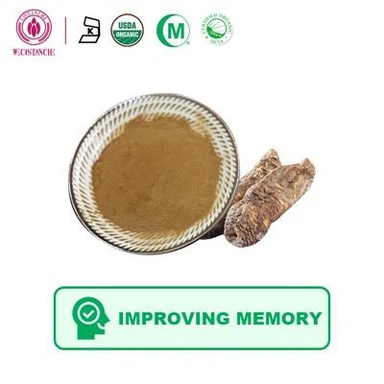
Species and origin: Prefer Cistanche deserticola or Cistanche tubulosa from recognized producing regions (e.g., arid zones of Northwest China). Ask for the exact species on the label.
Appearance:
Deserticola: thick, fleshy spikes when fresh; slices are firm, brown to dark brown with visible vascular dots; not overly glossy.
Tubulosa: typically lighter brown with clearer ringed structure; still should not look dyed.
Aroma and taste: Gentle, slightly sweet‑herbal; avoid harsh sulfur notes, chemical dye smell, or completely odorless slices (possible spent material).

Supportive Service Of Wecistanche-For more details about cooperation
Email:wallence.suen@wecistanche.com
Whatsapp/Tel:+86 15292862950

Moisture and feel: Not damp, not crumbly to dust. Excessively light and chalky can mean over‑dried or extracted residue.
Documentation:Ask for a Certificate of Analysis (COA) showing:

COA Standard By Wecistanche
Identity testing (e.g., HPTLC or DNA barcoding)
Marker compounds: phenylethanoid glycosides such as echinacoside and acteoside
Contaminants: heavy metals, pesticide residues, microbial limits, and sulfur dioxide
Storage and traceability: lot/batch numbers, harvest year, and processing dates.

Where to buy safely
Prefer regulated channels: established hospitals/clinics, licensed pharmacies, or supplement brands with third‑party testing.
For bulk or B2B: consider HACCP/GMP‑managed suppliers. Example: wecistanche (HACCP‑managed facility; company profile: https://www.xjcistanche.com/about-us). Ask for HACCP certificates, ISO/IEC 17025 lab reports, and batch‑level COAs.
Be cautious with anonymous marketplace sellers, rock‑bottom prices, and vague "proprietary blends" that hide actual herb content.
cistanche benefits: what's reasonable to expect
Traditional use: support for vitality and regularity within the TCM framework.
Research snapshot: Preclinical studies highlight antioxidant and anti‑inflammatory activities of echinacoside/acteoside and related pathways. Early human data are limited. Treat it as supportive nutrition, not a cure or a promise of structural change.
Responsible use: If you have medical conditions or take medications, consult a clinician first.
FAQ for first‑time buyers
Why does supermarket "herbal" sometimes feel weaker than pharmacy grade?
Many items sold as foods meet food‑grade-not medicinal‑grade-standards. Pharmacy/clinical supply demands tighter specs on species, origin, and marker levels.
How do I compare products online?
Look for species named, standardized marker ranges (e.g., echinacoside %, acteoside %), COAs by accredited labs, and clear contaminant limits.
Is sulfur fumigation always bad?
Limited fumigation has been used for preservation. Excess sulfur is the concern. Reputable suppliers disclose SO2 limits and provide test results.
A simple buyer's checklist
Named species + origin
Third‑party COA with identity testing and marker compounds
Contaminant panel (heavy metals, pesticides, microbes, SO2)
Transparent processing and storage info
Reasonable price aligned with grade and testing costs
Supplier quality system (HACCP/GMP) and responsive customer service
If you want cistanche for sale and don't want to gamble on quality, request:
Batch COA with echinacoside and acteoside levels
HACCP/GMP documentation
Recent independent lab results
You can then compare offers apples‑to‑apples instead of just by price.
Important note on expectations and safety
Herbs complement, not replace, medical care.
Avoid products claiming dramatic or anatomical changes. That's a red flag for misleading marketing.

References you can verify
Chinese Pharmacopoeia Commission. Monographs for Cistanche deserticola and Cistanche tubulosa. Latest edition.
Chen, S. et al. Pharmacological effects of Cistanche species and their phenylethanoid glycosides. Frontiers in Pharmacology. Review of echinacoside/acteoside and mechanisms.
United States Pharmacopeia (USP). Botanical identity and quality testing resources; USP–NF General Chapters on contaminants and testing.
WHO Guidelines on Good Agricultural and Collection Practices (GACP) for medicinal plants.
Codex Alimentarius/ISO 22000 and HACCP resources for food/herbal processing safety.
wecistanche (HACCP‑managed facility; company overview and certifications): https://www.xjcistanche.com/about-us
Need help comparing two COAs or deciphering marker levels? Share redacted labels/COAs and I can help you evaluate them side by side.