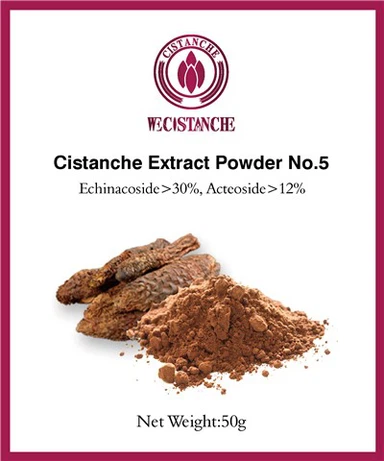
Cistanche: Gently Tonify Kidney Yang And Alleviate Physical Debility
Sep 17, 2026
A Desert-born Herb That Tonifies without Harsh Stimulation
Among TCM tonic herbs, cistanche enjoys neither the lofty reputation of ginseng nor the fierce, high-priced tonicity of pilose antler. Nevertheless, thanks to its mild property - warm yet not heat-inducing, tonifying yet not harsh - it ranks among the most frequently used herbs in ancient kidney-tonifying formulas and earns the laudatory title "Ginseng of the Desert". Many modern people suffer from fatigue, cold intolerance, soreness, and weakness of the lumbar and knee joints under fast-paced lifestyle consumption. Though eager for tonic therapy, they often go about it the wrong way: some suffer internal heat after over-consuming acrid-hot herbs; others get no benefits by mechanically copying other people's prescriptions.

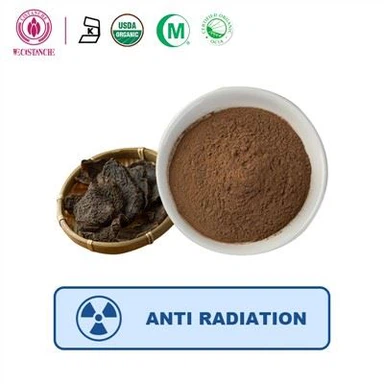
Chinese herb cistanche
Starting from "Ginseng of the Desert": The Wisdom of Composure Reflected in Its Name
Cistanche is a perennial parasitic herb of the Orobanchaceae family. Its medicinal part is the dried scaly-leaf-bearing fleshy stem. Devoid of photosynthesis, it parasitizes on the roots of desert shrubs such as Haloxylon ammodendron, Haloxylon persicum, and Tamarix ramosissima, absorbing nutrients from host plants. It is mainly distributed in Inner Mongolia, Xinjiang, Gansu, and Qinghai, hence the moniker "Ginseng of the Desert". Two officially recorded original plant species are documented in the Chinese Pharmacopoeia: Cistanche deserticola (commonly known as "Haloxylon-hosted cistanche" or "soft cistanche", largely distributed in Alxa, Inner Mongolia) and Cistanche tubulosa (Xinjiang-specific, mainly produced in Minfeng, Yutian and Qiemo of Hotan, commonly called "Tamarix-hosted cistanche" or "hard cistanche"). Different host plants lead to discrepancies in resource distribution and chemical composition.
Its given name derives from its gentle medicinal properties. Compendium of Materia Medica states: "This herb exerts tonic effects without harsh potency; hence it is named Cistanche. 'Cistanche' implies gentleness and moderation." Materia Medica Assembly summarizes its property in sixteen-character remarks: "Warm yet not heat-inducing, tonifying yet not harsh, comforting yet not dry-generating, moistening yet not purging - this accounts for its name Cistanche." Tonifying without harsh stimulation marks its core distinction from acrid-hot drastic herbs such as Aconite and Cinnamon bark.
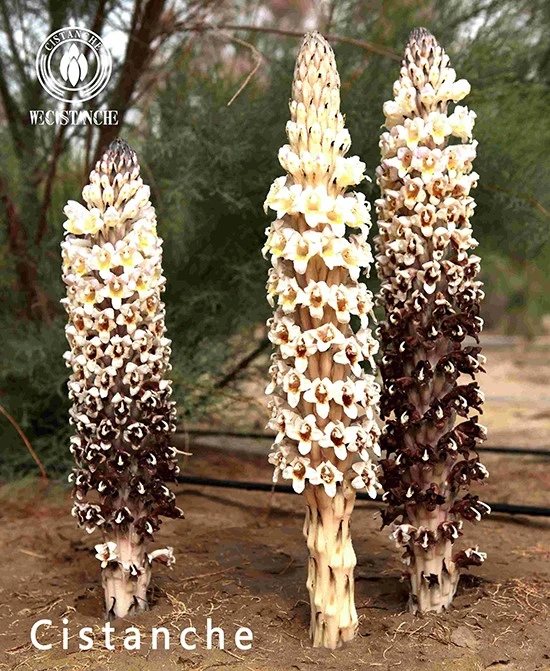
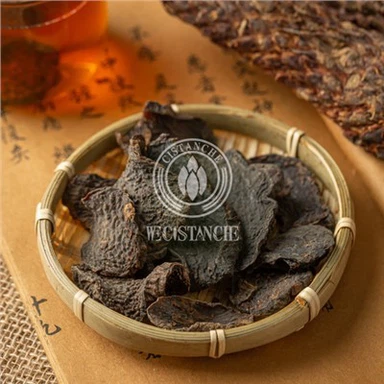
Desert-living cistanche
(Ⅰ) Harvesting & Processing: Sweet Cistanche vs Salty Cistanche
Harvesting time directly determines product quality. Cistanche is mostly collected in spring before or right after shoots emerge from soil. Inflorescences are removed before sectioning and sun-drying. Fresh-cut pieces half-buried in sand dry faster than those fully exposed to sunlight; the finished product is named sweet cistanche (mild-taste cistanche). Autumn-harvested cistanche contains high moisture and is hard to dry. Traditionally, it is pickled in salt lakes for one to three years to obtain salty cistanche, which must be desalted before medicinal application. However, salt-soaking and desalting cause massive loss of active ingredients; therefore, sweet cistanche is widely adopted in modern clinical practice.
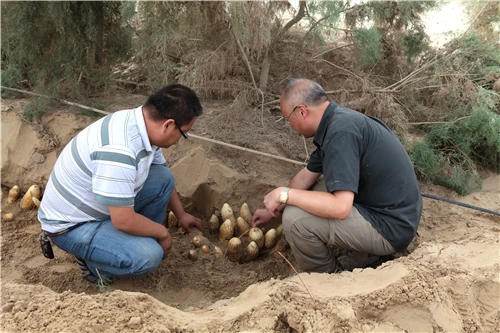
Cistanche tubulosa: a nourishing legend that crosses regions
(Ⅱ) Processing: Wine-processed Cistanche for Enhanced Warming-tonifying Potency
The major processed product is wine-steamed cistanche: clean cistanche slices are mixed with rice wine, sealed, and stewed or steamed until the wine is fully absorbed and the slices turn black, then dried. 20 kg of rice wine is applied for every 100 kg of crude herb. Wine-processed cistanche exhibits remarkably reinforced kidney-yang-tonifying effects, frequently used for impotence, lumbago, and infertility. Raw cistanche works better at moistening intestines and relieving constipation.

Cistanche wine
Nature-Flavor, Meridian Tropism and Three Core Therapeutic Effects
Sweet-salty and warm-natured, cistanche acts on the kidney and large intestine meridians. Its primary functions are tonifying kidney-yang, benefiting essence-blood, and moistening intestines to relieve constipation. It treats impotence, infertility, soreness-weakness of lumbar-knee joints, tendon-bone debilitation, and intestinal-dry constipation caused by kidney-yang deficiency and essence-blood depletion. Sweet flavor exerts tonic actions; salty flavor enters the kidney and softens hard masses; warm property boosts yang-qi. Rich in lipid-like substances, it tonifies yang without generating dryness and relaxes bowels without consuming body fluids, qualifying it as a rare mild tonic agent.
(Ⅰ) Tonify Kidney-Yang: Warm-nourish the Gate of Life and Gradually Ignite Internal Vital-fire
TCM regards kidney-yang as the root of human bodily yang-qi, comparable to an internal stove that warms zang-fu organs and promotes qi-blood circulation. When the vital-fire weakens, symptoms including cold intolerance of limbs, cold-pain of lumbar-knee joints, mental lassitude, and frequent nocturia will occur. Sweet-warm cistanche acts on the kidney meridian to warm and tonify kidney-yang without a drastic dry-heat property. Annotations on Materia Medica Classics describe it as "a key herb for nourishing kidney and replenishing essence-blood", and clarify that "its nature is slightly warm; the misconception that it produces intense heat is erroneous". Regarding cistanche as an extremely hot aphrodisiac constitutes its biggest misunderstanding.

Effects of Cistanche: Improve Kidney Function
Click here to view Cistanche for Kidney disease products
【Ask for more】 Email:cindy.xue@wecistanche.com / WhatsApp: 0086 18599088692 / WeChat: 18599088692
(Ⅱ) Benefit Essence-blood: Replenish Essence-marrow to Strengthen Tendons and Bones
The kidney stores essence; essence and blood share the same origin. Sufficient essence guarantees abundant marrow, solid bones, and tough tendons. Salty-flavored cistanche nourishes essence-blood via the kidney meridian; its sweet property tonifies qi and blood. Listed as a top-grade herb in Shennong's Classic of Materia Medica, it is recorded to "treat five types of fatigue and seven kinds of injuries, tonify the middle burner… nourish five zang-organs, strengthen yin, boost essence-qi, improve fertility, and keep body light with long-term intake". "Five types of fatigue" refer to chronic consumption induced by over-sight, prolonged lying, prolonged sitting, prolonged standing, and over-walking documented in Plain Questions. After middle age, essence-blood gradually declines, tendons and bones lose nourishment, giving rise to soreness-weakness of lumbar-knee joints, lower-limb debilitation and poor vitality - conditions where cistanche shows its advantages.
(Ⅲ) Moisten Intestines to Relieve Constipation: Lubricate without Purging, Activate Bowel Movement without Consuming Body Fluids
Soft-textured cistanche enters the large-intestine meridian to lubricate intestines. It is especially suitable for constipation triggered by insufficient body fluid and blood among the elderly, puerperal women, and convalescent patients, manifested as hard pellet-shaped stools and difficult defecation. Jing-yue's Complete Works points out that for patients with deficient primordial qi and lower-jiao obstruction who cannot tolerate drastic purgation, Jichuan Decoction (Angelica sinensis, Achyranthes bidentata, cistanche, Alisma orientalis, Cimicifuga, Aurantii Fructus) shall be adopted. In this formula, cistanche tonifies kidney-yang, nourishes blood, and lubricates intestines, realizing bowel-movement promotion via tonification rather than purgation, without consuming body fluids.

Effects of cistanche-treat constipation
Why Debility and Fatigue Require Kidney-Yang-oriented Intervention
Fatigue ranks among the most common chief complaints in modern clinical visits with multiple causative factors. A considerable proportion of such cases correlate with kidney-yang deficiency. Kidney-yang supplies motive power for "the official of strength". Once yang-qi becomes deficient, the body operates like a machine with insufficient horsepower. Typical manifestations: persistent drowsiness after waking, shortness of breath and disinclination to speak upon slight activity; perennial cold extremities; soreness-weakness of lumbar-knee joints aggravated by prolonged standing or walking; increased nocturia and difficult defecation.
Important reminder: Fatigue does not equal yang-deficiency. Patients accompanied by dry mouth and throat, hot palms-soles, night-sweat and red tongue with scant coating mostly suffer from yin-deficiency; those with heavy-body lassitude, abdominal distension and greasy tongue coating usually belong to damp-trap or spleen-deficiency patterns. Cistanche applies to cases dominated by yang-deficiency complicated with essence-blood insufficiency. Misapplication among yin-deficiency or damp-heat constitutions will aggravate internal heat and damage yin.
Three-step Simple Self-identification: Do You Possibly Have Yang-deficiency-type Fatigue?
Cold-heat performance: Persistent cold intolerance, fondness for warmth and warm compression, comfort obtained from heat stimulation.

Urination-defecation and tongue manifestation: Clear, profuse urine, frequent nocturia; loose stools or difficult-to-expel constipation; pale-fat tongue with tooth-marks and a white, slippery coating.
Vital-energy curve: Limited relief after rest, easy fatigue upon minor exertion, aggravated discomfort under cold conditions.
Note: The above contents serve merely as preliminary reference and cannot replace four diagnostic examinations performed by professional TCM practitioners. If you match two or more items, consult a TCM doctor before taking cistanche.
Modern Pharmacology: Scientific Explanation for Anti-fatigue and Physical-strength-enhancing Effects
(Ⅰ) Main Active Components
Modern research isolates phenylethanoid glycosides, iridoids, lignans, alkaloids, polysaccharides, and oligosaccharides from cistanche. Among them, phenylethanoid glycosides (echinacoside, acteoside) possess the highest content and the most abundant research evidence, and are adopted as marker components for pharmacopoeia identification and content determination.

Main Chemical Constituents of Cistanche
(Ⅱ) Anti-fatigue: Multi-target and Multi-pathway Synergistic Effects
The anti-fatigue property of cistanche is mainly attributed to phenylethanoid glycosides, which alleviate muscular injury, delay lactic acid accumulation, and optimize energy storage via three pathways:
Boost glycogen reserve, improve mitochondrial function, and elevate ATP generation efficiency;
Accelerate lactic acid metabolism, reduce post-exercise blood lactic acid and serum urea nitrogen, and relieve soreness;
Scavenge free radicals, raise SOD activity, and lower MDA level so as to protect cells and mitochondria.
Animal experiments demonstrate that cistanche water decoction can improve listlessness, reduced locomotion, and cold tail-limb symptoms in hydrocortisone-induced yang-deficient mice, increase body weight and activity frequency, and mitigate post-exercise lactic acid accumulation.

Effects of cistanche-anti fatigue
(Ⅲ) Other Noteworthy Pharmacological Actions
Immunoregulation: Enhance macrophage phagocytic capacity; echinacoside modulates the JAK1/STAT3 pathway to ameliorate immune disturbance.
Neuroprotection: Phenylethanoid glycosides improve learning-memory capacity; echinacoside and acteoside inhibit neuronal apoptosis and reduce β-amyloid protein aggregation.
Bone-metabolism improvement: Inhibit RANKL, down-regulate NF-κB and c-Fos pathways, suppress osteoclast activity, and facilitate osteogenesis.
Intestinal-moistening and laxative effect: Regulate aquaporin-3 expression via the SCF/C-kit pathway and restore intestinal transit function in aged-constipation model mice.