Clinical And Biomarker Profile Responses To Rehabilitation Treatment in Patients With Long COVID Characterized By Chronic Fatigue Part 2
Aug 25, 2023
3.3. Response to Treatment
When we evaluated the response to treatment, we found no significant differences in the Borg scale for dyspnea or FIS for fatigue before and after receiving rehabilitation treatment. However, regarding the 6 MWT, we found a significant improvement in the meters walked before and after the rehabilitation intervention. Moreover, we found stability in the percentage of meters walked (Table 4).
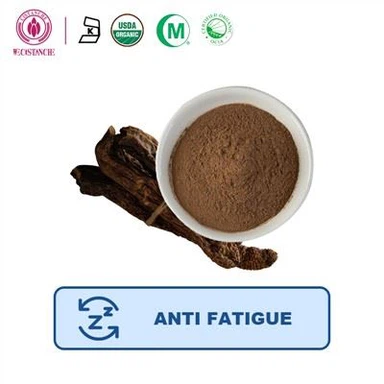
Cistanche can act as an anti-fatigue and stamina enhancer, and experimental studies have shown that the decoction of Cistanche tubulosa could effectively protect the liver hepatocytes and endothelial cells damaged in weight-bearing swimming mice, upregulate the expression of NOS3, and promote hepatic glycogen synthesis, thus exerting anti-fatigue efficacy. Phenylethanoid glycoside-rich Cistanche tubulosa extract could significantly reduce the serum creatine kinase, lactate dehydrogenase, and lactate levels, and increase the hemoglobin (HB) and glucose levels in ICR mice, and this could play an anti-fatigue role by decreasing the muscle damage and delaying the lactic acid enrichment for energy storage in mice. Compound Cistanche Tubulosa Tablets significantly prolonged the weight-bearing swimming time, increased the hepatic glycogen reserve, and decreased the serum urea level after exercise in mice, showing its anti-fatigue effect. The decoction of Cistanchis can improve endurance and accelerate the elimination of fatigue in exercising mice, and can also reduce the elevation of serum creatine kinase after load exercise and keep the ultrastructure of skeletal muscle of mice normal after exercise, which indicates that it has the effects of enhancing physical strength and anti-fatigue. Cistanchis also significantly prolonged the survival time of nitrite-poisoned mice and enhanced the tolerance against hypoxia and fatigue.

Click on Mentally Exhausted
【For more info:george.deng@wecistanche.com / WhatApp:8613632399501】
SBP was significantly lower than in the initial test. The rest of the variables did not show significant differences.
Finally, at the end of the rehabilitation treatment, through a telephone call, fatigue and satisfaction scales were collected. The fatigue impact scale presented a mean score of 22.14 (4.90) (out of 32), and the participants gave a mean score of 8.36 (1.50) out of 10 for their satisfaction with the study.
3.4. Differential Characteristics of “Responders” and “Nonresponders” Patients
After the rehabilitation treatment, we classified the patients according to the improvement in walked meters as “responders” and “nonresponders”, and we compared the main characteristics between both groups. We did not observe any difference in the clinical data collected (age, allergies, comorbidities, level of physical activity, characteristics of acute COVID infection, vaccination, physical examination, BMI, HAD Scale, or LC symptoms) between the groups (“responders” and “nonresponders”). Regarding the blood analysis requested in the consultation, the “responders” had significantly higher levels of creatinine than the “nonresponders” (Table 5) and also a lower ratio of protein/creatinine (Figure 3). Even though the protein levels were not significantly different between “responders” and “nonresponders”, most likely because of the small sample size, there seems to be a trend for the “responders” to present higher levels. Then, we built a logistic regression model using the ratio of proteins/creatinine and we obtained that if this ratio is bigger than 10, we have an accuracy of 78%, with a sensitivity of 0.75 and a specificity of 0.8. The rest of the analytical variables collected did not show significant differences.

Then, we also analyzed the response to treatment about the presence of obesity and the vaccination state.
3.4.1. Body Mass Index
We classified patients according to their BMI. Subjects with obesity (>30 Kg/m2 ) had a significantly higher frequency of severe clinical symptoms requiring admission (66.7% vs. 0.0% in patients without obesity, p = 0.015). Regarding the values from the RHBC, patients with obesity presented a significantly lower number of meters walked in the 6MWT before treatment than patients without obesity (meters in patients without obesity: 461.75 ± 46.80 vs. meters in patients with obesity: 384.20 ± 44.30, p = 0.015), lower Borg final dyspnea score (nonobesity patients: 6.50 ± 1.40 vs. patients with obesity: 3.33 ± 1.10, p = 0.016) and lower FIS final for fatigue (nonobesity: 7.50 (7.00–8.50) vs. patients with obesity: 4.00 (4.00), p = 0.048). Regarding the laboratory values, patients presenting with obesity had higher levels of ALT (patients without obesity: 14.50 (13.00–17.75) vs. those with obesity: 21.00 (17.00–50.50), p = 0.045) and GGT (nonobesity: 11.50 (9.25–13.00) vs. obesity: 46.00 (27.50–71.00), p = 0.002) than patients without obesity. No significant differences were found regarding the level of physical activity or the HAD scale score.
3.4.2. Vaccination
A total of 78% of the participants had received a first dose of the SARS-CoV-2 vaccine, with the majority receiving the Pfizer vaccine (42.9%). A total of 28.6% of the patients had received a second dose, with the majority receiving the Pfizer vaccine (78%). All vaccinated subjects were vaccinated from 15 January 2021 to 25 August 2021, to prioritize this therapy. Linking vaccination with COVID-19 severity, 27.3% of vaccinated and 33.3% of unvaccinated patients showed severe symptoms and required hospitalization. While the patients vaccinated with a first dose did not present significant differences in the values obtained in the RHBC, the patients vaccinated with the second dose did present a significant difference in the final Borg/FIS value (unvaccinated: 7.50 (7.00–8.50) vs. vaccinated: 4.00 (4.00), p = 0.048), being higher in unvaccinated patients than in vaccinated patients.
4. Discussion
Long COVID syndrome is a complex multiorgan symptom that develops after an acute COVID-19 infection and persists beyond 12 weeks post-infection. One of the most frequently associated symptoms with the greatest impact on the quality of life of patients is fatigue. Despite hurting the life and functionality of patients, there is no specific treatment for this pathology, so a holistic approach to patient management is currently recommended. Therefore, the investigation of this pathology and its possible areas of treatment is essential. In the present study, the role that a multidisciplinary rehabilitation program could play in the treatment of LC patients was examined. Moreover, we want to highlight that although some authors have studied predictors of LC appearance [14,21], there are no studies on biomarkers of response to rehabilitation treatment, which would be very useful in determining the best candidates for this treatment. For this reason, our second objective was to investigate possible prognostic biomarkers of the response to rehabilitation treatment in these patients.

In this sense, the novelty of the present study lies in the fact that we have applied a supervised exercise program similar to that described by Cattadori et al. [28] and studied for the first time the possibility of predicting the response to this rehabilitation treatment in patients with LC syndrome and chronic fatigue using basic laboratory, proinflammatory, and autoimmune biomarkers.
First, it should be noted that the baseline characteristics of our cohort were consistent with the higher risk of developing LC described in the literature, such as middle age, obesity, and female sex [3]. It is known that the incidence of LC is influenced by factors, such as female sex, aging, the severity of COVID-19 disease, or the presence of different SARS-CoV-2 variants [29,30]. A total of 64.3% of the patients had an acute COVID-19 condition of mild/moderate severity, and the remaining 35.7% suffered a severe condition requiring hospital admission, with expected alterations [31,32] in the admission analysis (elevated levels above AST, ALT, CRP, D-dimer, and IL-6 reference values). The mean LC symptoms and their distribution were similar to those observed in other studies [8,19,22,33], mostly reporting fatigue, headache, dyspnea, amnesia, and olfactory disturbances. In the laboratory analysis, patients presented an abnormally high mean fibrinogen (445.80 (57.90)) and GSR (14.92 (8.40)), consistent with the analytical profiles associated with LC observed in other studies [34].
After rehabilitation treatment, the participants presented a significant improvement in the meters walked and in oxygen saturation and SBP, with stability in the percentage of meters walked and in the Borg/FIS scales. Taken together, we can consider that the patients in our cohort presented a partial response to the rehabilitation treatment. The results regarding the improvement in meters walked were similar to other studies [35,36]. However, other authors showed an improvement in the Borg/FIS scale score after rehabilitation treatment [35]. Our results may be influenced by the small number of patients since it is a pilot study. Regarding rehabilitation treatment, it is important to highlight that moderate-intensity exercise seems to improve the immune system, so, it should be recommended as a non-pharmacological way to cope with the COVID-19 virus [37].
Regarding obesity, patients with obesity presented a significantly lower number of meters walked in the 6MWT before treatment than patients without obesity, as expected. However, those with obesity presented a significantly lower subjective sensation of fatigue or dyspnea after treatment. This could be due to an underestimation of this sensation in obese patients, probably accustomed to a certain basal breathlessness [38].
Regarding the vaccination state, it is important to note that vaccination has the potential to reduce the risk of LC [39]. In our study, patients vaccinated with the second dose against SARS-CoV-2 compared to nonvaccinated patients presented a significantly lower subjective sensation of fatigue. In this sense, some authors have suggested that vaccines could improve LC symptoms by activating T-lymphocytes and eliminating the viral reservoir, causing an increase in the immune response, or diverting the inappropriate autoimmune response present in LC [40].
Significantly lower levels of creatinine were observed in “nonresponders” than in “responder” patients. Moreover, albumin and protein levels were also lower in “nonresponders”, while globulin levels were higher, although without reaching statistical significance. This lack of significance might be due to the small sample size. It must be noted that all values (levels of creatinine, protein, albumin, and globulin) were within normal ranges. Overall, these data seem to indicate that those patients with better protein nutrition will present a better response to rehabilitation treatment, as described [41]. Moreover, some studies [42,43] have linked higher albumin levels and lower globulin levels with a favorable prognosis for COVID-19. Further studies should validate this observation. Additionally, it made us think that perhaps these parameters could predict the response to rehabilitation treatment. In this sense, we studied the correlations of different analytical parameters obtained on the first day of LCMC with the evolution of the disease. The mean result was that the difference in the percentage of meters walked correlated positively with creatinine. Similarly, Robertson et al. recently described some alterations in the molecular composition of long COVID-19 patient urine, detected using Raman spectroscopic/computational analysis [44].

Unlike some authors who have found that inflammatory and autoimmune parameters could be involved in the pathogenesis of LC, we could not find any correlation between the response to treatment with inflammatory classical parameters, only a negative correlation of the difference in FIS for fatigue with the titers of ANA [45–49]. On the other hand, Kruger et al. recently described, in an LC cohort, a reduced level of plasma kallikrein compared to controls, an increased level of platelet factor 4 (PF4) von Willebrand factor (VWF), and a marginally increased level of α-2 antiplasmin (α-2-AP). They suggested that the presence of these proinflammatory molecules could explain why individuals with long COVID suffer from chronic fatigue, dyspnea, or cognitive impairment [50]. In this sense, we found that platelets and fibrinogen were increased in nonresponding patients.
Several limiting aspects must be considered when interpreting the findings of this study. First, as it is a pilot study, the reduced sample size could decrease the statistical power and potentially bias some results. With only nine patients who have completed the treatment, it is important to acknowledge the limitations of generalizability to a larger population. Therefore, the findings from this pilot study are exploratory and should be interpreted as such. Second, the study duration was limited because the research work consumed a lot of healthcare resources and daily care could no longer be interfered with. Third, the results cannot be generalized to the total population due to the lack of representation of male or older patients. Fourth, the nature of the treatment prevented the intervention from being blinded to both the participants and the researchers, and there was no control group for establishing assumptions of causality. Fifth, although the DePaul Symptom Questionnaire is a validated self-report questionnaire of 54 symptoms with excellent discriminant validity to assess and monitor the progression of myalgic encephalomyelitis/chronic fatigue syndrome [51], we decided to use FIS and the Borg scale to assess fatigue and dyspnea, respectively. Sixth, although the walking length increased after the rehabilitation program, this may be partly due to the natural process of the disease. However, a strong point of this study was the number of variables collected and the absence of risks associated with the intervention. However, further studies are needed to validate our findings.
5. Conclusions
In conclusion, patients with LC and fatigue demonstrated a partial response but were favorable to the rehabilitation intervention. Although the sample size is small, most of the patients were responders to treatment. A good state of protein nutrition was related to a better response to a supervised exercise program. In addition, the results are promising regarding the establishment of creatinine as a possible predictive biomarker of the response to rehabilitation treatment to prioritize and improve patient care.
Author Contributions: Conceptualization, J.B., M.R. (Marcela Renzulli), M.O. and T.A.; methodology, J.B., M.R. (Monica Real), L.B., M.R. (Marcela Renzulli), D.R., M.O., J.A.P., C.P., and A.M.; software, J.B., M.R. (Monica Real), M.R. (Marcela Renzulli), M.O. and T.A.; validation, R.S.S., and T.A.; formal analysis, J.B., M.R. (Monica Real) and L.B.; investigation, J.B., M.R. (Monica Real), M.R. (Marcela Renzulli), M.O., C.P., A.M., and T.A.; resources, J.B., M.R. (Monica Real), M.R. (Marcela Renzulli), D.R., J.A.P., M.O., C.P., R.S.S., D.R.P., and T.A.; data curation, L.B., and T.A. writing—original draft preparation, J.B., M.R. (Monica Real) and T.A.; writing—review and editing, L.B., M.R. (Marcela Renzulli), M.O. and R.S.S.; visualization, J.B., M.R. (Monica Real), M.R. (Marcela Renzulli), M.O., R.S.S., and T.A.; supervision, R.S.S., and T.A.; project administration, T.A.; funding acquisition, T.A. All authors have read and agreed to the published version of the manuscript.

Funding: This work was funded by a donation from the City Council of Perafort (to Teresa August).
Institutional Review Board Statement: The study was conducted according to the guidelines of the Declaration of Helsinki and approved by the Institutional Review Board (or Ethics Committee) of Institut Investigació Sanitària Pere Virgili (IISPV) CEIm (protocol code 156/2021).
Informed Consent Statement: Informed consent was obtained from all subjects involved in the study.
Data Availability Statement: Not applicable.
Acknowledgments: We are grateful for the donation from the City Council of Perafort that made the development of this research possible.
Conflicts of Interest: The authors declare no conflict of interest.
References
1. Wu, Z.; McGoogan, J.M. Characteristics of and Important Lessons From the Coronavirus Disease 2019 (COVID-19) Outbreak in China: Summary of a Report of 72 314 Cases From the Chinese Center for Disease Control and Prevention. JAMA 2020, 323, 1239–1242. [CrossRef]
2. Daher, A.; Balfanz, P.; Cornelissen, C.; Müller, A.; Bergs, I.; Marx, N.; Müller-Wieland, D.; Hartmann, B.; Dreher, M.; Müller, T. Follow up of Patients with Severe Coronavirus Disease 2019 (COVID-19): Pulmonary and Extrapulmonary Disease Sequelae. Respir. Med. 2020, 174, 106197. [CrossRef]
3. Sudre, C.H.; Murray, B.; Varsavsky, T.; Graham, M.S.; Penfold, R.S.; Bowyer, R.C.; Pujol, J.C.; Klaser, K.; Antonelli, M.; Canas, L.S.; et al. Attributes and Predictors of Long COVID. Nat. Med. 2021, 27, 626–631. [CrossRef]
4. Burn, E.; Tebé, C.; Fernandez-Bertolin, S.; Aragon, M.; Recalde, M.; Roel, E.; Prats-Uribe, A.; Prieto-Alhambra, D.; Duarte-Salles, T. The Natural History of Symptomatic COVID-19 during the First Wave in Catalonia. Nat. Commun. 2021, 12, 777. [CrossRef] [PubMed]
5. Franco, J.V.A.; Garegnani, L.I.; Oltra, G.V.; Metzendorf, M.-I.; Trivisonno, L.F.; Sgarbossa, N.; Ducks, D.; Heldt, K.; Mumm, R.; Barnes, B.; et al. Long-Term Health Symptoms and Sequelae Following SARS-CoV-2 Infection: An Evidence Map. Int. J. Environ. Res. Public Health 2022, 19, 9915. [CrossRef] [PubMed]
6. Greenhalgh, T.; Knight, M.; A’Court, C.; Buxton, M.; Husain, L. Management of Post-Acute COVID-19 in Primary Care. BMJ 2020, 370, m3026. [CrossRef]
7. Chen, C.; Haupert, S.R.; Zimmermann, L.; Shi, X.; Fritsche, L.G.; Mukherjee, B. Global Prevalence of Post-Acute Sequelae of COVID-19 (PASC) or Long COVID: A Meta-Analysis and Systematic Review. J. Infect. Dis. 2022, 226, 1593–1607. [CrossRef]
8. Davis, H.E.; Assaf, G.S.; McCorkell, L.; Wei, H.; Low, R.J.; Re’em, Y.; Redfield, S.; Austin, J.P.; Akrami, A. Characterizing Long COVID in an International Cohort: 7 Months of Symptoms and Their Impact. eClinicalMedicine 2021, 38, 101019. [CrossRef]
9. Pérez-González, A.; Araújo-Ameijeiras, A.; Fernández-Villar, A.; Crespo, M.; Poveda, E.; The Cohort COVID-19 of the Galicia Sur Health Research Institute; Cabrera, J.J.; del Campo, V.; de Araujo, B.G.; Gómez, C.; et al. Long COVID in Hospitalized and Non-Hospitalized Patients in a Large Cohort in Northwest Spain, a Prospective Cohort Study. Sci. Rep. 2022, 12, 3369. [CrossRef] [PubMed]
10. Soriano, J.B.; Murthy, S.; Marshall, J.C.; Relan, P.; Diaz, J.V. A Clinical Case Definition of Post-COVID-19 Condition by a Delphi Consensus. Lancet Infect. Dis. 2022, 22, e102–e107. [CrossRef] [PubMed]
11. Nalbandian, A.; Sehgal, K.; Gupta, A.; Madhavan, M.V.; McGroder, C.; Stevens, J.S.; Cook, J.R.; Nordvig, A.S.; Shalev, D.; Sehrawat, T.S.; et al. Post-Acute COVID-19 Syndrome. Nat. Med. 2021, 27, 601–615. [CrossRef] [PubMed]
12. Davis, H.E.; McCorkell, L.; Vogel, J.M.; Topol, E.J. Long COVID: Major Findings, Mechanisms and Recommendations. Nat. Rev. Microbiol. 2023, 21, 133–146. [CrossRef]
13. Gottschalk, C.G.; Peterson, D.; Armstrong, J.; Knox, K.; Roy, A. Potential Molecular Mechanisms of Chronic Fatigue in Long Haul COVID and Other Viral Diseases. Infect. Agent. Cancer 2023, 18, 7. [CrossRef] [PubMed]
14. Ahamed, J.; Laurence, J. Long COVID Endotheliopathy: Hypothesized Mechanisms and Potential Therapeutic Approaches. J. Clin. Investig. 2022, 132, e161167. [CrossRef] [PubMed]
15. Dalamaga, M. Obesity, Insulin Resistance, Adipocytokines and Breast Cancer: New Biomarkers and Attractive Therapeutic Targets. World J. Exp. Med. 2013, 3, 34. [CrossRef]
16. Brito-Zerón, P.; Melchor, S.; Seror, R.; Priori, R.; Solans, R.; Kostov, B.; Baldini, C.; Carubbi, F.; Callejas, J.L.; Guisado-Vasco, P.; et al. SARS-CoV-2 Infection in Patients with Primary Sjögren Syndrome: Characterization and Outcomes of 51 Patients. Rheumatology 2021, 60, 2946–2957. [CrossRef]
17. Tenforde, M.W.; Billig Rose, E.; Lindsell, C.J.; Shapiro, N.I.; Files, D.C.; Gibbs, K.W.; Prekker, M.E.; Steingrub, J.S.; Smithline, H.A.; Gong, M.N.; et al. Characteristics of Adult Outpatients and Inpatients with COVID-19—11 Academic Medical Centers, United States, March–May 2020. MMWR Morb. Mortal. Wkly. Rep. 2020, 69, 841–846. [CrossRef]
18. Carfì, A.; Bernabei, R.; Landi, F. For the Gemelli Against COVID-19 Post-Acute Care Study Group Persistent Symptoms in Patients After Acute COVID-19. JAMA 2020, 324, 603. [CrossRef]
19. Mandal, S.; Barnett, J.; Brill, S.E.; Brown, J.S.; Denneny, E.K.; Hare, S.S.; Heightman, M.; Hillman, T.E.; Jacob, J.; Jarvis, H.C.; et al. ‘Long-COVID’: A Cross-Sectional Study of Persisting Symptoms, Biomarker and Imaging Abnormalities Following Hospitalisation for COVID-19. Thorax 2021, 76, 396–398. [CrossRef]
20. Garg, M.; Maralakunte, M.; Garg, S.; Dhooria, S.; Sehgal, I.; Bhalla, A.S.; Vijayvergiya, R.; Grover, S.; Bhatia, V.; Jagia, P.; et al. The Conundrum of ‘Long-COVID-190: A Narrative Review. Int. J. Gen. Med. 2021, 14, 2491–2506. [CrossRef]
21. Drake, K.A.; Talantov, D.; Tong, G.J.; Lin, J.T.; Verheijden, S.; Katz, S.; Leung, J.M.; Yuen, B.; Krishna, V.; Wu, M.J.; et al. Multi-Omic Profiling Reveals Early Immunological Indicators for Identifying COVID-19 Progressors. bioRxiv 2023. [CrossRef]
22. Aiyegbusi, O.L.; Hughes, S.E.; Turner, G.; Rivera, S.C.; McMullan, C.; Chandan, J.S.; Haroon, S.; Price, G.; Davies, E.H.; Nirantharakumar, K.; et al. Symptoms, Complications and Management of Long COVID: A Review. J. R. Soc. Med. 2021, 114, 428–442. [CrossRef]
23. Fernández Solà, J. El síndrome de fatiga crónica. Med. Integral 2002, 40, 56–63.
24. Agostini, F.; Mangone, M.; Ruiu, P.; Paolucci, T.; Santilli, V.; Bernetti, A. Rehabilitation Setting during and after Covid-19: An Overview on Recommendations. J. Rehabil. Med. 2021, 53, jrm00141. [CrossRef]
25. Bull, F.C.; Al-Ansari, S.S.; Biddle, S.; Borodulin, K.; Buman, M.P.; Cardon, G.; Carty, C.; Chaput, J.-P.; Chastin, S.; Chou, R.; et al. World Health Organization 2020 Guidelines on Physical Activity and Sedentary Behaviour. Br. J. Sports Med. 2020, 54, 1451–1462. [CrossRef]
26. Aguilar-Navarro, S.G.; Mimenza-Alvarado, A.J.; Palacios-García, A.A.; Samudio-Cruz, A.; Gutiérrez-Gutiérrez, L.A.; Ávila-Funes, J.A. Validez y confiabilidad del MoCA (Montreal Cognitive Assessment) para el tamizaje del deterioro cognoscitivo en méxico. Rev. Colomb. Psiquiatr. 2018, 47, 237–243. [CrossRef]
27. Casanova, C.; Celli, B.R.; Barria, P.; Casas, A.; Cote, C.; de Torres, J.P.; Jardim, J.; Lopez, M.V.; Marin, J.M.; Montes de Oca, M.; et al. The 6-Min Walk Distance in Healthy Subjects: Reference Standards from Seven Countries. Eur. Respir. J. 2011, 37, 150–156. [CrossRef]
28. Cattadori, G.; Di Marco, S.; Baravelli, M.; Picozzi, A.; Ambrosio, G. Exercise Training in Post-COVID-19 Patients: The Need for a Multifactorial Protocol for a Multifactorial Pathophysiology. J. Clin. Med. 2022, 11, 2228. [CrossRef]
29. Notarte, K.I.; De Oliveira, M.H.S.; Peligro, P.J.; Velasco, J.V.; Macaranas, I.; Ver, A.T.; Pangilinan, F.C.; Pastrana, A.; Goldrich, N.; Kavteladze, D.; et al. Age, Sex and Previous Comorbidities as Risk Factors Not Associated with SARS-CoV-2 Infection for Long COVID-19: A Systematic Review and Meta-Analysis. J. Clin. Med. 2022, 11, 7314. [CrossRef]
30. Fernández-de-las-Peñas, C.; Notarte, K.I.; Peligro, P.J.; Velasco, J.V.; Ocampo, M.J.; Henry, B.M.; Arendt-Nielsen, L.; Torres-Macho, J.; Plaza-Manzano, G. Long-COVID Symptoms in Individuals Infected with Different SARS-CoV-2 Variants of Concern: A Systematic Review of the Literature. Viruses 2022, 14, 2629. [CrossRef]
31. Ponti, G.; Maccaferri, M.; Ruini, C.; Tomasi, A.; Ozben, T. Biomarkers Associated with COVID-19 Disease Progression. Crit. Rev. Clin. Lab. Sci. 2020, 57, 389–399. [CrossRef]
32. Henry, B.M.; de Oliveira, M.H.S.; Benoit, S.; Plebani, M.; Lippi, G. Hematologic, Biochemical, and Immune Biomarker Abnormalities Associated with Severe Illness and Mortality in Coronavirus Disease 2019 (COVID-19): A Meta-Analysis. Clin. Chem. Lab. Med. CCLM 2020, 58, 1021–1028. [CrossRef]
33. Yong, S.J. Long COVID or Post-COVID-19 Syndrome: Putative Pathophysiology, Risk Factors, and Treatments. Infect. Dis. 2021, 53, 737–754. [CrossRef]
34. Pretorius, E.; Vlok, M.; Venter, C.; Bezuidenhout, J.A.; Laubscher, G.J.; Steenkamp, J.; Kell, D.B. Persistent Clotting Protein Pathology in Long COVID/Post-Acute Sequelae of COVID-19 (PASC) Is Accompanied by Increased Levels of Antiplasmin. Cardiovasc. Diabetol. 2021, 20, 172. [CrossRef]
35. Nopp, S.; Moik, F.; Klok, F.A.; Gattinger, D.; Petrovic, M.; Vonbank, K.; Koczulla, A.R.; Ay, C.; Zwick, R.H. Outpatient Pulmonary Rehabilitation in Patients with Long COVID Improves Exercise Capacity, Functional Status, Dyspnea, Fatigue, and Quality of Life. Respiration 2022, 101, 593–601. [CrossRef]
36. Li, J.; Xia, W.; Zhan, C.; Liu, S.; Yin, Z.; Wang, J.; Chong, Y.; Zheng, C.; Fang, X.; Cheng, W.; et al. A Telerehabilitation Programme in Post-Discharge COVID-19 Patients (TERECO): A Randomised Controlled Trial. Thorax 2022, 77, 697–706. [CrossRef]
37. Brugliera, L.; Spina, A.; Castellazzi, P.; Cimino, P.; Arcuri, P.; Deriu, M.; Zanetta, C.; Angelone, S.; Capitanio, J.; Alemanno, F.; et al. Rehabilitative of COVID-19 Patients with Acute Lower Extremity Ischemia and Amputation. J. Rehabil. Med. 2020, 52, 1–4. [CrossRef]
38. Sandberg, J.; Olsson, M.; Ekström, M. Underlying Conditions Contributing to Breathlessness in the Population. Curr. Opin. Support. Palliat. Care 2021, 15, 219–225. [CrossRef]
39. Notarte, K.I.; Catahay, J.A.; Velasco, J.V.; Pastrana, A.; Ver, A.T.; Pangilinan, F.C.; Peligro, P.J.; Casimiro, M.; Guerrero, J.J.; Gellaco, M.M.L.; et al. Impact of COVID-19 Vaccination on the Risk of Developing Long-COVID and on Existing Long-COVID Symptoms: A Systematic Review. eClinicalMedicine 2022, 53, 101624. [CrossRef]
40. Maltezou, H.C.; Pavli, A.; Tsakris, A. Post-COVID Syndrome: An Insight on Its Pathogenesis. Vaccines 2021, 9, 497. [CrossRef]
41. Smith-Ryan, A.E.; Hirsch, K.R.; Saylor, H.E.; Gould, L.M.; Blue, M.N.M. Nutritional Considerations and Strategies to Facilitate Injury Recovery and Rehabilitation. J. Athl. Train. 2020, 55, 918–930. [CrossRef] [PubMed]
42. Xu, Y.; Yang, H.; Wang, J.; Li, X.; Xue, C.; Niu, C.; Liao, P. Serum Albumin Levels Are a Predictor of COVID-19 Patient Prognosis: Evidence from a Single Cohort in Chongqing, China. Int. J. Gen. Med. 2021, 14, 2785–2797. [CrossRef] [PubMed]
43. Ulloque-Badaracco, J.R.; Mosquera-Rojas, M.D.; Hernandez-Bustamante, E.A.; Alarcón-Braga, E.A.; Herrera-Añazco, P.; BenitesZapata, V.A. Prognostic Value of Albumin-to-Globulin Ratio in COVID-19 Patients: A Systematic Review and Meta-Analysis. Heliyon 2022, 8, e09457. [CrossRef]
44. Robertson, J.L.; Senger, R.S.; Talty, J.; Du, P.; Sayed-Issa, A.; Avellar, M.L.; Ngo, L.T.; Gomez De La Espriella, M.; Fazili, T.N.; Jackson-Akers, J.Y.; et al. Alterations in the Molecular Composition of COVID-19 Patient Urine, Detected Using Raman Spectroscopic/Computational Analysis. PLoS ONE 2022, 17, e0270914. [CrossRef]
45. Casanova, J.-L.; Abel, L. Mechanisms of Viral Inflammation and Disease in Humans. Science 2021, 374, 1080–1086. [CrossRef] [PubMed]
46. Getts, D.R.; Chastain, E.M.L.; Terry, R.L.; Miller, S.D. Virus Infection, Antiviral Immunity, and Autoimmunity. Immunol. Rev. 2013, 255, 197–209. [CrossRef]
47. Ian, R.M.; Noel, R. Rose the Autoimmune Diseases, 5th ed.; Elsevier: Amsterdam, The Netherlands, 2014; ISBN 978-0-12-384929-8.
48. Phetsouphanh, C.; Darley, D.R.; Wilson, D.B.; Howe, A.; Munier, C.M.L.; Patel, S.K.; Juno, J.A.; Burrell, L.M.; Kent, S.J.; Dore, G.J.; et al. Immunological Dysfunction Persists for 8 Months Following Initial Mild-to-Moderate SARS-CoV-2 Infection. Nat. Immunol. 2022, 23, 210–216. [CrossRef]
49. Su, Y.; Yuan, D.; Chen, D.G.; Ng, R.H.; Wang, K.; Choi, J.; Li, S.; Hong, S.; Zhang, R.; Xie, J.; et al. Multiple Early Factors Anticipate Post-Acute COVID-19 Sequelae. Cell 2022, 185, 881–895.e20. [CrossRef]
50. Kruger, A.; Vlok, M.; Turner, S.; Venter, C.; Laubscher, G.J.; Kell, D.B.; Pretorius, E. Proteomics of Fibrin Amyloid Microclots in Long COVID/Post-Acute Sequelae of COVID-19 (PASC) Shows Many Entrapped pro-Inflammatory Molecules That May Also Contribute to a Failed Fibrinolytic System. Cardiovasc. Diabetol. 2022, 21, 190. [CrossRef]
51. Oliveira, C.R.; Jason, L.A.; Unutmaz, D.; Bateman, L.; Vernon, S.D. Improvement of Long COVID Symptoms over One Year. Front. Med. 2023, 9, 1065620. [CrossRef]
Disclaimer/Publisher’s Note: The statements, opinions, and data contained in all publications are solely those of the individual author(s) and contributor(s) and not of MDPI and/or the editor(s). MDPI and/or the editor(s) disclaim responsibility for any injury to people or property resulting from any ideas, methods, instructions, or products referred to in the content.
【For more info:george.deng@wecistanche.com / WhatApp:8613632399501】