Clinical Observation Of Cistanche in Protecting Residual Renal Function
Mar 08, 2022
Clinical trial: the positive effects of Cistanche on patients with chronic kidney disease
For more information please contact: ali.ma@wecistanche.com

Click to Cistanche tubulosa and cistanche deserticola ma product
[Keywords] Cistanche; kidney; kidney dialysis; Chinese medicine therapy
Protecting residual renal function is the primary task in the treatment of chronic kidney disease. Even for patients undergoing dialysis at stage 5 of chronic kidney disease, it can significantly improve the survival rate of dialysis patients, reduce excessive restrictions on diet and fluids, improve molecular clearance, maintain Better hemoglobin, phosphorus, potassium, and urea levels, improve nutritional status and quality of life. The United States "Clinical Practice Guidelines for Chronic Kidney Disease and Dialysis" (NKF-K/DOQI) recommends that residual renal function be added to the assessment of dialysis adequacy, emphasizing the control of volume, dry body mass, blood pressure, and improvement of self-awareness]. The advantages of traditional Chinese medicine in improving the adequacy of dialysis and protecting the function of the residual kidney are relatively clear. Single-flavor Chinese medicine is favored in the treatment of kidney disease for its clear efficacy and convenient application. From October 2007 to March 2010, we used the self-control study method for 90 cases of blood dialysis, and compared conventional dialysis with oral cistanche and simple conventional dialysis. The results are as follows.

1. Materials and methods
1.1. General information
The 90 cases were the Department of Nephrology, Hebei Geriatric Hospital (16 cases), the Department of Nephrology, Hebei Youai Hospital (14 cases), the Department of Nephrology, Affiliated Hospital of Hebei University (30 cases), and the Department of Nephrology, the Third Affiliated Hospital of Peking University Health Science Center (30 cases). Outpatients, 48 males, and 42 females; age (55.0±8.5) years; course of disease (11.0±5.6) years; 36 cases of chronic glomerulonephritis and hypertensive kidney disease as the primary disease There were 28 cases of damage, 10 cases of drug-induced renal damage, 5 cases of polycystic kidney disease, 5 cases of gouty nephropathy, and the other 6 cases.
1.2 Basis for diagnosis
1.2.1 The diagnostic criteria are slow.
Refer to "Practical Internal Medicine" for the diagnosis of advanced renal failure and uremia.
1.2.2 The inclusion criteria meet the diagnostic criteria
maintenance hemodialysis> 2 years; regular hemodialysis, 3 times a week, 4 hours each time; long-term hemodialysis access is arm arteriovenous fistula, blood flow rate> 200mL/ min; The urine output is more than 400mL at 24h intervals of dialysis; patients with non-chronic diarrhea; the spleen is the syndrome differentiation of traditional Chinese medicine. Kidney-yang deficiency, the essence is deficiency and the standard is solid; no acute infections and cardio-cerebral vascular events occurred during the course of treatment.

1.3 Treatment methods
The self-controlled research method was used to observe the continuous treatment for 6 months. The observation time was avoided from 4 to September to avoid the influence of sweating on the results of the study. The first 3 months were the blank control group, and the last 3 months were the Cistanche treatment group.
1.3.1 Blank control group
Routine use of blood sugar, blood pressure, lipid-lowering, adjustment of calcium and phosphorus metabolism, correction of anemia, and other drugs. Regular dialysis: dialysis 3 times a week (dialysis every other day every week), dialysis for 4 hours each time. The blood flow is 200-250mL/min. The carbonate dialysate flow rate is 500 mL/min. The German Braun Dialog blood dialysis machine and Fresenius 4008B hemodialysis machine are used. The dialyzer uses a polysulfone hollow fiber membrane. The first 3 times of the dialyzer area is 1.3ITI, and the other is 1.5m. Or 1. 7m, unfractionated heparin or low molecular weight heparin anticoagulation conventional anticoagulation method.
1.3.2 Cistanche tubulosa treatment group
Cistanche tubulosa was given on the basis of the treatment of the blank control group.
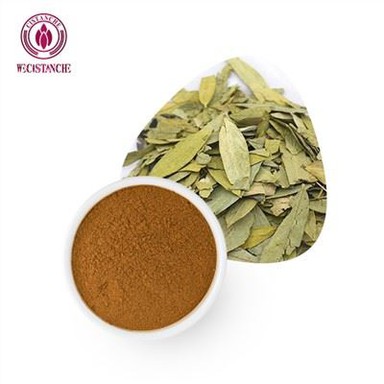
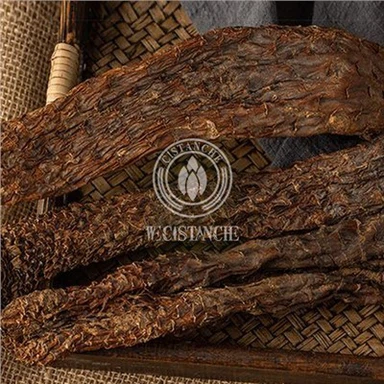
Method: 30g Cistanche tubulosa, 1 dose per day, decocted to 100mL, frequent tea substitutes, once a day.

1.4. Observation indicators
Record the 24h urine volume in the dialysis interval at the end of each month at the beginning of the treatment, the average monthly body weight before dialysis, the average arterial pressure and ultrafiltration volume before dialysis at the end of the month, the serum urea nitrogen (BUN), blood phosphorus (P), and hemoglobin (Hgb) before dialysis, Albumin (Alb), low-density lipoprotein cholesterol (LDL-C) and C-reactive protein (CRP); record withdrawal cases, adverse reactions and changes in bowel movements.
1.5. Statistical methods
Using SPSS11.5 statistical software, the measurement data is represented by the mean ± standard deviation (Jia ± s), and the t-test is used.

2. Results
2.1. Refer to Table 1 for a comparison of related indicators between groups.
It can be seen from Table 1 that the relevant indicators of the two groups were gradually improved, but the relative indicators of the blank control group were not statistically different from the previous month (P> 0.05). The Cistanche tubulosa treatment group improved significantly in the second month. In the first month, the differences in various indicators were statistically significant (P <0.05), and the relevant indicators in the third month remained stable, and there was no statistically significant difference compared with the second month (P >0.05). It shows that Cistanche can significantly promote the removal of water and solutes, increase residual urine volume, protect residual renal function, and can effectively control dry body mass, ultrafiltration volume, blood pressure, improve nutritional status, and inflammatory status, and improve dialysis adequacy and curative effect. Stable and continuous.
2.2. Other
During the observation period, there were no withdrawal cases, no adverse drug reactions such as abdominal pain, diarrhea, fever, rash, etc., and no new constipation. The original constipation was 76 cases, and constipation in the Cistanche treatment group was significantly improved in 64 cases.

3 Discussion
Chronic renal failure belongs to the categories of traditional Chinese medicine, such as closed grid, edema, hysterectomy, etc., and the treatment mostly follows the principle of "opening the ghost door, cleansing the house, and going to the scorpion" in the "Internal Classic". The pathogenesis of maintenance hemodialysis is based on the yin and yang of the spleen and kidney, and the internal content of damp and turbid toxins is the symptom. The treatment is suitable for dredging the turbidity and replenishing the spleen and kidney. It is mostly used on the basis of hemodialysis. , Single medicine and prescriptions for promoting blood circulation and removing blood stasis protect residual renal function and prevent complications. Although the representative drug rhubarb can relieve diarrhea and protect the residual kidney, long-term use can easily cause constipation and damage the righteousness"J, and it is not suitable for long-term drinking due to the limitation of decoction and taste. However, Cistanche is not only a laxative but also a laxative. Nourishing essence and blood, more suitable for dialysis patients. Cistanche is sweet and salty, warm in nature, moist and juicy, enters the kidney and large intestine meridian, can not only invigorate the kidney yang, but also invigorate the essence and blood, and moisturize dryness. Its strength is gentle and replenishing. It is not serious, nourishment, no greasiness, long-term use. Clinical observations have shown that the residual urine volume of dialysis patients in the Cistanche treatment group is significantly increased, constipation is improved, ultrafiltration volume, body weight, and average arterial pressure are more obvious than before Decrease, the metabolic indicators of urea nitrogen, phosphorus, and low-density lipoprotein are all reduced, while the nutritional indicators of albumin and hemoglobin levels are significantly increased, indicating that Cistanche can protect the residual kidney function, improve the patient’s nutritional status, reduce the inflammatory state, and improve adequate dialysis The mechanism should be closely related to the efficacy of Cistanche for nourishing essence and blood and warming Yang to facilitate water. Modern pharmacological studies have shown that the aqueous extract of Cistanche can cause ileum contraction in mice, enhance intestinal motility, and shorten the defecation time; enhance the cells and body fluids of mice Immunity, promoting metabolism and strengthening physical strength, anti-oxidation, and aging, promoting endocrine effects, in addition to liver protection, anti-myocardial ischemia, anti-atherosclerosis, antihypertensive effects, promoting urination, and reducing blood urea nitrogen content. toxic side effects.
In summary, Cistanche tubulosa is safe and effective, without adverse reactions, can effectively protect residual renal function, promote solute and water removal, and help further improve the adequacy of dialysis and improve the quality of life of hemodialysis patients.

References
[1] Ren Wei, Lan Lei. The importance of dialysis patients to protect residual renal function. Foreign Medicine: Geriatrics Section, 2007, 28(4): 185-188.
[2] Fu Haixia, An Maozhu. The importance and countermeasures of protecting residual renal function in dialysis patients [J]. China Blood Purification, 2006, 5(3): 160-162.
[3] Wang Zhigang. On the adequacy of hemodialysis [J]. China Blood Purification, 2008, 7 (6): 291-292.
[4] Che Shuqiang, Sun Lanyun, Zhang Daning. Chronic renal failure hemodialysis and hemodialysis combined with traditional Chinese medicine treatment progress [J]. Shaanxi Traditional Chinese Medicine, 2003, 24(11): 1052-1053.
[5] Chen Haozhu. Practical Internal Medicine [M]. Version 12. Beijing: People's Health Press, 2005: 2078-2113.
[6] Wang Yongyan, Yan Shiyun. Practical Chinese Medicine Internal Medicine [M]. Version 2. Shanghai: Shanghai Science and Technology Press, 2009: 382-388.
[7] Zhang Tingmo. Traditional Chinese Medicine [M]. Beijing: China Press of Traditional Chinese Medicine, 2000: 104-105.
[8] Wang Zhongzhuang, Hu Jinhong. Modern Chinese Medicine [M]. Shanghai: Second Military Medical University Press, 2006: 352-354.
[9] Shen Pi'an. Pharmacology and clinical application of traditional Chinese medicine [M]. Beijing: People's Health Publishing House, 2006: 177-179.