Clinical Practice Guidelines For Acute Kidney Injury In ChinaⅥ
Mar 27, 2024
Clinical question 9: Nutritional support treatment for AKI
【Recommendations】
1. It is recommended to provide nutritional support treatment for AKI patients through enteral nutrition (1B).
2. It is recommended that the total energy intake of AKI patients is 20~30 kcal·kg-1·d-1 (2C).
3. It is recommended that the protein intake of patients with non-high catabolism and AKI who do not require dialysis treatment is 0.8~1.0 g·kg-1·d-1; patients who require RRT and high catabolism should appropriately increase their daily protein intake (2D ).
4. It is recommended to control blood sugar <10 mmol/L to prevent renal damage related to hyperglycemia (1B).
5. It is recommended that vitamin E be supplemented before contrast agent exposure to prevent contrast agent-related AKI (1B).

Click to Cistanche for kidney disease
Enteral nutrition has a positive effect on reducing peptic tract ulcers and gastrointestinal bleeding caused by AKI stress and helps protect the intestinal mucosa of AKI patients, prevent bacterial translocation, and prevent other organ failure. A multicenter study from 30 ICUs in Australia showed that enteral nutrition is a protective factor for good prognosis in patients with AKI; an RCT study showed that enteral nutrition can improve the prognosis of critically ill continuous RRT (CRRT) patients. The results of an RCT study that included 474 critically ill patients showed that daily intravenous supplementation of 100 g of amino acids did not shorten the recovery time of renal function and reduced the need for RRT. Therefore, routine parenteral amino acid supplementation is not recommended for AKI patients.
A retrospective study including 50 patients with AKI found that the caloric intake corresponding to achieving mild negative nitrogen balance or mild positive nitrogen balance is approximately 25 kcal·kg-1·d-1. The results of another RCT showed that compared with the energy intake of 30 kcal·kg-1·d-1, higher energy intake (40 kcal·kg-1·d-1) did not bring more significant effects on AKI patients. Positive nitrogen balance, but increases the incidence of hyperglycemia, hypertriglyceridemia and fluid load. KDIGO guidelines recommend an energy intake of 20 to 30 kcal·kg-1·d-1 for patients with AKI. The carbohydrate content is 3~5 g·kg-1·d-1, and the fat content is 0.8~1.0 g·kg-1·d-1.
The 2012 KDIGO Guidelines and the 2016 Japanese AKI Clinical Practice Guidelines both recommend a protein intake of 0.8~1.0 g·kg-1·d-1 for AKI patients in a non-hypercatalytic state and non-RRT. High protein intake may lead to acidosis and azotemia and increase dialysis dose requirements. In a state of high decomposition, such as sepsis and trauma, patients' AKI is often more severe, and the protein turnover rate and nitrogen demand increase. Appropriate nutritional treatment can reduce nitrogen loss.
The regulation of blood sugar is beneficial to the occurrence and prognosis of AKI. An RCT study including 1,548 patients showed that strict blood sugar control can reduce the incidence of AKI in ICU patients, reduce the RRT treatment rate of AKI patients by 41%, and improve survival rates, which is related to hyperglycemia (>10 mmol/L). In comparison, blood glucose levels <8.3 mmol/L can improve the prognosis of AKI. While controlling blood sugar, in order to avoid the risk of hypoglycemia, the expert group recommends a moderate blood sugar lowering target (<10 mmol/L) for critically ill patients.

Previous RCT studies have shown that short-term intravenous vitamin E supplementation before contrast agent exposure can reduce the incidence of contrast agent-related AKI. Currently reported usage regimen: α-tocopherol 300 mg/d or β-tocopherol 350 mg/d, taken continuously from 5 days before surgery to 2 days after surgery; or 600 mg 12 hours before surgery, 400 mg 2 hours before surgery Vitamin E is taken orally. Therefore, the expert group recommends that vitamin E supplementation be used before contrast agent exposure to prevent the occurrence of contrast agent-related AKI.
Clinical Question 10: Volume Management in AKI
The volume status of AKI patients is complex and dynamically changing. Accurate assessment of volume status coupled with reasonable fluid management and optimizing the patient's hemodynamics play a decisive role in the recovery of renal function.
1. Capacity status assessment
Volume status assessment is detailed in Part 3 Hemodynamic Monitoring.
2. Capacity management measures
【Recommendations】
1. For patients at high risk of AKI with non-hemorrhagic shock, it is recommended to use isotonic crystalloid rehydration instead of colloid (albumin, hydroxyethyl starch) for volume expansion (1B); it is recommended that albumin can be used in patients with hepatorenal syndrome (2B).
2. Crystalloid resuscitation can be considered during initial fluid resuscitation. It is recommended to use a balanced salt solution first. Serum chloride levels need to be monitored to avoid hyperchloremia (1B); refractory shock that is volume-responsive but unresponsive to crystalloids. For patients, small amounts of colloids may be considered during early resuscitation (2B).
3. It is recommended that initial adequate fluid resuscitation and subsequent conservative fluid management (CLFM) should be combined to control the speed and dosage of fluid treatment (2B).

Studies have found that large infusions of normal saline or fluid resuscitation using enzymatic solutions can cause dilutive hyperchloremic acidosis and increase the risk of kidney damage. In the SMART (Isotonic Solutions and Major Adverse Renal Events Trial) trial, the safety of normal saline and balanced salt solutions was compared. The results showed that the balanced salt solution group had a lower incidence of serious renal adverse events. Subsequently, Self et al.'s meta-analysis results also showed that using balanced salt solution for fluid resuscitation is better than normal saline in terms of patient mortality, progression of renal injury grades, urine output, and RRT requirements.
Multiple RCT studies and systematic reviews have shown that artificial colloids have been proven to be nephrotoxic, and both hydroxyethyl starch and gelatin can increase the risk of AKI, the use of RRT, and the mortality rate of AKI patients. Although the use of artificial colloids should be avoided, the use of colloids sparingly during early resuscitation may be considered in patients with severe refractory shock who are fluid-responsive and unresponsive to crystalloids. The SAFE study and the ALBIOS study found that there was no difference in the effect of fluid resuscitation using 4%, 5% or 20% albumin compared with crystalloids, but more beneficial effects have not yet been determined, while other meta-analyses and retrospective cohorts Studies have shown that albumin is currently more recommended for patients with hepatorenal syndrome, which can reduce the incidence and mortality of AKI.
In clinical practice, for AKI and high-risk patients with AKI, more emphasis is placed on individualized fluid infusion dosage and rate. A retrospective analysis aimed to determine the impact of fluid management on outcomes in patients with septic shock and AKI, with adequate initial fluid resuscitation (AIFR) defined as administration of ≥20 ml/kg of initial fluids after initiation of vasopressor therapy. Within 6 hours, reach CVP≥8 mmHg. CLFM is defined as fluid inflow and outflow balance or negative balance body fluid measurement for at least 2 consecutive days within the first 7 days after the onset of septic shock. The study results showed that patients who underwent combined AIFR and CLFM had the lowest mortality rate.
How Does Cistanche Treat Kidney Disease?
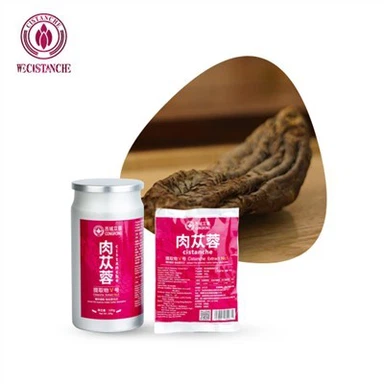
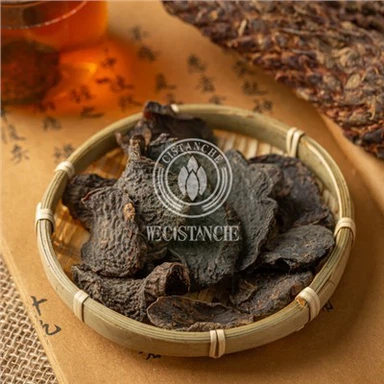
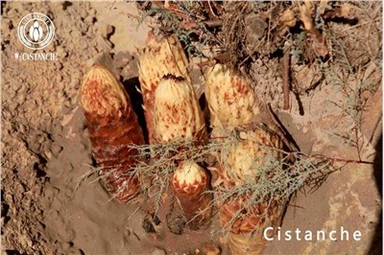
Cistanche is a traditional Chinese herbal medicine used for centuries to treat various health conditions, including kidney disease. It is derived from the dried stems of Cistanche deserticola, a plant native to the deserts of China and Mongolia. The main active components of cistanche are phenylethanoid glycosides, echinacoside, and acteoside, which have been found to have beneficial effects on kidney health.
Kidney disease, also known as renal disease, refers to a condition in which the kidneys are not functioning properly. This can result in a buildup of waste products and toxins in the body, leading to various symptoms and complications. Cistanche may help treat kidney disease ase through several mechanisms.
Firstly, cistanche has been found to have diuretic properties, meaning it can increase urine production and help eliminate waste products from the body. This can help relieve the burden on the kidneys and prevent the buildup of toxins. By promoting diuresis, cistanche may also help Reduce high blood pressure, a common complication of kidney disease.
Moreover, cistanche has been shown to have antioxidant effects. Oxidative stress, caused by an imbalance between the production of free radicals and the body's antioxidant defenses, plays a key role in the progression of kidney disease. ies help neutralize free radicals and reduce Oxidative stress, thereby protecting the kidneys from damage. The phenylethanoid glycosides found in cistanche have been particularly effective in scavenging free radicals and inhibiting lipid peroxidation.
Additionally, cistanche has been found to have anti-inflammatory effects. Inflammation is another key factor in the development and progression of kidney disease. Cistanche's anti-inflammatory properties help reduce the production of pro-inflammatory cytokines and inhibit the activation of inflammation mandatory pathways, thus alleviating inflammation in the kidneys.

Furthermore, cistanche has been shown to have immunomodulatory effects. In kidney disease, the immune system can be dysregulated, leading to excessive inflammation and tissue damage. Cistanche helps regulate the immune response by modulating the production and activity of immune cells, such as T cells and macrophages. This immune regulation helps reduce inflammation and prevent further damage to the kidneys.
Moreover, cistanche has been found to improve renal function by promoting the regeneration of renal tubes with cells. Renal tubular epithelial cells play a crucial role in the filtration and reabsorption of waste products and electrolytes. In kidney disease, these cells can be damaged, leading to damaged renal function. Cistanche's ability to promote the regeneration of these cells helps restore proper renal function and improve overall kidney health.
In addition to these direct effects on the kidneys, cistanche has been found to have beneficial effects on other organs and systems in the body. This holistic approach to health is particularly important in kidney disease, as the condition often affects multiple organs and systems. che has been shown to have protective effects on the liver, heart, and blood vessels, which are commonly affected by kidney disease. By promoting the health of these organs, cistanche helps improve overall kidney function and prevent further complications.
In conclusion, cistanche is a traditional Chinese herbal medicine used for centuries to treat kidney disease. Its active components have diuretic, antioxidant, anti-inflammatory, immunomodulatory, and regenerative effects, which help improve renal function and protect the kidneys from further damage. , cistanche has beneficial effects on other organs and systems, making it a holistic approach to treating kidney disease.