Cloning, Functional Identification And Expression Analysis Of Chalcone Synthase From Cistanche Tubulosa
Mar 25, 2024
Abstract: Objective To study the function of chalcone synthase from Guanhuaroucongrong (Cistanche tubulosa) and the expression pattern of CtCHS gene in white, red and purple flowers.
Methods The CtCHS gene was cloned by RT-PCR and bioinformatics analysis was carried out. The pET-28a-CtCHS plasmid was transferred into the Escherichia coli to induce protein expression by IPTG. The CtCHS recombinant protein was incubated with the substrates p-coumaroyl CoA and malonyl CoA, and the products were detected by HPLC and MS. The pCAMBIA1300-35S-GFP-CtCHS plasmid was transferred into the protoplast of Arabidopsis thaliana to observe the subcellular localization of the CtCHS protein. The expression pattern of CtCHS gene in the flowers of C. tubulosa with three colors was detected by qRT-PCR.
Results A CtCHS gene was cloned. The length of the open reading frame (ORF) was 1173 bp, encoding 390 amino acids, and the molecular weight of the protein was 42 8000.CtCHS contained the catalytic residues Cys164, His303, Asn336, which were conserved in chalcone synthase. The CtCHS protein was expressed in E. coli and purified to obtain the recombinant protein. CtCHS protein could catalyze p-coumaroyl CoA and malonyl CoA to produce naringenin chalcone. CtCHS protein was mainly localized in the cytoplasm. CtCHS gene was highly expressed in purple and red flowers, and the relative expression levels were 8.44 and 3.21 times higher than that in w hite flowers, respectively.
Conclusion A CtCHS gene was cloned from the flower of C. tubulosa and protein was expressed. CtCHS protein has chalcone synthase function, and the expression of CtCHS gene is higher in darker flowers, indicating that CtCHS gene may regulate the flower color of C. tubulosa, which lays a foundation for further research on the regulation mechanism of the flower color of C. tubulosa.
Keywords: Cistanche tubulosa (Schenk) Wight; chalcone synthase; enzyme activity analysis; subcellular localization; expression analysis

CLICK HERE TO GET NATURAL ORGANIC CISTANCHE EXTRACT WITH 30% ECHINACOSIDE AND 12% ACTEOSIDE

Supportive Service Of Wecistanche-The largest cistanche exporter in the China:
Email:wallence.suen@wecistanche.com
Whatsapp/Tel:+86 15292862950
Shop For More Specifications Details:
https://www.xjcistanche.com/cistanche-shop
The biosynthetic pathway of flavonoids begins with the phenylpropanoid pathway. Phenylalanine is first converted into cinnamic acid under the action of phenylalanine ammonialyase (PAL), and cinnamic acid is 4-hydroxylated by cinnamic acid. The enzyme (cinnamic acid-4-hydroxylase, C4H) and 4-coumaratecoenzyme A ligase (4-coumaratecoenzyme A ligase, 4CL) catalyze the reaction to generate 4-coumaroyl-CoA [11]. One molecule of 4-coumaroyl-CoA and three molecules of malonyl-CoA are catalyzed by chalcone synthase (CHS) to generate naringenin chalcone, which has flavonoid compounds The basic skeleton of chalcone isomerase, flavanone-3-hydroxylase, dihydroflavonol 4-reductase, etc. generates a variety of flavonoids such as isoflavones, flavonols, anthocyanins, etc. [12]. As a key enzyme in the flavonoid biosynthetic pathway, CHS regulates the content of flavonoids in plants and also plays an important role in regulating plant flower color [13]. For example, post-transcriptional gene silencing of Gentiana scabra Bunge CHS can inhibit the biosynthesis of anthocyanins and cause specific whitening of corolla lobes [14]. CHS gene silencing of Actinidia erianthaBenth. CHS reduces the anthocyanin content in petals and makes the petals red. The petals become lighter in color[15]. Therefore, in this study, a CtCHS gene was cloned from Cistanche tubulosa flowers, and bioinformatics analysis, prokaryotic expression and purification, enzyme activity analysis, subcellular localization analysis and expression analysis in three colors of flowers were performed on it to explore The function of CtCHS protein and the expression pattern of CtCHS gene were used to preliminarily explore the relationship between CtCHS and Cistanche tubulosa flower color, which laid the foundation for the study of the regulatory mechanism of Cistanche tubulosa flower color.

1 Materials and instruments
1.1 Materials
Cistanche tubulosa flowers were collected from Yutian County, Hotan Prefecture, Xinjiang in May 2018. The random principle was followed during sampling, and Cistanche tubulosa flowers with good physiological status and consistent plant height were selected. Three strains of Cistanche tubulosa with three flower colors of white, red and purple were taken and identified as Cistanche tubulosa (Schenk) Wight by Professor Tu Pengfei of Peking University School of Pharmacy. They were quickly frozen in liquid nitrogen and then transported to Beijing in dry ice storage. E. coli DH5α chemically competent cells were purchased from Nanjing Novezan Biotechnology Co., Ltd., and E. coli BL21 (DE3) chemically competent cells were purchased from Beijing Quanshijin Biotechnology Co., Ltd.; pET-28a, pCAMBIA1300-35S-GFP The vector was purchased from Wuhan Transduction Biology Laboratory Co., Ltd. Malonyl-CoA was purchased from Sigma Company, 4-coumaroyl-CoA, naringenin-chalcone were purchased from Shanghai Yuanye Biotechnology Co., Ltd., and naringenin was purchased from Shanghai McLean Biochemical Technology Co., Ltd.
1.2 Instruments
Nanodrop 2000C spectrophotometer (Thermo Fisher Company, USA); gradient PCR instrument (Eppendorf Company, Germany); CFX 96 fluorescence quantitative PCR instrument, UVP gel imager, gel electrophoresis instrument, protein electrophoresis instrument (BioRad Company, USA) ;EnSpire
Microplate reader (PerkinElmer Company, USA); constant temperature incubator (Shanghai Jinghong Experimental Equipment Co., Ltd.); DHZ-D large-capacity full-temperature oscillator (Taicang Experimental Equipment Factory); THZ-82A water bath constant temperature oscillator ( Jiangsu Kexi Instrument Co., Ltd.); AIRTECH ultra-clean workbench (Suzhou Antai Air Technology Co., Ltd.); high-pressure steam sterilizer (TOMY Company, Japan); Milli Q pure water instrument (Millipore, United States); LC-20A high-efficiency liquid Phase chromatograph (Shimadzu Company, Japan); UPLC-Q-Exactive-Orbitrap high-resolution mass spectrometry (Thermo Fisher Company, USA); FV1200 laser confocal microscope (Olympus Company, Japan).
2 Experimental methods
2.1 RNA extraction and cDNA synthesis.
Cistanche tubulosa flowers were ground in liquid nitrogen and then subjected to RNA extraction assay.
Total RNA was extracted using a kit (Norgen, Cat 17200), the RNA concentration and quality were detected by NanoDrop 2000C, and RNA samples with an A260/A280 ratio between 1.8 and 2.1 were selected for reverse transcription to synthesize cDNA. M-MLV reverse transcriptase (Promega, M170B) was used to reverse-transcribe the qualified total RNA into cDNA. The experimental operations were performed according to the instructions.
2.2 Cloning of CtCHS gene
Based on the Cistanche tubulosa flower transcriptome data of our research group [16], a CtCHS with a complete open reading frame was screened out, and SnapGene software was used to design specific primers based on the gene sequence (Table 1). PCR amplification was performed using Cistanche tubulosa flower cDNA as a template. The amplification system was 2×Phanta Max Buffer 25 μL, dNTPMix (10 mmol/L) 1 μL, upstream and downstream primers (10 μmol/L) 2 μL each, cDNA 2 μL, Phanta Max Super- Fidelity DNA Polymerase 1 μL, ddH2O 17 μL. The reaction conditions were: pre-denaturation at 95°C for 3 min; 25 cycles of denaturation at 95°C for 15 s, annealing at 55°C for 15 s, and extension at 72°C for 1 min; reaction extension at 72°C for 5 min. The PCR product was detected by 1% agarose gel electrophoresis, and the DNA purification kit (Novizan, Cat DC301-01) was used for gel recovery, and then the recovered DNA was purified by a rapid cloning kit (Novizan, Cat C601-01). The DNA fragment was ligated with the pCE2TA/Blunt-Zero vector, transformed into Escherichia coli DH5α competent cells, and after culturing overnight at 37°C, single clone strains were selected and sent to the company for sequencing.
Table 1 Primer sequences

2.3 Bioinformatics analysis
Use ProtParam online software to analyze protein physical and chemical properties; use Prot Scale online tool to analyze protein hydrophilicity/hydrophobicity; use online tool SOPMA to predict protein secondary structure; use online analysis software SWISS-MODEL to predict protein tertiary structure; use online software TMHMM Predict the transmembrane structure of the protein; use DNAMAN software to compare the homology of CtCHS with the CHS amino acid sequences of other species; use MEGA-X software to construct a phylogenetic tree, using neighbor-joining (NJ) and Poisson correction The evolutionary distance is calculated using the Bootstrap method, and the number of Bootstrap repetitions is 1000 times.
2.4 CtCHS prokaryotic expression and purification
Design primers with restriction sites BamHⅠ and XhoⅠ based on the CtCHS sequence, and PCR amplify the corresponding target fragments. The pET-28a vector and the target fragment were digested using endonucleases BamHI and The cloned strain is sequenced, and the plasmid is extracted after correct sequencing. The pET-28a-CtCHS plasmid verified by sequencing was transferred into Escherichia coli BL21 (DE3) competent cells. Refer to the method of Ding Ning et al. [17] with isopropyl
β-D-thiogalactopyranoside (IPTG) was used to induce protein expression at low temperature and was purified through Ni2+ affinity chromatography column (Cytiva, Cat 17531901). The protein was concentrated by centrifugation in an ultrafiltration tube (Millipore, 30 000) and desalted. Store in 20 mmol/L KPB buffer (pH 8.0, containing 1 mmol/LEDTA) and store in a −80°C refrigerator for long-term storage.
2.5 CtCHS enzyme activity analysis
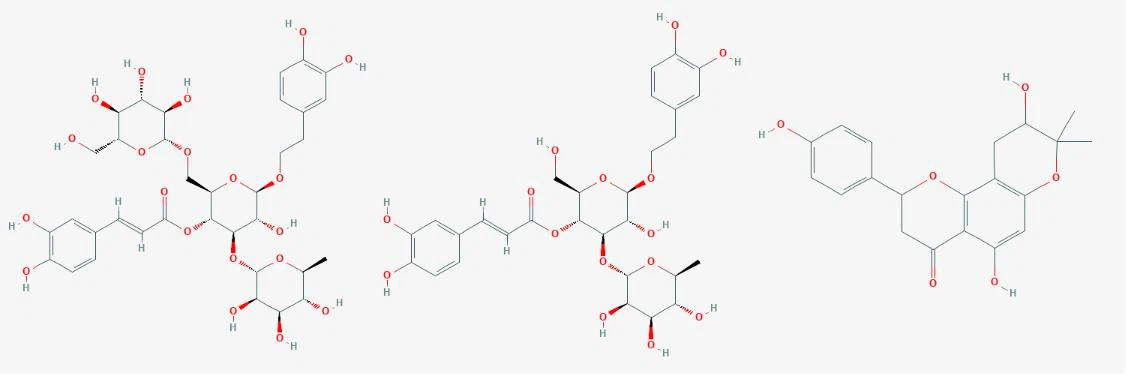
CtCHS enzyme reaction system: 100 mmol/L KPB (pH 7.5) 468 μL, 1 mmol/L malonyl-CoA 10 μL, 5 mmol/L 4-coumaroyl-CoA 2 μL, CtCHS recombinant protein 20 μL, in After reacting in a water bath at 37°C for 12 hours, the mixture was extracted three times with 800 μL of ethyl acetate, dried by nitrogen flow, and then dissolved in 100 μL of methanol. Use high performance liquid chromatography to detect the product. The conditions are Ultimate LP-C18 column (250 mm × 4.6 mm, 5 μm), column temperature 30°C, sample volume 10 μL, and water (A) and acetonitrile (B) as the flow. Phase, elution gradient: 0~10
min, 30% B; 10~20 min, 30%~60% B; 20~25 min, 60%~70% B; 25~30 min, 70%~80% B; 30~35 min, 80%~100 % B; 35~40 min, 100% B; 40~46 min, 100%~30% B. The volumetric flow rate is 1 mL/min and detection is at a wavelength of 290 nm.
UPLC-Q-Exactive-Orbitrap MS was used for further detection. The liquid phase conditions were Waters Acquity UPLC BEH SheildRP18 column (100 mm × 3.0 mm, 1.7 μm), column temperature 40°C, naringenin-chalcone and naringenin controls. The loading volume of the product is 4 μL, and the loading volume of the enzyme reaction product is 7 μL. Water (A)-acetonitrile (B) is used as the mobile phase. The elution gradient is: 0 to 5 min, 30% B; 5 to 15 min, 30 %~60% B; 15~20 min, 60%~100% B; 20~25 min, 100% B; 25~31 min, 100%~30% B. The volumetric flow rate is 0.3 mL/min. The mass spectrometry conditions are electrospray ion source, nitrogen as carrier gas, sheath gas pressure 3.5 MPa, auxiliary gas pressure 1.0 MPa, spray pressure 3500 V, capillary temperature 350°C, auxiliary gas heating temperature 200°C, positive and negative ion modes, scanning ion range m/z is 100~1500, Full MS resolution is 35 000, dd-MS2 resolution is 17 500, (N)
CE/stepped nce set to 35, 60.
2.3 Bioinformatics analysis
Use ProtParam online software to analyze protein physical and chemical properties; use Prot Scale online tool to analyze protein hydrophilicity/hydrophobicity; use online tool SOPMA to predict protein secondary structure; use online analysis software SWISS-MODEL to predict protein tertiary structure; use online software TMHMM Predict the transmembrane structure of the protein; use DNAMAN software to compare the homology of CtCHS with the CHS amino acid sequences of other species; use MEGA-X software to construct a phylogenetic tree, using neighbor-joining (NJ) and Poisson correction The evolutionary distance is calculated using the Bootstrap method, and the number of Bootstrap repetitions is 1000 times.
2.4 CtCHS prokaryotic expression and purification
Design primers with restriction sites BamHⅠ and XhoⅠ based on the CtCHS sequence, and PCR amplify the corresponding target fragments. The pET-28a vector and the target fragment were digested using endonucleases BamHI and The cloned strain is sequenced, and the plasmid is extracted after correct sequencing. The pET-28a-CtCHS plasmid verified by sequencing was transferred into Escherichia coli BL21 (DE3) competent cells. Refer to the method of Ding Ning et al. [17] with isopropyl
β-D-thiogalactopyranoside (IPTG) was used to induce protein expression at low temperature and was purified through Ni2+ affinity chromatography column (Cytiva, Cat 17531901). The protein was concentrated by centrifugation in an ultrafiltration tube (Millipore, 30 000) and desalted. Store in 20 mmol/L KPB buffer (pH 8.0, containing 1 mmol/LEDTA) and store in a −80°C refrigerator for long-term storage.
2.5 CtCHS enzyme activity analysis
CtCHS enzyme reaction system: 100 mmol/L KPB (pH 7.5) 468 μL, 1 mmol/L malonyl-CoA 10 μL, 5 mmol/L 4-coumaroyl-CoA 2 μL, CtCHS recombinant protein 20 μL, in After reacting in a water bath at 37°C for 12 hours, the mixture was extracted three times with 800 μL of ethyl acetate, dried by nitrogen flow, and then dissolved in 100 μL of methanol. Use high performance liquid chromatography to detect the product. The conditions are Ultimate LP-C18 column (250 mm × 4.6 mm, 5 μm), column temperature 30°C, sample volume 10 μL, and water (A) and acetonitrile (B) as the flow. Phase, elution gradient: 0~10
min, 30% B; 10~20 min, 30%~60% B; 20~25 min, 60%~70% B; 25~30 min, 70%~80% B; 30~35 min, 80%~100 % B; 35~40 min, 100% B; 40~46 min, 100%~30% B. The volumetric flow rate is 1 mL/min and detection is at a wavelength of 290 nm.
UPLC-Q-Exactive-Orbitrap MS was used for further detection. The liquid phase conditions were Waters Acquity UPLC BEH SheildRP18 column (100 mm × 3.0 mm, 1.7 μm), column temperature 40°C, naringenin-chalcone and naringenin controls. The loading volume of the product is 4 μL, and the loading volume of the enzyme reaction product is 7 μL. Water (A)-acetonitrile (B) is used as the mobile phase. The elution gradient is: 0 to 5 min, 30% B; 5 to 15 min, 30 %~60% B; 15~20 min, 60%~100% B; 20~25 min, 100% B; 25~31 min, 100%~30% B. The volumetric flow rate is 0.3 mL/min. The mass spectrometry conditions are electrospray ion source, nitrogen as carrier gas, sheath gas pressure 3.5 MPa, auxiliary gas pressure 1.0 MPa, spray pressure 3500 V, capillary temperature 350°C, auxiliary gas heating temperature 200°C, positive and negative ion modes, scanning ion range m/z is 100~1500, Full MS resolution is 35 000, dd-MS2 resolution is 17 500, (N)
CE/stepped nce set to 35, 60.
2.6 Subcellular localization of CtCHS protein
Based on the CtCHS sequence and the principle of seamless cloning, primers with enzyme cutting sites Kpn Ⅰ and BamH Ⅰ were designed, and the corresponding target fragments were amplified by PCR. The pCAMBIA1300-35S-GFP plasmid was digested with restriction endonucleases Kpn Ⅰ and BamH Ⅰ, and the target fragment and vector were connected through the seamless cloning kit (Novizan, Cat C115-01), and then transferred into E. coli DH5α competent cells. , select single clone strains for sequencing, and extract plasmids from the correct strains. The pCAMBIA1300-35S-GFP-CtCHS and pCAMBIA 1300-35S-GFP plasmids were transformed into Arabidopsis thaliana protoplasts using PEG4000, and cultured under low light for 8 to 10 h. The subcellular localization of CtCHS protein was observed under a laser confocal microscope.

2.7 CtCHS expression pattern analysis
Real-time fluorescent quantitative primers were designed using DNAMAN based on the CtCHS sequence, with F-box as the internal reference gene. The primer sequences are shown in Table 1. The relative expression of CtCHS in Cistanche tubulosa flowers of different colors was detected by real-time fluorescent quantitative PCR. Use TransStart Green qPCR SuperMix (full gold, AQ101-02) to measure with SYBRGreen fluorescent dye method. Reaction system: 2×TransStartGreen qPCR SuperMix 5 μL, upstream and downstream primers (10 μmol/L) 0.2 μL each, cDNA template 0.5 μL, 4.1 μL of nucleotidase-free water was used for the reaction using a two-step method. The reaction procedure was based on the method of Dong Xianjuan et al. [18]. Each sample contained 3 biological replicates, and the experiment was repeated three times. The experimental data were analyzed using Excel, the relative expression of CtCHS was calculated using the 2−ΔΔCt method, and GraphPadPrism 8 was used to perform significance analysis and draw histograms.