Comparison Of Single And Repeated Dosing Of Anti-Infammatory Human Umbilical Cord Mesenchymal Stromal Cells in A Mouse Model Of Polymicrobial Sepsis
Jul 07, 2023
Summary
Mesenchymal stromal cells (MSCs) ameliorate pre-clinical sepsis and sepsis-associated acute kidney injury (SAAKI) but clinical trials of single-dose MSCs have not indicated robust efficacy. This study investigated the immunomodulatory effects of a novel MSC product (CD362-selected human umbilical cord-derived MSCs [hUC-MSCs]) in mouse endotoxemia and polymicrobial sepsis models. Initially, mice received intra-peritoneal (i.p.) lipopolysaccharide (LPS) followed by single i.p. doses of hUC-MSCs or vehicle. Next, mice underwent cecal ligation and puncture (CLP) followed by intravenous (i.v.) doses of hUC-MSCs at 4 h or 4 and 28 h. Analyses included serum/plasma assays of biochemical indices, inflammatory mediators, and the AKI biomarker NGAL; multi-color flow cytometry of peritoneal macrophages (LPS) and intra-renal immune cell subpopulations (CLP) and histology/immunohistochemistry of kidney (CLP). At 72 h post-LPS injections, hUC-MSCs reduced serum inflammatory mediators and peritoneal macrophage M1/M2 ratio. Repeated, but not single, hUC-MSC doses administered at 48 h post-CLP resulted in lower serum concentrations of inflammatory mediators, lower plasma NGAL and reversal of sepsis-associated depletion of intra-renal T cell and myeloid cell subpopulations. Hierarchical clustering analysis of all 48-h serum/plasma analytes demonstrated partial co-clustering of repeated-dose hUC-MSC CLP animals with a Sham group but did not reveal a distinct signature of response to therapy. It was concluded that repeated doses of CD362-selected hUC-MSCs are required to modulate systemic and local immune/inflammatory events in polymicrobial sepsis and SA-AKI. Inter-individual variability and lack of effect of single-dose MSC administration in the CLP model are consistent with observations to date from early-phase clinical trials.
Keywords
Acute kidney injury · Mesenchymal stromal cell · Regenerative medicine · Sepsis · Inflammation · Cell therapy
Click here to buy the Cistanche supplement
Introduction
Sepsis is characterized by life-threatening organ dysfunction due to a dysregulated host response to the infection caused by bacterial, fungal, viral, and parasitic pathogens [1]. Each year, sepsis affects nearly 50 million people worldwide, frequently leading to severe systemic consequences and organ injuries, including acute kidney injury (AKI), resulting in approximately 11 million deaths [2, 3]. Mesenchymal stromal cells (MSC) are multipotent cells with extensive immune-modulatory properties that can be isolated from various tissues [4]. It is now well-recognized that MSC offers a potential disease-modulating therapy for sepsis and sepsis-associated AKI (SA-AKI) [5, 6]. Several recent studies using mouse and rat cecal ligation and puncture (CLP), lipopolysaccharide (LPS), or fecal peritonitis models have shown that systemic administration of MSC has the potential to reduce inflammation, counteract bacterial infection, and improve the repair of injured tissue in sepsis [7–11], including SA-AKI, [10, 12–15] by modulating the balance between pro-inflammatory and anti-inflammatory states.
A recent trial in healthy adults confirmed that preventative intravenous (i.v.) treatment with 4 × 10⁶ MSC/kg produces early immunomodulatory effects on the host response to LPS [16]. Furthermore, administration of allogeneic MSC to patients with septic shock (NCT01849237, NCT02421484, and NCT02328612) and sepsis-related acute respiratory distress syndrome (NCT01775774) demonstrated good safety and tolerability in Phase 1 clinical trials [16–19]. Despite these encouraging results, Galstyan et al. also reported that a single dose of i.v. MSC did not prevent death from sepsis-related organ dysfunction, raising the possibility that additional doses may be necessary to derive meaningful clinical benefit [17]. A recent non-sepsis, phase 2 trial (NCT01602328) in which single doses of allogeneic MSC were delivered intra-vortically to patients with sterile AKI following cardiopulmonary by-pass surgery also failed to demonstrate a beneficial effect on organ dysfunction and patient survival despite promising pre-clinical and phase 1 trial results [20]. Whether repeated dosing during the early course of sepsis and other acute inflammatory syndromes could augment or extend the disease-modulating effects of MSC remains relatively under-investigated at pre-clinical and translational levels. Furthermore, incomplete knowledge of the mechanism of action, dose response, and optimal clinical indices for MSC administration in sepsis limits the potential for designing successful trials [5, 21, 22].
In the current study, we performed a pre-clinical investigation of the anti-inflammatory effects of CD362-selected human umbilical cord-derived MSC (hUC-MSC) in mouse models of sepsis. This surface marker-selected hUC-MSC is a novel therapeutic product that has demonstrated evidence of efficacy in rat models of bacterial pneumonia and sepsis when administered early after disease onset [23, 24]. As a clinical-grade investigational medicinal product (IMP), hUC-MSC is currently undergoing phase I/II trial in patients with moderate to severe acute respiratory distress syndrome (ARDS) due to COVID-19 (NCT03042143) and in multiple autoimmune inflammatory diseases (POLARISE). We aimed to demonstrate the anti-inflammatory potential of single doses of hUC-MSC in mouse models of LPS- and CLPinduced endotoxemia/polymicrobial sepsis [25, 26] and, in the latter, to determine whether a second administration of hUC-MSC during the early disease course resulted in greater or more frequent beneficial effects on systemic inflammation and organ-specific injury, exemplified by SA-AKI.
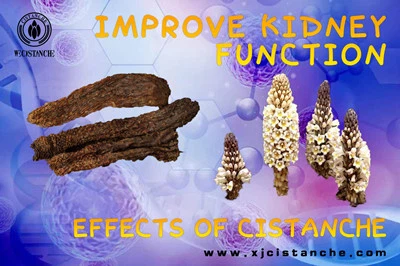
Cistanche tubulosa
Materials & Methods
1. Cells
Anti-CD362+-selected hUC-MSC were cultured from ethically-sourced human umbilical cord tissue obtained from Tissue Solutions Ltd. (Glasgow, U.K). Primary isolation and expansion cultures of CD362+ hUC-MSC were carried out as previously described [19, 23, 27]. Cryopreserved vials (1× 10⁷ in 1 mL) of anti-CD362+-selected hUC-MSC were thawed and transferred into 9 mL of phosphate-buffered saline (PBS). After live/dead analysis either via trypan blue dye or automated cell counter (NucleoCounter® NC-200™, Chemometec A/S, Denmark), the required numbers of cells were pelleted via centrifugation at 400×g for 5 min and the cells were re-suspended in 100 μl of sterile saline for intraperitoneal (i.p.) or i.v. injection.
2. Animal Procedures
All animal procedures were carried out under a license (no. 255/17) from the Animal Experimentation Ethical Committee, University of Barcelona, and under authorization (AE19125/P082 and AE19125/P066) from the Health Products Regulatory Authority, Ireland, and approved by the NUI Galway Animal Care Research Ethics Committee. All procedures were performed in licensed animal facilities at NUI Galway and the University of Barcelona.
For the LPS model of endotoxemia, 10-12 week-old male C57BL/6 mice from Charles River Ltd., Kent, UK were used. Mice were injected i.p. with 5 μg/g LPS (LPS 0111:B4, catalog no. L2630, Sigma Aldrich, UK) in 100 μl of sterile saline. The mice were housed in groups of 3-5 mice/cage during the study in individually ventilated cages. Single i.p. injections of 2.5× 10⁵ hUC-MSC or equal volumes of vehicle (sterile saline) were administered 4 h after LPS injections. The animals were monitored every 4 h until the end of the study using a distress score sheet and support measures according to a pre-determined protocol. Humane euthanasia was performed at the defined experimental end-point or earlier if animals exceeded the pre-defined severity score threshold. At the time of euthanasia, peritoneal exudates were collected for flow cytometry analysis by carefully fishing 5 mL of sterile PBS into and out of the peritoneal cavity.
Cecal ligation and puncture (CLP) was performed on 8-12 week-old, male C57BL/6 mice (Charles River Ltd., UK). The mice received buprenorphine 0.1 mg/kg (Richter Pharma AG, Austria) subcutaneously 25-30 min before the procedure and were anesthetized with 1.8-2% isoflurane (with O2 flow of 0.5 L/min) at NUI Galway or with Anesketin (100 mg/mL; Dechra Veterinary Products SLU, Spain) and Rampun (20 mg/mL; Bayer, Germany) at University of Barcelona. The lower half of the abdomen was shaved and cleaned with 4% chlorhexidine or povidone-Iodine and incised 1 cm vertically along the midline. The cecum was externalized and the distal 50% was ligated using 4.0- 6.0 M sutures. Cecal material was released by ‘through and through’ puncture with a 21-gauge needle and a drop of fecal matter was exuded before reinstating the cecum into the peritoneal cavity and suturing the muscle and skin closed. Sham-operated mice underwent an identical procedure, including opening the peritoneum and exposing the bowel, but without ligation and perforation of the cecum. Mice received 0.5 mL of Gelofusine (Braun Melsungen AG, Germany) by i.p. instillation before wound closure. Postoperative support consisted of buprenorphine diluted given subcutaneously (s.c.) every 8-12 h until the pre-determined end-points (48 or 72 h for individual experiments). Administration of 1× 10⁶ hUC-MSC or equivalent volumes of vehicle (sterile saline) was carried out i.v. via the tail vein at 4 h or 4 and 28 h following CLP. Frequent monitoring and support were carried out according to an ethically-approved protocol. Humane euthanasia was performed at the defined experimental end-point or earlier if animals exceeded a predefined severity score threshold.
The cell doses for the two animal models employed for the study were selected based on prior reports of human MSC anti-inflammatory effects in similar models [9, 13, 14, 28, 29]. The group sizes for the LPS study were selected empirically based on relevant prior reports for this model [30, 31]. The group sizes for the CLP study were determined for a primary outcome of plasma NGAL at 24 h post-surgery. Using data from a pilot experiment, a sample size of 9 animals per group was calculated to provide 90% power assuming a 5% significance level and a two-sided test (http://www.3rs-reduction.co.uk/html/6__power_and_sample_size.html). An expected attrition rate of 10% was applied to select the final group size of n=10.
Cistanche extract
3. Blood Sampling and Tissue Procurement
Venous blood samples to a maximum volume of 20 μL were drawn intermittently from tail and facial veins by an aseptic technique using 25-21 gauge needles and were collected into heparin (VWR International, Dublin, Ireland)-containing tubes. A terminal blood sample was drawn by cardiac puncture at the time of euthanasia. Serum was collected in micro-tubes with serum gel and clotting activator (Sarstedt, Wexford, Ireland). Plasma and serum samples were prepared by centrifugation at 10,000×g for 10 min. Serum samples were stored at −80 °C and subsequently analyzed for biochemical parameters by NationWide Laboratories (Lancashire, UK). The spleen, lungs, kidneys, and liver were dissected immediately after euthanasia.
4. Immunoassays
Plasma neutrophil gelatinase-associated lipocalin (NGAL) concentration was quantified with the mouse Lipocalin-2/NGAL Duo-Set ELISA Development kit (R&D Systems, Minneapolis, MI, USA) according to the manufacturer’s suggested protocol (details in Supplementary Methods). For multiplex quantification of cytokines and chemokines in serum, the Bio-Plex Pro mouse cytokine standard 23-plex assay (Bio-Rad, Accuscience) was used according to the manufacturer’s instructions. Samples were analyzed on a Bioplex 200 multiplex ELISA system (BioRad, Accuscience).
5. Semi-Quantitative Scoring of Kidney Tissue Sections
Stained sections of the kidney were analyzed in a blinded fashion by light microscopy at 40X magnification using an Olympus BX43 bright-field microscope (Olympus, Center Valley, PA) and with IS TCapture software (Tucsen Photonics Co., Fujian, China). For each kidney, twenty non-overlapping fields of a stained section were captured, and the positively stained area was scored by a blinded observer for (A) tubular dilatation, cast, and necrosis (PAS) and (B) NGAL expression [32] Scoring was carried out on a 0-4 semi-quantitative scoring scale (details in Supplementary Methods). Mean scores were calculated for each kidney, and final results were expressed as group means ± SD.
Cistanche powder
Discussion
Sepsis and its frequent complication SA-AKI are major public health challenges due to the continued lack of effective treatments and disappointing results from late-stage clinical trials [2, 3]. Several recent pre-clinical studies have reported results indicating that MSC of various sources and their products have positive effects on disease severity and survival in models of sepsis and AKI [7, 8, 11–15]. Nonetheless, the clinical benefits of MSC in sepsis and SA-AKI remain unproven with only limited data available from human patients [5]. To date, clinical trials have documented that single-dose i.v. MSC infusion in the setting of LPS administration, sepsis, and ARDS is safe and feasible, [16–19] but does not overtly reduce death from sepsis-related organ failure [17]. In this study, we compared the effects of single- and double-dose i.v. administration of a distinctive human MSC therapeutic product (CD362- selected hUC-MSC) in the mouse CLP model of polymicrobial sepsis. Initially, in keeping with recently-reported results for this same MSC product in rat models of bacterial pneumonia and sepsis [23, 24], we confirmed the potential for early administration of hUC-MSC to modulate LPS-induced systemic inflammation in mice. In a mouse CLP model of polymicrobial sepsis, however, our results indicated that single doses of hUC-MSC administered i.v. 4 h following induction of fecal peritonitis exerted no clear beneficial effect on systemic inflammation or organ-specific (renal) tissue injury. In contrast, administration of a second i.v. dose of hUC-MSC 24 h later resulted in multiple signals of ameliorated inflammation and renal injury by 48 h following the onset of sepsis. Despite this, a survival benefit for the double-dose regimen was not demonstrated. Our results highlight the importance of performing in vivo studies of MSC therapeutic products in multiple models and reporting both positive and negative pre-clinical outcomes to better inform clinical translation and trial design. Taken together, our results also provide evidence that the limited or absent benefit of early, single-dose regimens of anti-inflammatory MSC products in sepsis trials may be at least partially overcome by repeated dosing.
In the mouse LPS model, a single, early dose of hUCMSC modulated systemic levels of both innate and adaptive inflammatory mediators for at least 72 h, albeit without an overt effect on severity scores and survival. Phenotypic analysis of peritoneal macrophages provided evidence that hUC-MSC administration was associated with a predicted local immune modulatory effect – skewing of macrophages toward M2 polarization, which has been linked to the resolution of inflammatory injury and promotion of tissue repair [29, 35] and is likely to be mediated by MSC cross-talk with resident myeloid cells [36]. Indeed, recent studies have reported that therapeutic immunomodulation by MSC in the setting of sepsis may be dependent on their phagocytosis by myeloid cells (mononuclear phagocytes) which then undergo alternative activation resulting in the production of IL-10 and other paracrine anti-inflammatory mediators [7, 27, 37]. Although it would have been of interest to determine whether the benefits of such immunomodulation are enhanced by repeated doses of hUC-MSCs following LPS administration, we reasoned that an experimental model which better reflected evolving sepsis would have more clinical relevance. Thus, having confirmed hUC-MSC biological activity in mice using LPS administration, the mouse CLP model was used for the characterization of anti-inflammatory effects related to repeated dosing and quantification of kidney-specific effects of hUC-MSC in the setting of polymicrobial sepsis and SA-AKI. In our hands, this model was associated with moderately severe sepsis (approximately 70%, 50%, and 40% survival at 48, 96, and 168 h respectively in untreated animals) without overt liver and kidney failure. Our observations for the model, including mortality rates and trends in serum liver parameters and albumin, are in keeping with the very comprehensive profiling of mouse CLP reported by Li et al. [38], which also documents reduced body temperature, blood pressure, and heart rate during the first 48 h post-CLP. Interestingly, while Li et al. documented increased serum creatinine and blood urea nitrogen at 8 and 16 h post-CLP, their results indicate that these renal functional biomarkers had fallen to normal (or below normal) levels by 48 h – perhaps reflecting evolving effects of altered metabolism/muscle mass on these biomarkers as the model progresses [38]. Consistent with this, analysis of serum/plasma and kidney tissue at 48 h indicated significant systemic inflammation and renal injury response without overt evidence of ischemic damage/necrosis. These latter analyses provided the clearest evidence for a modulatory effect of the double-dose hUCMSC regimen on the severity of polymicrobial sepsis when compared to single-dose administration which, in contrast to results recently reported in a rat CLP model [24], was indistinguishable from the saline-treated CLP group across all indices examined. In particular, the clinically-relevant AKI biomarker, NGAL, proved to be a valuable discriminator of sepsis severity and treatment effect in this model and may be an important biomarker for future clinical trials of cell therapies in sepsis and SA-AKI [33, 39].
Our results for the effect of i.v. MSC on survival in small animal models of sepsis is in contrast to some other reports [28, 40] but, notably, is in keeping with observed effects of allogeneic MSCs in human clinical trials [5, 16–18, 41]. In this regard, we would highlight the potential role of publication bias – specifically, selective publication of results reflecting positive effects – as an important driver of unrealistic expectations for the efficacy of single-dose MSC regimens and other advanced therapies in the earliest stages of clinical translation [42]. Indeed, Sun et al., in a recent meta-analysis of 29 animal studies of the efficacy of MSC therapies in sepsis, detected significant publication bias and lack of clarity regarding optimal cell dose among these pre-clinical reports [43]. Nevertheless, we also report distinctive positive findings that may help to advance translational goals for UC-MSCs in sepsis or other systemic and organ-specific inflammatory diseases, such as AKI, liver, or respiratory diseases. In both models, these molecular changes indicate complex interactions of hUC-MSC with the Th1 and Th2 immune response. Such effects on T-effector cell activation and T helper phenotype balance may play a key role in modulation of the acute phase of sepsis as indiscriminate, dysregulated activation of immune effectors resulting in high levels of circulating cytokines contribute to multi-organ failure [44] and, in the case of T-cells, may be followed by widespread apoptosis and subsequent immune deficiencies [45]. It has also been shown that MSC administration may decrease localized tissue inflammation by regulating cytokine homeostasis and decreasing the traffic of immune cells into organs [44]. In keeping with this, our quantitative analysis of a range of intra-renal immune cell populations 48 h following CLP-indued sepsis revealed sepsis-induced deficiencies affecting both innate and adaptive effectors, including loss of double-negative T cells which have been recently reported to be early responders to AKI [46]. Notably, for double- but not single-dose hUC-MSCtreated animals, there was evidence of reversion of intrarenal immune cell depletion. As similar trends were also observed in the lungs and spleen, our results indicate the potential for repeated i.v. dosing of MSC to broadly ameliorate immune cell depletion from non-lymphoid and lymphoid organs – a facet of sepsis that has been linked to subsequent mortality due to secondary infection [47, 48]. Based on the additional observation of increased cell death among intrarenal CD45+ cells in untreated CLP animals, it is plausible that this reflects the direct or indirect effects of hUC-MSC to reduce mitochondrial dysfunction and pro-apoptotic signaling [49–51]. Nonetheless, more focused experiments will be required to fully elucidate the mechanisms by which systemic MSC administration preserves myeloid and/or lymphoid cell numbers in sepsis and to determine whether they can be exploited therapeutically.

Cistanche capsules
Given the inherent variability, we and others observe with individual outcomes for the mouse CLP model, we hypothesized that hierarchical clustering analysis of quantitative readouts for a range of circulating inflammation-related mediators at 48 h would help to better define a distinctive “responder signature” among MSC-treated animals. Although 60% of the double-dose group clustered in a pattern that separated them from the majority of the single dose- and untreated groups and was closer to the sham group, no very clear multi-analyte profile of disease modulation could be identified. A principal component analysis (PCA) approach yielded a similar conclusion (data not shown). It should be acknowledged that data from animals that failed to survive to 48 h could not be acquired and it is possible that analyses at one or more earlier time points could provide a more distinctive responder/non-responder separation. Nonetheless, this analysis highlights the complexity of inter-individual variation that is inherent to animal models of sepsis and cell therapies even with close attention to principles of good experimental design [52, 53], and that reflects similar challenges faced in the clinical application of novel therapies to sepsis [18, 20, 41, 54, 55].
Some limitations of the study should be acknowledged. In the first place, we have focussed on investigating the in vivo effects of CD362-selected hUC-MSC as this cell product is undergoing clinical trials for other inflammation-driven diseases including COVID-19-associated ARDS. This study design precluded gaining further insight into the comparative effects, in sepsis and SA-AKI, of the cell product tested with those of unselected hUC-MSC or with MSC derived from bone marrow or other tissues. Secondly, as the cell doses used were chosen based on prior studies of human MSC anti-inflammatory effects in mice, it is not possible to determine whether multiple administrations of higher or lower cell numbers provide greater benefit. Finally, as the group sizes for the CLP model experiments were powered to address hUC-MSC effects on a systemic inflammatory biomarker of sepsis/ SA-AKI severity, it is possible that larger group sizes would have more clearly defined the effects of repeated doses on survival. While these issues further emphasize the need for sequential pre-clinical experiments that adhere as closely as possible to the key parameters required for optimal clinical trial design, the results we present here support a continued focus on multi-dose regimens of antiinflammatory MSC in sepsis and SA-AKI.
References
1. Singer, M., Deutschman, C. S., Seymour, C. W., Shankar-Hari, M., Annane, D., Bauer, M., Bellomo, R., Bernard, G. R., Chiche, J. D., Coopersmith, C. M., Hotchkiss, R. S., Levy, M. M., Marshall, J. C., Martin, G. S., Opal, S. M., Rubenfeld, G. D., van der Poll, T., Vincent, J. L., & Angus, D. C. (2016). The third international consensus definition for sepsis and septic shock (sepsis-3). The Journal of the American Medical Association, 315(8), 801–810. https://doi.org/10.1001/jama.2016.0287
2. Hoste, E. A., Bagshaw, S. M., Bellomo, R., Cely, C. M., Colman, R., Cruz, D. N., Edipidis, K., Forni, L. G., Gomersall, C. D., Govil, D., Honore, P. M., Joannes-Boyau, O., Joannidis, M., Korhonen, A. M., Lavrentieva, A., Mehta, R. L., Palevsky, P., Roessler, E., Ronco, C., et al. (2015). Epidemiology of acute kidney injury in critically ill patients: The multinational AKI-EPI study. Intensive Care Medicine, 41(8), 1411–1423. https://doi.org/ 10.1007/s00134-015-3934-7
3. Rudd, K. E., Johnson, S. C., Agesa, K. M., Shackelford, K. A., Tsoi, D., Kievlan, D. R., Colombara, D. V., Ikuta, K. S., Kissoon, N., Finfer, S., Fleischmann-Struzek, C., Machado, F. R., Reinhart, K. K., Rowan, K., Seymour, C. W., Watson, R. S., West, T. E., Marinho, F., Hay, S. I., et al. (2020). Global, regional, and national sepsis incidence and mortality, 1990-2017: Analysis for the global burden of disease study. Lancet, 395(10219), 200–211. https://doi. org/10.1016/S0140-6736(19)32989-7
4. Arutyunyan, I., Elchaninov, A., Makarov, A., & Fatkhudinov, T. (2016). Umbilical cord as a prospective source for mesenchymal stem cell-based therapy. Stem Cells International, 2016, 6901286. https://doi.org/10.1155/2016/6901286
5. Fazekas, B., & Grifn, M. D. (2020). Mesenchymal stromal cell-based therapies for acute kidney injury: Progress in the last decade. Kidney International, 97(6), 1130–1140. https://doi.org/10. 1016/j.kint.2019.12.019
6. Hickson, L. J., Herrmann, S. M., McNicholas, B. A., & Grifn, M. D. (2021). Progress toward the clinical application of mesenchymal stromal cells and other disease-modulating regenerative therapies: Examples from the field of nephrology. Kidney360, 2(3), 542–557. https://doi.org/10.34067/kid.0005692020
7. Weiss, A. R. R., Lee, O., Eggenhofer, E., Geissler, E., Korevaar, S. S., Soeder, Y., Schlitt, H. J., Geissler, E. K., Hoogduijn, M. J., & Dahlke, M. H. (2020). Differential effects of heat-inactivated, secretome-deficient msc and metabolically active msc in sepsis and allogeneic heart transplantation. Stem Cells, 38(6), 797–807. https://doi.org/10.1002/stem.3165
8. Jerkic, M., Gagnon, S., Rabani, R., Ward-Able, T., Masterson, C., Otulakowski, G., Curley, G. F., Marshall, J., Kavanagh, B. P., & Lafey, J. G. (2020). Human umbilical cord mesenchymal stromal cells attenuate systemic sepsis in part by enhancing peritoneal macrophage bacterial killing via heme oxygenase-1 induction in rats. Anesthesiology, 132(1), 140–154. https://doi.org/10.1097/ ALN.0000000000003018
9. Wu, K. H., Wu, H. P., Chao, W. R., Lo, W. Y., Tseng, P. C., Lee, C. J., Peng, C. T., Lee, M. S., & Chao, Y. H. (2016). Time-series expression of toll-like receptor 4 signaling in septic mice treated with mesenchymal stem cells. Shock, 45(6), 634–640. https://doi. org/10.1097/SHK.0000000000000546
10. Chang, C. L., Leu, S., Sung, H. C., Zhen, Y. Y., Cho, C. L., Chen, A., Tsai, T. H., Chung, S. Y., Chai, H. T., Sun, C. K., Yen, C. H., & Yip, H. K. (2012). Impact of apoptotic adipose-derived mesenchymal stem cells on attenuating organ damage and reducing mortality in rat sepsis syndrome induced by cecal puncture and ligation. Journal of Translational Medicine, 10, 244. https://doi. org/10.1186/1479-5876-10-244
11. Hall, S. R., Tsoyi, K., Ith, B., Padera Jr., R. F., Lederer, J. A., Wang, Z., Liu, X., & Perrella, M. A. (2013). Mesenchymal stromal cells improve survival during sepsis in the absence of heme oxygenase-1: The importance of neutrophils. Stem Cells, 31(2), 397–407. https://doi.org/10.1002/stem.1270
12. Zhang, G., Zou, X., Huang, Y., Wang, F., Miao, S., Liu, G., Chen, M., & Zhu, Y. (2016). Mesenchymal stromal cell-derived extracellular vesicles protect against acute kidney injury through anti-oxidation by enhancing nrf2/are activation in rats. Kidney and Blood Pressure Research, 41(2), 119–128. https://doi.org/10. 1159/000443413
13. Luo, C. J., Zhang, F. J., Zhang, L., Geng, Y. Q., Li, Q. G., Hong, Q., Fu, B., Zhu, F., Cui, S. Y., Feng, Z., Sun, X. F., & Chen, X. M. (2014). Mesenchymal stem cells ameliorate sepsis-associated acute kidney injury in mice. Shock, 41(2), 123–129. https://doi. org/10.1097/SHK.0000000000000080
14. Condor, J. M., Rodrigues, C. E., Sousa Moreira, R., Canale, D., Volpini, R. A., Shimizu, M. H., Camara, N. O., Noronha Ide, L., & Andrade, L. (2016). Treatment with human Wharton’s jelly-derived mesenchymal stem cells attenuates sepsis-induced kidney injury, liver injury, and endothelial dysfunction. Stem Cells Translational Medicine, 5(8), 1048–1057. https://doi.org/10.5966/sctm. 2015-0138
15. Zullo, J. A., Nadel, E. P., Rabadi, M. M., Baskind, M. J., Rajdev, M. A., Demaree, C. M., Vasko, R., Chugh, S. S., Lamba, R., Goligorsky, M. S., & Ratliff, B. B. (2015). The secretome of hydrogelcoembedded endothelial progenitor cells and mesenchymal stem cells instructs macrophage polarization in endotoxemia. Stem Cells Translational Medicine, 4(7), 852–861. https://doi.org/10. 5966/sctm.2014-0111
16. Perlee, D., van Vught, L. A., Scicluna, B. P., Maag, A., Lutter, R., Kemper, E. M., van ’t Veer, C., Punchard, M. A., Gonzalez, J., Richard, M. P., Dalemans, W., Lombardo, E., de Vos, A. F., & van der Poll, T. (2018). Intravenous infusion of human adipose mesenchymal stem cells modifies the host response to lipopolysaccharide in humans: A randomized, single-blind, parallel-group, placebo-controlled trial. Stem Cells, 36(11), 1778–1788. https:// doi.org/10.1002/stem.2891
17. Gennadiy Galstyan, P. M., Parovichnikova, E., Kuzmina, L., Troitskaya, V., Gemdzhian, E., & Savchenko, V. (2018). The results of the single center pilot randomized Russian clinical trial of mesenchymal stromal cells in severely neutropenic patients with septic shock (RUMCESS). International Journal Blood Research and Disorders, 5(1), 33. https://doi.org/10.23937/2469-5696/1410033
18. McIntyre, L. A., Stewart, D. J., Mei, S. H. J., Courtman, D., Watpool, I., Granton, J., Marshall, J., Dos Santos, C., Walley, K. R., Winston, B. W., Schlosser, K., Fergusson, D. A., & Canadian Critical Care Trials Group, & Canadian Critical Care Translational Biology Group. (2018). Cellular immunotherapy for septic shock. A phase I clinical trial. American Journal of Respiratory and Critical Care Medicine, 197(3), 337–347. https://doi.org/10. 1164/rccm.201705-1006OC
19. Matthay, M. A., Calfee, C. S., Zhuo, H., Thompson, B. T., Wilson, J. G., Levitt, J. E., Rogers, A. J., Gotts, J. E., Wiener-Kronish, J. P., Bajwa, E. K., Donahoe, M. P., McVerry, B. J., Ortiz, L. A., Exline, M., Christman, J. W., Abbott, J., Delucchi, K. L., Caballero, L., McMillan, M., et al. (2019). Treatment with allogeneic mesenchymal stromal cells for moderate to severe acute respiratory distress syndrome (START study): A randomized phase 2a safety trial. The Lancet Respiratory Medicine, 7(2), 154–162. https://doi.org/10. 1016/S2213-2600(18)30418-1
20. Swaminathan, M., Staford-Smith, M., Chertow, G. M., Warnock, D. G., Paragamian, V., Brenner, R. M., Lellouche, F., FoxRobichaud, A., Atta, M. G., Melby, S., Mehta, R. L., Wald, R., Verma, S., Mazer, C. D., & investigators, A.-A. (2018). Allogeneic mesenchymal stem cells for the treatment of AKI after cardiac surgery. Journal of the American Society of Nephrology, 29(1), 260–267. https://doi.org/10.1681/ASN.2016101150
21. Gotts, J. E., & Matthay, M. A. (2018). Cell-based therapy in sepsis. A step closer. American Journal of Respiratory and Critical Care Medicine, 197(3), 280–281. https://doi.org/10.1164/rccm. 201710-2068ED
22. Griffin, M. D., & Swaminathan, S. (2020). Editorial: Innovative biologics and drugs to target renal inflammation. Frontiers in Pharmacology, 11, 38. https://doi.org/10.3389/fphar.2020.00038
23. Horie, S., Masterson, C., Brady, J., Loftus, P., Horan, E., O’Flynn, L., Elliman, S., Barry, F., O’Brien, T., Lafey, J. G., & O’Toole, D. (2020). Umbilical cord-derived CD362(+) mesenchymal stromal cells for e. coli pneumonia: Impact of dose regimen, passage, cryopreservation, and antibiotic therapy. Stem Cell Research & Therapy, 11(1), 116. https://doi.org/10.1186/s13287-020-01624-8
24. Gonzalez, H., Keane, C., Masterson, C. H., Horie, S., Elliman, S. J., Higgins, B. D., Scully, M., Lafey, J. G., & O’Toole, D. (2020). Umbilical cord-derived CD362(+) mesenchymal stromal cells attenuate polymicrobial sepsis induced by caecal ligation and puncture. International Journal of Molecular Sciences, 21(21). https://doi.org/10.3390/ijms21218270
25. Lewis, A. J., Seymour, C. W., & Rosengart, M. R. (2016). Current murine models of sepsis. Surgical Infections, 17(4), 385–393. https://doi.org/10.1089/sur.2016.021
26. Remick, D. G., & Ward, P. A. (2005). Evaluation of endotoxin models for the study of sepsis. Shock, 24(Suppl 1), 7–11. https:// doi.org/10.1097/01.shk.0000191384.34066.85
27. de Witte, S. F. H., Luk, F., Sierra Parraga, J. M., Gargesha, M., Merino, A., Korevaar, S. S., Shankar, A. S., O’Flynn, L., Elliman, S. J., Roy, D., Betjes, M. G. H., Newsome, P. N., Baan, C. C., & Hoogduijn, M. J. (2018). Immunomodulation by therapeutic mesenchymal stromal cells (MSC) is triggered through phagocytosis of msc by monocytic cells. Stem Cells, 36(4), 602–615. https:// doi.org/10.1002/stem.2779
28. Zhao, X., Liu, D., Gong, W., Zhao, G., Liu, L., Yang, L., & Hou, Y. (2014). The toll-like receptor 3 ligands, poly(I: C), improves immunosuppressive function and therapeutic effect of mesenchymal stem cells on sepsis via inhibiting mir-143. Stem Cells, 32(2), 521–533. https://doi.org/10.1002/stem.1543
29. Nemeth, K., Leelahavanichkul, A., Yuen, P. S., Mayer, B., Parmelee, A., Doi, K., Robey, P. G., Leelahavanichkul, K., Koller, B. H., Brown, J. M., Hu, X., Jelinek, I., Star, R. A., & Mezey, E. (2009). Bone marrow stromal cells attenuate sepsis via prostaglandin E(2)-dependent reprogramming of host macrophages to increase their interleukin-10 production. Nature Medicine, 15(1), 42–49. https://doi.org/10.1038/nm.1905
30. Fletcher, A. L., Elman, J. S., Astarita, J., Murray, R., Saeidi, N., D’Rozario, J., Knoblich, K., Brown, F. D., Schildberg, F. A., Nieves, J. M., Heng, T. S., Boyd, R. L., Turley, S. J., & Parekkadan, B. (2014). Lymph node fibroblastic reticular cell transplants show robust therapeutic efficacy in high-mortality murine sepsis. Science Translational Medicine, 6(249), 249ra109. https:// doi.org/10.1126/scitranslmed.3009377
31. Gonzalez-Rey, E., Anderson, P., Gonzalez, M. A., Rico, L., Buscher, D., & Delgado, M. (2009). Human adult stem cells derived from adipose tissue protect against experimental colitis and sepsis. Gut, 58(7), 929–939. https://doi.org/10.1136/gut.2008. 168534
32. Kaucsar, T., Godo, M., Revesz, C., Kovacs, M., Mocsai, A., Kiss, N., Albert, M., Krenacs, T., Szenasi, G., & Hamar, P. (2016). The urine/plasma neutrophil gelatinase-associated lipocalin ratio is a sensitive and specific marker of subclinical acute kidney injury in mice. PLoS One, 11(1), e0148043. https://doi.org/10.1371/journ al.pone.0148043
33. Park, H. K., Kim, S., Lee, S.-S., Kim, H.-J., Ahn, H.-S., Song, J. Y., Um, T.-H., Cho, C.-R., Jung, H., Koo, H.-K., Sim, Y. S., Song, J.-U., & Park, J.-H. (2015). Does plasma NGAL help for prediction of acute kidney injury in sepsis patients?: A systematic review and meta-analysis. European Respiratory Journal, 46(suppl 59), PA2148. https://doi.org/10.1183/13993003.congr ess-2015.PA2148
34. Koeze, J., van der Horst, I. C. C., Keus, F., Wiersema, R., Dieperink, W., Kootstra-Ros, J. E., Zijlstra, J. G., & van Meurs, M. (2020). Plasma neutrophil gelatinase-associated lipocalin at intensive care unit admission as a predictor of acute kidney injury progression. Clinical Kidney Journal, 13(6), 994–1002. https://doi. org/10.1093/ckj/sfaa002
35. Lee, K. Y. (2019). M1 and M2 polarization of macrophages: A mini-review. Medical Biological Science and Engineering, 2(1), 1–5. https://doi.org/10.30579/mbse.2019.2.1.1
36. Eggenhofer, E., Luk, F., Dahlke, M. H., & Hoogduijn, M. J. (2014). The life and fate of mesenchymal stem cells. Frontiers in Immunology, 5, 148. https://doi.org/10.3389/fmmu.2014.00148
37. Luk, F., de Witte, S. F., Korevaar, S. S., Roemeling-van Rhijn, M., Franquesa, M., Strini, T., van den Engel, S., Gargesha, M., Roy, D., Dor, F. J., Horwitz, E. M., de Bruin, R. W., Betjes, M. G., Baan, C. C., & Hoogduijn, M. J. (2016). Inactivated mesenchymal stem cells maintain immunomodulatory capacity. Stem Cells and Development, 25(18), 1342–1354. https://doi.org/10.1089/scd. 2016.0068
38. Li, J. L., Li, G., Jing, X. Z., Li, Y. F., Ye, Q. Y., Jia, H. H., Liu, S. H., Li, X. J., Li, H., Huang, R., Zhang, Y., & Wang, H. (2018). Assessment of clinical sepsis-associated biomarkers in a septic mouse model. Journal of International Medical Research, 46(6), 2410–2422. https://doi.org/10.1177/0300060518764717
39. Cai, L., Rubin, J., Han, W., Venge, P., & Xu, S. (2010). The origin of multiple molecular forms in the urine of HNL/NGAL. Clinical Journal of the American Society of Nephrology, 5(12), 2229– 2235. https://doi.org/10.2215/CJN.00980110
40. Capcha, J. M. C., Rodrigues, C. E., Moreira, R. S., Silveira, M. D., Dourado, P., Dos Santos, F., Irigoyen, M. C., Jensen, L., Garnica, M. R., Noronha, I. L., Andrade, L., & Gomes, S. A. (2020).
41. Schlosser, K., Wang, J. P., Dos Santos, C., Walley, K. R., Marshall, J., Fergusson, D. A., Winston, B. W., Granton, J., Watpool, I., Stewart, D. J., McIntyre, L. A., Mei, S. H. J., & Canadian Critical Care Trials, G., & the Canadian Critical Care Translational Biology, G. (2019). Effects of mesenchymal stem cell treatment on systemic cytokine levels in a phase 1 dose-escalation safety trial of septic shock patients. Critical Care Medicine, 47(7), 918– 925. https://doi.org/10.1097/CCM.0000000000003657
42. van Rhijn-Brouwer, F. C. C., Gremmels, H., Fledderus, J. O., & Verhaar, M. C. (2018). Mesenchymal stromal cell characteristics and regenerative potential in cardiovascular disease: Implications for cellular therapy. Cell Transplantation, 27(5), 765–785. https:// doi.org/10.1177/0963689717738257
43. Sun, X. Y., Ding, X. F., Liang, H. Y., Zhang, X. J., Liu, S. H., Bing, H., Duan, X. G., & Sun, T. W. (2020). Efficacy of mesenchymal stem cell therapy for sepsis: A meta-analysis of preclinical studies. Stem Cell Research & Therapy, 11(1), 214. https://doi.org/ 10.1186/s13287-020-01730-7
44. Laroye, C., Gibot, S., Reppel, L., & Bensoussan, D. (2017). Concise review: Mesenchymal stromal/stem cells: A new treatment for sepsis and septic shock? Stem Cells, 35(12), 2331–2339. https:// doi.org/10.1002/stem.2695
45. Brady, J., Horie, S., & Lafey, J. G. (2020). Role of the adaptive immune response in sepsis. Intensive Care Medicine Experimental, 8(Suppl 1), 20. https://doi.org/10.1186/s40635-020-00309-z
46. Martina, M. N., Noel, S., Saxena, A., Bandapalle, S., Majithia, R., Jie, C., Arend, L. J., Allaf, M. E., Rabb, H., & Hamad, A. R. (2016). Double-negative alpha-beta T cells are early responders to Aki and are found in human kidneys. Journal of the American Society of Nephrology, 27(4), 1113–1123. https://doi.org/10.1681/ ASN.2014121214
47. Hotchkiss, R. S., Tinsley, K. W., Swanson, P. E., Schmieg Jr., R. E., Hui, J. J., Chang, K. C., Osborne, D. F., Freeman, B. D., Cobb, J. P., Buchman, T. G., & Karl, I. E. (2001). Sepsis-induced apoptosis causes progressive profound depletion of B and CD4+ T lymphocytes in humans. The Journal of Immunology, 166(11), 6952–6963. https://doi.org/10.4049/jimmunol.166.11.6952
48. Condotta, S. A., Cabrera-Perez, J., Badovinac, V. P., & Grifth, T. S. (2013). T-cell-mediated immunity and the role of TRAIL in sepsis-induced immunosuppression. Critical Reviews in Immunology, 33(1), 23–40. https://doi.org/10.1615/critrevimmunol.20130 06721
49. Khosrojerdi, A., Soudi, S., Hosseini, A. Z., Eshghi, F., Shafee, A., & Hashemi, S. M. (2021). Immunomodulatory and therapeutic effects of mesenchymal stem cells on organ dysfunction in sepsis. Shock, 55(4), 423–440. https://doi.org/10.1097/SHK.0000000000 001644
50. Nie, P., Bai, X., Lou, Y., Zhu, Y., Jiang, S., Zhang, L., Tian, N., Luo, P., & Li, B. (2021). Human umbilical cord mesenchymal stem cells reduce oxidative damage and apoptosis in diabetic nephropathy by activating Nrf2. Stem Cell Research & Therapy, 12(1), 450. https://doi.org/10.1186/s13287-021-02447-x
51. dos Santos, C. C., Murthy, S., Hu, P., Shan, Y., Haitsma, J. J., Mei, S. H., Stewart, D. J., & Liles, W. C. (2012). Network analysis of transcriptional responses induced by mesenchymal stem cell treatment of experimental sepsis. American Journal of Pathology, 181(5), 1681–1692. https://doi.org/10.1016/j.ajpath.2012.08.009
52. von Kortzfeisch, V. T., Karp, N. A., Palme, R., Kaiser, S., Sachser, N., & Richter, S. H. (2020). Improving reproducibility in animal research by splitting the study population into several ’ mini-experiments’. Scientifc Reports, 10(1), 16579. https://doi.org/10. 1038/s41598-020-73503-4
53. Tanavde, V., Vaz, C., Rao, M. S., Vemuri, M. C., & Pochampally, R. R. (2015). Research using mesenchymal stem/stromal cells: Quality metric towards developing a reference material. Cytotherapy, 17(9), 1169–1177. https://doi.org/10.1016/j.jcyt.2015. 07.008
54. Pickkers, P., Heemskerk, S., Schouten, J., Laterre, P. F., Vincent, J. L., Beishuizen, A., Jorens, P. G., Spapen, H., Bulitta, M., Peters, W. H., & van der Hoeven, J. G. (2012). Alkaline phosphatase for treatment of sepsis-induced acute kidney injury: A prospective randomized double-blind placebo-controlled trial. Critical Care, 16(1), R14. https://doi.org/10.1186/cc11159
55. Pickkers, P., Mehta, R. L., Murray, P. T., Joannidis, M., Molitoris, B. A., Kellum, J. A., Bachler, M., Hoste, E. A. J., Hoiting, O., Krell, K., Ostermann, M., Rozendaal, W., Valkonen, M., Brealey, D., Beishuizen, A., Meziani, F., Murugan, R., de Geus, H., Payen, D., et al. (2018). Effect of human recombinant alkaline phosphatase on 7-day creatinine clearance in patients with sepsis-associated acute kidney injury: A randomized clinical trial. The Journal of the American Medical Association, 320(19), 1998– 2009. https://doi.org/10.1001/jama.2018.14283
Barbara Fazekas1 · Senthilkumar Alagesan2 · Luke Watson2 · Olivia Ng1,2 · Callum M. Conroy1,2 · Cristina Català3 · Maria Velascode Andres3 · Neema Negi1 · Jared Q. Gerlach4 · Sean O. Hynes5,6 · Francisco Lozano3,7,8 · Stephen J. Elliman2 · Matthew D. Grifn1,9,10
1 Regenerative Medicine Institute at CÚRAM Centre for Research in Medical Devices, School of Medicine, National University of Ireland Galway, Galway, Ireland
2 Orbsen Therapeutics Ltd., Galway, Ireland
3 Institut d’Investigacions Biomèdiques August Pi i Sunyer, Barcelona, Spain
4 Glycoscience Group, National Centre for Biomedical Engineering Science, National University of Ireland Galway, Galway, Ireland
5 Discipline of Pathology, School of Medicine, National University of Ireland Galway, Galway, Ireland
6 Department of Histopathology, Galway University Hospitals, Galway, Ireland
7 Servei d’Immunologia, Hospital Clínic de Barcelona, Barcelona, Spain
8 Department de Biomedicina, Universitat de Barcelona, Barcelona, Spain
9 Department of Nephrology, Saolta University Health Care Group, Galway University Hospitals, Galway, Ireland
10 National University of Ireland Galway, REMEDI, Biomedical Sciences, Corrib Village, Dangan, Galway H91 TK33, Ireland