Component Analysis And Key Indicator Interpretation Of Cistanche Tubulosa Extract
Apr 02, 2026
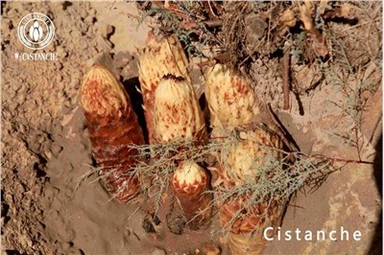
Cistanche tubulosa, as a dry and scaly fleshy stem of the Cistanche genus in the family Rhamnaceae, is known as the "desert ginseng". It is a traditional, precious medicinal herb in China, first recorded in the "Shennong Bencao Jing" and listed as a top-grade herb. It has the effects of tonifying kidney yang, nourishing essence and blood, moistening intestines and promoting bowel movements, and is mainly used for treating kidney yang deficiency, essence and blood deficiency, intestinal dryness, and constipation. With the development of modern extraction technology, Cistanche tubulosa extract has achieved the concentration and purification of active ingredients and is widely used in health products, pharmaceuticals, cosmetics, and other fields. This article will systematically analyze the core components of Cistanche tubulosa extract, interpret its key quality indicators, and provide professional references for industry applications, quality control, and product development.

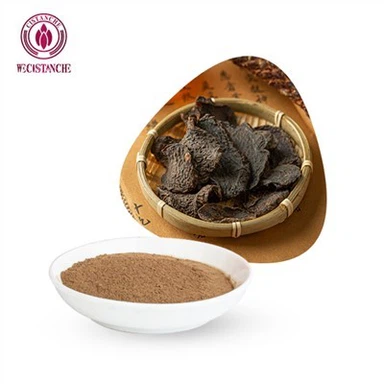
Chinese herb cistanche
Analysis of Core Components in Cistanche tubulosa Extract
The core of the efficacy of Cistanche tubulosa extract lies in its complex and diverse chemical composition. Through modern isolation and identification, it can be mainly divided into two categories: active ingredients and basic nutritional components. The active ingredients are the key to exerting pharmacological effects, while the basic nutritional components provide support for its medicinal and edible homology value.
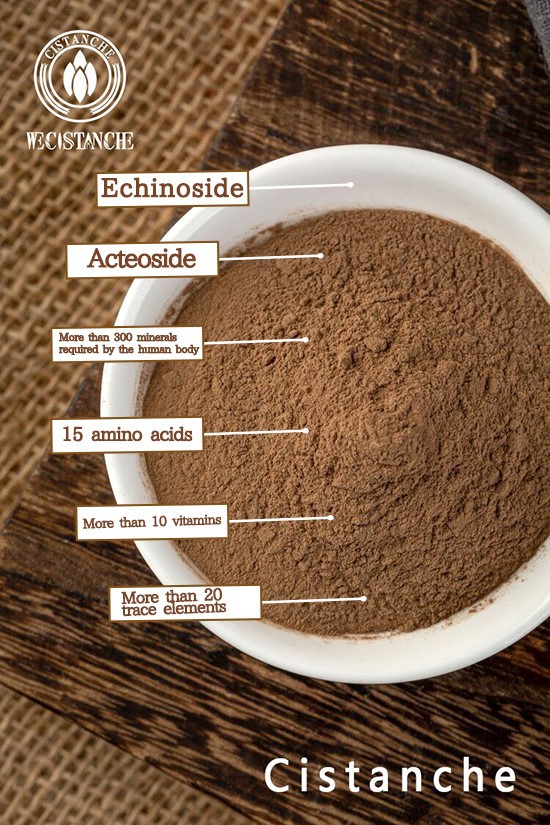
Main Chemical Constituents of Cistanche tubulosa
(1) Core active ingredients
This type of ingredient is the core value of Cistanche tubulosa extract, and its content and activity directly determine the efficacy of the product. It mainly includes phenylethanolic glycosides, polysaccharides, cyclohexene ether terpenes, etc. Among them, phenylethanolic glycosides are the most extensively studied and have the clearest efficacy.
1. Phenylethanoid glycosides: As the most abundant and active component in the extract of Cistanche tubulosa, they are also the core quality control components specified in the Chinese Pharmacopoeia, mainly including echinacoside, verbascoside (also known as ergosterol glycoside), Cistanche tubulosa glycosides A, B, C, H, as well as coumarin glycosides, sea urchin glycosides, etc. Its basic structure is composed of a benzene ring connected to a hydroxyl group through an ethyl group as a glycoside element, and then combined with sugars such as glucose through glycosidic bonds. It has significant pharmacological activities such as antioxidant, anti-fatigue, immune enhancement, and neuroprotection, and also plays an important role in improving sexual function and regulating endocrine function. Among them, echinacoside and verbascoside are the core representatives of this type of component and also the focus of subsequent key indicator interpretation.
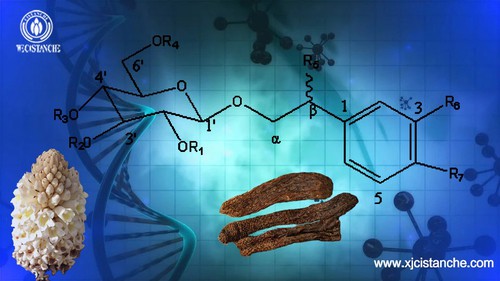
Phenylethanol glycoside is the main active component of Cistanche tubulosa
2. Polysaccharides: Cistanche tubulosa polysaccharides are another important class of active ingredients in extracts, mainly consisting of acidic and neutral polysaccharides. They are composed of various monosaccharides such as glucose, fructose, arabinose, and galactose, as well as glucuronic acids such as galacturonic acid and glucuronic acid, with relatively high levels of glucose and fructose. Research has shown that polysaccharides from Cistanche tubulosa have various effects, such as enhancing the body's immune system, regulating gut microbiota, resisting liver damage, antioxidation, and antiviral effects. They can activate macrophage function, promote immune cell proliferation, and enhance the body's resistance. At the same time, their regulatory effect on intestinal health is also in line with the traditional moisturizing and laxative effects.
3. Cycloether terpenes: These compounds have unique cyclopentane rings and hemiacetal structures, and have been isolated and identified from Cistanche tubulosa in various forms, such as 6-deoxyquercetin and 8-isoquercetin. Its main biological activities include protecting the liver, inhibiting tumor migration, and resisting lung inflammation, while also having a certain protective effect on nerve cells, further enriching the pharmacological value of Cistanche tubulosa extract.
4. Other active ingredients: In addition to the three core active ingredients mentioned above, Cistanche tubulosa extract also contains alkaloids (such as Cistanche tubulosa alkaloids), lignans, sterols (such as β - sitosterol, carotenoids), etc. Among them, alkaloids can improve sexual function and promote blood circulation; Lignans have effects such as inhibiting cancer cell proliferation, anti-inflammatory, and anti Alzheimer's disease; Sterols help regulate human metabolism and enhance physical fitness.
(2) Basic nutritional components

Main Chemical Constituents of Cistanche tubulosa
The extract of Cistanche tubulosa contains abundant basic nutrients, which provide support for its medicinal and edible properties, mainly including amino acids, mineral elements, proteins, dietary fiber, and vitamins.
1. Amino acids: 16 types of amino acids have been detected, including 7 essential amino acids for the human body. The total amino acid content is relatively high, with glutamic acid and aspartic acid being the most abundant, while the methionine and tyrosine content are relatively low. Amino acids, as the basic building blocks of proteins, not only provide nutritional support for the human body but also participate in processes such as metabolism and immune regulation, further enhancing the nutritional value of extracts.
2. Mineral elements: It contains more than 20 types of mineral elements, among which constant elements such as potassium, sodium, magnesium, and calcium are abundant, while trace elements such as iron, zinc, manganese, and boron are relatively high. The content of heavy metals such as lead, cadmium, arsenic, and mercury is lower than the limit standards stipulated in the Chinese Pharmacopoeia, indicating good safety. Among these mineral elements, potassium and sodium can play a role in osmotic regulation, while iron, zinc, manganese, and other minerals have antioxidant and immune-regulating effects, providing essential mineral nutrients for the human body.
3. Other nutritional components: Cistanche tubulosa extract also contains protein (up to 13.08g/100g), low fat (0.20g/100g), dietary fiber, as well as vitamin A, vitamin C, allantoin, hypoxanthine and other components. Among them, dietary fiber can improve gastrointestinal function and assist in moistening the intestines and promoting bowel movements; Vitamin C, as a natural antioxidant, can eliminate free radicals in the body and delay aging; Allantoin can promote cell growth and anti-inflammatory effects, and is widely used in the field of cosmetics; Hypoxanthine can participate in purine nucleotide synthesis, inhibit uric acid production, and alleviate gout symptoms.
Interpretation of key indicators of Cistanche tubulosa extract

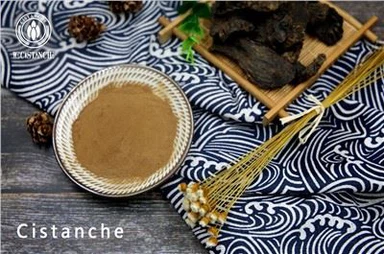
cistanche powder
The core of quality control for Cistanche tubulosa extract lies in the detection and control of key indicators. Based on the 2025 edition of the Chinese Pharmacopoeia and industry application requirements, key indicators are mainly divided into three categories: content indicators, purity indicators, and safety indicators. Each type of indicator directly determines the efficacy, purity, and safety of the product.
(1) Core content indicators (efficacy-related indicators)
This type of indicator is directly related to the pharmacological efficacy of Cistanche tubulosa extract, and is the core basis for product quality grading and efficacy claims, with the total amount of phenylethanolic glycosides as the primary indicator.
1. Total amount of phenylethanoid glycosides (echinacoside+verbascoside): This is the core content indicator specified in the Chinese Pharmacopoeia and the primary standard for evaluating the quality of Cistanche tubulosa extract in the industry. Different varieties of Cistanche tubulosa extract have clear content requirements - Cistanche tubulosa Y.C.Ma extract is calculated as dry product, and the total amount of echinacoside and verbascoside should not be less than 0.30%; The total amount of Cistanche tubulosa (Schrenk) Wight extract shall not be less than 1.5%. This indicator directly reflects the content of core active ingredients in the extract. The higher the content, the stronger the antioxidant and immune-enhancing effects, and the higher the product value. In practical testing, high-performance liquid chromatography (HPLC) is commonly used, with octadecylsilane bonded silica gel as the filler and methanol-0.1% formic acid solution as the mobile phase for gradient elution. The detection wavelength is 330nm, and the theoretical number of plates should not be less than 3000, calculated based on the peak of echinacroside.
2. Polysaccharide content of Cistanche tubulosa: As another type of core active ingredient, polysaccharide content is also an important efficacy indicator. The industry usually requires its content to be no less than 10% (which can be adjusted according to the product's purpose). The detection method often uses the phenol sulfuric acid colorimetric method, which measures the absorbance of polysaccharides after reacting with phenol sulfuric acid and calculates the content by combining it with a standard curve. This indicator is directly related to the immunomodulatory and intestinal regulatory effects of the extract.

cistanche extract powder
3. Content of other active ingredients: For targeted research and development products, the content of specific active ingredients such as Cistanche glycosides A and B, as well as cyclohexene ether terpenes, lignans, etc., will also be tested to meet specific functional requirements (such as neuroprotection, anti-tumor, etc.). The content standards can be set according to the product positioning, but must comply with relevant industry standards.
(2) Purity index (impurity control index)
This type of indicator is used to control the impurity content in extracts, ensure product purity, and avoid impurities affecting efficacy or safety, mainly including moisture, ash content, extracts, etc.
1. Moisture: Excessive moisture content can easily cause the extract to absorb moisture, mold, and damage active ingredients. The Chinese Pharmacopoeia stipulates that the moisture content of Cistanche tubulosa extract should not exceed 10.0%. The detection method uses drying or vacuum drying to ensure the stability of the product during storage.
2. Total ash content: Ash content mainly refers to inorganic impurities in the extract (such as soil, mineral residues, etc.). If the content is too high, it indicates insufficient purity of the extract, which may affect product quality and safety. The Chinese Pharmacopoeia stipulates that the total ash content should not exceed 8.0%, and the detection method adopts the burning method. The content is calculated by the mass of residual ash after burning.
3. Alcohol soluble extract: This indicator reflects the total amount of components soluble in dilute ethanol in the extract, indirectly reflecting the purity of the extract and the extraction efficiency of effective components. According to the Chinese Pharmacopoeia, the extract of Cistanche tubulosa uses dilute ethanol as the solvent and is determined by the cold soaking method, and the extract must not be less than 35.0%. The extract of Cistanche tubulosa should not be less than 25.0%. If this index is too low, it indicates that the extraction process is incomplete and the effective ingredients are not fully extracted.
4. Other impurities: Depending on the intended use of the product, it is necessary to control the content of heavy metals (lead, cadmium, arsenic, mercury, etc.), pesticide residues, microorganisms (total bacterial count, mold, yeast, pathogenic bacteria, etc.), and other impurities. The content of heavy metals must comply with the "National Food Safety Standard for Pollutant Limits in Food" or the "Green Industry Standard for Import and Export of Medicinal Plants and Preparations", and the microbiological indicators must comply with the industry standards of the corresponding products (health products, drugs, cosmetics) to avoid harm to human health.
(3) Safety indicators (compliance indicators)
This type of indicator is the core of ensuring the safe use of products, mainly controlling the possible harmful substances and ensuring that the products comply with relevant regulatory requirements.
1. Heavy metal limits: lead ≤ 0.5mg/kg, cadmium ≤ 0.3mg/kg, arsenic ≤ 2.0mg/kg, mercury ≤ 0.1mg/kg. The detection method uses atomic absorption spectrophotometry or inductively coupled plasma mass spectrometry (ICP-MS) to ensure that the heavy metal content is within a safe range and avoid long-term ingestion that can cause damage to the human liver and kidneys.
2. Pesticide residues: Because Cistanche tubulosa grows mostly in desert areas and uses fewer pesticides, it is still necessary to control common pesticide residues such as organophosphates and organochlorine, and comply with the "National Food Safety Standard Maximum Residue Limits for Pesticides in Food". The detection method uses gas chromatography or liquid chromatography-mass spectrometry to avoid potential harm to human health caused by pesticide residues.
3. Microbial limit: Depending on the product type, the requirements for microbial indicators vary. For example, the total number of colonies in health products should be ≤ 1000cfu/g, mold should be ≤ 50cfu/g, yeast should be ≤ 50cfu/g, and pathogenic bacteria such as Salmonella and Staphylococcus aureus should not be detected; Microbial indicators in cosmetics must comply with the "Technical Specification for Safety of Cosmetics" to ensure that the product will not cause skin infections or other problems due to microbial contamination during use.
Application adaptation of components and key indicators
The composition and key indicator content of Cistanche tubulosa extract determine its application scenarios and product positioning. Different fields have different focuses on ingredients and indicators, and targeted control is needed
1. In the field of health products: Focus on the total amount of phenylethanolic glycosides and the content of polysaccharides in Cistanche tubulosa. Priority should be given to selecting extracts with a polysaccharide content of ≥ 15% and a total amount of phenylethanolic glycosides of ≥ 2.0%, with a focus on exerting immune regulation, anti-fatigue, and intestinal laxative effects. At the same time, safety indicators such as heavy metals and microorganisms should be strictly controlled to comply with relevant health product regulations.

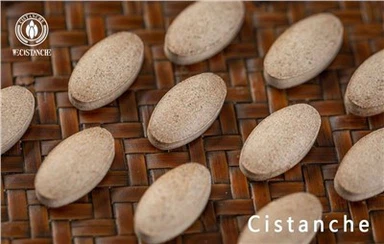
cistanche supplement near me
Click here to view Cistanche Enhance Immunity products
【Ask for more】 Email:cindy.xue@wecistanche.com / WhatsApp: 0086 18599088692 / Wechat: 18599088692
2. Pharmaceutical field: It is necessary to strictly follow the standards of the Chinese Pharmacopoeia, with a focus on controlling the total amount of phenylethanolic glycosides (according to the variety standard), moisture, ash content, extract and other indicators. At the same time, the content of specific active ingredients should be tested to ensure the efficacy and safety of the drug. When used to treat diseases such as kidney yang deficiency, essence and blood deficiency, intestinal dryness and constipation, the stable content of core active ingredients should be ensured.
3. In the field of cosmetics, special attention should be paid to ingredients such as phenylethanolic glycosides and allantoin. The antioxidant effect of phenylethanolic glycosides can delay skin aging, while allantoin can promote skin cell repair and improve the skin barrier. At this time, the purity of the extract should be controlled to avoid impurities from irritating the skin, and the microbial indicators should comply with cosmetic safety standards.
Precautions
1. Extraction process impact: The component content of Cistanche tubulosa extract is closely related to the extraction process. Different processes such as ultrasonic extraction and reflux extraction, can affect the extraction efficiency of active ingredients. It is recommended to use an optimized extraction process (such as ultrasonic extraction for 40 minutes, power of 250W, frequency of 35kHz) to ensure the full extraction of core active ingredients and reduce the introduction of impurities.
2. Storage conditions: The extract of Cistanche tubulosa should be sealed, away from light, and stored in a cool and dry place to avoid degradation of active ingredients, moisture absorption, and mold growth caused by high temperature and humidity. At the same time, it should be kept away from odors, toxic, and harmful substances to ensure stable product quality.
3. Indicator adaptability: Different application scenarios have different requirements for key indicators. For example, health products focus on efficacy indicators, cosmetics focus on safety and mildness, drugs must strictly follow pharmacopoeia standards, and indicator limits should be reasonably set according to product positioning to avoid blindly pursuing high content and neglecting product adaptability.
4. Variety differences: The extracts of Cistanche tubulosa and Cistanche tubulosa have clear differences in core indicators (such as the total amount of phenylethanolic glycosides). In practical applications, it is necessary to clarify the variety and control the indicators according to corresponding standards to avoid confusion and affect product quality and efficacy.
The core value of Cistanche tubulosa extract lies in its rich chemical composition, among which phenylethanolic glycosides and polysaccharides are the key to exerting pharmacological effects, and the basic nutritional components enhance its medicinal and edible homology value. The control of key indicators is the core of ensuring product quality, efficacy, and safety. Among them, the total amount of phenylethanolic glycosides and polysaccharide content are the core efficacy indicators, moisture, ash content, and extract are purity control indicators, and heavy metals, pesticide residues, and microorganisms are safety indicators.
In practical applications, it is necessary to combine product positioning, control core indicators targetedly, optimize extraction processes and storage conditions, and ensure the quality stability, efficacy compliance, and safe use of extracts. With the deepening of research, the composition and pharmacological effects of Cistanche tubulosa extract will be further explored, and its key indicator system will continue to be improved, providing support for the high-quality development of the industry and promoting the widespread application of this traditional Chinese medicinal herb in the field of modern health.