Constipation Cannot Be Cured For A Long Time? Expert Interpretation Guide Teaches You Scientific Diagnosis And Treatment
Sep 14, 2023
Constipation is a common digestive symptom characterized by difficulty and/or infrequent bowel movements and dry, hard stools. In recent years, the prevalence of constipation has been on the rise, and with age, the prevalence of constipation has increased. The prevalence of constipation among the elderly in China is 15% to 20%. The quality of life of patients with chronic constipation is reduced, causing significant economic and social burdens.

Click to immediate constipation relief
Diagnosis and differential diagnosis of chronic constipation
▎Clinical manifestations
The main symptoms of chronic constipation are <3 defecation times per week, difficulty in defecation, and long defecation time; dry and hard stools like sheep, and the quantity is small; there is still a feeling of yellow stool after defecation; and there may be distension and pain in the lower abdomen Or symptoms such as grain pain, loss of appetite, fatigue, dizziness, irritability, anxiety, and insomnia.
Some patients may suffer from anal pain, anal fissures, risk, and anal papillitis due to straining to pass hard feces. Some patients with functional constipation can feel a cord-like mass in the left lower sigmoid colon.
▎Auxiliary inspection
For younger patients, have a longer course of disease, have no tumor risk factors or related manifestations, and have a negative fecal occult blood test, empirical treatment can be given first, and whether to perform corresponding examinations will be decided based on the efficacy, changes in condition, and the patient's wishes.
For those aged >40 years old and showing alarm signs, necessary laboratory, imaging, and colonoscopy examinations should be carried out to determine whether the constipation is caused by organic diseases and whether it is accompanied by colorectal morphological changes.
The main auxiliary examination methods include stool routine, occult blood test, digital rectal examination, abdominal plain film, colonoscopy, colon transit test, and defecography.
What are the characteristics of these means? Which groups are they suitable for? Professor Wang Zhi'e from Shanghai Pudong Hospital gave a detailed explanation of this! Hurry up and scan the QR code below to directly try the course "Interpretation of Guidelines for Primary Diagnosis and Treatment of Chronic Diarrhea and Constipation". Let's take a look with Xiaojie!
▎Differential diagnosis
If constipation occurs acutely and is accompanied by vomiting, abdominal distension, and severe abdominal pain, the possibility of intestinal obstruction should be considered. In the early stage of intestinal obstruction, the sound of water passing through the abdomen or hyperactive bowel sounds can often be heard during abdominal auscultation. In the later stages, intestinal paralysis may occur.

Constipation accompanied by an abdominal mass may be caused by colon tumors, intra-abdominal tumors compressing the colon, intestinal tuberculosis, Crohn's disease, or enlarged lymph nodes. A sigmoid colon spasm should be suspected when a cord-like or sausage-like intestinal tube with large mobility is palpated in the left lower abdomen.
When constipation and diarrhea alternate and there is dull pain around the umbilicus or in the middle and lower abdomen, it often indicates intestinal tuberculosis or intra-abdominal tuberculosis, Crohn's disease, ulcerative colitis, or irritable bowel syndrome.
Treatment of chronic constipation
▎Basic treatment
Adjust your lifestyle: eat a reasonable diet, drink more water, exercise, and establish good bowel habits.
▎Drug treatment
If constipation is ineffective after 4-8 weeks of basic treatment, corresponding drug treatment can be used as appropriate. Drugs can be selected according to the severity of the condition and type of constipation:
For patients with mild or moderate constipation, volumetric or osmotic laxatives can be used, or combined if necessary;
When patients with severe constipation fail to respond to volumetric and osmotic drug treatments, prokinetic drugs or secretagogues can be used in combination.
▎Psychiatric and psychological treatment
For patients with obvious depression, anxiety disorders, and sleep disorders, psychiatric and psychological treatments including health education, psychotherapy, and cognitive behavioral therapy are required. Severe cases may be treated with antidepressant and anxiety medications and/or transferred to a psychiatric department for specialist treatment. Try to avoid using multi-target antidepressants and anxiety drugs.

▎Others
In addition, constipation caused by pelvic floor muscle dysfunction can be treated with biofeedback; when conservative treatment is ineffective or organic disease is clear, surgery can be considered. The indications for surgery should be strictly controlled and a comprehensive preoperative evaluation should be conducted.
Natural Herbal Medicine For Relieving Constipation-Cistanche
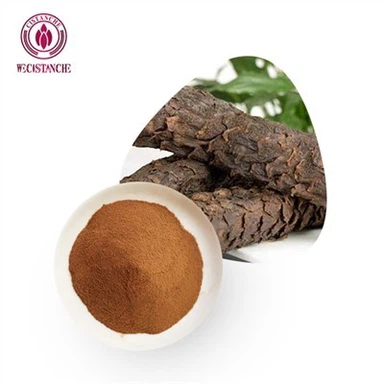
Cistanche is a genus of parasitic plants that belongs to the family Orobanchaceae. These plants are known for their medicinal properties and have been used in Traditional Chinese Medicine (TCM) for centuries. Cistanche species are predominantly found in arid and desert regions of China, Mongolia, and other parts of Central Asia. Cistanche plants are characterized by their fleshy, yellowish stems and are highly valued for their potential health benefits. In TCM, Cistanche is believed to have tonic properties and is commonly used to nourish the kidney, enhance vitality, and support sexual function. It is also used to address issues related to aging, fatigue, and overall well-being. While Cistanche has a long history of use in traditional medicine, scientific research on its efficacy and safety is ongoing and limited. However, it is known to contain various bioactive compounds such as phenylethanoid glycosides, iridoids, lignans, and polysaccharides, which may contribute to its medicinal effects.

Wecistanche's cistanche powder, cistanche tablets, cistanche capsules, and other products are developed using desert cistanche as raw materials, all of which have a good effect on relieving constipation. The specific mechanism is as follows: Cistanche is believed to have potential benefits for relieving constipation based on its traditional use and certain compounds it contains. While scientific research specifically on Cistanche's effect on constipation is limited, it is thought to have multiple mechanisms that may contribute to its potential to relieve constipation. Laxative Effect: Cistanche has long been used in Traditional Chinese Medicine as a remedy for constipation. It is believed to have a mild laxative effect, which can help promote bowel movements and induce constipation. This effect may be attributed to various compounds found in Cistanche, such as phenylethanoid glycosides and polysaccharides. Moistening the Intestines: Based on traditional use, Cistanche is considered to have moisturizing properties, specifically targeting the Intestines. Promoting hydration and lubrication of the Intestines, it may help soften tools and facilitate easier passage, thereby relieving constipation. Anti-inflammatory Effect: Constipation can sometimes be associated with inflammation in the digestive tract. Cistanche contains certain compounds, including phenylethanoid glycosides and lignans, that are believed to have anti-inflammatory properties. By reducing inflammation in the intestines, it may help improve bowel movement regularity and relieve constipation.