Constipation Is An Intestinal Disease And Must Be Treated!
Oct 30, 2023
At present, about 745 million people around the world are suffering from constipation. March 28 every year is designated as China Constipation Day by the Ministry of Health. According to the latest statistics from the National Medical Organization, there are about 70 million constipation people in my country. Many citizens don't pay enough attention to constipation, thinking it is a minor problem and nothing to worry about. Constipation is also a disease. In mild cases, the stool is dry and hard and cannot be pulled out after squatting for a long time; in severe cases, hemorrhoids and blood in the stool can even cause intestinal diseases.

Click to home remedies for constipation
1. The importance of the intestines to the human body is self-evident
The intestine is the "second brain" of the human body. Scientific research shows that 80% of the garbage and harmful substances in the body are excreted from the intestine, 93% of nutrients are absorbed through the intestine, and more than 70% of cells that produce immunoglobulins are distributed in the intestine. road. There are more than 1,000 species of bacteria living in the intestines. Maintaining the balance of the intestinal microecological system is crucial to people's health and nutrient absorption.
Intestinal disease constipation has become a common digestive system disease. Data show that the prevalence of chronic constipation in adults in my country is as high as 4%-6%, and increases with age. The prevalence of chronic constipation in people over 60 years old can be as high as 22%.
Because they don’t know how to take preventive measures, 4 out of 10 constipation patients in the world will relapse, making constipation a disease that is prone to occur frequently and repeatedly.
2. Long-term constipation causes a health crisis
The clinical symptoms of constipation generally include decreased frequency of defecation, difficulty in defecation, dry, hard, and ball-shaped feces, abdominal pain, a feeling of incomplete defecation, etc. Elderly people over 60 years old, women, and office workers are all susceptible to constipation. However, the public generally lacks awareness of constipation, and some patients abuse laxatives, with disastrous consequences.
Constipation, which is a minor problem, can cause serious harm. Constipation can cause emotional stress, sleep disorders, hemorrhoids, and anal fissures, and can even aggravate or induce cardiovascular and cerebrovascular diseases, and increase the risk of colon cancer and other cancers.

For women who pay attention to their appearance, it can also cause skin problems such as acne, rough skin, chloasma, and acne. In addition, chronic constipation may also have an important impact on the occurrence of major diseases such as hepatic encephalopathy, breast disease, and Alzheimer's disease.
3. Chronic constipation is a ‘high-risk’ disease
Chronic constipation is indeed considered a high-risk condition because it can lead to a range of health problems. Here are some risks and complications that may be associated with chronic constipation:
1. Colorectal problems: Persistent constipation may increase the risk of colorectal problems, including hemorrhoids and rectal fistulas.
2. Bowel disease: Chronic constipation is associated with an increased risk of inflammatory bowel disease, such as Crohn's disease and ulcerative colitis.
3. Anal fissures: Straining too hard to have a bowel movement can cause anal fissures, which are small tears around the anus that cause pain and bleeding.
4. Expansive gas: Constipation may lead to the accumulation of waste products in the body, producing harmful gases, and causing bloating and discomfort.
5. Intestinal obstruction: Severe constipation can lead to ileus, a condition in which the intestines are completely or partially blocked and require emergency medical intervention.
6. Metabolic disorders: Constipation may affect waste excretion and nutrient absorption in the body, thereby adversely affecting overall metabolism.
7. Cardiovascular health: Some studies have found a link between chronic constipation and an increased risk of high blood pressure and cardiovascular disease.
8. Obesity and weight control: Constipation can lead to weight gain because it slows the passage of food and waste through the intestines, making it easier for a person to accumulate excess weight.
9. Mental health issues: Long-term constipation may lead to emotional problems such as anxiety and depression, as the experience of discomfort may affect mental health.
4. How to prevent constipation?
1. Drink water: Make sure to drink enough water every day to maintain the body's water balance. Water helps soften stool, making it easier to pass through the intestines.
2. High-fiber diet: Increase dietary fiber intake, including fruits, vegetables, whole-wheat bread, oats, and beans. Fiber increases intestinal motility and promotes normal bowel movements.
3. Eat regularly: Eat at regular intervals and avoid skipping meals. A regular diet can help maintain normal bowel function.
4. Avoid straining to have a bowel movement: Do not strain to have a bowel movement as this may lead to anal fissures or hemorrhoids. Relax and don't strain when using the toilet.
5. Exercise: Moderate physical exercise can stimulate intestinal peristalsis and help prevent constipation.
6. Avoid over-reliance on laxatives: Long-term use of laxatives may lead to dependence, so do not abuse these drugs. If you need to use laxatives, you should do so under the guidance of a doctor.
7. Reduce stress: Stress and anxiety can affect bowel function, so finding ways to cope with stress, such as meditation, yoga, or deep breathing exercises, can help prevent constipation.
8. Get enough sleep: Getting enough sleep helps maintain the body's biological clock and normal physiological functions, including defecation.
9. Be aware of medication side effects: Certain medications can cause constipation. If you are taking medications and are frequently constipated, you should discuss possible alternative medications or treatments with your doctor.
10. Regulate the balance of intestinal flora: The microbial ecosystem in the intestine directly affects the immune system, nutrient absorption, and metabolism.

Key ways to maintain balance include increasing probiotic intake, consuming fiber-rich foods, reducing unnecessary use of antibiotics, avoiding excessive alcohol and smoking, and controlling inflammation. These actions help promote the growth of beneficial bacteria and maintain a diverse flora, thereby reducing the risk of constipation, intestinal discomfort, and other health problems, and benefiting overall physical health.
Natural Herbal Medicine For Relieving Constipation-Cistanche
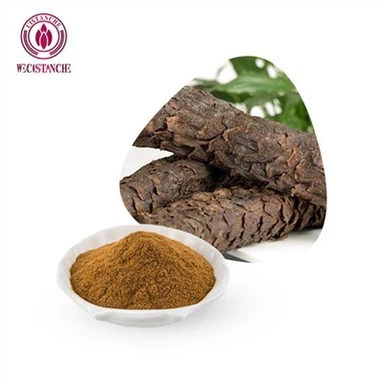
Cistanche is a genus of parasitic plants that belongs to the family Orobanchaceae. These plants are known for their medicinal properties and have been used in Traditional Chinese Medicine (TCM) for centuries. Cistanche species are predominantly found in arid and desert regions of China, Mongolia, and other parts of Central Asia. Cistanche plants are characterized by their fleshy, yellowish stems and are highly valued for their potential health benefits. In TCM, Cistanche is believed to have tonic properties and is commonly used to nourish the kidney, enhance vitality, and support sexual function. It is also used to address issues related to aging, fatigue, and overall well-being. While Cistanche has a long history of use in traditional medicine, scientific research on its efficacy and safety is ongoing and limited. However, it is known to contain various bioactive compounds such as phenylethanoid glycosides, iridoids, lignans, and polysaccharides, which may contribute to its medicinal effects.

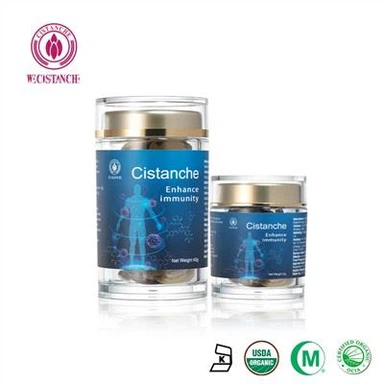
Wecistanche's cistanche powder, cistanche tablets, cistanche capsules, and other products are developed using desert cistanche as raw materials, all of which have a good effect on relieving constipation. The specific mechanism is as follows: Cistanche is believed to have potential benefits for relieving constipation based on its traditional use and certain compounds it contains. While scientific research specifically on Cistanche's effect on constipation is limited, it is thought to have multiple mechanisms that may contribute to its potential to relieve constipation. Laxative Effect: Cistanche has long been used in Traditional Chinese Medicine as a remedy for constipation. It is believed to have a mild laxative effect, which can help promote bowel movements and induce constipation. This effect may be attributed to various compounds found in Cistanche, such as phenylethanoid glycosides and polysaccharides. Moistening the Intestines: Based on traditional use, Cistanche is considered to have moisturizing properties, specifically targeting the Intestines. Promoting hydration and lubrication of the Intestines may help soften tools and facilitate easier passage, thereby relieving constipation. Anti-inflammatory Effect: Constipation can sometimes be associated with inflammation in the digestive tract. Cistanche contains certain compounds, including phenylethanoid glycosides and lignans, that are believed to have anti-inflammatory properties. By reducing inflammation in the intestines, it may help improve bowel movement regularity and relieve constipation.