Constipation Is More Harmful Than You Think
Oct 09, 2023
The main symptoms of constipation are less than three bowel movements per week, dry and hard stools, and difficulty in defecation. But don’t worry if you occasionally experience constipation symptoms. This does not mean you have constipation. Research shows that patients with chronic constipation account for 3%-17.6% of the general population in China. The older you are, the more patients suffer from constipation. Among them, the prevalence of chronic constipation is higher in women than in men. It is estimated that more than 70 million women in China suffer from chronic constipation.

What are the dangers of constipation?
1. Make people ugly
Long-term constipation will cause stool to stay in the intestines for a long time, and excessive accumulation of stool will lead to the absorption of toxins, thereby causing symptoms such as dull skin color, acne, and spots. Toxins cannot be excreted from the body in time and will seriously affect the body's normal metabolism, which is not conducive to weight loss and may also lead to potbelly.
2. Cause intestinal dysfunction
Constipation can cause problems such as a sinking feeling in the abdomen, bloating, and abdominal pain. It is also prone to proctitis, hemorrhoids, ulcers, gastrointestinal disorders, and even colorectal cancer.
3. Affect brain function
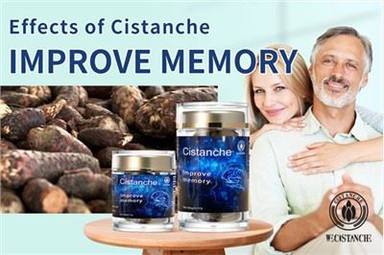
Constipation can also affect the brain. Yes, constipation will cause a large number of toxins in the intestine to be absorbed, and the metabolites will remain in the digestive tract for a long time, causing a large number of harmful substances to be produced under the action of bacteria and partially diffuse into the central nervous system, causing memory loss, distraction, slow thinking, etc. Performance.

How to improve constipation?
1. Eat more scummy food and replenish enough water
Cellulose is an important factor in forming feces and promoting defecation. Cellulose can stimulate intestinal peristalsis to accelerate peristalsis, increase the moisture in fecal mass, expand the volume of fecal mass, stimulate intestinal peristalsis, and make defecation smooth. Cellulose is like the steel bars in concrete, which can solidify cement and stones and help form stools.
Therefore, food should not be eaten too carefully, and fiber should account for 30-50% of the volume of food. However, at the same time, you must drink enough water so that dietary fiber can play the role of moisturizing the intestines. Otherwise, fiber "Intestinal obstruction" will make constipation more serious.
2. Exercise
Exercise can stimulate intestinal peristalsis. The simple truth is that if you move your intestines, you will also move. We often encourage patients after gastrointestinal surgery to get out of bed as soon as possible to promote the recovery of intestinal peristalsis. There is no limit to the way of exercise. You can walk, jog, or do gymnastics. It varies from person to person. In short, you must ensure a certain amount of physical activity. Pay attention to supplement enzymes and water before and after exercise.
3. Good bowel habits
The human body has two "natural periods" for defecation: one is the "rising reflex" when getting up in the morning; and the other is the "gastric-colonic reflex" after eating. When you wake up in the morning, changing from lying to sitting to standing, intestinal peristalsis will increase, and the intestines will produce a huge peristaltic wave to help you push stool out. After breakfast, the gastrocolic reflex is obvious (the stomach will notify the large intestine to move quickly), creating another "time" for defecation. Therefore, awakening the natural defecation reflex has twice the result with half the effort in improving constipation.
4. Don’t overuse antibiotics
Abuse of antibiotics can cause intestinal flora imbalance, leading to diarrhea or constipation, and in severe cases can develop into refractory pseudomembranous colitis. Antibiotics are a double-edged sword. They can kill pathogenic bacteria and also kill many normal intestinal microorganisms, which can easily cause intestinal microecological imbalance.

5. Supplement enzymes
Enzymes contain a large amount of dietary fiber, probiotics, prebiotics, and other nutrients. When enzymes enter the intestines, they can provide a good environment and nutrition for the beneficial bacteria in the intestines, inhibit the growth of harmful bacteria in the intestines, maintain the balance of intestinal flora, strengthen gastrointestinal function, decompose feces in the intestines, and promote Intestinal peristalsis expels all feces present in the body and promotes normal metabolism in the body.
Natural Herbal Medicine For Relieving Constipation-Cistanche
Cistanche is a genus of parasitic plants that belongs to the family Orobanchaceae. These plants are known for their medicinal properties and have been used in Traditional Chinese Medicine (TCM) for centuries. Cistanche species are predominantly found in arid and desert regions of China, Mongolia, and other parts of Central Asia. Cistanche plants are characterized by their fleshy, yellowish stems and are highly valued for their potential health benefits. In TCM, Cistanche is believed to have tonic properties and is commonly used to nourish the kidney, enhance vitality, and support sexual function. It is also used to address issues related to aging, fatigue, and overall well-being. While Cistanche has a long history of use in traditional medicine, scientific research on its efficacy and safety is ongoing and limited. However, it is known to contain various bioactive compounds such as phenylethanoid glycosides, iridoids, lignans, and polysaccharides, which may contribute to its medicinal effects.

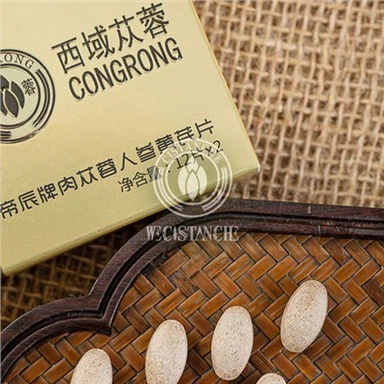
Wecistanche's cistanche powder, cistanche tablets, cistanche capsules, and other products are developed using desert cistanche as raw materials, all of which have a good effect on relieving constipation. The specific mechanism is as follows: Cistanche is believed to have potential benefits for relieving constipation based on its traditional use and certain compounds it contains. While scientific research specifically on Cistanche's effect on constipation is limited, it is thought to have multiple mechanisms that may contribute to its potential to relieve constipation. Laxative Effect: Cistanche has long been used in Traditional Chinese Medicine as a remedy for constipation. It is believed to have a mild laxative effect, which can help promote bowel movements and induce constipation. This effect may be attributed to various compounds found in Cistanche, such as phenylethanoid glycosides and polysaccharides. Moistening the Intestines: Based on traditional use, Cistanche is considered to have moisturizing properties, specifically targeting the Intestines. Promoting hydration and lubrication of the Intestines may help soften tools and facilitate easier passage, thereby relieving constipation. Anti-inflammatory Effect: Constipation can sometimes be associated with inflammation in the digestive tract. Cistanche contains certain compounds, including phenylethanoid glycosides and lignans, that are believed to have anti-inflammatory properties. By reducing inflammation in the intestines, it may help improve bowel movement regularity and relieve constipation.