Experience in Treating Chronic Constipation
Oct 09, 2023
Constipation disease is located in the large intestine, which is closely related to the spleen, stomach, lungs, liver, kidneys, heart, and other internal organs. Chronic constipation is very harmful to health.

Click to home remedies for constipation
1. Combination of Chinese and Western medicine, disease identification, and diagnosis
He Xiaohui adheres to the integration of traditional Chinese and Western medicine in the diagnosis and treatment of chronic constipation. He believes that Western medicine is indispensable in disease diagnosis. Western medicine divides constipation into two categories: functional constipation and organic constipation. Functional constipation is mostly caused by poor eating habits, living habits, and defecation habits, such as irregular diet, too little fiber food intake, irregular bowel movements, and long-term suppression of defecation, resulting in weakened rectal reflex sensitivity, abnormal colon motility, or spasmodic bowel movements. contraction, causing long-term constipation. High levels of mental stress or psychological disorders can also cause constipation.
Organic diseases that cause constipation mainly include gastrointestinal diseases, such as intestinal stenosis, intestinal adhesions, Hirschsprung's disease, colonic diverticulitis, tumors, inflammatory bowel disease, etc.; rectal and anal diseases, such as proctitis, hemorrhoids, anal Fissures, perianal abscesses, and dysfunction of the anatomical structures of the rectum and pelvic floor, etc.; neurological diseases, such as intestinal neuromuscular disease, spinal cord injury, polyradiculitis, Parkinson's disease, etc.; systemic diseases involving the gastrointestinal tract, Such as hypothyroidism, diabetes, and connective tissue diseases.
Therefore, when facing patients with chronic constipation, we must first find out the cause of constipation and make a clear diagnosis of the disease through inspection, hearing, hearing, sight, touch, percussion, and necessary modern examinations.
2. Examine the cause of the disease and first differentiate between deficiency and excess
Traditional Chinese medicine believes that the clinical syndromes of chronic constipation are diverse, but they always fall into two categories: deficiency and excess. Constipation is divided into two categories: actual constipation and deficient constipation. Actual constipation includes heat constipation, qi constipation, and cold constipation. Deficiency constipation includes qi deficiency, blood deficiency, yin deficiency, and yang deficiency. Dry and hard feces, difficulty in defecation, and burning in the anus are mostly constipation caused by dryness and heat; the feces is not very dry and hard, and the defecation is uncomfortable, accompanied by abdominal distension, bowel sounds, and gas, mostly constipation due to qi stagnation. The feces are not dry, the stool cannot come out when desired, and the stool is weak, mostly due to constipation due to qi deficiency. Constipation is accompanied by short red urine, flushed face and hot body, dry mouth, and bitter mouth, fullness in the flanks and frequent belching, mostly constipation; constipation is accompanied by shortness of breath and sweating, dull complexion, dizziness, palpitations, and mental fatigue. Most of the power is virtual and mysterious.
Tongue and pulse conditions are also important in distinguishing between constipation and constipation. For example, a red tongue with yellow and dry coating and a slippery and rapid pulse is usually a sign of hot stool; a red tongue with less fluid, no coating, or less coating, and a thready and rapid pulse is usually a sign of constipation due to yin deficiency. A pale, fat tongue with a white coating and a weak pulse is mostly caused by qi deficiency and constipation; a pale tongue with, a white and slippery or greasy coating, and a slow and slow pulse are mostly caused by cold secretion due to yin-cold internal knots. Distinguish the deficiency and excess of constipation, then you can clear the eyes, relieve the excess and relieve the deficiency, and make up for the deficiency.

3. Regulate the five internal organs and think holistically
Defecation is related to the functions of the five internal organs, and dysfunction of the five internal organs can lead to defecation disorders. The lungs and the large intestine are related to each other from the outside to the inside. The lung qi is subdued and the qi mechanism is smoothed, which can promote the conduction of the large intestine. Lung heat moving down the large intestine, large intestine fluid damage, or weak lung qi and inability to push the large intestine can lead to constipation. The liver governs dispersion and regulates Qi movement. If the liver qi is not loose and the qi mechanism is stagnant, the large intestine will not be able to pass down. The kidney stores vitality is the root of qi and is the foundation of all yin and yang. The kidney governs two types of yin. If kidney yin is insufficient, the intestines will be inactive, and if kidney yang is deficient, the intestines will be inactive, which can lead to defecation disorders. The heart governs the mind, and the opening and closing of the anus depends on the control of the mind. If the mind is clear, the lower body will be at ease. If the mind is restless, the qi will be disordered, and the conduction of the large intestine will be abnormal, resulting in constipation.
4. Combination of disease and syndrome and appropriate medication
Syndrome differentiation and medication: Large intestinal conduction failure is the main pathogenesis of chronic constipation, so the treatment principle is to conduct stagnation and relieve constipation. According to the disease syndrome and drug action mechanism, He Xiaohui’s commonly used laxatives include rhubarb, senna, knotweed, aloe vera, dandelion, Rehmannia, trichosanthes, etc. for clearing heat and laxatives; citrus aurantium, citrus aurantium, Magnolia officinalis, betel nut, Dabupi, agarwood, radish seeds, perilla seeds, etc.; almonds, burdock seeds, etc., which can relieve the lungs and relieve constipation; atractylodes, astragalus, Scrophulariaceae, etc., which can nourish qi and relieve constipation; angelica root, which can nourish the blood, moisturize the intestines and relieve constipation. , white peony root, Polygonum multiflorum, black sesame, etc.; Rehmannia glutinosa, Scrophulariaceae, hemp seed, Yuliren, peach kernel, almond, cypress seed, Ophiopogon japonicus, Asparagus asparagus, mulberry, honey, etc. that nourish yin, moisten dryness and laxative. Cistanche deserticola, walnut meat, Cynomorium cynomorium, etc.
Special medicines He Xiaohui believes that when using rhubarb, the principles of "use with caution", "use sparingly", "use temporarily" and "use together" should be followed. Use with caution, that is, generally do not use it, only use it when constipation is severe or other drug treatments are ineffective. Use sparingly, that is, the dose is very small, mostly 3~5g, to guide defecation. Temporary use, that is, use it for a short period and stop using it after the stool is smooth. For combined use, that is, according to the type of constipation syndrome, it can be used equally with heat-clearing drugs, Qi-moving drugs, intestinal moisturizing drugs, blood-nourishing drugs, and Qi-replenishing drugs.
Atractylodes can not only invigorate the spleen and stop diarrhea but also act as a laxative, regulating intestinal movement in both directions. He Xiaohui believes that the excretion of feces requires the promotion of Qi and the lubrication of body fluids. Atractylodes are sweet and soft, strengthen the spleen and replenish qi, promote clearness, and reduce turbidity. Heavy use of Atractylodes can "transform spleen yang", circulate body fluids moisturize the intestines, make dry and hard stools moist and soft, and make them easier to pass and smooth. Atractylodes have the effects of strengthening the spleen and replenishing qi, dehumidifying, and diluting water. It can promote intestinal peristalsis and facilitate defecation. It has a good therapeutic effect, especially on constipation caused by qi deficiency and spleen deficiency. Atractylodes macrocephala can be ground into powder and taken with warm water or decoction in water. However, it is generally not recommended to use Atractylodes macrocephala alone to treat constipation. It is best to use other traditional Chinese medicine to treat constipation according to the patient's constitution, and the effect will be better. For those with obvious qi deficiency and weak bowel movements, astragalus and ginseng can be added; for those with blood deficiency and pale complexion and dry stools, products that nourish blood and moisturize the intestines can be added, such as Polygonum Multiflori, Raw Rehmannia, and Rehmannia glutinosa; for gastrointestinal qi stagnation, Those with poor Qi conduction can use products that promote Qi and conduct stagnation, such as tangerine peel, betel nut, and green peel.

In addition, Atractylodes macrocephala should be used to treat constipation under the guidance of a doctor to prevent complications caused by difficulty in discontinuing the drug due to psychological effects or other physical problems of the patient. In addition, patients with yin deficiency and internal heat should not eat raw Atractylodes macrocephala. Eating it may increase the fire in the body and induce symptoms of internal heat. Patients with body fluid loss should not consume raw Atractylodes macrocephala, especially men. Consuming large amounts may cause damage to sexual function.
There are three key points in treating constipation with Atractylodes. First, it is better to use raw Atractylodes. Second, the dosage should be large, usually 30~60g. Third, use medicines in combination. For Qi stagnation, use Citrus aurantium, for Qi deficiency, use Astragalus, for blood deficiency, Angelica sinensis, and for Yin deficiency, use Radix Rehmanniae. , Yang deficiency with Cistanche.
Natural Herbal Medicine For Relieving Constipation-Cistanche
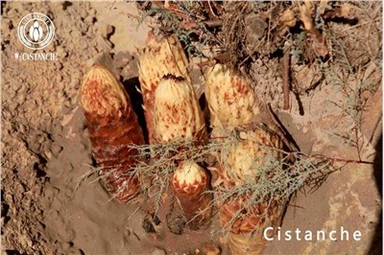
Cistanche is a genus of parasitic plants that belongs to the family Orobanchaceae. These plants are known for their medicinal properties and have been used in Traditional Chinese Medicine (TCM) for centuries. Cistanche species are predominantly found in arid and desert regions of China, Mongolia, and other parts of Central Asia. Cistanche plants are characterized by their fleshy, yellowish stems and are highly valued for their potential health benefits. In TCM, Cistanche is believed to have tonic properties and is commonly used to nourish the kidney, enhance vitality, and support sexual function. It is also used to address issues related to aging, fatigue, and overall well-being. While Cistanche has a long history of use in traditional medicine, scientific research on its efficacy and safety is ongoing and limited. However, it is known to contain various bioactive compounds such as phenylethanoid glycosides, iridoids, lignans, and polysaccharides, which may contribute to its medicinal effects.

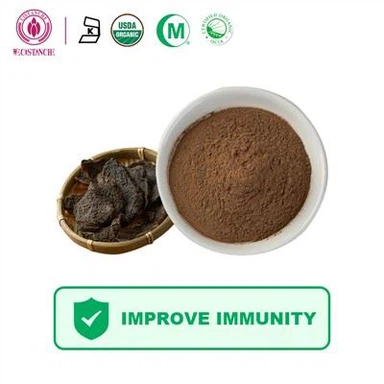
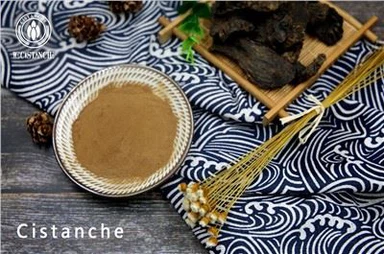
Wecistanche's cistanche powder, cistanche tablets, cistanche capsules, and other products are developed using desert cistanche as raw materials, all of which have a good effect on relieving constipation. The specific mechanism is as follows: Cistanche is believed to have potential benefits for relieving constipation based on its traditional use and certain compounds it contains. While scientific research specifically on Cistanche's effect on constipation is limited, it is thought to have multiple mechanisms that may contribute to its potential to relieve constipation. Laxative Effect: Cistanche has long been used in Traditional Chinese Medicine as a remedy for constipation. It is believed to have a mild laxative effect, which can help promote bowel movements and induce constipation. This effect may be attributed to various compounds found in Cistanche, such as phenylethanoid glycosides and polysaccharides. Moistening the Intestines: Based on traditional use, Cistanche is considered to have moisturizing properties, specifically targeting the Intestines. Promoting hydration and lubrication of the Intestines, it may help soften tools and facilitate easier passage, thereby relieving constipation. Anti-inflammatory Effect: Constipation can sometimes be associated with inflammation in the digestive tract. Cistanche contains certain compounds, including phenylethanoid glycosides and lignans, that are believed to have anti-inflammatory properties. By reducing inflammation in the intestines, it may help improve bowel movement regularity and relieve constipation.