Desert Ginseng Cistanche Tubulosa Has Great Efficacy in Fighting Against Senile Dementia
Mar 20, 2026
Dementia, medically known as Alzheimer's disease (AD), is a degenerative disease of the central nervous system that is prevalent in middle-aged and elderly individuals. Its core symptoms include memory decline, cognitive impairment, and behavioral abnormalities. It not only deprives patients of their memory and self-care abilities, but also imposes a heavy burden on families.

cistanche benefits for men-Anti Alzheimer's disease
At present, the number of elderly dementia patients worldwide has exceeded 50 million, and is growing at a rate of 10 million new cases every year. As a country with a high degree of population aging, China has over 10 million elderly dementia patients, becoming a "hidden killer" that threatens the health of middle-aged and elderly people.
In clinical practice, Western medicine treatment mainly uses cholinesterase inhibitors and NMDA receptor antagonists. Although they can temporarily alleviate symptoms such as memory decline and cognitive impairment, they cannot fundamentally prevent neuronal damage and disease progression. Long-term use may also cause adverse reactions such as nausea, dizziness, and insomnia.
Cistanche tubulosa, known as the "desert ginseng", is a traditional Chinese medicine with precious benefits. It has been confirmed by modern pharmacological research that its various active ingredients have shown significant effects in combating Alzheimer's disease and protecting brain health. It has become a "potential stock" of natural anti dementia, providing a new natural path for the prevention and treatment of Alzheimer's disease.

Benefits of Cistanche tubulosa: Anti-Alzheimer's disease
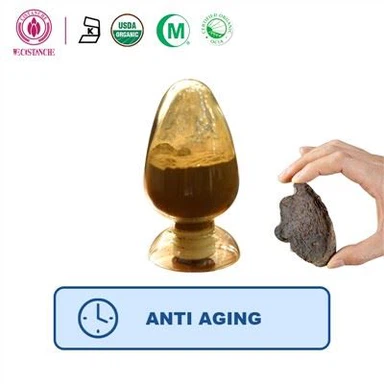
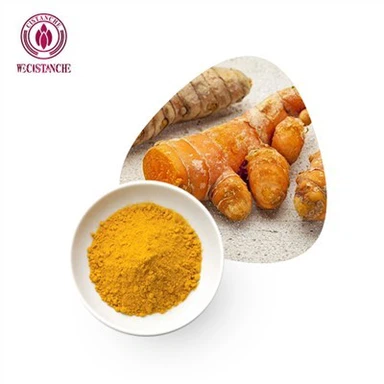
Cistanche tubulosa is a dry, fleshy stem of a parasitic plant belonging to the Cistanche genus in the family Liliaceae. It mainly grows in desert and Gobi regions such as Inner Mongolia, Xinjiang, Gansu, and Ningxia in China, relying on plants such as Haloxylon ammodendron and Salix matsudana for parasitic growth. It is drought-resistant and barren, with strong vitality, and is known as the "desert ginseng", "goblin", and "golden bamboo shoots". In traditional Chinese medicine theory, Cistanche tubulosa has a sweet, salty, and warm nature and belongs to the kidney and large intestine meridians. Its core functions are to tonify kidney yang, nourish essence and blood, moisten the intestines, and promote bowel movements. It is commonly used to treat conditions such as kidney yang deficiency, essence and blood deficiency, impotence and premature ejaculation, soreness and weakness of the waist and knees, and intestinal dryness and constipation. It is a "nourishing and beneficial product" highly praised by medical practitioners throughout history. The "Shennong Bencao Jing" lists it as a "top-grade" and records that it has a "sweet taste, slight warmth, and is mainly used for five labor and seven injuries. It replenishes the middle, removes cold and hot pain from the stem, nourishes the five organs, strengthens yin, benefits essence and qi, has many children, and can treat women's ailments; The Compendium of Materia Medica further clarifies that it is "nourishing but not severe, hence it is called calm", emphasizing its mild and long-lasting nourishing effects, suitable for long-term regulation. Modern medical research has found that this "natural gift" from the desert has value far beyond its traditional nourishing effects. It contains various active ingredients such as phenylethanolic glycosides, Cistanche polysaccharides, lignans, flavonoids, etc., which can directly target the core of Alzheimer's disease from multiple dimensions, building a "comprehensive protective network" for the brain and safeguarding the brain health of middle-aged and elderly people.

Dragon Herbs Cistanche
1. Antioxidant and anti-inflammatory properties, building the brain's "first line of defense."
Oxidative stress and neuroinflammation are key triggers of Alzheimer's disease and the core mechanisms leading to neuronal damage. As age increases, the metabolic rate of the human body slows down, and a large amount of oxygen-free radicals accumulates in the body, triggering oxidative stress reactions. This reaction directly damages the cell membrane, proteins, and nucleic acids of brain neurons, leading to neuronal dysfunction. At the same time, oxidative stress can activate inflammatory reactions in the brain, leading to excessive activation of microglia and the release of various inflammatory factors such as interleukin and tumor necrosis factor. These inflammatory factors can further aggravate neuronal damage, resulting in abnormal deposition of β - amyloid protein (Aβ) and excessive phosphorylation of tau protein in the brain, forming neurofibrillary tangles, ultimately leading to symptoms of Alzheimer's disease such as memory decline and cognitive decline. The active ingredients in Cistanche tubulosa are like "antioxidant and anti-inflammatory warriors", which can accurately eliminate oxygen free radicals in the body, regulate oxidative stress balance, and reduce the level of inflammatory factors by downregulating related signaling pathways, reducing the damage of free radicals to brain cells, delaying the process of neurodegenerative diseases, and fundamentally reducing the risk of elderly dementia.
Among them, the phenylethanoid glycosides in Cistanche tubulosa are the main antioxidant and anti-inflammatory active substances, including echinacoside, verbascoside, isoverbascoside, etc. The antioxidant capacity of these components far exceeds that of common antioxidants such as vitamin C and vitamin E.

Phenylethanol glycoside is the main active component of Cistanche tubulosa
Research has shown that pineal glycoside can activate the antioxidant enzyme system in the body, increase the activity of superoxide dismutase (SOD) and glutathione peroxidase (GSH Px), and reduce the content of malondialdehyde (MDA) - MDA is a product of oxidative stress response, and the higher its content, the more severe the cell damage. Pineal glycoside can effectively reduce the generation of MDA and protect neurons from oxidative damage. At the same time, echinacoside can also inhibit the activation of the nuclear factor kappa B (NF - κ B) signaling pathway. NF - κ B is a core molecule that regulates inflammatory responses, and its excessive activation can lead to the release of a large amount of inflammatory factors. By inhibiting the activity of NF - κ B, echinacoside can reduce the expression of inflammatory factors such as interleukin-1 β and tumor necrosis factor - α, and alleviate neuroinflammatory responses. An animal experiment conducted by Anhui Medical University also confirmed that after injecting Cistanche tubulosa extract into a mouse model of Alzheimer's disease, the levels of oxidative stress and inflammatory factors in the mouse brain were significantly reduced, the degree of neuronal damage was significantly reduced, and learning and memory abilities were significantly improved. This fully demonstrates that the active ingredients of Cistanche tubulosa can intervene in the pathogenesis of Alzheimer's disease through multi-target action, providing comprehensive antioxidant and anti-inflammatory protection for the brain.

Benefits of Cistanche tubulosa: Anti-Alzheimer's disease
Click here to view Cistanche Improving Memory and Preventing Alzheimer's Disease products
【Ask for more】 Email:cindy.xue@wecistanche.com / WhatsApp: 0086 18599088692 / Wechat: 18599088692
2. Protecting neurons, guarding the brain as the 'information transmitter.'
Neurons are the core of memory and cognitive functions in the brain, responsible for information transmission, processing, and storage. Once neurons are damaged or apoptotic, it can lead to symptoms such as memory decline, delayed thinking, and cognitive confusion, which is also a typical manifestation of elderly dementia patients. In the brains of elderly dementia patients, a large number of neurons undergo apoptosis due to factors such as oxidative stress, inflammatory response, and Aβ deposition, resulting in significant atrophy of the cerebral cortex and hippocampus (the core area responsible for learning and memory in the brain), leading to cognitive dysfunction. The various active ingredients in Cistanche tubulosa can protect neurons, reduce neuronal apoptosis, improve neuronal function, and safeguard the brain's "information transmission" function through multiple pathways.
Cistanche polysaccharides (CDPS) are another type of core active ingredient in Cistanche and a key substance for protecting neurons. Research has found that polysaccharides from Cistanche tubulosa can upregulate the expression of brain-derived neurotrophic factor (BDNF) and its receptor TrkB. BDNF is an important neurotrophic factor that can promote the growth, differentiation, and survival of neurons, inhibit neuronal apoptosis, and improve synaptic plasticity - synapses are the "bridge" for transmitting information between neurons, and the strength of synaptic plasticity directly affects learning and memory abilities. The number and function of synapses in elderly dementia patients decrease, while polysaccharides from Cistanche tubulosa can increase the number of synapses, improve synaptic transmission efficiency, and make "information transmission" in the brain smoother. In addition, polysaccharides from Cistanche tubulosa can also protect dopamine neurons. Dopamine is an important neurotransmitter in the brain that participates in various physiological processes such as learning, memory, and emotions. In elderly dementia patients, dopamine neurons are significantly reduced, leading to memory decline and emotional abnormalities. However, polysaccharides from Cistanche tubulosa can inhibit oxidative stress and inflammatory reactions, reduce apoptosis of dopamine neurons, and maintain normal dopamine secretion.

Superman herbs, Cistanche, prevent Alzheimer's disease
In addition to polysaccharides from Cistanche tubulosa, the glycosides and lignans in Cistanche tubulosa also have significant neuroprotective effects. Cistanche glycosides can directly inhibit the neurotoxicity of Aβ, which is the core pathogenic protein of Alzheimer's disease. Abnormal deposition of A β can form amyloid plaques and damage neurons. Cistanche glycosides can bind to A β, prevent its aggregation and deposition, and also inhibit A β - induced neuronal apoptosis, reducing the damage of A β to the brain. An experiment on rats with vascular dementia showed that after taking Cistanche glycosides, the rats' learning and memory abilities were significantly restored, the number of neuronal apoptosis in the brain was significantly reduced, and the neural function in the hippocampus was effectively improved. In addition, lignans in Cistanche tubulosa can regulate calcium ion homeostasis, which is an important ion for regulating neuronal function. An abnormal increase in calcium ion concentration can lead to neuronal damage, while lignans can inhibit calcium ion influx, maintain normal calcium ion concentration in neurons, and protect neuronal function.
3. Multi-dimensional regulation, all-around protection of brain health
The pathogenesis of Alzheimer's disease is complex and not caused by a single factor, but involves multiple aspects such as decreased immune function, abnormal blood sugar levels, disrupted gut microbiota, and hormonal imbalances, forming a pattern of "multi-factor synergistic pathogenesis". With the advantage of "multi-component and overall regulation", Cistanche tubulosa can intervene in the pathogenesis of Alzheimer's disease from multiple dimensions, achieving comprehensive protection of brain health and breaking the limitations of "limited effectiveness of single target intervention".
In terms of immune regulation, decreased immune function is one of the important risk factors for Alzheimer's disease. As age increases, the body's immune function gradually declines, and the activity of immune cells decreases, making it difficult to effectively eliminate abnormal substances (such as Aβ) in the body. At the same time, it can also trigger chronic inflammatory reactions and accelerate neuronal damage. The water extract of Cistanche tubulosa can activate the body's immune cells, including macrophages, lymphocytes, etc., enhance the phagocytic ability and activity of immune cells, improve the body's immune function, and enable immune cells to timely eliminate A β and damaged cells in the body, breaking the vicious cycle of "immune decline accelerating Alzheimer's disease". Research has shown that middle-aged and elderly people who take extracts of Cistanche tubulosa for a long time have significantly better immune function than their peers, and the risk of developing dementia in the elderly is also significantly reduced.
In terms of blood glucose regulation, diabetes is one of the important complications of Alzheimer's disease. Long-term hyperglycemia will lead to vascular damage, affect the blood supply of the brain, and also cause oxidative stress and inflammatory reaction, damage neurons, and increase the risk of Alzheimer's disease. The active ingredients in Cistanche tubulosa, such as pineal glycoside and Cistanche tubulosa polysaccharides, have significant hypoglycemic effects. They can increase insulin sensitivity, promote insulin secretion, lower blood sugar levels, and alleviate the damage of high blood sugar to the brain. In addition, echinacin can also reduce the liver damage caused by diabetes, improve the metabolic function of the liver, and further reduce the risk of Alzheimer's disease caused by insulin resistance, which is especially suitable for the elderly with diabetes.
In terms of gut health, recent studies on the "brain gut axis" theory have shown that gut microbiota is closely related to brain health. Disruption of gut microbiota can affect cognitive function of the brain through the "brain-gut axis" and increase the risk of developing dementia in the elderly. The gut microbiota structure of elderly dementia patients is significantly abnormal, with a decrease in beneficial bacteria and an increase in harmful bacteria, leading to impaired intestinal barrier function and toxins entering the bloodstream, thereby affecting brain function. Cistanche polysaccharides can regulate the homeostasis of intestinal microbiota, increase the number of beneficial bacteria such as bifidobacteria and lactobacilli in the intestine, reduce the number of harmful bacteria such as Escherichia coli and Salmonella, repair intestinal barrier function, prevent intestinal toxins from entering the bloodstream, and also regulate neurotransmitter secretion in the brain through the "brain gut axis" to improve cognitive function, opening up a new path of "gut brain co treatment" and providing new ideas for the prevention and treatment of elderly dementia.

Benefits of Cistanche tubulosa: Improves memory
In addition, Cistanche tubulosa also has a natural estrogen-like effect, which can correct the hormonal imbalance in perimenopausal women and reduce the risk of dementia in this group. Perimenopausal women experience a significant decrease in estrogen levels due to ovarian dysfunction. Estrogen can protect neurons, promote BDNF expression, and reduce neuronal apoptosis. The decrease in estrogen levels can accelerate neuronal damage and increase the risk of developing Alzheimer's disease. The active ingredients in Cistanche tubulosa can mimic the action of estrogen, bind to estrogen receptors, regulate estrogen levels, protect neurons, reduce the risk of developing dementia in perimenopausal women, and become a "natural protective umbrella" for women's brain health.
As a traditional nourishing Chinese medicine, Cistanche tubulosa not only has significant efficacy but also has the advantages of fewer adverse reactions and is suitable for long-term use. It is in line with the characteristics of chronic disease progression and long-term intervention in elderly dementia, and is particularly suitable for daily adjustment of middle-aged and elderly people.