Diagnosis And Treatment Of Intractable Idiopathic Orofacial Pain With Attention‑defcit/ Hyperactivity Disorder Part 2
Oct 23, 2023
Why we will be tired? How can we solve the fatigue problems?
【Contact】Email: george.deng@wecistanche.com / WhatsApp:008613632399501/Wechat:13632399501
Discussion
This study demonstrated that a high percentage (83.3%) of the 30 patients with intractable IOP had ADHD, and the CAARS-S/O DSM and ADHD index scores for patients with refractory orofacial pain were higher than those for the general population in almost all cases. Moreover, the pharmacotherapy used in this study, consisting of ADHD medication and a dopamine system stabilizer, may result in significant clinical improvements in pain, anxiety, depression, and pain catastrophizing.
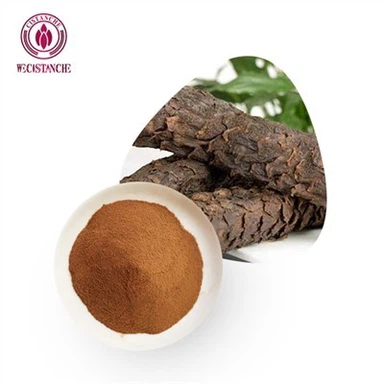
Cistanche can act as an anti-fatigue and stamina enhancer, and experimental studies have shown that the decoction of Cistanche tubulosa could effectively protect the liver hepatocytes and endothelial cells damaged in weight-bearing swimming mice, upregulate the expression of NOS3, and promote hepatic glycogen synthesis, thus exerting anti-fatigue efficacy. Phenylethanoid glycoside-rich Cistanche tubulosa extract could significantly reduce the serum creatine kinase, lactate dehydrogenase, and lactate levels, and increase the hemoglobin (HB) and glucose levels in ICR mice, and this could play an anti-fatigue role by decreasing the muscle damage and delaying the lactic acid enrichment for energy storage in mice. Compound Cistanche Tubulosa Tablets significantly prolonged the weight-bearing swimming time, increased the hepatic glycogen reserve, and decreased the serum urea level after exercise in mice, showing its anti-fatigue effect. The decoction of Cistanchis can improve endurance and accelerate the elimination of fatigue in exercising mice, and can also reduce the elevation of serum creatine kinase after load exercise and keep the ultrastructure of skeletal muscle of mice normal after exercise, which indicates that it has the effects of enhancing physical strength and anti-fatigue. Cistanchis also significantly prolonged the survival time of nitrite-poisoned mice and enhanced the tolerance against hypoxia and fatigue.

Click on chronic fatigue
ADHD comorbidity rate. In this study, 25 of the 30 patients with refractory orofacial pain (83.3%; women: 20) were diagnosed with ADHD. To the best of our knowledge, no previous surveys have investigated the incidence of ADHD in patients with IOP. This study revealed that ADHD occurs frequently in patients with refractory IOP. Therefore, we believe that the results of the present study provide a new perspective on the clinical care of and research on patients with IOP. However, given the specific referral source and small sample size in this study, the rate of ADHD comorbidity in patients with intractable IOP should only be viewed as an indication of the overall trend.
A study of 153 patients with chronic pain, including lower back pain and widespread pain, reported the coexistence of ADHD in 72.5% of the cases. In addition, Young et al. reported that 80% of patients with fibromyalgia had ADHD19. The findings reported in these studies are similar to those of the present study. In contrast, other studies17,21 reported that the incidences of ADHD among patients with fibromyalgia were 25% and 29.5%, respectively, indicating large discrepancies between the studies. There are cases in which the patient does not recognize the symptoms of ADHD; thus, assessments by family members and other third parties are important. However, in a previous survey of ADHD on patients with fibromyalgia, the Wender Utah Rating Scale45 or the Adult ADHD Self-Report Scale-V1.146 was used, and in both cases, only the patient himself/herself was expected to answer the questionnaire. In contrast, the CAARS used in this study instructed the patients and their families to answer the questionnaire. To ensure the accurate clinical assessment of ADHD, it is important to obtain information from multiple sources, and it is preferable to collect information from both self-reports by the patient and observer reports by family members and other third parties29. It is preferable to refer to the findings obtained from family members on the CAARS-O when diagnosing ADHD using the structured interview of the Conners' Adult ADHD Diagnostic Interview for DSM-IV47. Furthermore, in clinical interviews, it is easier to extract information that contributes to the diagnosis by asking the patient questions by referring to the answers to each CAARS question by the patient and his/her family29. Therefore, we believe that it is important to screen for and diagnose ADHD using both the CAARS-S and CAARS-O.
The ADHD subtypes identified in the present study were inattentive (12.0%), hyperactive (8.0%), and combined (80.0%). Although there are no reports on ADHD subtypes in adults in the general population, surveys on children reported the ratio of inattentive: hyperactive-impulsive: combined as 3.5: 1.3: 2.248,49. A study on ADHD subtypes comorbid with fibromyalgia in adults reported that approximately one-third of the cases were inattentive and about two-thirds were combined. Therefore, comorbidities with chronic pain may more likely present in the combined subtype than in other ADHD subtypes. Based on our experience, the characteristic feature of ADHD in patients with IOP is difficulty in continuing with time-consuming treatment; that is, they tend to opt for risky treatments, and on not experiencing improvement immediately, they tend to go from doctor to doctor, displaying impulsive behavior. The symptoms of inattention are being prone to derail and uncoordinated conversations.

Severity as shown by the ADHD scale CAARS score. Among our 25 patients, 16 (64.0%) screened positive for both the CAARS-S/O, 23 (92.0%) screened positive for the CAARS-S or the CAARS-O, and two (8.0%) screened negative for both. Among all patients, only one had been previously diagnosed with ADHD. However, even when using the stricter criteria for a positive result on the CAARS-S and CAARS-O, 64.0% of the patients tested positive for ADHD, indicating that screening for adult ADHD is required when examining and treating patients with refractory IOP.
Except for CAARS-S subscale E for men, both men and women with intractable IOP in this study had significantly higher scores for subscale E (DSM-IV Inattentive Symptoms) and subscale F (DSM-IV Hyperactive-Impulsive Symptoms) on both CAARS-S/O than the standardized sample. Thus, men and women with intractable IOP experienced both inattention and hyperactivity-impulsivity symptoms at a greater intensity than the standardized sample did. This is consistent with the finding that 80% of the patients in this study had combined type ADHD.
In terms of subscale H, both men and women scored significantly higher than the standardized sample on both the CAARS-S/O. The CAARS-O subscale H, that is, the ADHD index, exceeded a T-score of 65 for both men and women; therefore, the ADHD symptoms of patients with refractory IOP from the perspective of the family were considered to be at the level requiring psychiatric treatment.
Comprehensive observation of the eight subscales of the CAARS-S/O indicates that in the CAARS-O, both men and women with intractable IOP scored significantly higher on all eight subscales than the standardized sample. When we examined CAARS-O scores for all 25 patients with IOP (males and females), we found that on all scales except for the F scale, the T-score was >65, and ADHD symptoms in patients with IOP from the perspective of the family were at the clinical psychiatric level.
Effectiveness of treatment. The optimal MCID for the degree of improvement in chronic pain NRS was 33% on average. Among the 20 patients in the present study who underwent pharmacotherapy, pain improved by an average of 47.4%, indicating that the degree of pain improvement exceeded the optimal MCID. The MCID for HADS-A/D is 1.5 points. In the present study, the HADS-A and HADS-D did not show statistically significant differences in the before vs. after treatment comparison; however, HADS-A showed an improvement of 1.6 points and HADS-D showed an improvement of 2 points, indicating that both achieved MCID. The MCID for PCS has been reported to improve by 38%40. In the present study, the PCS of patients who underwent pharmacotherapy improved by 39.5%, indicating that MCID was attained. The above findings suggest that the pharmacotherapies in the present study that utilized ADHD medication and the dopamine system stabilizer APZ are capable of achieving clinically significant improvement in refractory IOP with ADHD and symptoms related to pain such as anxiety and depression.

The pain NRS improvement % of patients with PIDAP was significantly lower than that of those with PIFP. The improvement in pain NRS in the three IOPs could be due to the following reasons: first, PIFP does not require dental procedures to be undertaken, whereas dental procedures in PIDAP tend to make treatment more difficult iatrogenically; this may explain the difference in the improvement between the two groups. Second, the number of patients with PIDAP was small (only three), and although PIDAP in patients No. 5 and 6 showed significant clinical improvement, the patients were unaware of their improvement, which was not reflected in the improvement of their pain NRS scores.
Young reported that chronic pain is associated with ADHD-related attention deficit and that improving attention with ADHD treatments could activate the inhibitory filtering system and improve pain. Stimulants used as ADHD medication have been reported to improve the pain symptoms of fbromyalgia20,52, and ATX improves the cognitive disorder of fbromyalgia known as “fbro-fog”15 and atypical odontalgia53. In addition, ADHD medications (MP and/or ATX) have been reported to improve average pain NRS associated with chronic pain in patients suspected of somatic symptom disorder by 3.5±2.1 points44.
APZ is an atypical antipsychotic that exhibits properties of a partial agonist of Dopamine D2 and serotonin 5-hydroxytryptamine (5-HT) 1A receptors and a potent antagonist of 5-HT 2A receptors, resulting in enhanced dopamine neurotransmission15. Theoretically, low phasic dopamine activity is associated with increased pain through the decreased release of μ-opioids54; therefore, APZ could have improved IOP by activating phasic dopaminergic transmission resulting in the release of μ-opioids.
Clonidine is a partial agonist of noradrenergic α2 receptors, and its action on α2 receptors in the spinal cord and peripheral nerves produces analgesia comparable with or better than that of acetaminophen55. Hence, it has been applied in pain management via intravenous and intrathecal administration in the perioperative period56. However, no previous studies have reported the effects of orally administered clonidine on chronic primary pain, and this is the first report of such a study. Furthermore, α2 receptors are abundantly distributed in the prefrontal cortex, and clonidine is regarded as an ADHD drug, as it can improve inattention and hyperactivity/impulsivity15. Therefore, clonidine is a potential treatment option for patients with IOP comorbid with ADHD, especially those with elevated blood pressure. Patient No. 18 in this study was hypertensive; 300 mg of clonidine improved her BMS, ADHD, and hypertension.
Hypothesis on IOP and ADHD comorbidity and treatment mechanisms. IOP, as with other chronic primary pain syndromes, is caused by central sensitization due to central nervous system dysfunction57. Dopaminergic and prefrontal dysfunction based on ADHD can cause such central sensitization 58. Dopamine plays a central role in pain perception and the descending pain suppression pathways, and reduced dopamine levels may increase pain. ADHD is also assumed to have dopaminergic dysfunction28 and is a vulnerability to chronic pain. The prefrontal cortex is also functionally coupled to the descending pain inhibitory pathways and can act as a virtual filter to reduce unpleasant stimuli, such as pain and itching51,60. The prefrontal cortex performance follows an inverted U-shaped curve concerning dopamine and noradrenaline activation and is maximized when the concentrations of both transmitters are moderate 61. However, since ADHD assumes impaired dopamine and noradrenaline neurotransmission as pathophysiology, this filter does not function adequately, and ADHD is thought to be vulnerable to pain. As shown in this study, ADHD medications and the dopamine system stabilizer may activate the descending inhibitory system and reduce pain by moderately modulating the dopamine and noradrenaline transmission in the reward system and prefrontal cortex.
TCAs are effective in the treatment of IOP9 due to their serotonin and noradrenaline reuptake inhibitory effects15. However, TCAs increase the dopamine and noradrenaline levels in the prefrontal cortex, since there are few dopamine transporters in the prefrontal cortex and there is a reuptake of dopamine by the noradrenaline transporter15. Tus, TCAs can improve ADHD symptoms to the same degree as ADHD medications62. If the higher comorbidity of ADHD and intractable IOP in the present study can be generalized to IOP in general, the following hypotheses can be considered: the effectiveness of TCAs for IOP may be due in part to TCAs improving ADHD comorbid with IOP by improving dopamine and noradrenaline neurotransmission, similar to the ADHD medications and the dopamine system stabilizer used in this study.
This study has two limitations. First, the participants were patients who were referred by a dentist at a tertiary medical center. The participants were special cases in which treatment was difficult even when they underwent specialized treatment, and the sample size was small; therefore, caution is required when attempting to apply the results of this study to patients with IOP treated at general dental clinics. Second, the therapeutic effect in the present study cannot be attributed simplistically to the ADHD medication or APZ. Because the participants in this study were often taking antidepressants and analgesics, there is a possibility that the interaction of these drugs with ADHD treatments and APZ provided improvement. Therefore, care should be taken when interpreting the results of this study.
Conclusions
This study reported on persistent IOP with ADHD comorbidity. However as mentioned above, it has been reported that ADHD is also associated with chronic primary pain such as fibromyalgia, migraine, and chronic back pain. Further, chronic primary pain is associated with extreme emotional distress, such as anxiety, depression, and anger/frustration, and is also associated with functional disabilities in activities of daily living and decreased participation in social roles. The neurocognitive traits of ADHD may be responsible for these emotional disorders and dysfunction in activities of daily living.

In the future, when examining and treating fibromyalgia, migraine, chronic low back pain, IOP, and other types of chronic primary pain, ADHD screening should be conducted, and effective pharmacotherapies should be considered, provided the patient satisfies the diagnostic criteria. There remains a need to further study the relationship between chronic pain and ADHD by conducting surveys in more common clinical settings and controlled interventional studies.
Data availability
The datasets used and/or analyzed during the current study are available from the corresponding author upon reasonable request.
References
1. International Classification of Orofacial Pain: 1st edition (ICOP). Cephalalgia. 40, 129–221 (2020).
2. Imamura, Y. et al. An updated review on pathophysiology and management of burning mouth syndrome with endocrinological, psychological, and neuropathic perspectives. J. Oral Rehabil. 46, 574–587 (2019).
3. Benoliel, R. & Gaul, C. Persistent idiopathic facial pain. Cephalalgia 37, 680–691 (2017).
4. Malacarne, A., Spierings, E. L. H., Lu, C. & Maloney, G. E. Persistent dentoalveolar pain disorder: A comprehensive review. J. Endod. 44, 206–211 (2018).
5. Tan, H. L., Smith, J. G., Hofmann, J. & Renton, T. A systematic review of treatment for patients with burning mouth syndrome. Cephalalgia 42, 128–161 (2022).
6. Mueller, D. et al. Prevalence of trigeminal neuralgia and persistent idiopathic facial pain: A population-based study. Cephalalgia 31, 1542–1548 (2011).
7. Wu, S. et al. Worldwide prevalence estimates of burning mouth syndrome: A systematic review and meta-analysis. Oral Dis. 5, 1431–1440 (2021).
8. Taiminen, T. et al. Psychiatric (axis I) and personality (axis II) disorders in patients with burning mouth syndrome or atypical facial pain. Scand. J. Pain 2, 155–160 (2011).
9. Feinmann, C. & Harris, M. Psychogenic facial pain. Part 2: Management and prognosis. Br. Dent. J. 156, 205–208 (1984).
10. McMillan, R. et al. Interventions for treating burning mouth syndrome. Cochrane Database Syst. Rev. 11, CD002779 (2016).
11. Sardella, A. et al. Burning mouth syndrome: A retrospective study investigating spontaneous remission and response to treatments. Oral Dis. 12, 152–155 (2006).
12. Ziegeler, C., Beikler, T., Gosau, M. & May, A. Idiopathic facial pain syndromes–An overview and clinical implications. Dtsch. Arztebl. Int. 118, 81–87 (2021).
13. Forssell, H., Jääskeläinen, S., List, T., Svensson, P. & Baad-Hansen, L. An update on pathophysiological mechanisms related to idiopathic oro-facial pain conditions with implications for management. J. Oral Rehabil. 42, 300–322 (2015).
14. American Psychiatric Association: Section II: Diagnostic Criteria and Codes. Diagnostic and Statistical Manual of Mental Disorders. 5th ed. (American Psychiatric Association, 2013).
15. Stahl, S.M. Stahl’s Essential Psychopharmacology: Neuroscientific Basis and Practical Applications. 4th ed. 129–502 (Cambridge University Press, 2013).
16. Ghanizadeh, A. Systematic review of clinical trials of aripiprazole for treating attention deficit hyperactivity disorder. Neurosciences (Riyadh) 18, 323–329 (2013).
17. Derksen, M. T., Vreeling, M. J. W. & Tchetverikov, I. High frequency of adult attention deficit hyperactivity disorder among fibromyalgia patients in the Netherlands: Should a systematic collaboration between rheumatologists and psychiatrists be sought? Clin. Exp. Rheumatol. 33(1 Suppl 88), S141 (2015).
18. Reyero, F. et al. High frequency of childhood ADHD history in women with fibromyalgia. Eur. Psychiatry. 26, 482–483 (2011).
19. Young, J.L., Redmond, J.C. ADHD, and fibromyalgia: related conditions? in Fibromyalgia: The Complete Guide from Medical Experts and Patients (ed. Ostalecki, S.) 165–177 (Jones and Bartlett, 2007).
20. Young, J. L. & Redmond, J. C. Fibromyalgia, chronic fatigue, and adult attention deficit hyperactivity disorder in the adult: A case study. Psychopharmacol. Bull. 40, 118–126 (2007).
21. Yilmaz, E. & Tamam, L. Attention-deficit hyperactivity disorder and impulsivity in female patients with fibromyalgia. Neuropsychiatr. Dis. Treat. 14, 1883–1889 (2018).
22. Kasahara, S., Matsudaira, K., Sato, N. & Niwa, S. I. Pain, and attention-deficit/hyperactivity disorder: The case of Margaret Mitchell. Psychosom. Med. 83, 492–493 (2021).
23. Salem, H. et al. ADHD is associated with migraine: A systematic review and meta-analysis. Eur. Child Adolesc. Psychiatry. 27, 267–277 (2018).
24. Kasahara, S. et al. High attention-deficit/hyperactivity disorder scale scores among patients with persistent chronic nonspecific low back pain. Pain Phys. 24, E299–E307 (2021).
25. Kasahara, S., Matsudaira, K., Sato, N. & Niwa, S. I. Attention-deficit/hyperactivity disorder and centralized pain: A review of the case of John F. Kennedy. Clin. Case Rep. 10, e6422 (2022).

26. International Association for the Study of Pain: Revision of the International Classification of Diseases (ICD-11).
27. Jacob, C. et al. Internalizing and externalizing behavior in adult ADHD. Attend. Dec. Hyperactive. Disord. 6, 101–110 (2014).
28. Swanson, J. M. et al. Etiologic subtypes of attention-deficit/hyperactivity disorder: Brain imaging, molecular genetic and environmental factors, and the dopamine hypothesis. Neuropsychol. Rev. 17, 39–59 (2007).
29. Conners, C. K., Erhardt, D. & Sparrow, E. P. Conners' Adult ADHD Rating Scale (CAARS) Technical Manual (North Tonawanda, 1999).
30. Nakamura, K. Conners' Adult ADHD Rating Scales Japanese Version [in Japanese] (ed. Conners, C. K., Erhardt, D. & Sparrow, E.) (Kanekoshobo, 2012)
31. Kooij, J.J., & Francken, M.H. Diagnostic Interview for ADHD in Adults 2.0 (DIVA 2.0). (DIVA Foundation, 2010).
32. Jensen, M.P., Karoly, P. Self-report scales and procedures for assessing pain in adults. in Handbook of Pain Assessment (ed. Turk, D.C., Melzack, R.). 3rd ed. 19–41 (Guilford Press, 2011).
33. Salaf, F., Stancati, A., Silvestri, C. A., Ciapetti, A. & Grassi, W. Minimal clinically important changes in chronic musculoskeletal pain intensity measured on a numerical rating scale. Eur. J. Pain. 8, 283–291 (2004).
34. Zigmond, A. S. & Snaith, R. P. The hospital anxiety and depression scale. Acta Psychiatr. Scand. 67, 361–370 (1983).
35. Bjelland, I., Dahl, A. A., Haug, T. T. & Neckelmann, D. Te validity of the hospital anxiety and depression scale. An updated literature review. J. Psychosom. Res. 52, 69–77 (2002).
36. Puhan, M. A., Frey, M., Büchi, S. & Schünemann, H. J. The minimal important difference of the hospital anxiety and depression scale in patients with chronic obstructive pulmonary disease. Health Qual. Life Outcomes. 6, 46 (2008).
37. Sullivan, M. J. L., Bishop, S. R. & Pivik, J. Te Pain Catastrophizing Scale: Development and validation. Psychol. Assess. 7, 524–532 (1995).
38. Sullivan, M. J. et al. Theoretical perspectives on the relation between catastrophizing and pain. Clin. J. Pain. 17, 2–64 (2001).
39. Sullivan, M. Te Pain Catastrophizing Scale: User Manual. 1–36 (McGill University, 2009).
40. Scott, W., Wideman, T. H. & Sullivan, M. J. L. Clinically meaningful scores on pain catastrophizing before and after multidisciplinary rehabilitation: A prospective study of individuals with subacute pain after whiplash injury. Clin. J. Pain. 30, 183–190 (2014).
41. Kasahara, S. et al. Four cases of chronic pain improved dramatically following low-dose aripiprazole administration. Prim. Care Companion CNS Disord. 13, PCC.10l01078 (2011).
42. Tu, T. T. H. et al. Pharmacotherapeutic outcomes in atypical odontalgia: Determinants of pain relief. J. Pain Res. 12, 831–839 (2019).
43. Watanabe, M. et al. The effectiveness and adverse events of amitriptyline and aripiprazole in very elderly patients with BMS. Front Pain Res. (Lausanne) 3, 809207 (2022).
44. Kasahara, S. et al. Attention-deficit/hyperactivity disorder and chronic pain. Psychosom. Med. 82, 346–347 (2020).
45. Ward, M. F., Wender, P. H. & Reimherr, F. W. Te Wender Utah Rating Scale: An aid in the retrospective diagnosis of childhood attention deficit hyperactivity disorder. Am. J. Psychiatry. 150, 885–890 (1993).
46. Kessler, R. C. et al. The World Health Organization Adult ADHD Self-Report Scale (ASRS): A short screening scale for use in the general population. Psychol. Med. 35, 245–256 (2005).
47. Epstein, J. N., Johnson, D. & Conners, C. K. Conners' Adult ADHD Diagnostic Interview for DSM IV (Multi-Health Systems Inc, 1999).
48. Dupuy, F. E., Barry, R. J., Clarke, A. R., McCarthy, R. & Selikowitz, M. Sex differences between the combined and inattentive types of attention-deficit/hyperactivity disorder: An EEG perspective. Int. J. Psychophysiol. 89, 320–327 (2013).
49. Willcutt, E. G. The prevalence of DSM-IV attention-deficit/hyperactivity disorder: A meta-analytic review. Neurotherapeutics 9, 490–499 (2012).
50. Pallanti, S., Porta, F. & Salerno, L. Adult attention deficit hyperactivity disorder in patients with fibromyalgia syndrome: Assessment and disabilities. J. Psychiatr. Res. 136, 537–542 (2021).
51. Young, J. L. Chronic fatigue syndrome: 3 cases and a discussion of the natural history of attention-deficit/hyperactivity disorder. Postgrad. Med. 125, 162–168 (2013).
52. Krause, K. H., Krause, J., Magyarosy, I., Ernst, E. & Pongratz, D. Fibromyalgia syndrome and attention deficit hyperactivity disorder: Is there comorbidity and are there consequences for the therapy of fibromyalgia syndrome?. J. Musculoskelet. Pain. 6, 111–116 (1998).
53. Kasahara, S. et al. Case report: Treatment of persistent atypical odontalgia with attention deficit hyperactivity disorder and autism spectrum disorder with risperidone and atomoxetine. Front. Pain Res. (Lausanne) 3, 926946 (2022).
54. Leknes, S. & Tracey, I. A common neurobiology for pain and pleasure. Nat. Rev. Neurosci. 9, 314–320 (2008).
55. Blaudszun, G., Lysakowski, C., Elia, N. & Tramèr, M. R. Effect of perioperative systemic α2 agonists on postoperative morphine consumption and pain intensity: Systematic review and meta-analysis of randomized controlled trials. Anesthesiology 116, 1312–1322 (2012).
56. Neil, M. J. Clonidine: Clinical pharmacology and therapeutic use in pain management. Curr. Clin. Pharmacol. 6, 280–287 (2011).
57. Terumitsu, M., Takado, Y., Fukuda, K. I., Kato, E. & Tanaka, S. Neurometabolite levels and relevance to central sensitization in chronic orofacial pain patients: A magnetic resonance spectroscopy study. J. Pain Res. 15, 1421–1432 (2022).
58. Ibrahim, M. E. & Hefny, M. A. Central sensitization and adult attention deficit hyperactivity disorder in medical students with chronic back pain: A cross-sectional study. Egypt Rheumatol. Rehabil. 49, 24 (2022).
59. Wood, P. B. Role of central dopamine in pain and analgesia. Exp. Rev. Neurother. 8, 781–797 (2008).
60. Matsuo, Y. et al. Attenuation of cortical activity triggering descending pain inhibition in chronic low back pain patients: A functional magnetic resonance imaging study. J. Anesth. 31, 523–530 (2017).
61. Sikström, S. & Söderlund, G. Stimulus-dependent dopamine release in attention-deficit/hyperactivity disorder. Psychol. Rev. 114, 1047–1075 (2007).
62. Banaschewski, T., Roessner, V., Dittmann, R. W., Santosh, P. J. & Rothenberger, A. Non-stimulant medications in the treatment of ADHD. Eur. Child Adolesc. Psychiatry. 13, I102–I116 (2004).
Acknowledgments
We would like to thank Editage (https://www.editage.com) for English language editing.
Author contributions
S.K., S.N., K.M., and A.T. conceived the work and interpreted the data. T.Y., Y.K., and A.T. recruited the patients. S.K. and N.S. collected the data. S.K. managed the data. S.K., K.T., K.F., and A.T., drafted the manuscript. S.K., S.N., and K.U. prepared the final manuscript. All the authors read and approved the final manuscript.
Funding
This work was supported by the Japan Society for the Promotion of Science KAKENHI [grant number: JP20K07755]. The funder had no role in the design of the study or collection, analysis, or interpretation of data or in writing the manuscript.
Competing interests
The authors declare no competing interests.
Additional information
Correspondence and requests for materials should be addressed to S.K.
Publisher's note Springer Nature remains neutral about jurisdictional claims in published maps and institutional afliations.
Open Access This article is licensed under a Creative Commons Attribution 4.0 International License, which permits use, sharing, adaptation, distribution, and reproduction in any medium or format, as long as you give appropriate credit to the original author(s) and the source, provide a link to the Creative Commons license, and indicate if changes were made. The images or other third-party material in this article are included in the article's Creative Commons license unless indicated otherwise in a credit line to the material. If material is not included in the article's Creative Commons license and your intended use is not permitted by statutory regulation or exceeds the permitted use, you will need to obtain permission directly from the copyright holder.
【Contact】Email: george.deng@wecistanche.com / WhatsApp:008613632399501/Wechat:13632399501