Do You Know How Harmful It Is To Use Laxatives To Treat Constipation?
Sep 21, 2023
Constipation is a digestive tract disease characterized by dry and hard stools and reduced defecation frequency due to various factors. The main manifestations are abnormal defecation, including dry and hard stools, reduced defecation frequency, and labored defecation. Long-term constipation may also cause complications such as anal fissures, colitis, and hemorrhoids. Some people have tried all kinds of ways to relieve constipation!
Many constipation patients take medicine indiscriminately when they are ill. They go to pharmacies to buy and take it on their own after hearing that a certain medicine or health product can relieve constipation. Some people take laxative medicine for a long time to lose weight or beautify their skin.
Many drugs can be used to treat constipation, but most of them are not suitable for patients with chronic constipation, nor are they suitable for long-term use. Everyone remember: "Do not use laxatives indiscriminately. Abuse of laxatives can lead to serious consequences!"
What are laxatives?
Laxatives are drugs that can increase intestinal water, promote peristalsis, soften stool, or lubricate the intestines to facilitate defecation. Laxatives are often dependent on people. As time goes by, the dosage becomes larger and larger, and the efficacy of the medicine becomes worse and worse. Commonly used laxatives include stimulant laxatives, lubricating laxatives, and volumetric laxatives.
Stimulant laxatives such as castor oil, rhubarb, and senna can degenerate intestinal ganglion cells and aggravate constipation. Liquid paraffin in lubricating laxatives is absorbed into the bloodstream and may cause systemic lipogranuloma.
Volumetric laxatives are some salts that are not absorbed by the intestinal wall. After taking them, they form a hypertonic salt state in the intestines, which can preserve the water in the intestinal cavity, increase the volume of intestinal contents, and easily cause dependence, so patients with constipation Especially the elderly should stop taking laxatives.
What are stimulant laxatives?
Stimulant laxatives mainly include traditional Chinese medicine senna, rhubarb, aloe vera, and western medicine phenolphthalein tablets (Guodao tablets), bisacodyl (fecal stop), pyridoxine sodium, castor oil, etc. These drugs can irritate the intestinal wall, Increase intestinal peristalsis, and promote defecation, mainly used for temporary defecation. It should be noted that stimulant laxatives should not be used for more than 1 week.
Dangers of long-term use of stimulant laxatives
Aggravating constipation and making matters worse
Laxatives will cause water loss in the intestines. Long-term use will lead to insufficient intestinal secretion and make stool more difficult to pass. In addition, long-term use of laxatives will lead to intestinal dependence intestinal peristalsis cannot be achieved without laxatives, and even functional lesions may develop into organic constipation that is difficult to treat.

melanosis of the colon
Almost all stimulant laxatives contain "anthraquinone compounds". Excessive intake will irritate the intestinal wall. After a series of chemical reactions and the process of cell necrosis and phagocytosis, pigmentation will be formed, turning the intestinal surface black and black. Get sick. This change may increase the risk of colon cancer.
What should you pay attention to when it comes to constipation?
Patients with chronic constipation should receive systematic treatment under the guidance of a doctor, and at the same time pay attention to regulating their daily diet.
Stop abusing laxatives. If you cannot stop immediately, you can gradually reduce the dosage or replace it with other treatment methods until you stop and get rid of dependence. During this process, you can seek help from a doctor and never abuse laxatives again!
Establish good defecation habits, defecate regularly every day, and go to the toilet to try defecation even if you don’t feel like it so that you can gradually develop a habit.
Ensure adequate daily drinking of water, moderate exercise, and increase dietary fiber intake.
Keep a good attitude and don't pay too much attention.

To improve constipation, do the following:
1. Improve your toilet habits and try to go to the toilet after breakfast, because colon peristalsis is more active during this period and it is easier to defecate. Therefore, you should insist on going to the toilet regardless of whether you want to defecate or not, to form feedback of the biological clock of defecation; do not read newspapers or books during defecation. , Playing with mobile phones will distract attention, prolong defecation time, and aggravate constipation.
Warm reminder: When defecating, if a constipated person squats to defecate, it will be more conducive to the body to form an optimal defecation angle than sitting on the toilet. When sitting on the toilet for convenience, you can raise your feet to promote defecation.
2. Eat more vegetables and grains. Eat more grains (oats, corn), vegetables (celery, leeks), and foods that moisturize and relieve constipation (honey, sesame seeds, walnuts, yogurt).
3. Strengthen exercise. Some people are constipated because they sit for long periods and lack exercise. If constipation occurs, it is recommended to increase exercise, which can speed up intestinal peristalsis and relieve constipation.
4. Maintain a regular life. A regular life requires not only regular sleep and a regular diet but also regular defecation.
5. Replenish water in time. Do not wait until you are thirsty to drink water. At this time, the body is already in a state of water shortage, and severe water shortage will aggravate constipation. It is recommended that everyone drink water in small amounts and frequently.
Therefore, when choosing a laxative product, you must read the instructions carefully to make sure that the formula ingredients of the product contain laxatives to avoid long-term use that may harm your health.
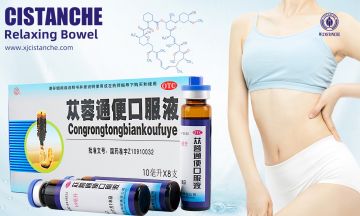
Natural Herbal Medicine For Relieving Constipation-Cistanche
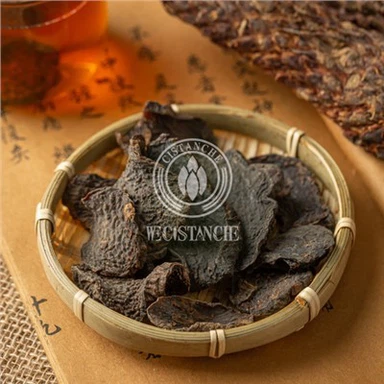
Cistanche is a genus of parasitic plants that belongs to the family Orobanchaceae. These plants are known for their medicinal properties and have been used in Traditional Chinese Medicine (TCM) for centuries. Cistanche species are predominantly found in arid and desert regions of China, Mongolia, and other parts of Central Asia. Cistanche plants are characterized by their fleshy, yellowish stems and are highly valued for their potential health benefits. In TCM, Cistanche is believed to have tonic properties and is commonly used to nourish the kidney, enhance vitality, and support sexual function. It is also used to address issues related to aging, fatigue, and overall well-being. While Cistanche has a long history of use in traditional medicine, scientific research on its efficacy and safety is ongoing and limited. However, it is known to contain various bioactive compounds such as phenylethanoid glycosides, iridoids, lignans, and polysaccharides, which may contribute to its medicinal effects.

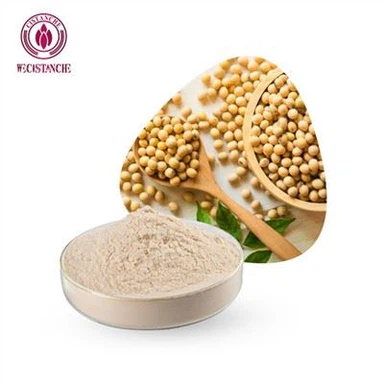
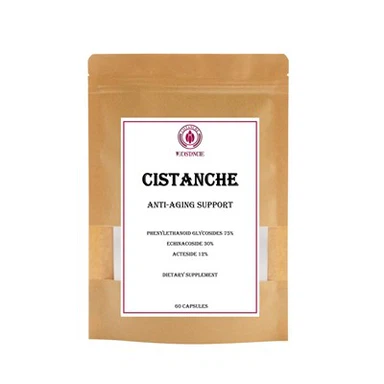
Wecistanche's cistanche powder, cistanche tablets, cistanche capsules, and other products are developed using desert cistanche as raw materials, all of which have a good effect on relieving constipation. The specific mechanism is as follows: Cistanche is believed to have potential benefits for relieving constipation based on its traditional use and certain compounds it contains. While scientific research specifically on Cistanche's effect on constipation is limited, it is thought to have multiple mechanisms that may contribute to its potential to relieve constipation. Laxative Effect: Cistanche has long been used in Traditional Chinese Medicine as a remedy for constipation. It is believed to have a mild laxative effect, which can help promote bowel movements and induce constipation. This effect may be attributed to various compounds found in Cistanche, such as phenylethanoid glycosides and polysaccharides. Moistening the Intestines: Based on traditional use, Cistanche is considered to have moisturizing properties, specifically targeting the Intestines. Promoting hydration and lubrication of the Intestines, it may help soften tools and facilitate easier passage, thereby relieving constipation. Anti-inflammatory Effect: Constipation can sometimes be associated with inflammation in the digestive tract. Cistanche contains certain compounds, including phenylethanoid glycosides and lignans, that are believed to have anti-inflammatory properties. By reducing inflammation in the intestines, it may help improve bowel movement regularity and relieve constipation.