Do You Know Juvenile Parkinson's Disease?
Mar 01, 2022
Contact: Audrey Hu audrey.hu@wecistanche.com
When it comes to Parkinson's disease, many people think that it is a disease that only the elderly can get. However, in the classification of Parkinson's disease, there is a group of people with onset in adolescence, which we call "juvenile Parkinson's disease". The "First Batch of Rare Diseases List" jointly formulated by the State Food and Drug Administration, the State Administration of Traditional Chinese Medicine and other five ministries and commissions was officially released, of which Parkinson's disease (young-onset, early-onset) was included.
Juvenile Parkinson's disease refers to Parkinson's disease with onset age less than or equal to 40 years old (some literature sets the upper limit as 50 years old), also known as early-onset Parkinson's disease EOPD. Juvenile Parkinson's disease (JP) is diagnosed before the age of 21, and juvenile Parkinson's disease (YOPD) is diagnosed after the age of 21.
Epidemiology
Juvenile Parkinson's disease is rare, and its incidence accounts for 5% to 10% of Parkinson's patients, about 5% in European and American countries, and about 10% in Japan. Similar to late-onset Parkinson's disease, the incidence increases with age.
Juvenile Parkinson's disease has a clear genetic susceptibility and family aggregation, and its positive family history is more than that of late-onset Parkinson's patients, suggesting that genetic factors play an important role.
The relationship between environmental factors and early-onset Parkinson's disease is still controversial. Some studies have found that patients with early-onset Parkinson's disease have a higher proportion of history of brain trauma and a lower proportion of patients with exercise habits than patients with late-onset Parkinson's disease.
Motor Symptoms
The initial symptoms of juvenile Parkinson's disease are not typical, and rigidity and bradykinesia are more common. Some patients with early-onset Parkinson's disease have a more specific form, especially juvenile-onset parkinsonism, which can develop in the form of dystonia, especially foot dystonia.
The symptoms of juvenile-onset Parkinson's disease and late-onset Parkinson's disease are basically similar and are mainly characterized by the triad of tremor, rigidity, and bradykinesia. The disease progresses slowly and responds well to drugs, but motor complications, such as dyskinesia and the "switching" phenomenon, can occur at an early stage.
Non-motor symptoms
The cognitive retention of juvenile Parkinson's disease is relatively intact, the cognitive decline appears later, and the emotional and behavioral disorders are more obvious. Mood disorders are mainly manifested as depression, anxiety, irritability, etc., which have a greater impact on the patient's work, marriage, interpersonal communication, and economy. Behavioral disorders mainly include a compulsive increase in drug dosage, not only limited to anti-Parkinsonian drugs, and the withdrawal effect is obvious; gluttony, gambling, compulsive shopping, hypersexuality and other impulse control disorders; stereotyped actions and so on.
In terms of sleep, studies have found that patients with juvenile-onset Parkinson's disease are less affected by sleep, including more dreams and daytime sleepiness than patients with late-onset Parkinson's disease.
A number of different studies on juvenile-onset and late-onset Parkinson's disease in terms of autonomic dysfunction (usually manifested as constipation, frequent urgency, hypotension, increased sweating, etc.) have reached opposite conclusions. Some studies suggest that juvenile salivation, constipation, etc. are more common, while some think that the autonomic nerve involvement is less.
Gene
The gene mutation of juvenile-onset Parkinson's disease is more common in late-onset, especially in juvenile-onset Parkinson's syndrome. There are differences in performance between different gene mutations.
Pathology
The pathological and functional imaging features of juvenile-onset Parkinson's disease are similar to those of late-onset disease, confirming that they are the same disease. But in juvenile Parkinson's syndrome, the typical Lewy bodies in Parkinson's disease disappear.
Juvenile Parkinson's Syndrome
Juvenile Parkinson's syndrome is pathologically different from classic Parkinson's, and classic Lewy body deposition is not seen.
Juvenile Parkinson's syndrome familial aggregation tendency is more common, and the genetic relationship is more clear, and there are more gene mutations, mainly the parkin gene, which is often autosomal recessive. Dystonia, especially plantar dystonia, is more common. The response to dopamine is more pronounced. Fluctuations in symptoms can occur, with severe symptoms during the day and milder symptoms at night.
For juvenile Parkinson's syndrome, it needs to be further differentiated from other diseases, such as dopamine-responsive dystonia, hepatolenticular degeneration, early-onset chorea, spinocerebellar ataxia, secondary to drugs or infections, etc. Parkinson's syndrome.
Treatment
In terms of treatment, the patient's progress is slow, the drug efficacy is good, and motor complications are prone to occur. Therefore, it is recommended to use non-dopaminergic drugs for treatment first, such as monoamine oxidase inhibitors and amantadine. If the tremor is the main manifestation, antans can also be used, which requires attention to cognitive impairment. If symptoms are not controlled, dopamine agonists (DR-A) can be used. If still out of control, use Medopa.

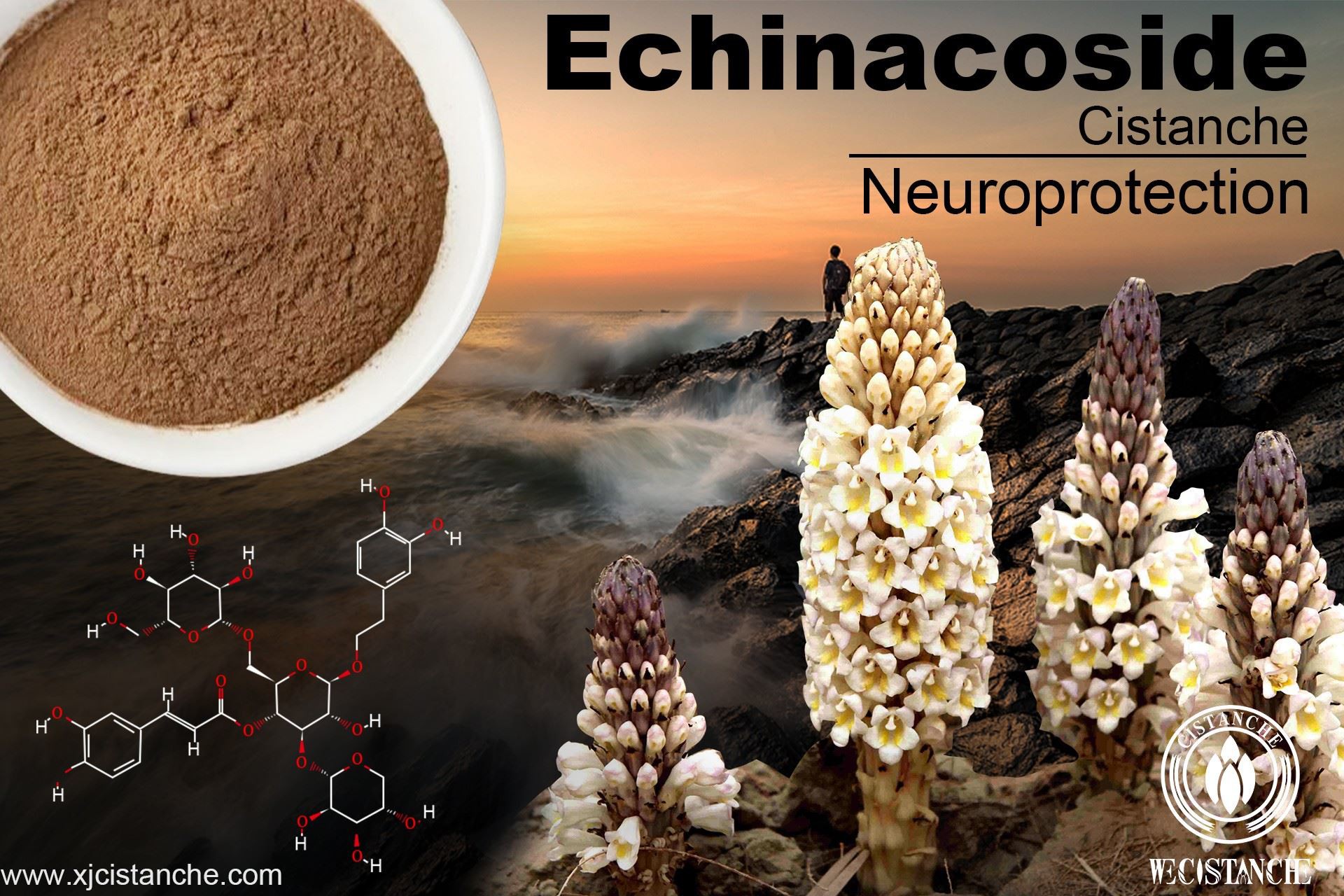
Parkinson's disease patients should have a correct understanding of the disease, achieve early detection, early diagnosis, and receive standardized treatment, not only pay attention to the disease, but also reduce the psychological burden, manage scientifically, and achieve a quality life. Parkinson's disease patients can also learn more about and eat anti-Parkinson's disease foods and herbs such as cistanche. Cistanche is a medicinal herb that grows in the desert. It contains a large amount of Cistanche glycosides which has a very good protective effect on the cranial nerves. Modern pharmacological studies have confirmed that phenylethanoid glycoside in cistanche can reduce apoptosis, and echinacoside in cistanche can reduce the levels of biliverdin and reductase B, and effectively increase the content of dopamine and homovanillic acid. Therefore, Cistanche has a very good effect on Parkinson's disease.