Drugs Commonly Used in Nephrology But With Potential Nephrotoxicity
Jul 22, 2024
Drug-related kidney injury (DKI) refers to new kidney damage caused by medication, or aggravation of existing kidney damage.
The following situations are considered DKI: (1) New kidney damage after starting medication; (2) Improvement of kidney damage or cessation of kidney damage progression after withdrawal of medication, and all other causes can be ruled out.

Click to Cistanche for kidney disease
Classification of DKI
DKI is divided into four types according to the site of kidney damage:
Glomerular damage;
Tubule damage;
Interstitial damage;
Vascular damage.
And according to the pathogenesis, DKI is also divided into four categories:
Toxic kidney damage (direct toxicity);
Acute interstitial nephritis (AIN) caused by sensitization (hypersensitivity and direct toxicity);
Indirect toxicity, such as electrolyte imbalance and decreased renal blood flow;
Urinary tract obstruction.
In 2022, Clinical Journal of the American Society of Nephrology published a review by American scholars [1], which divided the mechanisms of drug-induced acute kidney injury (AKI) into three categories: tubular injury, acute interstitial nephritis (AIN), and crystalline nephropathy. This is basically consistent with the classification of previously published guidelines.
However, in addition to the above three mechanisms that cause AKI, some drugs may affect hemodynamics, leading to increased blood creatinine or abnormal blood creatinine test results, but long-term observation has found that there is no effect on renal function. This situation is called pseudo-AKI.
Certain drugs for the treatment of kidney disease, or some commonly used drugs in nephrology, may also cause kidney damage if used improperly. This article takes stock of kidney disease drugs with potential kidney damage.

First, we will introduce drugs that cause kidney damage due to their effects on hemodynamics. These drugs can cause hemodynamic changes, redistribute renal cortical and medullary blood flow, and cause the glomerular feedback system to malfunction, leading to medullary ischemia and kidney damage.
For example, diuretics, RASi, cyclosporine, SGLT2i, and other common drugs in nephrology.
Diuretics
Diuretics are a class of drugs that increase urine excretion by inhibiting the reabsorption of water and electrolytes by the renal tubules. According to the site of action and mechanism, they can be divided into loop diuretics, thiazide diuretics, potassium-sparing diuretics, osmotic diuretics, carbonic anhydrase inhibitors, and the like.
As a commonly used clinical drug, diuretics are widely used in diseases such as water and sodium retention, hypertension, and cerebral edema caused by various reasons. In particular, loop diuretics with significant diuretic effects have been widely used to prevent and treat acute kidney injury (AKI) caused by various reasons.
More and more studies believe that a good response to diuretics in AKI is only a sign of mild renal damage, rather than a sign that diuretics can reverse the progression of the disease and improve the prognosis. More reliable clinical studies have confirmed that although loop diuretics can reduce volume load, they have no positive effect on the occurrence of AKI and the prognosis of renal function, and may even have adverse effects.
RASi
Renin-angiotensin inhibitors (RASi) include angiotensin-converting enzyme inhibitors (ACEI) and angiotensin receptor blockers (ARB).
RASi has a dilating effect on both afferent and efferent arterioles, but the dilating effect on the efferent arterioles is greater than that on the afferent arterioles (the afferent arterioles are relatively contracted), and the dilation of the efferent arterioles will cause a sudden decrease in the patient's renal blood flow, which can easily lead to a decrease in the glomerular filtration rate (eGFR) and an increase in creatinine.
When there are risk factors such as advanced age, combined use of other medications (such as combined non-steroidal anti-inflammatory drugs, diuretics, etc.), low perfusion state (such as renal artery stenosis, reduced effective circulating blood volume, congestive heart failure, cirrhosis, etc.), and nephrotic syndrome, it is more likely to increase blood creatinine.
The increase in blood creatinine caused by RASi is mostly transient. When the above combined factors are corrected, blood creatinine can mostly return to the previous level. Current guidelines recommend that RASi can be continued if the increase in serum creatinine does not exceed 30% of the baseline value within 2 weeks after the first use or dose increase. If the serum creatinine increases by ≥30%, the drug should be discontinued and the cause should be screened. It can be continued when the cause is eliminated.

A secondary analysis of the ADVANCE study suggests that even for diabetic patients with serum creatinine increasing by more than 30%, the long-term benefits of maintaining RASi treatment still outweigh the risks. The researchers believe that clinicians should be cautious about interrupting RASi treatment, and some discontinuations may be unnecessary [2].
On August 17, 2022, a research team from the Chinese University of Hong Kong published a real-world study in the Lancet, which also confirmed that discontinuation of ACEI/ARB is not conducive to the final prognosis of patients with advanced CKD and T2D [3].
In summary, RASi can reduce urine protein, delay CKD progression, and reduce the occurrence of cardiovascular events, which is beneficial to the patient's final prognosis. The increase in serum creatinine caused by it is also called pseudo-AKI.
SGLT2i
Sodium-glucose co-transporter 2 inhibitors (SGLT2i) selectively inhibit SGLT2 (sodium-glucose co-transporter 2) on the proximal renal tubules, reduce glucose reabsorption, excrete excess sugar, and achieve a hypoglycemic effect. In addition to the hypoglycemic effect, this type of drug can also significantly reduce cardiovascular risk and kidney disease risk, providing comprehensive benefits.
SGLT2i acts on the proximal renal tubules, reduces Na+ reabsorption, causes an increase in Na+ in the distal renal tubular fluid, stimulates the macula densa to send signals, activates granular cells to release renin, activates RAS, increases angiotensin II concentration, and causes the over-expansion of the afferent arterioles due to high sugar and high filtration to contract, reduces the "three highs" (high filtration, high pressure, and high perfusion) changes in the local kidney, and reduces glomerular damage. Long-term use has a protective effect on the glomeruli.
However, because it causes the afferent arterioles to contract, glomerular perfusion decreases, reduces the glomerular filtration rate, and increases blood creatinine.
The increase in serum creatinine caused by SGLT2i is also transient, generally occurring within 2 to 4 weeks after medication, and then gradually recovers on its own. At week 24, the glomerular filtration rate is close to or higher than the baseline value, and remains stable until week 102 [4]. The resulting decrease in eGFR is also called pseudo-AKI.
Similar to ACEI/ARB, SGLT2i reduces the burden on the kidneys and protects renal function by actively reducing the glomerular filtration rate. At the same time, it repairs tubuloglomerular feedback (TGF) and delays the sclerosis of the glomeruli [5]. Long-term use can reduce urine protein, delay renal damage, and protect renal function.
Cyclosporine
Cyclosporine is a cellular immunosuppressant, mostly used for the treatment of chronic glomerulonephritis, autoimmune nephritis, and anti-rejection after renal transplantation.
However, cyclosporine can cause constriction of the afferent and efferent arterioles, reducing renal blood flow and GFR.
The exact mechanism of cyclosporine-induced vasoconstriction is still unclear. It may be that the function of endothelial cells is severely damaged, resulting in a decrease in the production of vasodilator factors such as prostaglandins and nitric oxide, and an increase in the release of vasoconstrictor factors such as endothelin and thromboxane, vasoconstriction, and tissue fiber sclerosis.
Renal biopsy of patients taking cyclosporine revealed occlusive arteriole disease, ischemic collapse or scarring of glomeruli, tubular cavitation, complete and focal segmental glomerular sclerosis, and focal tubular atrophy and interstitial fibrosis.
The current mainstream view is that there are two core mechanisms leading to these lesions: one is that calcineurin is inhibited, leading to vasoconstriction, causing tubular cavitation and renal tissue ischemia; the other is that transforming growth factor (TGF-β) stimulated by cyclosporine leads to tissue fibrosis and sclerosis.
Summary
Drugs are double-edged swords. Proper use can eliminate diseases, while improper use can cause diseases. Therefore, a clear diagnosis must be made before taking the drug, the indications must be strictly mastered, and contraindications must be avoided as much as possible.
How Does Cistanche Treat Kidney Disease?
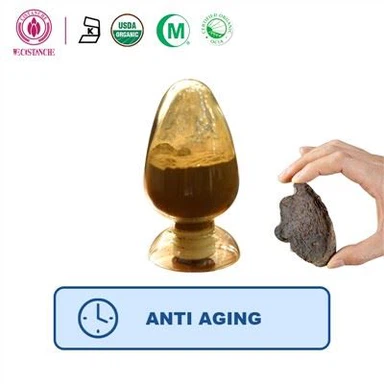
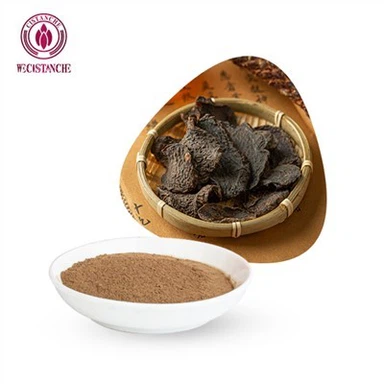
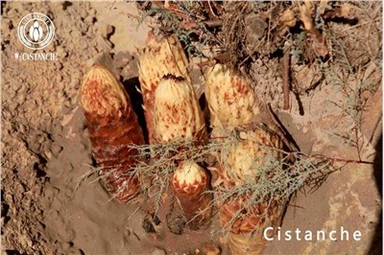
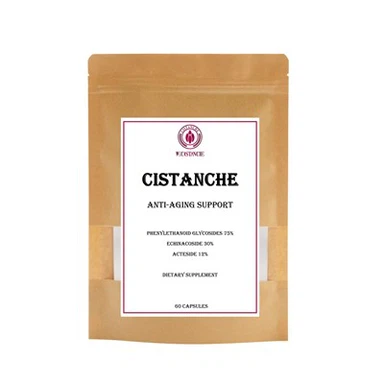
Cistanche is a traditional Chinese herbal medicine used for centuries to treat various health conditions, including kidney disease. It is derived from the dried stems of Cistanche deserticola, a plant native to the deserts of China and Mongolia. The main active components of cistanche are phenylethanoid glycosides, echinacoside, and acteoside, which have been found to have beneficial effects on kidney health.
Kidney disease, also known as renal disease, refers to a condition in which the kidneys are not functioning properly. This can result in a buildup of waste products and toxins in the body, leading to various symptoms and complications. Cistanche may help treat kidney disease ase through several mechanisms.
Firstly, cistanche has been found to have diuretic properties, meaning it can increase urine production and help eliminate waste products from the body. This can help relieve the burden on the kidneys and prevent the buildup of toxins. By promoting diuresis, cistanche may also help Reduce high blood pressure, a common complication of kidney disease.
Moreover, cistanche has been shown to have antioxidant effects. Oxidative stress, caused by an imbalance between the production of free radicals and the body's antioxidant defenses, plays a key role in the progression of kidney disease. ies help neutralize free radicals and reduce Oxidative stress, thereby protecting the kidneys from damage. The phenylethanoid glycosides found in cistanche have been particularly effective in scavenging free radicals and inhibiting lipid peroxidation.
Additionally, cistanche has been found to have anti-inflammatory effects. Inflammation is another key factor in the development and progression of kidney disease. Cistanche's anti-inflammatory properties help reduce the production of pro-inflammatory cytokines and inhibit the activation of inflammation mandatory pathways, thus alleviating inflammation in the kidneys.
Furthermore, cistanche has been shown to have immunomodulatory effects. In kidney disease, the immune system can be dysregulated, leading to excessive inflammation and tissue damage. Cistanche helps regulate the immune response by modulating the production and activity of immune cells, such as T cells and macrophages. This immune regulation helps reduce inflammation and prevent further damage to the kidneys.

Moreover, cistanche has been found to improve renal function by promoting the regeneration of renal tubes with cells. Renal tubular epithelial cells play a crucial role in the filtration and reabsorption of waste products and electrolytes. In kidney disease, these cells can be damaged, leading to damaged renal function. Cistanche's ability to promote the regeneration of these cells helps restore proper renal function and improve overall kidney health.
In addition to these direct effects on the kidneys, cistanche has been found to have beneficial effects on other organs and systems in the body. This holistic approach to health is particularly important in kidney disease, as the condition often affects multiple organs and systems. che has been shown to have protective effects on the liver, heart, and blood vessels, which are commonly affected by kidney disease. By promoting the health of these organs, cistanche helps improve overall kidney function and prevent further complications.
In conclusion, cistanche is a traditional Chinese herbal medicine used for centuries to treat kidney disease. Its active components have diuretic, antioxidant, anti-inflammatory, immunomodulatory, and regenerative effects, which help improve renal function and protect the kidneys from further damage. , cistanche has beneficial effects on other organs and systems, making it a holistic approach to treating kidney disease.