Effect Of HDF On Cardiac Function in Dialysis Patients
May 10, 2024
The incidence of end-stage renal disease in China is increasing year by year. As of the end of December 2022, the number of maintenance hemodialysis (MHD) patients in China reached 844,000. The accumulation of uremic toxins is closely related to the high mortality rate in MHD patients. In 2003, the European Uremic Toxin Research Group (EUTox) classified uremic toxins into three categories based on their physical and chemical properties: water-soluble small molecule toxins, medium and large molecule toxins, and protein-bound toxins. The accumulation of uremic toxins produces oxidative stress, fibrosis, mitochondrial dysfunction, and tissue hypoxia, leading to the dysfunction of multiple organs in the body.

Click to Cistanche for kidney disease
In recent years, studies have proven that indoxyl sulfate can cause vascular endothelial dysfunction, oxidative stress, inflammatory response, calcification, and thrombosis, promote atherosclerosis, and lead to cardiovascular events in uremic patients. Accumulation of parathyroid hormone in the entire segment can lead to the occurrence of renal bone disease, abnormal bone transformation, mineralization or strength, calcification of blood vessels and soft tissues, and eventually development to osteoporosis, fractures, and vascular calcification. β2-MG accumulation can not only lead to dialysis-related amyloidosis but is also directly related to increased patient mortality.
Hemodialysis (HD) uses the principle of diffusion to exchange substances and can only remove toxins with a molecular weight of less than 5000 Da. On the basis of HD, online hemodiafiltration (HDF) also has convection characteristics, achieving complete parathyroid function. The effective removal of medium and large molecular toxins such as hormones and β2-MG has certain advantages in reducing the occurrence of cardiovascular complications. The DOPPS study compared the risk of death in dialysis patients after HDF and HD treatment and found that the relative risk of death in the high-efficiency HDF treatment group was reduced by 35%.

The CONTRAST study found that HDF can better clear β2-MG, but the overall survival rate and cardiovascular survival rate are no different from low-flux HD; the ESHOL study showed that compared with receiving high-flux HD treatment, patients who received convection flow were 22.9 to Patients treated with 23.9 L of HDF had a 30% reduction in the risk of all-cause death and cardiovascular death. Turkish research found that compared with HD treatment, patients receiving HDF treatment with larger convection flow (>17.4 L/time) had a 46% reduction in all-cause mortality and a 71% reduction in cardiovascular mortality.
The 60th Annual Meeting of the European Renal Association (ERA) in 2023 announced the latest clinical results of the CONVINCE study. Patients with end-stage renal disease who received HDF treatment significantly benefited. Compared with HD treatment, the mortality rate of patients treated with HDF was reduced by 23%. %, and over a median follow-up of 30 months, all-cause mortality was 21.9% in patients treated with HD and 17.3% in patients treated with HDF.
There is currently a lack of effective clinical research data on which HDF treatment frequency can achieve the best therapeutic effect. We conducted a study on the impact of different HDF frequencies combined with HD treatment on short-term complications, quality of life, and prognosis in patients with uremia. The results showed that HDF treatment could significantly increase the patient's serum albumin level and more effectively reduce the dosage of erythropoietin and intravenous iron; the number of hospitalizations and the length of the follow-up period for patients treated with HDF were significantly lower than those of the other two blood purification treatments patients; among non-newly introduced dialysis patients, the survival rate of patients in the HDF group was significantly higher than that of patients with the other two blood purification treatment methods; for newly introduced dialysis patients, HDF treatment, especially HDF once a week, the patient's life The quality was significantly improved compared with before treatment.

Cardiovascular disease is the most common and serious complication in MHD patients, and cardiovascular death is the first cause of death in MHD patients, with heart failure and coronary heart disease being the main causes of death. Existing evidence shows that high-convection HDF treatment can reduce cardiovascular mortality in MHD patients. There are few studies on the impact of HDF treatment frequency on cardiac function. There is a lack of data on the relationship between treatment frequency and cardiovascular disease in Chinese MHD patients. Two-dimensional speckle tracking echocardiography (2D-STE) tracks the spatial movement of echo spots in the myocardium, measures the myocardial longitudinal strain index during systole, and comprehensively evaluates the overall and local systolic function changes of the left ventricle to detect myocardial damage early and improve the blood supply to the myocardium. Assessment of the situation has important clinical value.
We used 2D-STE, a new ultrasound technology, to evaluate the impact of different frequencies of HDF treatment on cardiac function in patients with MHD. It was found that compared with HDF once a month, HDF treatment three times a week can improve the overall left ventricular strain of MHD patients in the short term, reduce myocardial damage, and protect cardiac function; 2D-STE can detect left ventricular contraction in MHD patients earlier. Function is impaired, and precedes changes in left ventricular function suggested by LVEF. HDF treatment three times a week can better clear β2-MG, improve dialysis adequacy, better improve the nutritional status and cardiac function of MHD patients, and improve the patient's prognosis.
How Does Cistanche Treat Kidney Disease?
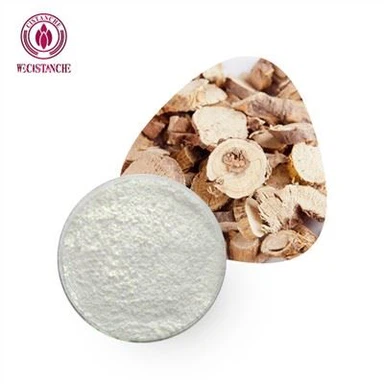
Cistanche is a traditional Chinese herbal medicine used for centuries to treat various health conditions, including kidney disease. It is derived from the dried stems of Cistanche deserticola, a plant native to the deserts of China and Mongolia. The main active components of cistanche are phenylethanoid glycosides, echinacoside, and acteoside, which have been found to have beneficial effects on kidney health.
Kidney disease, also known as renal disease, refers to a condition in which the kidneys are not functioning properly. This can result in a buildup of waste products and toxins in the body, leading to various symptoms and complications. Cistanche may help treat kidney disease ase through several mechanisms.
Firstly, cistanche has been found to have diuretic properties, meaning it can increase urine production and help eliminate waste products from the body. This can help relieve the burden on the kidneys and prevent the buildup of toxins. By promoting diuresis, cistanche may also help Reduce high blood pressure, a common complication of kidney disease.
Moreover, cistanche has been shown to have antioxidant effects. Oxidative stress, caused by an imbalance between the production of free radicals and the body's antioxidant defenses, plays a key role in the progression of kidney disease. ies help neutralize free radicals and reduce Oxidative stress, thereby protecting the kidneys from damage. The phenylethanoid glycosides found in cistanche have been particularly effective in scavenging free radicals and inhibiting lipid peroxidation.
Additionally, cistanche has been found to have anti-inflammatory effects. Inflammation is another key factor in the development and progression of kidney disease. Cistanche's anti-inflammatory properties help reduce the production of pro-inflammatory cytokines and inhibit the activation of inflammation mandatory pathways, thus alleviating inflammation in the kidneys.
Furthermore, cistanche has been shown to have immunomodulatory effects. In kidney disease, the immune system can be dysregulated, leading to excessive inflammation and tissue damage. Cistanche helps regulate the immune response by modulating the production and activity of immune cells, such as T cells and macrophages. This immune regulation helps reduce inflammation and prevent further damage to the kidneys.

Moreover, cistanche has been found to improve renal function by promoting the regeneration of renal tubes with cells. Renal tubular epithelial cells play a crucial role in the filtration and reabsorption of waste products and electrolytes. In kidney disease, these cells can be damaged, leading to damaged renal function. Cistanche's ability to promote the regeneration of these cells helps restore proper renal function and improve overall kidney health.
In addition to these direct effects on the kidneys, cistanche has been found to have beneficial effects on other organs and systems in the body. This holistic approach to health is particularly important in kidney disease, as the condition often affects multiple organs and systems. che has been shown to have protective effects on the liver, heart, and blood vessels, which are commonly affected by kidney disease. By promoting the health of these organs, cistanche helps improve overall kidney function and prevent further complications.
In conclusion, cistanche is a traditional Chinese herbal medicine used for centuries to treat kidney disease. Its active components have diuretic, antioxidant, anti-inflammatory, immunomodulatory, and regenerative effects, which help improve renal function and protect the kidneys from further damage. , cistanche has beneficial effects on other organs and systems, making it a holistic approach to treating kidney disease.