Effects Of Cistanche Granula Combined With Valsartan On Renal Function And Albuminuria in The Patients With Chronic Kidney Disease
Mar 04, 2022
ZHU Yingchun, WU Lianye, WANG Qing, DU Hongxiu, BAI Shoujun
( Qingpu Branch of Zhongshan Hospital, Fudan University, Shanghai 201700, China)
Abstract: Objective It is to investigate the effects of cistanche Granula combined with Valsartan on renal function and albuminuria in patients with chronic kidney disease. Methods A total of 102 patients with chronic kidney disease were randomly divided into 2 groups. The control group was treated with Valsartan, while the observation group was treated with Congrong Yishen Granula in combination with Valsartan. Both groups were treated for 8 weeks. The renal function and albuminuria were compared before and after treatment in both groups. Results There was no difference in renal function and albuminuria between the two groups before treatment ( P > 0. 05). After treatment, the levels of SCr, BUN, and β2 - MG in both groups were all significantly decreased ( P < 0. 05), but there was no difference between the two groups ( P > 0. 05). The lev-els of 24 h urine protein and Up / Ugcr were significantly decreased since 2 weeks after therapy ( P < 0. 05), and the observation group showed lower levels of 24 h urine protein and Up / Ugcr ( P < 0. 05). There was no significant difference in the occurrence rate of side effects between the two groups ( P > 0. 05). Conclusion Congrong Yishen Granula combined with Valsartan may improve renal function and reduce albuminuria in chronic kidney disease with good safety.
Keywords: chronic kidney disease; albuminuria; Congrong Granula; Valsartan

cistanche can treat kidney disease
Chronic disease (CKD) is a chronic disease that is often diseased and frequently occurring. It often ends up in long-term clinical practice and cannot progress. It is one of the common causes of the end-stage kidney. Significant changes in the tumor before the abnormality can be used as a sensitive indicator of early injury. Rates and other indicators [1-2]. Reasonable treatment in the early stage of the disease can help alleviate the deterioration of renal function. Valsartan, as a commonly used angiotensin-converting enzyme inhibitor (ACEI) in clinical practice, can help reduce urine protein and delay the deterioration of renal function, but it has certain limitations when used alone, and its efficacy needs to be improved. Traditional Chinese medicine believes that the pathogenesis of proteinuria in chronic kidney disease is based on deficiency and symptom, and the treatment should be to benefit the kidney and promote blood circulation [3]. From August 2012 to July 2015, the author observed the effects of cistanche granules combined with valsartan on the renal function and proteinuria of patients with chronic kidney disease. The results are now reported as follows.
1 clinical data
1.1 General data
We selected 102 patients with chronic kidney disease who were treated in our hospital during the above period. The diagnosis of chronic kidney disease was based on the standard established by the American Kidney Foundation in 2002 [4]. Or deficiency of both spleen and kidney qi and yang. The age of the patient was 18 to 85 years old, and the 24-hour urine protein quantification was ≥0. 3 g. Exclude patients with urinary tract infections, chronic diarrhea, heart failure, and other diseases that affect urine protein; those who have taken ACEI or angiotensin receptor inhibitor (ARB) drugs in the past 1 month; those who have used nephrotoxicity in the past 3 months Those who are taking drugs or who cannot stop taking drugs that may affect kidney function; those who have renal artery stenosis or polycystic kidney disease; those who have severe heart, liver, lung disease or malignant tumors; pregnant or lactating women
Among them, 12 cases were hypertensive nephropathy, 21 cases were diabetic nephropathy, 15 cases were hypertension complicated with diabetic nephropathy, 45 cases were primary chronic glomerulonephritis, and 9 cases were renal injury from other causes. After being informed of the research plan and signing the informed consent, the selected participants were randomly divided into a control group and an observation group using a random number table method, each with 51 cases. There was no statistically significant difference between the two groups in general conditions (P both> 0.05). The balance is comparable, see Table 1.

cistanche is good for choric kidney disease and diabetes
1.2 Treatment methods
Patients in both groups were given a low-salt high-quality protein diet. Patients with hypertension should strictly control their blood pressure. When blood pressure control is not satisfactory, calcium channel blockers or β-receptor blockers should be added instead of ACEI or ARB drugs; Patients with diabetes should be given a diabetic diet. It is recommended that patients exercise properly and use insulin to strictly control blood sugar. On this basis, the control group was given valsartan capsules (Daiwen, produced by Beijing Novartis Pharmaceutical Co., Ltd., National Medicine Zhunzi H20040217) 80 mg orally, once a day; the observation group was given cistanche to benefit the kidney based on the treatment of the control group Granules (manufactured by Inner Mongolia Lantai Pharmaceutical Co., Ltd., Z30290009) are taken orally, 1 bag each time, 2 times per day. Both groups were treated for 8 weeks.
Table 1 Comparison of general conditions of 2 groups

1.3 Detection indicators
① The 2 groups were drawn with fasting venous blood before and after treatment, and the levels of serum creatinine (SCr), urea nitrogen (BUN), and β2 microglobulin (β2-MG) were detected; ② Group 2 before and 2 weeks after treatment, 4 and 8 weeks, test 24 h urine protein
Quantification and urine protein/creatinine ratio, avoid strenuous exercise during the collection of urine samples.
1.4 Statistical methods
Data application SPSS17. 0 software package for processing. Measurement data are expressed as x ± s, two random sample t-test is used for comparison between groups, the paired sample t-test is used for comparison before and after treatment; the 2 test is used for count data comparison. All take P <0. 05 means the difference is statistically significant.

Cistanche can relieve kidney disease
2 results
2.1 Comparison of renal function indexes before and after treatment in the 2 groups
All patients successfully completed the study, and there was no one who dropped out or was lost to follow-up. Before treatment, there was no statistically significant difference in the levels of SCr, BUN, and β2-MG between the two groups (all P>0.05); after treatment, the levels of SCr, BUN, and β2-MG in the two groups were significantly lower than before (all P< 0.05), but there was no statistically significant difference between the two groups (both P>0.05). See Table 2.
Table 2 Comparison of renal function indexes after treatment in the two groups (x x ± s)

2.2 Comparison of 24-hour urine protein quantification and urine protein/creatinine ratio between the 2 groups before and after treatment
Before treatment, there was no statistically significant difference in the 24-hour urine protein quantification and urine protein/creatinine ratio between the two groups (all P>0.05) After treatment, the 24 h urine protein quantification and urine protein/creatinine ratio of the two groups showed a progressive downward trend (both P <0.05), and the observation group decreased more significantly than the control group (both P <0.05). See Table 3 and Table 4.
Table 3 Quantitative comparison of 24 h urine protein before and after treatment in the 2 groups (x x ± s, mg /24 h)

2.3 Comparison of adverse reactions in the 2 groups
2 cases of abdominal distension in the control group, 3 cases of a mild increase in blood potassium, and 1 case of increased transaminase; the observation group had 4 cases of a mild increase in blood potassium and 1 case of increased transaminase. There was 1 case of muscle soreness and 2 cases of insomnia. There was no significant difference in the adverse reaction rate between the two groups (P>0.05). The adverse reactions of the two groups were mild and alleviated after symptomatic treatment.
3 Discussion
Proteinuria is the most direct manifestation of kidney damage in chronic kidney disease. At the same time, the persistence of proteinuria can accelerate glomerular sclerosis and deterioration of renal function. The continuous filtration of plasma protein from the glomerulus can lead to changes in the morphology of epithelial cells, loss of foot process fusion, destruction of the basement membrane anion barrier, and a further increase in protein filtration, which in turn leads to structural changes such as glomerular degeneration, necrosis, and sclerosis Excessive protein leakage in the original urine will cause the renal tubules to be overloaded for reabsorption, swelling, rupture, and necrosis of renal tubular cells, which gradually progress to interstitial fibrosis, and the reabsorption capacity of renal tubules decreases [5]. A meta-analysis of proteinuria and patient prognosis shows that when renal function levels are similar, elevated urine protein is a risk factor for acute kidney injury and chronic kidney disease progression to end-stage renal disease, and may cause a significant increase in mortality [6-7]. Persistent proteinuria means persistent kidney damage. Therefore, reducing and controlling proteinuria is the key to delaying the progression of chronic kidney disease.
As an angiotensin receptor inhibitor, valsartan can specifically antagonize the angiotensin Ⅱ receptor. Its dilatation effect on the glomerular arterioles is stronger than that on the glomerular arterioles, and it can reduce the intraglomerular pressure and Glomerular filtration rate, thereby reducing excessive urinary protein filtration, inhibiting the excessive proliferation of glomerular epithelial cells and mesangial matrix, and alleviating glomerular sclerosis; reducing excessive urinary protein filtration at the same time alleviating the reabsorption load, which is beneficial to the kidneys Improvement of tubule function. In addition, valsartan can also reduce TNF-α, monocyte chemotactic factor (MCP-1), NADPH oxidase, and other inflammation and oxidative stress expression products, and effectively reduce urine protein [8].
Proteinuria is a modern medical concept, and there is no such thing as proteinuria in Chinese medicine. Protein is the basic substance that constitutes the human body and plays an important role in life-sustaining activities, so it is equivalent to the category of "essence" in the Chinese medicine system. Traditional Chinese medicine believes that "essence" is metabolized by the spleen and stomach and stored in the kidneys. "Essence" should be stored and not drained. The loss of kidney storage caused by various reasons can cause the leakage of fine substances and excretion in the urine, resulting in proteinuria [ 9-10]. The basic pathogenesis of proteinuria is deficiency and deficiency, and treatment should focus on strengthening the body and replenishing deficiency.
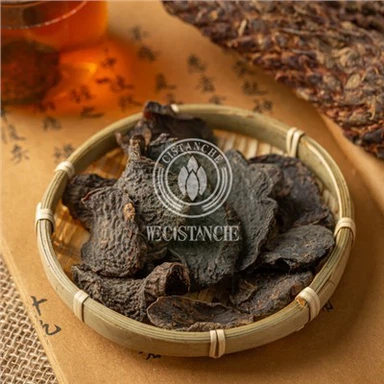
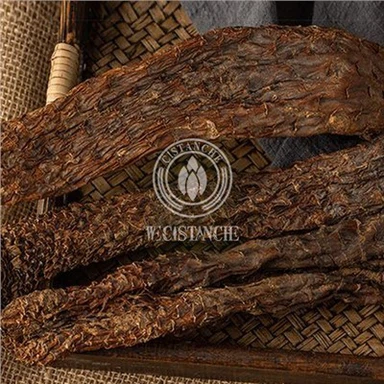
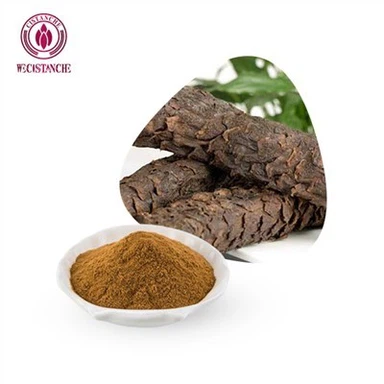
Cistanche Granules are mainly made from Chinese herbal medicines such as Schisandra, Cistanche, Cuscuta, Poria, Plantago, Morinda Officinalis, etc. Cistanche is the emperor medicine, it has the effects of warming yang and nourishing the kidney, filling essence and nourishing marrow; Cuscuta and Morinda Officinalis are ministerial medicines, which have the effects of nourishing liver and kidney, warming kidney qi; Schisandra, Psyllium, and Poria are adjuvants, and Schisandra is sour and astringent. Solid semen, Psyllium, Poria, invigorating the spleen, invigorating dampness, nourishing yin, and replenishing qi. The combination of all prescriptions has the effects of filling the essence and nourishing marrow, invigorating the kidney and spleen, strengthening the astringent, and relieving leftovers, and is beneficial to alleviate the leakage of "essence" and reduce proteinuria. Modern pharmacological studies have shown that Cistanche Granules are rich in organic acids, vitamins, trace elements, alkaloids, and other ingredients, and have the effect of regulating the body's immunity [11]. Zhang Jun et al. [12] research shows that the treatment of chronic glomerulonephritis of kidney deficiency type with cistanche granules helps to improve the main symptoms of patients and reduce the 24-hour urine protein content.
The results of this study showed that after treatment, the SCr, BUN, and β2-MG levels of the two groups were significantly lower than before, but the difference between the two groups was not statistically significant, indicating that valsartan can help improve the renal function of patients with chronic kidney disease. The addition of Cistanche Yishen Granules had no significant effect on renal function; from 2 weeks after treatment, the 24-hour urine protein and urine protein/creatinine ratio of the two groups decreased significantly, and the observation group decreased more significantly than the treatment group, Suggesting that the cistanche granules have the effect of reducing urine protein; in addition, the addition of cistanche granules did not increase the incidence of adverse reactions, indicating that the application of cistanche granules is safe for the treatment of chronic kidney disease.

cistanche can treat kidney disease improve renal function
In summary, the combination of cistanche granules and valsartan can help reduce urine protein in patients with chronic kidney disease and is safe. However, the observation time of this study was relatively short, and the long-term effects of Cistanche Granules on the kidneys need to be further studied.
[ references ]
[1] Koeda Y, Tanaka F, Segawa T, et al. Usefulness of risk grading system using albuminuria for predicting cardiovascular events and all-cause death in chronic kidney disease: a population-based prospective cohort study in Japan[J]. Int J Cardiol, 2014, 175 (3): 576-577
[2] Niu Fukun, Zhang Luxia, Shao Fengmin, et al. The significance of proteinuria in the staging of chronic kidney disease[J]. Chinese Journal of Nephrology, 2011, 27(6): 392-394
[3] Zhang Guanghai, Wei Zimin. Talking about TCM Syndrome Differentiation and Treatment of Proteinuria[J]. Clinical Research of Traditional Chinese Medicine, 2011, 3(23): 108-109
[4] National Kidney Foundation. K / DOQI clinical practice guidelines for chronic kidney disease: evaluation, classification, and stratified- tion[J]. Am J Kidney Dis, 2002, 39 (2 Suppl 1): S1-S266
[5] Gupta J, Mitra N, Kanetsky PA, et al. Association between albuminuria, kidney function, and inflammatory biomarker profile in CKD in CRIC[J]. Clin J Am Soc Nephrol, 2012, 7(12): 1938-1946
[6] Levey AS, de Jong PE, Coresh J, et al. The definition, classification, and prognosis of chronic kidney disease: a KDIGO Controversies Conference report[J]. Kidney Int, 2011, 80(1): 17-28
[7] Gansevoort RT, Matsushita K, van der Velde M, et al. Lower estimated GFR and higher albuminuria are associated with adverse kidney outcomes. A collaborative meta-analysis of general and high-risk population cohorts[J]. Kidney Int, 2011, 80(1): 93-104
[8] Zhou G, Cheung AK, Liu X, et al. Valsartan slows the progression of diabetic nephropathy in dB / DB mice via a reduction in podocyte in- jury, and renal oxidative stress and inflammation[J]. Clin Sci (Lond), 2014, 126(10): 707-720
[9] Yang Guilin, Zhou Jiajun. Progress in the treatment of proteinuria in chronic kidney disease with traditional Chinese medicine[J]. Journal of Liaoning University of Traditional Chinese Medicine, 2013, 15(5): 240-242
[10] Yu Renhuan, Nie Lifang, Xu Jianlong, etc. Evaluation of the clinical efficacy of Yiqi Zishen Granules in the intervention of proteinuria in IgA nephropathy[J]. Chinese Journal of Integrated Traditional Chinese and Western Medicine Nephropathy, 2010, 11 (8): 721-722
[11] Wu Jiali, Cheng Zhi, Yu Pin, etc. The clinical study of Cistanche Yishen granule combined with cyclosporin A in the treatment of male pure red blood cell aplasia [J]. China Traditional Chinese Medicine Science and Technology, 2009, 16(6): 432-434
[12] Zhang Jun, Wang Xiaogang, Cui Bole, et al. Cistanche Yishen Granules in the treatment of chronic glomerulonephritis with kidney deficiency and proteinuria [J]. Chinese Journal of Experimental Formulas, 2010, 16(14): 199 - 200