General Bone Pain Often Occurs After 5 Years Of Hemodialysis. You Should Be Alert To This Dialysis Complication.
May 06, 2024
In medicine, dialysis is a therapy that supports patients with kidney failure by artificially removing waste products and excess water from the blood to maintain the body's normal metabolism. However, patients on long-term dialysis may face a variety of complications, among which dialysis-related amyloidosis (DRA) is a particularly serious and often overlooked complication, mainly manifesting in joints and peri-articular tissues. Amyloid deposition leads to disabling lesions of bones and joints, with clinical manifestations such as carpal tunnel syndrome, cystic bone damage and pathological fractures, osteoarthrosis, and destructive joint disease.

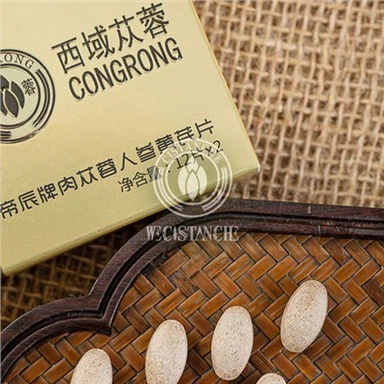
Click to Cistanche for kidney disease
01 Overview of Dialysis-Related Amyloidosis
Dialysis-related amyloidosis is a common complication in long-term dialysis patients, and its incidence increases with patient age and dialysis duration. The main characteristic of this lesion is the abnormal deposition of β2 microglobulin (β2-MG) in the body. β2-microglobulin (β2-MG) accumulates in the body due to increased production and reduced clearance, and then deposits in joints, bones, and internal organs, often causing carpal tunnel syndrome, joint cysts, soft tissue cysts, and pathological fractures. It causes cardiac hypertrophy, abnormal vasorelaxation, and decreased peripheral vascular resistance, causing heart failure and dialytic hypotension, seriously affecting the quality of life and prognosis of dialysis patients.
These accumulated β2-MG will be deposited in many parts such as the tissues around bones and joints, the digestive tract, and the heart, thereby causing lesions in joints and periarticular tissues, as well as organ damage. Patients may suffer from a series of serious complications such as carpal tunnel syndrome, amyloid osteoarthropathy, destructive spondyloarthropathy, and cystic bone damage. General bone pain is one of the common clinical manifestations.
Dialysis-related amyloidosis is an important warning for systemic bone pain in long-term dialysis patients. The incidence rate is significantly higher in patients with dialysis age > 5 years and the incidence rate is almost 100% in patients with dialysis age > 10 years.
Differential diagnosis
(1) Systemic amyloidosis: The patient's serum immunoglobulin levels are normal, immunoelectrophoresis is negative, and no monoclonal bands are found, which does not support the diagnosis of systemic amyloidosis.
(2) Rheumatoid arthritis: The patient has joint deformity of both hands, but both RF and anti-CCP antibodies are negative, which is not consistent with this diagnosis.
(3) Malignant tumors: The patient has multiple masses and significant pain. Malignant tumors need to be identified, including lymphoma, multiple myeloma, etc. However, no increase in tumor markers was found in this patient's test, and no monoclonal was found on immunofixation electrophoresis. , and the pathology after resection of similar masses on the buttocks and shoulders showed amyloidosis many times in the past, so this diagnosis was not considered.
02 General bone pain and dialysis-related amyloidosis
Generalized bone pain is one of the common symptoms in patients with dialysis-related amyloidosis, and the degree and duration of pain vary among individuals. This pain may originate from the deposition of β2-MG in the bones, leading to changes in bone structure and impairment of function. In addition, long-term dialysis treatment may also lead to electrolyte metabolism disorders, calcium and phosphorus metabolism disorders and other problems, further exacerbating bone pain.

Carpal tunnel syndrome is mostly an early clinical manifestation of DRA. It is mainly caused by the deposition of β2-MG amyloid in the tendon sheaths, synovium, flexor tendons or flexor ligaments in the carpal tunnel, resulting in a relatively narrow carpal tunnel cavity and increased carpal tunnel pressure. Caused by nerve compression. Clinical manifestations include numbness or tingling in the fingers on the radial side of the affected limb, which is obvious at night and can be relieved after activity; in severe cases, thenar muscle atrophy and dysfunction; wrist flexion test, nerve percussion test, or finger pressure test may be positive.
Cystic bone damage is the most common clinical bone damage in DRA, often occurring in the carpus, humeral head, femoral neck, acetabulum, tibial plateau, etc. The number and size of cysts increased with dialysis age. Cystic bone lesions are multiple, symmetrical subchondral osteolytic changes.
The vast majority of amyloid osteoarthropathy occurs near synovial joints and often involves adjacent joint capsules and ligaments. The shoulder joint is the most common affected site. Destructive spinal joint disease mainly affects the cervical spine and is a disabling complication of DRA. It is often characterized by multiple and rapidly developing narrowing of the intervertebral space, accompanied by erosion of adjacent vertebral lamina, resulting in bone destruction.
Physicians should be highly alert to the possibility of dialysis-related amyloidosis in patients who present with generalized bone pain. In addition to a detailed medical history and physical examination, relevant laboratory tests, such as measurement of serum β2-MG levels, and imaging tests, such as X-ray, CT or MRI, are also required to determine whether there are bone lesions.
03 Response strategies and preventive measures
For systemic bone pain caused by dialysis-related amyloidosis, treatment strategies mainly include controlling the deposition of β2-MG, correcting electrolyte metabolism disorders, and improving bone health.

Measures to prevent and improve DRA include: ① Adequate dialysis, with dialysis time of more than 10 to 12 hours per week; ② High-flux dialysis or dialysis combined with hemofiltration and hemoperfusion can effectively remove β2-MG than conventional hemodialysis; ③ Use Polymer synthesis membrane with high biocompatibility can reduce the production of β2-MG; ④ Strengthen the quality management of dialysis water and use ultrapure water to reduce the production of β2-MG; ⑤ Prevent and timely control various infections; ⑥ Treat the original Diseases such as tumors, pathological hepatitis, myeloma, and tuberculosis require active and effective treatment.
In clinical practice, we should pay more attention to DRA in the maintenance of hemodialysis patients. Dynamic monitoring of serum β2-MG and its clearance rate, observation of clinical symptoms, and timely B-ultrasound, CT, and MRI examinations are very necessary.
04 Patient self-management and psychological support
For long-term dialysis patients, improving self-management ability is of great significance to disease control and improvement of quality of life. Patients should actively cooperate with the doctor's treatment plan, undergo dialysis treatment on time, and adjust their diet and medication according to the doctor's instructions.
In addition, psychological support cannot be ignored. Faced with long-term dialysis treatment and possible complications, patients often suffer from tremendous psychological pressure. Therefore, patients should actively seek psychological support, maintain communication with family, friends, or professional psychological counselors, and jointly cope with the challenges in life.
How Does Cistanche Treat Kidney Disease?
Cistanche is a traditional Chinese herbal medicine used for centuries to treat various health conditions, including kidney disease. It is derived from the dried stems of Cistanche deserticola, a plant native to the deserts of China and Mongolia. The main active components of cistanche are phenylethanoid glycosides, echinacoside, and acteoside, which have been found to have beneficial effects on kidney health.
Kidney disease, also known as renal disease, refers to a condition in which the kidneys are not functioning properly. This can result in a buildup of waste products and toxins in the body, leading to various symptoms and complications. Cistanche may help treat kidney disease ase through several mechanisms.
Firstly, cistanche has been found to have diuretic properties, meaning it can increase urine production and help eliminate waste products from the body. This can help relieve the burden on the kidneys and prevent the buildup of toxins. By promoting diuresis, cistanche may also help Reduce high blood pressure, a common complication of kidney disease.
Moreover, cistanche has been shown to have antioxidant effects. Oxidative stress, caused by an imbalance between the production of free radicals and the body's antioxidant defenses, plays a key role in the progression of kidney disease. ies help neutralize free radicals and reduce Oxidative stress, thereby protecting the kidneys from damage. The phenylethanoid glycosides found in cistanche have been particularly effective in scavenging free radicals and inhibiting lipid peroxidation.
Additionally, cistanche has been found to have anti-inflammatory effects. Inflammation is another key factor in the development and progression of kidney disease. Cistanche's anti-inflammatory properties help reduce the production of pro-inflammatory cytokines and inhibit the activation of inflammation mandatory pathways, thus alleviating inflammation in the kidneys.
Furthermore, cistanche has been shown to have immunomodulatory effects. In kidney disease, the immune system can be dysregulated, leading to excessive inflammation and tissue damage. Cistanche helps regulate the immune response by modulating the production and activity of immune cells, such as T cells and macrophages. This immune regulation helps reduce inflammation and prevent further damage to the kidneys.

Moreover, cistanche has been found to improve renal function by promoting the regeneration of renal tubes with cells. Renal tubular epithelial cells play a crucial role in the filtration and reabsorption of waste products and electrolytes. In kidney disease, these cells can be damaged, leading to damaged renal function. Cistanche's ability to promote the regeneration of these cells helps restore proper renal function and improve overall kidney health.
In addition to these direct effects on the kidneys, cistanche has been found to have beneficial effects on other organs and systems in the body. This holistic approach to health is particularly important in kidney disease, as the condition often affects multiple organs and systems. che has been shown to have protective effects on the liver, heart, and blood vessels, which are commonly affected by kidney disease. By promoting the health of these organs, cistanche helps improve overall kidney function and prevent further complications.
In conclusion, cistanche is a traditional Chinese herbal medicine used for centuries to treat kidney disease. Its active components have diuretic, antioxidant, anti-inflammatory, immunomodulatory, and regenerative effects, which help improve renal function and protect the kidneys from further damage. , cistanche has beneficial effects on other organs and systems, making it a holistic approach to treating kidney disease.