Association Between Sleep-related Factors And Nocturia
May 06, 2024
Previous studies have reported a bidirectional link between nocturia and sleep disorders. A study published in the journal Continence under the name of the International Continence Society (ICS) explored the connection between sleep-related factors and nocturia and is compiled below for the benefit of readers.

Click to Cistanche for kidney disease
Research Background
Nocturia is defined as waking up to urinate ≥2 times during sleep. Nocturia occurs in more than 15% of men and women aged 20-40 years, and in older people, the prevalence is >50 years. increased to more than 50%. It is associated with comorbidities such as diabetes, cardiovascular disease, and sleep disorders. Of these comorbidities, sleep disorders, particularly obstructive sleep apnea, are most strongly associated with nocturia. There is a bidirectional link between nocturia and sleep disorders, and sleep-related factors, such as snoring or sleep duration, may be a cause or consequence of nocturia. This study aimed to explore the association between sleep-related factors and nocturia in the absence of sleep disorders.

Research design
The research team used data from respondents who completed the Kidney Disease and Sleep Disorders Questionnaire from the 2005-2018 National Health and Nutrition Examination Survey (NHANES) database. Respondents who reported a physician-diagnosed sleep disorder did not answer the sleep disorder question or had other conditions affecting nocturia were excluded. Statistical analysis of the incidence of nocturia by sleep-related factors (sleep duration, work hours, snoring frequency, snoring or apnea frequency, sleepiness, and drowsiness) was performed to explore the association of sleep-related factors with nocturia, including age, gender, race, and weight. Index (BMI).
Research result
The final research team included 23,895 respondents from the NHANES database (including 11,672 men and 12,223 women; the mean age was 45.2±20.1 years). Among sleep-related factors, sleeping <6 hours (38.4%) or >8 hours (38.0%), snoring ≥ 5 nights a week (33.4%), snoring or apnea ≥ 5 nights a week (38.7%), and feeling excessively sleepy every month Those with 16 to 30 times (44.7%) had the highest nocturia rate. There were no statistical differences in the prevalence of nocturia or the symptomatic significance of nocturia by working hours (morning shift, evening shift, morning and evening shifts). Univariate analysis showed that nocturnal urine output was related to age (OR=1.035, p<0.001), BMI (OR=1.038, p<0.001), sleep <6 h (OR=1.603, p<0.001) or >8 h (OR =1.673, p<0.001), snoring ≥5 nights a week (OR=1.192, p=0.004), snoring or apnea 3 to 4 nights a week (OR=1.425, p<0.001), and snoring or apnea every week ≥5 nights (OR=1.528, p<0.001), sleepiness and drowsiness 5-15 times/month (OR=1.579, p<0.001) to 16-30 times/month (OR=1.970, p<0.001). In multivariate analysis, only age (OR=1.035, p<0.001), BMI (OR=1.032, p<0.001), and sleepiness and sleepiness (OR=1.169, p<0.001) were associated with nocturia.

Analysis conclusion
Although most sleep-related factors showed an increasing prevalence of nocturia at the extremes, only somnolence and sleepiness were associated with nocturia in multivariate analysis. Future work is needed to further examine sleep problems associated with nocturia and elucidate causal relationships.
How Does Cistanche Treat Kidney Disease?
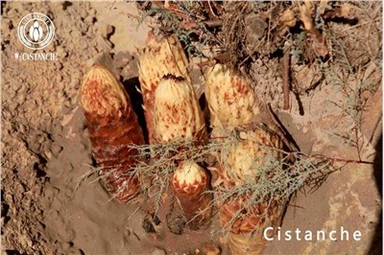
Cistanche is a traditional Chinese herbal medicine used for centuries to treat various health conditions, including kidney disease. It is derived from the dried stems of Cistanche deserticola, a plant native to the deserts of China and Mongolia. The main active components of cistanche are phenylethanoid glycosides, echinacoside, and acteoside, which have been found to have beneficial effects on kidney health.
Kidney disease, also known as renal disease, refers to a condition in which the kidneys are not functioning properly. This can result in a buildup of waste products and toxins in the body, leading to various symptoms and complications. Cistanche may help treat kidney disease ase through several mechanisms.
Firstly, cistanche has been found to have diuretic properties, meaning it can increase urine production and help eliminate waste products from the body. This can help relieve the burden on the kidneys and prevent the buildup of toxins. By promoting diuresis, cistanche may also help Reduce high blood pressure, a common complication of kidney disease.
Moreover, cistanche has been shown to have antioxidant effects. Oxidative stress, caused by an imbalance between the production of free radicals and the body's antioxidant defenses, plays a key role in the progression of kidney disease. ies help neutralize free radicals and reduce Oxidative stress, thereby protecting the kidneys from damage. The phenylethanoid glycosides found in cistanche have been particularly effective in scavenging free radicals and inhibiting lipid peroxidation.
Additionally, cistanche has been found to have anti-inflammatory effects. Inflammation is another key factor in the development and progression of kidney disease. Cistanche's anti-inflammatory properties help reduce the production of pro-inflammatory cytokines and inhibit the activation of inflammation mandatory pathways, thus alleviating inflammation in the kidneys.
Furthermore, cistanche has been shown to have immunomodulatory effects. In kidney disease, the immune system can be dysregulated, leading to excessive inflammation and tissue damage. Cistanche helps regulate the immune response by modulating the production and activity of immune cells, such as T cells and macrophages. This immune regulation helps reduce inflammation and prevent further damage to the kidneys.

Moreover, cistanche has been found to improve renal function by promoting the regeneration of renal tubes with cells. Renal tubular epithelial cells play a crucial role in the filtration and reabsorption of waste products and electrolytes. In kidney disease, these cells can be damaged, leading to damaged renal function. Cistanche's ability to promote the regeneration of these cells helps restore proper renal function and improve overall kidney health.
In addition to these direct effects on the kidneys, cistanche has been found to have beneficial effects on other organs and systems in the body. This holistic approach to health is particularly important in kidney disease, as the condition often affects multiple organs and systems. che has been shown to have protective effects on the liver, heart, and blood vessels, which are commonly affected by kidney disease. By promoting the health of these organs, cistanche helps improve overall kidney function and prevent further complications.
In conclusion, cistanche is a traditional Chinese herbal medicine used for centuries to treat kidney disease. Its active components have diuretic, antioxidant, anti-inflammatory, immunomodulatory, and regenerative effects, which help improve renal function and protect the kidneys from further damage. , cistanche has beneficial effects on other organs and systems, making it a holistic approach to treating kidney disease.