Pay Attention To The Clinical Diagnosis And Treatment Of Hyperuricemia in Kidney Disease!
May 06, 2024
Hyperuricemia can aggravate the progression of kidney disease and the occurrence of cardiovascular and cerebrovascular complications and is an independent risk factor leading to the occurrence and development of chronic kidney disease (CKD), cardiovascular and cerebrovascular diseases, and metabolic diseases. Kidney disease is an important cause of hyperuricemia, and hyperuricemia is also one of the common complications of CKD. The two influence each other and threaten the life and health of patients. Therefore, clinical attention needs to be paid urgently to the diagnosis and treatment of hyperuricemia in renal disease.

Click to Cistanche for kidney disease
1. The relationship between hyperuricemia and kidney disease
Studies have shown that hyperuricemia is not only an independent risk factor for the new onset of CKD but also an independent risk factor for its progression. Its specific manifestations are as follows.
(1) For every 60 μmol/L increase in blood uric acid, the risk of kidney disease increases by 7% to 11%, and the risk of renal function deterioration increases by 14%.
(2) Compared with people with normal serum uric acid, people with blood uric acid levels between 420 and 534 μmol/L have a 2-fold increased risk of new kidney disease, while people with blood uric acid levels ≥540 μmol/L have an increased risk of new kidney disease. to 3 times.
(3) The risk of developing end-stage renal disease increases by 4 times and 9 times respectively in men with blood uric acid levels ≥420 μmol/L and in women ≥360 μmol/L.
(4) Patients with CKD stages 3 to 5 accompanied by hyperuricemia have a higher risk of rapid progression of kidney disease and the need for renal replacement therapy.
(5) For every 60 μmol/L increase in blood uric acid level in patients with CKD stages 3 to 4, the risk of cardiovascular death increases by 16%, and the risk of all-cause death increases by 17%.
It can be seen from the above that hyperuricemia has a greater harmful impact on the occurrence and development of CKD. Once patients with hyperuricemia are found clinically, attention must be paid.
2. How to diagnose hyperuricemia in kidney disease?
The diagnosis of kidney disease hyperuricemia requires meeting the diagnostic criteria for CKD and hyperuricemia respectively, as detailed below.
1. CKD diagnostic criteria [1]: (1) Kidney damage (abnormal kidney structure or function) for ≥3 months, with or without a decrease in estimated glomerular filtration rate (eGFR), abnormal renal pathological examination or kidney damage (Abnormal blood, urine components or imaging examinations). (2) eGFR <60 ml/(min·1.73m2) ≥3 months, with or without evidence of kidney damage.
2.[2]: The definition of hyperuricemia is divided into biochemical definition and epidemiological definition. The "Practical Guidelines for the Diagnosis and Treatment of Hyperuricemia in Kidney Disease in China (2017 Edition)" recommends the use of epidemiological definitions, that is, under a normal purine diet, fasting blood uric acid in men and postmenopausal women on two separate occasions on different days is >420 μmol/L, Non-menopausal women >360 μmol/L.

3. Treatment Principles of Hyperuricemia in Kidney Disease
1. Optimize lifestyle management: avoid the intake of high-purine foods such as animal offal, and control the intake of meat, seafood, beans, and other foods; drink more water and avoid alcohol and fructose-rich beverages; eat a low-salt diet and exercise regularly.
2. Preventive screening: Comprehensive screening and active control of cardiovascular disease risks related to hyperuricemia, including hypertension, diabetes, hyperlipidemia, etc.
3. Standardized medication use: Avoid the use of drugs that can increase blood uric acid, including thiazides and loop diuretics, certain anti-tuberculosis drugs, low-dose salicylates, and certain hypoglycemic drugs (sulfonamides and biguanides). hypoglycemic drugs), etc.
4. Appropriate alkalinization of urine: Urinary pH 6.2 to 6.9 is conducive to the dissolution and excretion of urine crystals from the urine. Urinary pH > 7.0 is prone to the formation of calcium oxalate and other types of stones.
4. Drug Treatment of Hyperuricemia in Kidney Disease
1. Treatment of hyperuricemia in non-dialysis patients
(1) Drugs that inhibit uric acid production: ① Allopurinol. It is recommended to start treatment with a low dose, usually 100 mg/d, and gradually increase the dose to achieve the target of serum uric acid. Dosage should be adjusted based on eGFR. ②Febuxostat. The recommended starting dose is 20 to 40 mg/d. If the serum uric acid does not reach the target after 2 to 4 weeks, the dose is increased by 20 mg/d, with the maximum dose being 80 mg/d.
(2) Drugs that promote uric acid excretion: the representative drug is benzbromarone. The recommended dose for patients with normal renal function is 50 to 100 mg/d, and for those with eGFR 30 to 60 ml/(min·1.73m2), the recommended dose is 50 mg/d. Use with caution when eGFR is less than 30 ml/(min·1.73 m2). It is contraindicated for kidney stones and acute uric acid nephropathy.
(3) For New uric acid-lowering drugs: such as topimastat, the starting dose for adults is 20 mg/time, twice/d, and the maximum dose is 80 mg/time, twice/d. The drug is metabolized by the liver and has high renal safety.
(4) Other uric acid-lowering drugs: including losartan, sodium-glucose cotransporter 2 inhibitors, etc.

2. Treatment of hyperuricemia in hemodialysis patients
(1) Allopurinol: Dialysis patients who need to use uric acid-lowering drugs can choose to use allopurinol. For patients with intermittent hemodialysis, the starting dose of allopurinol is 100 mg every other day, after dialysis. Daily hemodialysis patients should receive an additional 50% dose of allopurinol after dialysis.
(2) Febuxostat: It is recommended that hemodialysis patients take an initial dose of febuxostat of 5 to 10 mg/d. The serum uric acid level will be reviewed after 2 weeks to determine whether the dose needs to be adjusted. Generally, the maximum dose is 40 mg/d.
(3) Pegolase: For dialysis patients and those with normal renal function, the starting dose of pegolase is 8 mg intravenously every two weeks, and the maximum dose is 8 mg intravenously every two weeks.
(4) Precautions: Benzbromarone, lesinurad, probenecid, and sulfasalazine are prohibited for hemodialysis patients.
3. Treatment of hyperuricemia in peritoneal dialysis patients
(1) Treatment timing: For peritoneal dialysis patients with hyperuricemia, the treatment timing is >420 μmol/L for men and >360 μmol/L for women, that is, when uric acid exceeds the normal range, uric acid-lowering treatment is started, and the blood uric acid level is Long-term control at <360 μmol/L.
(2) Improve the adequacy of peritoneal dialysis.
(3) Protect residual renal function.
(4) Drug treatments include febuxostat, allopurinol, and losartan.
How Does Cistanche Treat Kidney Disease?
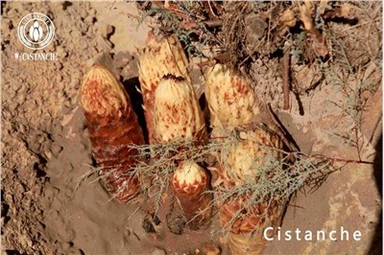
Cistanche is a traditional Chinese herbal medicine used for centuries to treat various health conditions, including kidney disease. It is derived from the dried stems of Cistanche deserticola, a plant native to the deserts of China and Mongolia. The main active components of cistanche are phenylethanoid glycosides, echinacoside, and acteoside, which have been found to have beneficial effects on kidney health.
Kidney disease, also known as renal disease, refers to a condition in which the kidneys are not functioning properly. This can result in a buildup of waste products and toxins in the body, leading to various symptoms and complications. Cistanche may help treat kidney disease ase through several mechanisms.
Firstly, cistanche has been found to have diuretic properties, meaning it can increase urine production and help eliminate waste products from the body. This can help relieve the burden on the kidneys and prevent the buildup of toxins. By promoting diuresis, cistanche may also help Reduce high blood pressure, a common complication of kidney disease.
Moreover, cistanche has been shown to have antioxidant effects. Oxidative stress, caused by an imbalance between the production of free radicals and the body's antioxidant defenses, plays a key role in the progression of kidney disease. ies help neutralize free radicals and reduce Oxidative stress, thereby protecting the kidneys from damage. The phenylethanoid glycosides found in cistanche have been particularly effective in scavenging free radicals and inhibiting lipid peroxidation.
Additionally, cistanche has been found to have anti-inflammatory effects. Inflammation is another key factor in the development and progression of kidney disease. Cistanche's anti-inflammatory properties help reduce the production of pro-inflammatory cytokines and inhibit the activation of inflammation mandatory pathways, thus alleviating inflammation in the kidneys.

Furthermore, cistanche has been shown to have immunomodulatory effects. In kidney disease, the immune system can be dysregulated, leading to excessive inflammation and tissue damage. Cistanche helps regulate the immune response by modulating the production and activity of immune cells, such as T cells and macrophages. This immune regulation helps reduce inflammation and prevent further damage to the kidneys.
Moreover, cistanche has been found to improve renal function by promoting the regeneration of renal tubes with cells. Renal tubular epithelial cells play a crucial role in the filtration and reabsorption of waste products and electrolytes. In kidney disease, these cells can be damaged, leading to damaged renal function. Cistanche's ability to promote the regeneration of these cells helps restore proper renal function and improve overall kidney health.
In addition to these direct effects on the kidneys, cistanche has been found to have beneficial effects on other organs and systems in the body. This holistic approach to health is particularly important in kidney disease, as the condition often affects multiple organs and systems. che has been shown to have protective effects on the liver, heart, and blood vessels, which are commonly affected by kidney disease. By promoting the health of these organs, cistanche helps improve overall kidney function and prevent further complications.
In conclusion, cistanche is a traditional Chinese herbal medicine used for centuries to treat kidney disease. Its active components have diuretic, antioxidant, anti-inflammatory, immunomodulatory, and regenerative effects, which help improve renal function and protect the kidneys from further damage. , cistanche has beneficial effects on other organs and systems, making it a holistic approach to treating kidney disease.