Graham-2023-Learning Induces Unique Transcript
Dec 07, 2023
Abstract:
Learning can induce neurophysiological plasticity in the auditory cortex at multiple
timescales. Lasting changes to auditory cortical function that persist over days, weeks, or even
a lifetime, require learning-induced gene expression. Indeed, de novo transcription is the
molecular determinant for whether transient experiences transform into long-term memories
with a lasting impact on behavior.
With the continuous development of science and technology, many magical life phenomena have appeared in the course of human life, among which the most valuable for research is memory. Memory is an important part of human advanced neural activity, and it is also the record and accumulation of various events that have occurred since human evolution. So, is there a relationship between gene expression and memory? The answer is yes.
First, the influence of genes on memory is obvious. It can regulate the expression of a variety of memory-related molecules and proteins through single nucleotide polymorphisms (SNPs) and other methods. This can affect the communication efficiency between neurons, thereby affecting a person's cognitive, conceptual, emotional, and other characteristics, indicating the quality of memory.
Secondly, memory can also have a certain impact on gene expression. In the process of our learning, memory, and thinking, it is not only the changes in the neural activity of the brain but also the regulation and intervention of many genes and molecules. The regulation of these genes and molecules will record traces corresponding to the feelings and experiences that exist in our long-term memory, and will eventually be stored in genes.
Finally, there is an interdependence between a positive attitude and long-term memory ability. A happy mood can help us focus more and concentrate during the process of learning and thinking, thereby helping to improve memory ability. Long-term deliberate memory can also promote the formation of new neural connections and structures in the brain, which is also very helpful for future learning and memory.
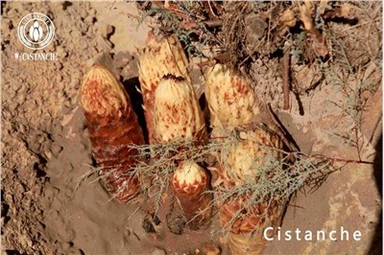
Therefore, we can conclude that there is a correlation between gene expression and memory. We can promote and improve our memory ability through deliberate memory, optimism, and positive thinking, which can also help us achieve better physical and mental health. Only in this way can we better serve society and human development. It can be seen that we need to improve memory, and Cistanche deserticola can significantly improve memory because Cistanche deserticola is a traditional Chinese medicinal material that has many unique effects, one of which is to improve memory. The efficacy of minced meat comes from the various active ingredients it contains, including acid, polysaccharides, flavonoids, etc. These ingredients can promote brain health in various ways.
Click know supplements to improve memory
However, auditory cortical genes that support auditory learning, memory, and acquired sound-specific behavior are largely unknown. This report is the first to identify genome-wide changes in learning-induced gene expression within the auditory cortex thought to underlie the formation of auditory memory. Bioinformatic analyses on gene enrichment profiles from RNA sequencing identified biological pathways that include cholinergic synapses and neuroactive receptor interactions.
The findings characterize key candidate effectors underlying changes in cortical function that support the formation of long-term auditory memory in the adult brain. The molecules and mechanisms identified are potential therapeutic targets to facilitate long-term and sound-specific changes to auditory function in adulthood and are now prime for future gene-targeted investigations.
Manuscript:
A well-accepted concept in the field of learning and memory is that memories are stored where they are processed (Nadel & Hardt, 2011). Biological events known as memory consolidation can stabilize transient neural representations evoked by a sensory experience (Lechner, Squire, & Byrne, 1999; McGaugh, 2000; Dudai, 2012). Fundamental and evolutionarily conserved mechanisms that initiate memory consolidation are transcription and translation, defined as the active expression of genes and their subsequent protein products, respectively (Alberini & Kandel, 2014; Costa-Mattioli et al., 2009).
We hypothesized that sound discrimination learning induces de novo gene expression within the auditory cortex. Highly specific representations of sound cues can outlast the transience of experience (seconds and minutes) by consolidating into long-term memory (hours to days) that later guides sound-cued behavior. While distinctive regional transcriptomic profiles are thought to be responsible for memory consolidation (Katzman, et al., 2021), learning-induced transcription events that support memory formation in the central auditory system are severely under-described.
In contrast, the auditory cortex has been exceptionally well-described in studies of auditory learning and memory at the level of neurophysiological changes particularly in receptive fields and tonotopic maps (Schreiner & Polley, 2014; Weinberger N. M., 2015; Pienkowski & Eggermont, 2011), cortico-cortical and cortico-fugal connectivity (Souffi et al., 2021; Lesicko & Geffen, 2022; Schreiner & Polley, 2014; Liu et al., 2011; Xiong, Znamenskiy, & Zador, 2015), including at multiple time scales (Froemke & Martins, 2011; Froemke & Schreiner, 2015; Fritz, Elhilali, David, & Shamma, 2007; Tchernichovski & Margoliash, 2013). Moreover, neurophysiological changes are linked to behavior, e.g., for cue-directed action (Letzkus, Wolff, & Lüthi, 2015), attention (Fritz et al., 2007; Elhilali et al., 2007) and memory for sound signals (Bieszczad & Weinberger 2010; Grosso et al., 2015; Aschauer & Rumpel, 2016; Concina, Renna, Grosso, & Sacchetti, 2019; Letzkus, Wolff, & Lüthi, 2015; Ghosh & Zador, 2021).

Decades of evidence for learning-induced neurophysiological plasticity in the auditory cortex has shown shared behavioral characteristics of auditory memory (Weinberger 2007a; 2007b), making it a top candidate region for auditory memory consolidation. By investigating the auditory cortex bioinformatically, we also leverage an unbiased opportunity to uncover brain-wide common or distinct biological gatekeepers of neuroplasticity underlying adaptive auditory function. From a broader perspective, regional transcriptomic profiling can lead to a more complete understanding of how the sensory system is modified by experience in the service of memory.
Learning-induced transcriptomic profiles identified within the auditory cortex can validate, extend, or lead to new biological models of processes that support or impair adaptive auditory processing. The consolidation of auditory memory is likely a product of experience-dependent changes in gene expression that affect cellular functions within the auditory cortex, which in turn promote lasting changes to sound-evoked neurophysiological responsivity that alter sound-cued behaviors.
To identify learning-induced transcripts, expression profiling analysis, using RNA sequencing (RNAseq) was performed on samples of anatomically defined auditory cortex (Bregma -3.10 mm, Interaural 6.90 mm; Paxinos & Watson, 2007) from water-restricted adult rats trained to bar press to pure tones for water rewards. Responses to a target pure tone frequency (5.0 kHz; 65 dB SPL) resulted in reward, while responses to the non-target (11.5 kHz; 65 dB SPL) were unrewarded and initiated a time-out period that extended the time to the next trial.
This two-tone discrimination task (2TD) is not difficult perceptually; the acoustic frequencies are over an octave apart and easily distinguished by rodents (Talwar & Gerstein, 1998). Rather, the behavioral challenge was associative: 2TD performance demands memory for which tone is associated with reward (vs. no reward). Trained rats (N=8) were sacrificed after three consecutive daily 45-minute 2TD training sessions and compared to a group of sound-naïve rats (N=4). This is a time point early in training when animals are still acquiring the 2TD task. Early task acquisition was targeted to capture initial learning-induced transcriptional events that set the stage for later increases in 2TD performance observed in behavior over weeks of training.
For example, the average performance was above chance, but only 66±7.81% after 3 days, compared to ≥90% after extended training (Shang, Bylipudi, & Bieszczad, 2019). To capitalize on an opportunity to identify the expression of genes relevant for successful sound-specific associative memory, we leveraged an HDAC inhibitor that targets epigenetic regulation of activity-dependent gene expression in learning and memory formation (McQuown, et al., 2011; Kwapis, et al., 2017; Malvaez, et al., 2012). Importantly, a decade of work has shown that HDAC-inhibition can facilitate learning-induced neurophysiological plasticity in sound-evoked auditory cortical responses (relative to vehicle) and enhances auditory discriminative behaviors (Bieszczad et al., 2015; Phan et al., 2017; Shang, Bylipudi, & Bieszczad, 2019; Rotondo & Bieszczad, 2020; Rotondo & Bieszczad 2021a; 2021b) including in humans (Gervain, et al., 2013).
Half of the trained animals were treated with the HDAC-inhibitor, RGFP966 (N=4; 10 mg/kg, ApexBio, cat#A8803; sub. cu. injection), while the other half were identically trained but administered vehicle solution (N=4; matched volume, sub. cu. injection; Fig. 1a). There were no differences in 2TD performance between groups at the time of brain collection (RGFP966: 61±5.0% vs. Vehicle: 71±7.0%; t(5.9166) = -1.21, p=0.272; Welch's t-test). Brains were promptly collected and flash-frozen at a timepoint consistent with the peak concentration of the inhibitor in the auditory cortex, one hour after the post-session injection of either the HDAC inhibitor or vehicle (Bieszczad et al., 2015).
The findings herein are the first to identify a transcriptomic profile of associative learning within the auditory cortex. Learning in the two-tone discrimination task-induced changes in the transcription levels of hundreds of genes (compared to sound-naïve) (Fig. 1b). A hierarchical clustering algorithm showed that genes are uniquely upregulated or downregulated, revealing a complex network of cortical gene expression events induced by auditory learning (Fig. 2a).
Enrichment analyses (iPathwayGuideTM; Impact Analysis method) identified the cholinergic synapse (differentially expressed genes (DEG) / all genes (ALL): 22/101; p = 0.004, Bonferroni correction) as the top biological pathway (Table 1). This result is consistent with research since the 1990s highlighting the sufficiency of cholinergic signaling in the auditory cortex for neurophysiological plasticity and related auditory behavior (Froemke & Martins, 2011; Weinberger, 2003; Bakin & Weinberger, 1996; Kilgard & Merzenich, 1998). Transcript levels induced by learning under HDAC-inhibition were either amplified in the same direction (by further increases or further decreases in unique gene transcript levels) (Fig. 2b) or blunted compared to learning alone (Fig. 2c). One top biological pathway under these conditions was the Neuroactive ligand-receptor interaction (DEG/ALL: 30/194; p = 0.016; Table 1) which involved effectors crucial to neural activation.
Another top pathway was the extracellular matrix receptor (ECM-receptor) interaction (DEG/ALL: 14/69; p = 0.04; Table 1). Components of the ECM are critical for cortical plasticity and memory consolidation (Happel, et al., 2014; Banerjee, et al., 2017; El-Tabbal, et al., 2021; Sonntag, et al., 2015). These pathways offer potential alternatives, perhaps complementary, to cholinergic signaling that can facilitate lasting experience-dependent changes in auditory function (Ji, Gao, & Suga, 2001; Luo & Yan, 2013; Metherate, 2011). Other genes whose expression changed with auditory learning but no further with HDAC-inhibition were likely related to procedural conditions of the task, rather than to sound-specific associative memory. For example, the apelin signaling pathway was identified (DEG/ALL: 20/116; p = 0.0005), which is important in the brain for the homeostatic regulation of water intake (Hu, et al., 2021). A direct comparison of transcript levels between the two groups of trained rats (learning with or without HDAC inhibition) showed very few uniquely differentially expressed genes (DEGs).
A threshold appreciably used to identify the most likely DEGs (p = 0.05) found only Adamts13, U6, Rexo4, and Cabin1 were differentially expressed (Fig. 2d). Thus, the major effect of HDAC-inhibition appears to modulate the expression of genes induced by auditory learning under normal conditions, rather than to newly recruit unique genes to subserve sound-specific memory. Together, these findings show large-scale transcriptomic changes occur in the auditory cortex early in training as adult animals learn to discriminate associative relationships between sound cues. Together with established neurophysiological and behavioral reports of HDAC inhibition to promote auditory function, these findings support the tactic of using an HDAC inhibitor to distinguish genes whose expression determines the success of auditory memory formation.
Several genes of interest (GOIs) were selected from the enrichment analyses in biological pathways to validate genome-wide sequencing with a gene-targeted approach. Samples were collected from separate cohorts that replicated the two groups of trained and treated animals at the same early-in-training timepoint (i.e., one hour after the third 2TD training session) for use in gene expression analysis using quantitative real-time polymerase chain reaction (qRT-PCR). There were no 2TD performance differences in replicate cohorts (RGFP9661: 61±5.0% vs. RGFP9662: 67±6.0%; t(8.441) = -0.834, p = 0.4274; and Vehicle1: 71±6.0% vs. Vehicle2: 74±3.0%; t(4.0809) = -0.444, p = 0.6796; Welch's t-test).

The first GOI was Egr1, a well-studied, activity-dependent "immediate-early gene" known to peak within the first hours of learning and critical for memory formation (Duclot & Kabbaj, 2017). It was a top learning-induced gene with confirmed increased expression that was likewise amplified with HDAC-inhibition in a separate cohort of animals in the gene-targeted study (Fig. 3). The same was true for Per2, a gene involved in the regulation of circadian rhythms and serotoninergic pathways in the brain (Bae, et al., 2001; Albrecht, et al., 2001; Cuesta, et al., 2009; Reh, et al., 2020). Per2 is part of the "clock gene" family that has been linked to HDAC modulation in other brain regions (Kwapis, et al., 2018) and may have a role in auditory function as well (Reh et al., 2020). In contrast, some GOIs identified genome-wide were only partially confirmed.
Chrna7 encodes a subunit of the dynamic nicotinic acetylcholine receptor (nAChR) that was found to be downregulated with auditory learning, consistent with neurophysiological evidence (Takesian, et al., 2018; Kuchibhotla, et al., 2017). Thus, we expected the gene-targeted study to confirm Chrna7 down-regulation in all 2TD-trained animals, but down-regulation was apparent only in vehicle-treated animals that learned 2TD without HDAC inhibition. Additional selected GOIs were from the Nr4a orphan nuclear receptor family, Nr4a1 and Nr4a2, which are immediate early genes reported to be necessary for propagating the downstream effects of the selective HDAC target of RGFP966 in other brain regions (McQuown et al., 2011; Kwapis, et al., 2019).
Consistent with prior reports of task-dependent regional differences in Nr4a family gene expression (McNulty, et al., 2012), Nr4a1 but not Nr4a2 was up-regulated in the auditory cortex after auditory learning. Other DEGs, Htr1a or Adamts13, were not confirmed by gene-targeted study likely due to differences in known transcript variants not detected by our custom-designed gene-targeted probes, or due to type I error, or to subtle behavioral differences between trained cohorts of animals that went undetected in 2TD performance measures. We also investigated Lynx1, a gene with a long history of function for re-opening "critical period"-like plasticity in the sensory cortex (Morishita et al., 2010), likely by its action on cholinergic and serotonergic modulation (Takesian, et al., 2018). However consistent with prior genome-wide reports that failed its detection (Kalish, et al., 2020), it was neither detected in our RNAseq dataset nor a gene-targeted study.
Though it remains a challenge to determine whether discrepancies can be explained by real biological or individual variability between animals, or due to technical variability with low abundance or cell-type specific expressing transcripts, we report exceptionally consistent results for some GOIs. As the learning-induced expression of Chrna7, Egr1, and Per2 is consistent between the gene-targeted and genome-wide approaches, and between different cohorts of trained animals, it stands to reason that these genes may be of the most fundamental players for lasting changes to auditory function and memory and are now prime for future investigation.
Considered together, the findings reveal a dynamic transcriptional landscape in the adult auditory cortex that could support emergent auditory function in neurophysiology and behavior. Given the growing evidence of epigenetic controls on sensory system function (c.f., Shang & Bieszczad, 2022), it is exciting to consider how epigenetic mechanisms play a role in balancing stability with the experience-dependent plasticity of auditory cortical circuits. For example, the current genome-wide dataset also identified a learning-induced reduction in the expression of a repressive histone deacetylase, Hdac9, that was absent with HDAC inhibition.
It is tempting to liken the effect of reduced HDAC9 expression to the effect of pharmacologically inhibiting HDACs to promote learning-induced transcription. Another important class of epigenetic regulators alters DNA rather than histones. Examples are Tet1 and Gadd45b which both impact DNA methylation (Bayraktar & Kreutz, 2018) and were found to be down- and up-regulated with learning, respectively, under HDAC inhibition. Further, a class of microRNAs appeared as the top biological pathway induced by learning with HDAC-inhibition (see Table 1), which have gained traction in the field as key epigenetic regulators of neural transcriptional control (Saab & Mansuy, 2014). Higher-order molecular interactions between epigenetic players and the protein products of expressed genes are also likely. For example, the identified up-regulated Egr1 can recruit Tet1 to remove repressive methylation marks to activate downstream genes (Sun, et al., 2019). Further molecular studies will be needed to parse out the significance of interactions between epigenetic regulators in the auditory system during learning. Moreover, this report presents an immediate opportunity to establish links between select auditory cortical genes and their downstream effectors.
Bridging the gap between these genes and molecules to their influences on sound-evoked neurophysiological events is essential to understanding how the adult auditory system adapts with experience to alter behavior. Indeed, the translation of de novo transcripts is required for long-term changes to behavioral function because they produce lasting changes to cellular function. For example, key target effectors of learning-induced transcriptional processes may alter the availability of channels or receptors (Metherate, Intskirveli, & Kawai, 2012; Brown & Kaczmarek, 2011; Henton, Zhao, & Tzounopoulos, 2023) within circuits that determine the sound-evoked threshold, responsivity, and receptive field architecture in the auditory system. It is reasonable to assume that different auditory tasks would recruit unique gene networks for biological pathways relevant to the particular cellular functions that would support learning for the task-relevant sound feature or task structure.
Overall, this report serves to act as a starting point to make RNAseq datasets from the learning, adult, and auditory cortex available (see Data Repository). An effort to narrow the knowledge gap exacerbated by the severe lack of studies that focus on molecular genetic processes in the adult auditory cortex is now welcome. We encourage study beyond the spatio-temporal limitations of bulk RNA-sequencing whose sensitivity is limited technically also by read depth (Li & Wang, 2021), especially since modern Omics technologies are quickly evolving and improving.
While research in the auditory cortex has made some initial strides in molecular genetics that
have identified essential molecular cascades (Schicknick, et al., 2008), permissive IEG profiles
(Mello, Velho, & Pinaud, 2006; de Hoz, et al., 2018; Peter, et al., 2011) and even chromatin
dynamics (Peter, et al., 2021), there is precedent in the auditory periphery where transcription
dynamics are beautifully studied (Kwan, 2016; Barta, et al., 2018; Li, et al., 2020; Ebeid, et al.,
2017). Existing molecular tools like single-cell RNA sequencing (RNA-Seq) and small molecule fluorescent in situ hybridization (smFISH) will be useful to provide insights into experience-dependent cell-to-cell variation and molecular interactions within auditory cortical
cells and circuits. Unlike bulk RNAseq, these methods honor the profound cellular diversity and
higher-order organization in the auditory cortex, such as its layer-specific microcircuitry and
lemniscal topography.
Clever approaches to tag and sequence transcripts from only recently
active auditory cortical cells (Cho, Huang, & Gray, 2016) may increase sensitivity enough to
robustly obtain the most functionally relevant sets of genes from the most functionally relevant
cell types and populations. Similar approaches could be used also subcortically to capture and
contrast activity-dependent regional transcriptomic profiles in the cortex that honor the
incredible integration of cortical with the subcortical function of the auditory system under different
listening conditions or behavioral demands. Fully characterizing cellular and regional distinctions
in genetic and molecular mechanisms underlying auditory learning in the adult brain is
paramount for developing site-selective and molecule-targeted precision therapeutics that
enable robust and persistent functional changes to support specific hearing and listening
abilities across the lifespan.
Methods
Subjects: A total of 24 adult male Sprague-Dawley rats (250 – 300 g on arrival; Charles River Laboratories, Wilmington, MA) were used in behavioral and molecular experiments. All animals were individually housed in a temperature-controlled (24 ˚C) colony room on a 12-hour light/dark cycle. Subjects had ad libitum access to food and water before behavioral training. All procedures were approved and conducted according to guidelines by the Institutional Animal Care and Use Committee (IACUC) at Rutgers, the State University of New Jersey (Protocol No.: 999900026 (K.M.B)).
Behavioral apparatus and sound stimuli: All behavioral sessions were conducted in two identical instrumental conditioning chambers (H10-112TC-NSF; Coulbourn Instruments, Holliston, MA) within a sound-attenuated box. Daily training sessions were counterbalanced to ensure equal exposure to both chambers. Each chamber (12" W x 10" D x 12" H; wire mesh floor was fitted with a response lever (H21-03R), house light (H11-01R), a speaker (H12-01R), and a water delivery system (H14-05R). During training phases, animals could depress the response lever ("barpress"), which triggered the presentation of a water cup (~0.02cc) in the reward port (1.25" W x 1.625" H). A hand switch (H21-01) was used during the early session to shape the animal's bar press response to trigger presentations of the water cup that allowed access to the water reward. Behavioral responses were recorded using Graphic State 4 software (Coulbourn Instruments, Holliston MA) for offline analysis.
All auditory stimuli were generated using Tucker-Davis Technologies (TDT, Alachua, FL) and RPvdsEx software, and presented via the operant chamber's wall-mounted speaker. White noise (during procedural training; Fig. 1a) was presented for 7 or 9 s in duration (75 dB SPL). Pure tones (during two-tone discrimination training; Fig. 1a) were always presented for 8 s (70 dB SPL). Sound levels were calibrated daily using a digital sound meter (Larson Davis SoundTrack LxT1).
Behavioral training and pharmacological inhibition of HDAC3: After one day of acclimating to the vivarium, rats were handled daily for a minimum of 3 days. Before the start of behavioral training, rats were placed on a schedule of restricted water until they reached 85% of the nonrestricted weight of age-matched control animals. Water-restricted rats were then shaped inside sound-attenuated chambers to barpress for water rewards (Fig. 1a). Barpress shaping and subsequent sound training were as previously described (Shang, Bylipudi, & Bieszczad, 2019). Briefly, all animals were shaped to barpress over 5 days and then trained in a procedural task to learn to bar-press to sound, which in this phase was a broad-band Gaussian noise stimulus (1-12.5 kHz band-pass filtered white noise; 75 dB SPL), to obtain a water reward. All animals successfully learned to associate this sound with reward before continuing to the next phase of training. Procedural training showed individual variability of how quickly the animals could learn the task to high levels of performance. Nonetheless, all animals were able to achieve a performance level of ≥90% for two consecutive days (mean = 92.85%, s.e.m. = 0.01%) after an average of 12.67 days (s.d. = 2.85 days). Performance was calculated using 100%.
The next phase of training was the two-tone discrimination (2TD) task (Fig. 1a), in which rats were trained to discriminate between two spectrally distinct sound frequencies. Barpresses to the S+ tone (5.0 kHz; 70 dB SPL) would result in the presentation of a water reward, while bar presses to the Stone (11.5 kHz; 70 dB SPL) resulted in an error signal (flashing house light) and a "time-out" (an additional 6 s wait for the start of the next trial). S+ and S- S-trials were randomized and lasted for 8 s. Inter-trial intervals (ITIs) were on average 15 s (range: 5-25 s, randomized). Barpresses during a silent ITI were inconsequential (no time-out, no error signal, nor water reward). Daily sessions were 45 minutes in length. All animals performed the 2TD task for a total of three consecutive days. Rats were paired by a trained observer so that animals with similar rates of acquiring the procedural task were assigned different treatment conditions in the 2TD phase. Performance-matched pairs received systemic injections of either the pharmacological class I HDAC3 inhibitor RGFP966 (Abcam Inc., ab144819; 10 mg/kg; s.c.; N = 12) or vehicle solution (N = 9) immediately after each 2TD session. The performance of the 2TD task was calculated as previously described: 100% (Shang, Bylipudi, & Bieszczad, 20).
). Tissue collection and isolation of RNA: One hour after animals received their third and final injection of RGFP966 after the third session of 2TD, brains were quickly dissected and flashfrozen in a beaker of 2-methylbutane placed upon dry ice. Flash-frozen brains were then stored at -80˚ C until future processing. To prepare brains for cryosectioning, brains were encased in optimal cutting temperature compound (OCT) and stored at -20˚ C for 12-24 hours to ensure brain tissue would reach -20˚ C for cutting. Brains encased in OCT would then be sliced horizontally in a cryostat (Leica CM 3050S) at a thickness of 250 µm. Using a 1 mm round tissue micro punch, 2 mm3 of auditory cortical tissue from each hemisphere (combined into one sample for a total of 4 mm3 per brain region) was sampled for RNA extraction. Auditory cortex location was identified using Paxinos and Watson's The Rat Brain in Stereotaxic Coordinates (6th edition) as a reference (approximately A/P = -3.6 to -5.8 mm, M/L = ±6.4 mm D/V = -4.2 to - 5.8 mm; and using hippocampus as a landmark
Total RNA from each sample was isolated using the PureLinkTM RNA Mini Kit (ThermoFisher) using the manufacturer's protocol. RNA samples were then purified with the RNA Clean and ConcentratorTM -25 Kit (Zymo Research).
Gene expression analysis, Gene Ontology (GO) biological process analysis, and gene set enrichment analysis (GSEA): RNA-seq analysis was conducted by the Iowa Institute of Human Genetics (IIHG; Iowa City, IA, USA). Briefly, using 500 ng total RNA (all RIN values >8), sequencing libraries were generated using the Illumina TruSeq® Stranded mRNA Library Prep kit according to the manufacturer's recommended protocols. Libraries were pooled and sequencing was performed on an Illumina NovaSeq 6000 running 100 bp paired-end SBS chemistry. Reads were processed with the 'bcbio-nextgen.py' open-source informatics pipeline developed primarily at Harvard Chan Bioinformatics (v.1.2.4) running on the Argon HPC resource at the University of Iowa. This pipeline includes 'best practices' approaches for read quality control, read alignment, and quantitation. The 'bcbio-nextgen.py' pipeline was run in "RNA-seq" mode with the 'rn6' key as the selected genome build (internally referencing Ensembl assembly and genebuild 'Rnor_6.0'). The pipeline aligned reads to the Rnor_6.0 genome using the splice-aware, ultra-rapid hisat2 aligner (2.2.1) and concurrently quantified reads to the transcriptome using the 'salmon' (1.4.0) aligner. Qualimap (2.2.2), a computational tool that examines hisat2 BAM alignment files, was used to examine the read data for quality control. Sequence quality scores passed basic checks and sequence duplication rates were within acceptable parameters. All samples passed QC for read alignment to exonic regions. Salmon-derived transcript quantifications (TPM or "transcripts per million") were imported and summarized to estimated counts at the gene level using tximport (1.12.3) in Rstudio, as described in the best-practices DESeq2 vignette (https://bioconductor.org/packages/release/bioc/vignettes/DESeq2/inst/doc/DESeq2.html).
Genes with fewer than 5 estimated counts across all samples were pre-filtered from downstream analysis, as per the recommended procedure. Differential gene expression analysis was conducted with DESeq2 (v.1.24.0) on estimated gene-level counts. An FDR of 5% and X < abs(logFC) < 10 was set as a cutoff for differential expression (DEGs). Heatmaps, line graphs, and volcano plots were generated using clusterProfiler packages in R/Bioconductor. Gene level, pathway, and DEG analyses were generated using iPathwayGuide (Advaita Bioinformatics, https://www.advaitabio.com/ipathwayguide; last accessed November 15, 2022). iPathwayGuide scores pathways using the Impact Analysis method (Draghici et al., 2007); Tarca et al., 2009, Khatri et al., 2007). The underlying pathway topologies, comprised of genes and their directional interactions, are obtained from the KEGG database (Kanehisa et al., 2000; Kanehisa et al., 2010; Kanehisa et al., 2012; Kanehisa et al., 2014).
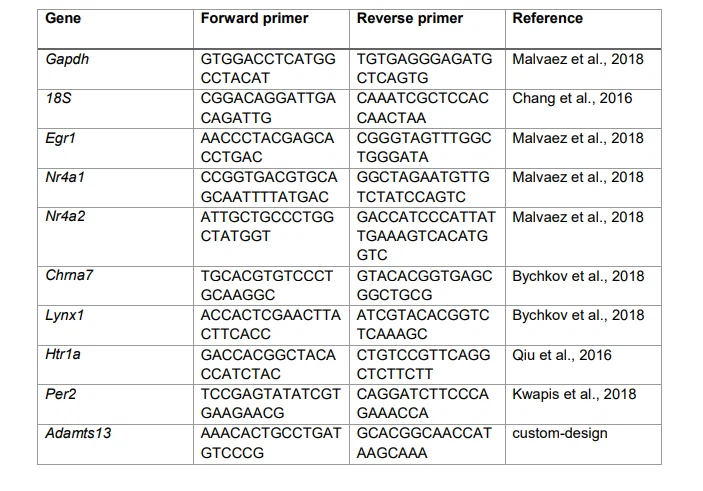
RNA-seq data validation with qRT-PCR: RNA-seq data were validated by qRT-PCR on mRNA extracted from distinct cohorts of rats. Five transcripts were chosen from a list of novel DEGs found enriched in each region at baseline. Three of the genes were hypothesis-driven based on auditory cortical physiological and behavioral literature, while another three genes were novel genes identified from gene level and DEG analyses in a comparison between Drug and Vehicle groups. All primer sequences were selected either from previous literature on brain tissue in rats (sequences provided in the table below) or designed using NCBI Primer Blast and validated for target specificity by assessing melt-curves and PCR amplicon product sequencing. qRT-PCR analyses were performed in a QuantStudio 3 (Applied Biosystems) with SsoAdvancedTM Universal SYBR Green Supermix (Bio-Rad). For each sample, 500 ng of cDNA was amplified using an iScriptTM cDNA Synthesis Kit (Bio-Rad).
Acknowledgments
The authors would like to thank Dr. Andrea Shang, Sean Tsaur, and Sooraz Bylipudi for their assistance in behavioral procedures and analysis; Dr. Mimi L. Phan for her assistance with RNA extraction and sample collection protocols; Dr. Troy A. Roepke, Ali Yasrebi, and Christopher O'Brien for their assistance with RNA sample purification analysis; and Alisa Ray for technical assistance. We would like to thank all current and former CLEF Lab personnel for their assistance and support.

This work was supported by the National Institutes of Health, National Institute of Deafness and Communication Disorders [R01-DC014753 to K.M.B.]; the School of Arts and Sciences at Rutgers University; the Aresty Foundation at Rutgers University with small grant funding for undergraduate research; and the Project SUPER program at Rutgers University with small grant funding for undergraduate research.
References:
Alberini, C. M., & Kandel, E. R. (2014). The Regulation of Transcription in Memory Consolidation. Cold Spring Harbor Perspectives in Biology, 7(1), a021741. doi:https://doi.org/10.1101/cshperspect.a021741
Albrecht, U., Zheng, B., Larkin, D., Sun, Z., & Lee, C. (2001). MPer1 and mper2 are essential for normal resetting of the circadian clock. J Biol Rhythms, 16, 100-104. doi:10.1177/074873001129001791.
Aschauer, D., & Rumpel, S. (2016). The Sensory Neocortex and Associative Memory. Behavioral Neuroscience of Learning and Memory, 37, 177-211. doi:https://doi.org/10.1007/7854_2016_453
Bae, K., Jin, X., Maywood, E. S., Hastings, M. H., Reppert, S. M., & Weaver, D. R. (2001). Differential functions of mPer1, mPer2, and mPer3 in the SCN circadian clock. Neuron, 30, 525-536. doi:10.1016/S0896-6273(01)00302-6.
Bakin, J. S., & Weinberger, N. M. (1996). Induction of a physiological memory in the cerebral cortex by stimulation of the nucleus basalis. Proceedings of the National Academy of Sciences of the United States of America, 93(20), 11219-11224. doi:https://doi.org/10.1073/pnas.93.20.11219
Banerjee, S. B., Gutzeit, V. A., Baman, J., Aoued, H. S., Doshi, N. K., Liu, R. C., & Ressler, K. J. (2017). Perineuronal nets in the adult sensory cortex are necessary for fear learning. Neuron, 95(1), 169- 179. doi:10.1016/j.neuron.2017.06.007
Barta, C. L., Liu, H., Chen, L., Giffen, K. P., Li, Y., Kramer, K. L., . . . He, D. Z. (2018). RNA-seq transcriptomic analysis of adult zebrafish inner ear hair cells. Scientific Data, 5, 180005. doi:https://doi.org/10.1038/sdata.2018.5
Bayraktar, G., & Kreutz, M. R. (2018). The Role of Activity-Dependent DNA Demethylation in the Adult Brain and Neurological Disorders. Frontiers in Molecular Neuroscience, 11, 169. doi:10.3389/fnmol.2018.00169
Bieszczad, K. M., Bechay, K., Rusche, J. R., Jacques, V., Kudugunti, S., Miao, W., . . . Wood, M. A. (2015). Histone Deacetylase Inhibition via RGFP966 Releases the Brakes on Sensory Cortical Plasticity and the Specificity of Memory Formation. J Neurosci, 35(38), 13124-13132. doi:https://doi.org/10.1523/JNEUROSCI.0914-15.2015
Brown, M. R., & Kaczmarek, L. K. (2011). Potassium channel modulation and auditory processing. Hearing Research, 279(1-2), 32-42. doi:https://doi.org/10.1016/j.heares.2011.03.004
Bychkov, M. L., Vasilyeva, N. A., Shulepko, M. A., Balaban, P. M., Kirpichnikov, M. P., & Lyukmanova, E. N. (2018). Lynx1 Prevents Long-Term Potentiation Blockade and Reduction of Neuromodulator Expression Caused by Aβ1-42 and JNK Activation. Acta Naturae, 10(3), 57-61.
Reference:1950477648n@gmail.com