Growth Hormone Therapy in Pediatric Kidney Transplantation
Apr 18, 2023
Introduction
Growth retardation is one of the important complications of chronic kidney disease (CKD) in children. Its pathogenesis is multifactorial and includes genetic factors (parental height syndrome pattern and specific primary renal disease), birth-related factors (e.g., prematurity/low gestational age), age of CKD onset, nutritional deficiencies and protein-energy depletion, hormonal disorders, inadequate metabolic control, anemia, and poor renal replacement therapy outcomes. Growth hormone (GH) therapy should be considered once potentially controllable clinical risk factors are resolved in children with CKD, but they still exhibit heights between the 3rd and 10th percentile and low height velocities (lasting 3 months in infants and 6 months in children). GH therapy is recommended in all stages of CKD beyond stage 2, including after dialysis and renal transplantation [1]. Improvement in growth rate has been the main prognostic indicator of GH therapy. However, the administration of this hormone is associated with several other clinical outcomes. The effects of GH therapy on renal function have been evaluated in different studies.
Keywords
Children; Chronic kidney disease; Kidney transplant; rhGH; Growth hormone; Cistanche benefits.
Click here to get the effects of Cistanche
Experimental studies have shown that the use of growth hormone in patients with CKD induces hyperfiltration and a subsequent decrease in GFR (results); however, this association has not been confirmed in clinical studies, both in children with CKD and GH therapy [2-6]. Pediatric renal recipients are a group that requires special attention when selecting the best approach to improve growth defects. A meta-analysis of randomized controlled trials (RCTs) aimed at improving post-transplant growth suggested that steroid minimization per se is an effective approach in prepubertal children; however, some patients still require GH therapy if reducing steroid exposure is not a satisfactory measure [7,8]. These early reported data raised concerns that the use of growth hormone after transplantation may lead to acute rejection [9,10]. The presence of specific GH and IGF-1 receptors on lymphocytes and macrophages was considered to be of clinical relevance.
However, a prospective study [12] denied the effect of growth hormone treatment on lymphocyte subsets associated with the risk of acute rejection. analysis of the potential effect of GH on the t-helper cell phenotype in pediatric kidney transplant recipients showed a transient and clinically irrelevant increase in interleukin-2, -4, and -13 production, which returned to baseline values after 16 weeks of follow-up [13]. Proliferation and cytotoxic responses in mixed leukocyte cultures were enhanced during the use of growth hormone to promote anti-allogeneic antigen responses but were not clinically relevant. The higher incidence of acute rejection in patients treated with GH after renal transplantation (compared to patients who did not receive renal transplantation) has not been confirmed by several studies, relevant meta-analyses of randomized controlled trials, and registry data [8,15,16].
In one of these trials, there was no association between growth hormone therapy and a high incidence of rejection in renal transplant biopsies; however, this study recommends caution when recruiting immunologically unstable patients with a previous history of acute rejection for post-transplant treatment with GH [17]. There are no data on the specific decrease in renal graft function after growth hormone therapy [18]. A meta-analysis of randomized controlled trials showed that the change in GFR was not lower in patients receiving GH after renal transplantation than in controls (p=0.35) [8]. In one study, renal transplant (CKD 2-3) patients treated with GH had an increase in continuous GFR values for up to 6 months, followed by a return to baseline values. This effect was observed during GH treatment [19] discontinuation and not after GH treatment.
Pre‑transplant GH therapy (stopped at the time of transplantation) improves growth after transplantation in pre‑prepubertal children
In a two-center prospective observational study published in this issue of Pediatric Nephrology [20], 146 patients who underwent kidney transplantation before the age of 8 years and were followed for (on average) 5.56 years were evaluated. The study population included patients who received growth hormone therapy prior to transplantation (n=52) and patients who did not receive growth hormone therapy (n=94). Growth hormone therapy was initiated at a median age of 1.93 years, for a median duration of 1.23 years, and then discontinued at the time of kidney transplantation. Post-transplant growth (height, sitting, leg length) and some other clinical parameters have been monitored regularly. Chronic nephrotic syndrome cases were not included in this study. However, in comparable anthropometric data from both subgroups at the time of transplantation, mean standardized growth continued to increase significantly for up to 4 years in patients treated with GH, whereas in children never treated with GH, mean standardized growth was reported only 1 year after transplantation. Thus, the frequency of short stature was lower in the GH-pretreated group. In the subgroup of patients who did not receive growth hormone before transplantation, 17 (18%) had poorer post-transplant growth rates with a mean interval of 5.71 years after transplantation, and they met the criteria for the introduction of growth hormone therapy. There were no such cases in the growth hormone pretreatment group.

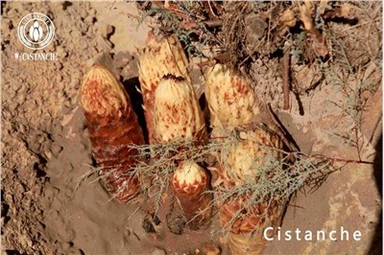
Herba Cistanche
Long‑term post‑transplant consequences of pre‑transplant GH therapy, beyond the improvement of growth
One of the more striking (and unexpected) observations was the long-term, significant, and sustained beneficial effect of pre-transplant GH therapy on late post-transplant renal function, as evidenced by higher GFR. this group was maintained for 8 years post-transplant and had significantly better GFR values at 10 years post-transplant compared to untreated patients (69 vs. 46 ml/min/1.73 m2; intraoperative,0.01). Other relevant benefits included better control of anemia and lower c-reactive protein (CRP) values (as a marker of chronicity information). The novelty of these data is related to the good and sustained effect of pre-transplant GH therapy (discontinued at transplantation) on long-term (up to 10 years) transplant renal function, anemia, and chronic information, without any late complications of previous GH therapy. Interestingly, growth hormone-pretreated children had a lower incidence of living relative transplantation, which (in the opposite case) could theoretically affect better long-term graft function. On the other hand, late exposure to steroids was also lower in the GH pretreated group, which may be the result of a more aggressive attitude of the treating clinicians to lower maintenance steroid doses in stable patients with good graft function. This also implies that higher steroid exposure in patients who did not receive growth hormone therapy prior to transplantation did not prevent the development of chronic information (as manifested by high CRP values). In GH-pretreated children receiving low doses of steroids, CRP values were normal.
Unanswered questions
What is the specific mechanism behind the long-term effects of pre-transplant growth hormone therapy on renal function and information status, which are maintained for several years after discontinuation of the drug? Is this an immune-related mechanism? Does pre-transplant GH therapy prevent (or slow down) the development of chronic allogeneic nephropathy (CAN) or chronic antibody-mediated rejection (CAMR)?
All previous studies on the relationship between growth hormone therapy and immune system activity in pediatric kidney transplant recipients have focused on the potential stimulation of growth hormone (during ongoing treatment) and the expected higher risk of acute rejection. Based on different data, experimental studies, or clinical observations in a non-transplant setting, some speculations on the additional effects of GH on the immune system can be considered. However, any suggestion of potential immunomodulatory (protective?) effects of GH effects suggested in relation to drug-related modulation of selective thymic function, protection against oxidative stress and information, or the reported ability to restore certain failed immune responses in patients with acquired immunodeficiency syndrome may only be considered in patients who continue treatment with GH (or at most shortly after GH discontinuation) [21-27]. Similarly, data from the current study suggest that the effects of GH on functional and active information in the transplanted kidney are maintained for several years after discontinuation of GH on the day of transplantation, rather than during the continuation or reintroduction of GH therapy after transplantation. There are experimental data from animal studies aimed at reversing fetal programming that suggest that (relatively) short-term (3 weeks) GH treatment, given to very young rats born to malnourished mothers, favorably affects their information status over a long period of time, well into adulthood. However, these data are far from being directly translatable to human transplantation medicine. They only provide information on the long-term effects of growth hormone on the immune system after treatment has been stopped in young animal subjects. Clearly, long-term prospective renal biopsies of two groups of carefully selected patients (of comparable age, HLA match, similar immunosuppression exposure, presence of donor-specific antibodies, etc.) pretreated or untreated with GH prior to transplantation at 3-4 years post-transplantation would be a useful diagnostic tool to clarify this issue. However, planning and implementing such a study would be difficult.

Cistanche supplements
What is the optimal (or minimum effective) duration of pre-transplant GH therapy to have such a promising "protective" effect on long-term transplant renal function? In the present study, a duration of 1.23 years (GH cessation at transplantation) was reported. What is the optimal (or minimum effective) duration of pre-transplant GH therapy to provide such a promising "protective" effect on long-term transplant renal function? In the present study, a duration of 1.23 years (GH cessation at transplantation) was reported.
Are these beneficial effects of GH (in addition to growth improvement) age-related? The younger age of the patients included in this study (mean age 1.93 years at the start of GH treatment and 4.26 years at the time of kidney transplantation) is one of the important factors for further improvements in growth rate. However, the potential link between youth and the further effects of GH on other clinical benefits (beyond growth) is not clear. The immune system of young children is different from that of adolescents, with lower allogeneic responsiveness. Thymic output is robust during childhood. Young children have an alloimmune response characterized by low expression of several subpopulations of T and B cells (including those specific to immune reactivity in organ transplantation); thus, young recipients have better outcomes after transplantation, suggesting a beneficial effect of a more naive immune system. It is unclear whether similar secondary effects of growth hormone (other than growth) reported in the current study will be realized in older patients receiving transplantation in the second decade of life; however, (at least) the partial naïvety of the immune system of the patients included in this study seems to be potentially important [29].
The evolution of the data related between GH treatment and renal transplantation in children is shown in Figure 1.

Fig. 1 Evolution of data on associations between growth hormone (GH) therapy and pediatric kidney transplantation
Conclusion
Recent data from a two-center prospective, long-term observational study suggest that pre-transplant GH therapy in prepubertal children, discontinued at the time of kidney transplantation, has beneficial long-term effects not only on further growth rates but also on transplant kidney function, chronic information, and anemia levels. However, although the mechanism by which this "protective" effect is maintained for several years after termination of growth hormone therapy is unknown, these data may encourage more widespread use of growth hormone therapy in children with pre-transplant chronic kidney disease who are awaiting kidney transplantation.

Cistanche extract
How to use Cistanche extract to improve kidney transplantation
Kidney transplantation is a common treatment for end-stage renal disease, which is a condition in which the kidneys do not function properly. However, post-transplant complications such as rejection and infection can still occur, hence the need to improve transplant success and outcomes. Cistanche, a traditional Chinese herb with potential benefits for kidney health, has recently received attention for its potential efficacy in improving kidney transplant outcomes.
Several studies have investigated the potential benefits of Cistanche for kidney transplantation. Cistanche has been shown to have immunomodulatory and anti-inflammatory effects, which may help reduce the risk of organ rejection and improve transplant outcomes. In addition, Cistanche has been found to have antioxidant properties, which may help protect the kidney from damage caused by oxidative stress.
Although studies on the effectiveness of Cistanche on kidney transplantation are promising, more studies are needed to evaluate its safety and efficacy in human transplantation. In conclusion, Cistanche may have potential benefits for improving kidney transplant outcomes and further studies are needed to explore its full potential in this area.
REFERENCES
1. Drube J, Wan M, Bonthuis M, Wühl E, Bacchetta J, Santos F, Grenda R, Edefonti A, Harambat J, Shroff R, Tönshof B, Hafner D, European Society for Paediatric Nephrology Chronic Kidney Disease Mineral and Bone Disorders, Dialysis, and Transplantation Working Groups (2019) Clinical practice recommendations for growth hormone treatment in children with chronic kidney disease. Nat Rev Nephrol 15:577–589.
2. Kawaguchi H, Hattori H, Ito K (1997) Somatic and renal effects of growth hormone in rats with chronic renal failure. Pediatr Nephrol 11:280284.
3. Allen D, Fogo A, el-Hayek R, Langhough R, Friedman A (1992) Effects of prolonged growth hormone administration in rats with chronic renal insufficiency. Pediatr Res 31:406–410.
4. Tönshof B, Tönshof C, Mehls O, Pinkowski J, Blum WF, Heinrich U, Stöver B, Gretz N (1992) Growth hormone treatment in children with preterminal chronic renal failure: no adverse effect on glomerular filtration rate. Eur J Pediatr 151:601–607.
5. Maxwell H, Nair DR, Dalton RN, Rigden SP, Rees L (1995) Differential effects of recombinant human growth hormone on glomerular filtration rate and renal plasma flow in chronic renal failure. Pediatr Nephrol 9:458–463.
6. Hafner D, Grund A, Leifheit-Nestler M (2021) Renal effects of growth hormone in health and in kidney disease. Pediatr Nephrol.
7. Zhang H, Zheng Y, Liu L, Fu Q, Li J, Huang Q, Liu H, Deng R, Wang C (2016) Steroid avoidance or withdrawal regimens in pediatric kidney transplantation: a meta-analysis of randomized controlled trials. PLoS ONE 11:e0146523.
8. Wu Y, Cheng W, Yang XD, Xiang B (2013) Growth hormone improves growth in pediatric renal transplant recipients–a systemic review and meta-analysis of randomized controlled trials. Pediatr Nephrol 28:129–133.
9. Tydén G, Berg U, Reinholt F (1990) Acute renal graft rejection after treatment with human growth hormone. Lancet 336:1455–1456.
10. Broyer M (1996) Results and side effects of treating children with growth hormone after kidney transplantation -a preliminary report. Pharmacia & Upjohn Study Group. Acta Paediatr Suppl 417:76–79.
11. Lebl J, Sediva A, Frisch H, Riedl S, Balzar E, Krasnicanova H (1999) Lymphocyte subsets in renal transplant recipients during growth hormone therapy. Endocr Regul 33:3–8
12. Maxwell H, Amlot P, Rees L (2000) Growth hormone and markers of immune function in children with renal transplants. Pediatr Nephrol 14:473–475.
13. Melk A, Daniel V, Mehls O, Opelz G, Tönshof B (2004) Longitudinal analysis of T-helper cell phenotypes in renal-transplant recipients undergoing growth hormone therapy. Transplantation 78:1792–1801.
14. Benfeld M, Vail A, Waldo F, Bucy R, Kohaut E (1997) The effect of rhGH in vitro on donor-specific hyporesponsiveness in pediatric transplantation. Pediatr Transplant 1:90–97
15. Maxwell H, Rees L (1998) Randomised controlled trial of recombinant human growth hormone in prepubertal and pubertal renal transplant recipients. British Association for Pediatric Nephrology. Arch Dis Child 79:481–487.
16. Fine RN, Stablein D (2005) Long-term use of recombinant human growth hormone in pediatric allograft recipients: a report of the NAPRTCS Transplant Registry. Pediatr Nephrol 20:404–408.
17. Fine RN, Stablein D, Cohen AH, Tejani A, Kohaut E (2002) Recombinant human growth hormone post-renal transplantation in children: a randomized controlled study of the NAPRTCS. Kidney Int 62:688–696.
18. Rees L (2016) Growth hormone therapy in children with CKD after more than two decades of practice. Pediatr Nephrol 31:1421–1435.
19. Maxwell H, Dalton RN, Nair D, Turner C, Saunders AJ, Rigden S, Rees L (1996) Effects of recombinant human growth hormone on renal function in children with renal transplants. J Pediatr 128:177– 183.
20. Jagodzinski C, Mueller S, Kluck R, Froede K, Pavicic L, Gellerman J, Mueller D, Querfeld U, Hafner D, Zivicnjak M (2021) Growth hormone treatment in the pre-transplant period is associated with superior outcome after pediatric kidney transplantation. Pediatr Nephrol.
21. Murphy WJ, Longo DL (2000) Growth hormone as an immunomodulating therapeutic agent. Immunol Today 21:211–213.
22. Welniak LA, Sun R, Murphy WJ (2002) The role of growth hormone in T-cell development and reconstitution. J Leuk Biol 71:381–387.
23. Savino W, Postel-Vinay MC, Smaniotto S, Dardenne M (2002) The thymus gland: a target organ for growth hormone. Scand J Immunol 55:442–452.
24. Savino W, Dardenne M (2010) Pleiotropic modulation of thymic functions by growth hormone: from physiology to therapy. Curr Opin Pharmacol 10:434–442.
25. Weigent DA (2011) High molecular weight isoforms of growth hormone in cells of the immune system. Cell Immunol 271:44–52.
26. Lindboe JB, Langkilde A, Olsen JE, Hansen BR, BR, Petersen J, Andersen O, (2016) Low-dose growth hormone therapy reduces inflammation in HIV-infected patients: a randomized placebo-controlled study. Infect Dis (Lond) 48:829–837.
27. Herasimtschuk A, Hansen B, Langkilde A, Moyle G, Andersen O, Imami N (2013) Low-dose growth hormone for 40 weeks induces HIV-1-specific T cell responses in patients on effective combination anti-retroviral therapy. Clin Exp Immunol 173:444–453.
28. Reynolds CM, Li M, Gray C, Vickers MH (2013) Pre-weaning growth hormone treatment ameliorates bone marrow macrophage inflammation in adult male rat offspring following maternal undernutrition. PLoS ONE 8:e68262.
29. Dharnidharka VR, Fiorina P, Harmon WE (2014) Kidney transplantation in children. N Engl J Med 371:549–558.
Ryszard Grenda