Hemodialysis Internal Fistula Puncture. It Is Important To Correctly Handle These Four Major Issues.
Feb 20, 2024
An arteriovenous fistula is the lifeline of hemodialysis patients. Whether the puncture is successful can affect the patient's pain experience and the smoothness of dialysis. Generally, successful one-time punctures can increase patients' trust in medical staff and reduce unnecessary painful experiences. However, various problems are prone to occur during punctures, such as swelling, poor drainage, or pain. Don't panic, just deal with it correctly.
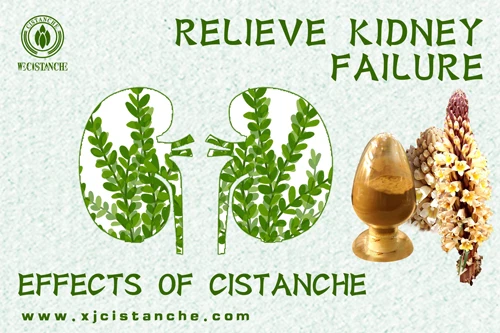
Click to Cistanche for kidney disease
What adverse situations are likely to occur during arteriovenous fistula puncture? These 3 common issues require attention.
1. Insufficient blood flow after internal fistula puncture
Insufficient blood volume after an internal fistula puncture can affect the patient's adequacy of dialysis. Whether it is poor drainage at the arterial end or poor return at the venous end, it must be dealt with promptly to ensure that hemodialysis can proceed normally.
Poor drainage from the punctured arterial end of a newly constructed internal fistula is related to poor fistula function or vasospasm. Therefore, it is necessary to conduct an evaluation before constructing a new internal fistula and use ultrasound to monitor blood flow and diameter as planned.

Poor puncture and drainage of mature internal fistulas are related to improper puncture needle position, fistula stenosis, and thrombosis; poor drainage can cause tiny bubbles to form at the arterial end or cause hypotension.
Poor venous and arterial return is generally related to internal fistula stenosis or improper puncture location. In this case, try to remove the needle and apply pressure to stop bleeding.
2. Swelling after internal fistula puncture
After puncture failure, the internal fistula may cause local subcutaneous bleeding and excessive subcutaneous hematoma, which may lead to infection. It may also compress the internal fistula and cause occlusion, which may lead to swelling of the internal fistula after a puncture.
During the opening period of a new internal fistula, hematoma caused by puncture failure requires immediate removal of the needle and active compression to stop bleeding. Use compression techniques correctly and reduce the number of puncture attempts to avoid damage to the newly created internal fistula blood vessels. In this case, you need to use ice packs to apply cold and wet compresses to the local area, or you can spray Chinese medicine preparations with the effect of promoting blood circulation and removing blood stasis; apply wet and hot compresses after 48 hours.
During the period of use of a mature internal fistula, if the puncture fails and the opposite side of the blood vessel wall is punctured, the intravascular pressure is relatively large, which may cause blood leakage. When hematoma appears at the venous end, the needle must be removed immediately, local compression must be applied to stop bleeding, and the puncture point must be re-selected. puncture. When the arterial end puncture fails and causes hematoma, it is necessary to ensure that the venous end is in good condition, and actively perform blood drainage and observation to see whether the hematoma pressure at the arterial puncture site has been reduced.
3. Pain or bleeding during dialysis
Some people are prone to puncture pain during dialysis. This is a problem of internal fistula access and needs to be actively dealt with.
For patients with forearm arteriovenous fistulas, when certain factors cause the radial artery blood supply to be unable to maintain the blood flow shunted by the fistula, blood will be obtained from other parts of the body, causing pain in the fingers and palms. When the blood vessels at the proximal end of the heart are narrowed, blood return is hindered. Patients will experience significant pain a few hours after getting on the machine and often experience soreness or a pin-pricking sensation in the entire arm.
Pain can also be caused when the needle tip touches the blood vessel wall during dialysis. The small diameter or narrowing of the blood vessel at the puncture site or changes in body position on the puncture side can cause the needle tip to touch the blood vessel, causing pain. In addition, the needle tip of the internal fistula needle sticks to the wall during puncture, which will also cause a stinging sensation. You can wrap gauze thread around the needle tip and use a hemostatic cotton ball to apply appropriate pressure to stop bleeding.

Patients need to correctly respond to the above issues during dialysis and not panic. Once you feel unwell, you should tell your doctor as soon as possible. Do a good job in psychological conditioning, and family members should provide certain encouragement and comfort. Among them, adjust the diet to avoid malnutrition, reasonably supplement calories and high-quality protein, and limit the intake of water, sodium, potassium, and phosphorus.
4. Internal fistula needle prolapse and needle withdrawal during dialysis
Needle withdrawal and needle removal accidents are one of the major medical accidents in hemodialysis treatment. There is even a risk of death of the patient, but the needle loss alarm is not a standard feature of the dialysis machine. It is only identified by changes in venous pressure, so the fixation and observation of puncture needles and bloodlines are important links to ensure the safety of dialysis treatment.
To prevent needle withdrawal and detachment and early detection, you should pay attention to the inflammation caused by the tape on the skin, not only fix it well but also find a way to see the puncture site at any time.
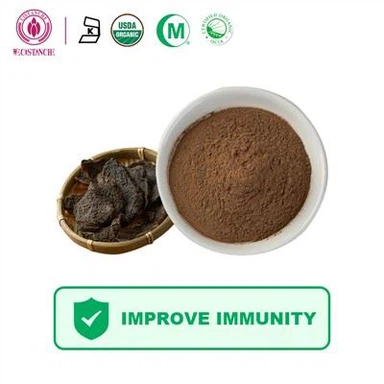
How Does Cistanche Treat Kidney Disease?
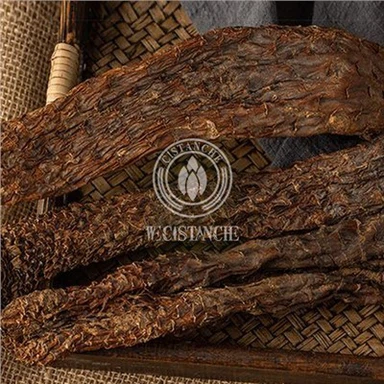
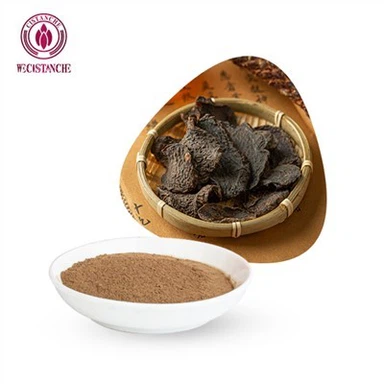
Cistanche is a traditional Chinese herbal medicine used for centuries to treat various health conditions, including kidney disease. It is derived from the dried stems of Cistanche deserticola, a plant native to the deserts of China and Mongolia. The main active components of cistanche are phenylethanoid glycosides, echinacoside, and acteoside, which have been found to have beneficial effects on kidney health.
Kidney disease, also known as renal disease, is a condition in which the kidneys are not functioning properly. This can result in a buildup of waste products and toxins in the body, leading to various symptoms and complications. Cistanche may help treat kidney disease ase through several mechanisms.
Firstly, cistanche has been found to have diuretic properties, meaning it can increase urine production and help eliminate waste products from the body. This can help relieve the burden on the kidneys and prevent the buildup of toxins. By promoting diuresis, cistanche may also help Reduce high blood pressure, a common complication of kidney disease.
Moreover, cistanche has been shown to have antioxidant effects. Oxidative stress, caused by an imbalance between the production of free radicals and the body's antioxidant defenses, plays a key role in the progression of kidney disease. ies help neutralize free radicals and reduce Oxidative stress, thereby protecting the kidneys from damage. The phenylethanoid glycosides found in cistanche have been particularly effective in scavenging free radicals and inhibiting lipid peroxidation.
Additionally, cistanche has been found to have anti-inflammatory effects. Inflammation is another key factor in the development and progression of kidney disease. Cistanche's anti-inflammatory properties help reduce the production of pro-inflammatory cytokines and inhibit the activation of inflammation mandatory pathways, thus alleviating inflammation in the kidneys.
Furthermore, cistanche has been shown to have immunomodulatory effects. In kidney disease, the immune system can be dysregulated, leading to excessive inflammation and tissue damage. Cistanche helps regulate the immune response by modulating the production and activity of immune cells, such as T cells and macrophages. This immune regulation helps reduce inflammation and prevent further damage to the kidneys.

Moreover, cistanche has been found to improve renal function by promoting the regeneration of renal tubes with cells. Renal tubular epithelial cells play a crucial role in the filtration and reabsorption of waste products and electrolytes. In kidney disease, these cells can be damaged, leading to damaged renal function. Cistanche's ability to promote the regeneration of these cells helps restore proper renal function and improve overall kidney health.
In addition to these direct effects on the kidneys, cistanche has been found to have beneficial effects on other organs and systems in the body. This holistic approach to health is particularly important in kidney disease, as the condition often affects multiple organs and systems. che has been shown to have protective effects on the liver, heart, and blood vessels, which are commonly affected by kidney disease. By promoting the health of these organs, cistanche helps improve overall kidney function and prevent further complications.
In conclusion, cistanche is a traditional Chinese herbal medicine used for centuries to treat kidney disease. Its active components have diuretic, antioxidant, anti-inflammatory, immunomodulatory, and regenerative effects, which help improve renal function and protect the kidneys from further damage. , cistanche has beneficial effects on other organs and systems, making it a holistic approach to treating kidney disease.