Uric Acid-lowering Drugs For Gout Treatment in Special Groups
Feb 20, 2024
Gout belongs to the category of metabolic rheumatism. It is a crystal-related arthropathy caused by the deposition of monosodium urate in the joints. It can also be accompanied by kidney disease, hypertension, hyperlipidemia, diabetes, coronary heart disease, etc. It can be preclinical. and gout stage/clinical stage. Gout is directly related to hyperuricemia. Controlling blood uric acid levels can control gout attacks. Long-term uric acid-lowering treatment is the key to the radical cure of gout.
1. Uric acid-lowering drugs
Currently commonly used uric acid-lowering drugs include drugs that inhibit uric acid synthesis (such as allopurinol, and febuxostat) and drugs that promote uric acid excretion (such as benzbromarone), which can reduce blood uric acid and relieve gout.
①Allopurinol
Allopurinol is a xanthine oxidase inhibitor that can reduce uric acid synthesis and lower blood uric acid levels. It is recommended as the first-line uric acid-lowering treatment for gout patients, including those with CKD ≥ stage 3, with a maximum dose of 600 mg/d.

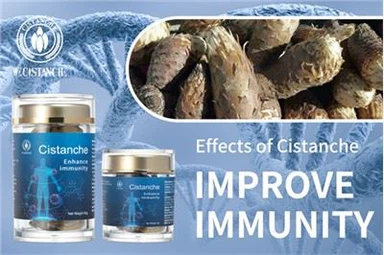
Click to Cistanche for kidney disease
Special groups:
It can cause skin allergic reactions. In severe cases, it can lead to hypersensitivity syndrome, such as severe erythema multiforme drug eruption, fatal exfoliative dermatitis, delayed vasculitis, toxic epidermal necrolysis, etc. The risk factors include old age, elderly people, etc. Dosage initiation with allopurinol, HLA-B*5801 gene positivity, renal insufficiency, use of thiazide diuretics. It is prohibited for those who are positive for the HLA-B*5801 gene.
Can cause kidney damage. People with renal insufficiency need to be cautious. The starting dose is ≤1.5mg/eGFR per day, and the dose is increased slowly. If the eGFR is 15-45ml/min, the dose is 50-100 mg/d. For those with eGFR<15 ml/min Disabled.
It can cause liver damage, bone marrow suppression, thrombocytopenia, reduced white blood cell count, anemia, obvious low blood cells, severe liver insufficiency, and is contraindicated in pregnant and lactating women.
Because it can reduce the absorption of iron supplements, it is prohibited for those who are currently taking iron supplements.
Because it can increase the risk of bone marrow suppression, it is forbidden to use azathioprine and mercaptopurine as much as possible.
②Febuxostat
Febuxostat is a new selective xanthine oxidase inhibitor that can reduce uric acid synthesis and lower blood uric acid levels. It is recommended as the first-line drug for lowering uric acid in patients with gout, especially those with chronic renal insufficiency and HLA-B*5801 gene positivity. By. The maximum dose is 80mg/d, and the dose for severe renal insufficiency (eGFR<30ml/min) is ≤40mg/d.
Special groups:
It is mainly metabolized by the liver and excreted by the kidneys and intestines. It has a better protective effect on the kidneys and has higher safety in patients with renal insufficiency and kidney transplants. It is also suitable for gout patients with stage 4-5 chronic kidney disease (CKD). It still has a certain effect, and the recommended starting dose for patients with CKD stage 4-5 is 20 mg/d.

Those who are taking azathioprine or mercaptopurine are prohibited from taking febuxostat together.
Because it may increase the risk of death in gout patients with cardiovascular disease and increase the occurrence of cardiovascular thrombotic events, it is not recommended for people with a history of intracranial venous thrombosis (CVT) or a recent episode of CVT.
It may cause liver function damage, so use it with caution in patients with severe hepatic insufficiency.
③Benzbromarone
It can inhibit renal tubular uric acid reabsorption, increase uric acid excretion, and reduce blood uric acid. It is recommended as the first-line uric acid-lowering treatment for gout patients, especially for those with reduced renal uric acid excretion. The maximum dose is 100 mg/d. Pay attention to drinking plenty of water and alkalinizing your urine to avoid excessive urate concentration causing the formation of uric acid crystals in the urine.
Special groups:
It can cause kidney stones, renal colic, renal function damage, etc. It is contraindicated in patients with eGFR<20ml/min, acute uric acid nephropathy, uric acid nephrolithiasis, and dialysis patients. Not recommended for those at high risk of kidney stones.
It can cause liver damage, and explosive hepatic necrosis, and patients with transaminases exceeding 2 times the normal value need to discontinue the drug. It is contraindicated in patients with severe liver damage. People with chronic liver disease should use it with caution. Benzbromarone is contraindicated in patients taking other hepatotoxic drugs.
It is not recommended for people with increased uric acid synthesis. It is contraindicated for pregnant, possibly pregnant and lactating women.
2. Drugs to prevent gout attacks
After gout patients start taking uric acid-lowering drugs, fluctuations in blood uric acid can cause acute attacks of gout. It is recommended to use anti-inflammatory drugs to prevent gout attacks in the early stages of uric acid-lowering treatment (3-6 months). It is not recommended to use uric acid-lowering drugs at the beginning of an acute attack of gout. They should be used as appropriate after 2 weeks of anti-inflammatory drug treatment. If an acute attack of gout occurs during stable treatment with urate-lowering drugs, there is no need to stop taking the urate-lowering drugs, and anti-inflammatory drugs can be used simultaneously.
Low-dose colchicine or nonsteroidal anti-inflammatory drugs (NSAIDs) are first-line drugs for preventing recurrent gout attacks in the early stages of uric acid-lowering drug treatment (up to 3-6 months). Those who are intolerant to, have contraindications for or have poor efficacy of colchicine or NSAIDs may consider low-dose glucocorticoids as drugs to prevent gout attacks.
①Colchicine
It can inhibit leukocyte chemotactic phagocytosis, anti-inflammatory and analgesic, and is recommended as a first-line drug to prevent acute attacks of gout. The preferred low dose is 0.5-1 mg/d, the maximum dose is 0.5 mg/d for eGFR 30-60 ml/min, and the maximum dose is 0.5 mg/2d for eGFR 15-30 ml/min.
Special groups:
It is contraindicated in those with eGFR<15ml/min, those undergoing dialysis, hypoplasia of bone marrow, and those currently using strong P-glycoprotein/CYP3A4 enzyme inhibitors (such as clarithromycin, verapamil, cyclosporine), and pregnant and lactating women.
②NSAIDs
Such as indomethacin, naproxen, meloxicam, diclofenac, celecoxib, and etoricoxib, which can provide anti-inflammatory and analgesic effects, inhibit the phagocytosis of urate crystals, antipyretic, and anti-rheumatic, and are recommended for the prevention of acute gout. First-line medication for seizures. It is recommended to use low-dose NSAIDs, no more than 50% of the regular dose.
Special groups:
Those with a history of recurrent peptic ulcer/bleeding, chronic renal failure [eGFR<30mL/(min·1.73m2)] without dialysis, active peptic ulcer/bleeding, myocardial infarction, recent gastrointestinal bleeding, coronary It is contraindicated in patients with a history of arterial bypass grafting, severe heart failure, perioperative period of coronary artery bypass grafting, and asthma.
③Glucocorticoids
It can provide anti-inflammatory, analgesic, immunosuppressive, and reduce leukocyte infiltration, etc. It is recommended to prevent acute attacks of gout, especially for patients with chronic renal insufficiency. It is recommended that low-dose glucocorticoids such as prednisone be ≤10 mg/d.
Special groups:
Recent gastrointestinal anastomosis, severe hypertension, severe osteoporosis, severe diabetes, myocardial infarction, trauma recovery period, gastric and duodenal ulcer/bleeding, fractures, previous or current severe mental illness, and thrombosis It is contraindicated for patients with severe disease, active pulmonary tuberculosis, and local or systemic bacterial, fungal, viral and other infections.
3. Urine alkalizing drugs
For those who use uric acid-lowering drugs, especially those who use drugs that promote uric acid excretion, or who have chronic renal insufficiency or uric acid kidney stones, it is recommended to maintain the urine pH value at 6.2-6.9 to increase the solubility of uric acid and use urine alkalizing drugs if necessary. , such as citrate preparations and sodium bicarbonate.

①Citrate preparations
Such as potassium citrate, sodium citrate, and sodium-potassium hydrogen citrate, which can alkalize urine, inhibit the formation of stones in the urine, dissolve uric acid stones, and prevent the formation of new stones. Sodium citrate can be used in cases of hyperkalemia.
Special groups:
Acute kidney injury or chronic renal failure [eGFR<30mL/(min·1.73m2)], chronic urinary tract ureolytic bacteria infection, severe acid-base balance imbalance, acute renal failure, sodium chloride is contraindicated, and patients with liver insufficiency are contraindicated.
②Sodium bicarbonate
It can alkalize urine and can be used for patients with chronic renal insufficiency and metabolic acidosis. Can be used in patients with hyperkalemia.
Special groups:
It is contraindicated in those with restricted sodium intake (such as hypernatremia) and those currently using methenamine.
How Does Cistanche Treat Kidney Disease?
Cistanche is a traditional Chinese herbal medicine used for centuries to treat various health conditions, including kidney disease. It is derived from the dried stems of Cistanche deserticola, a plant native to the deserts of China and Mongolia. The main active components of cistanche are phenylethanoid glycosides, echinacoside, and acteoside, which have been found to have beneficial effects on kidney health.
Kidney disease, also known as renal disease, refers to a condition in which the kidneys are not functioning properly. This can result in a buildup of waste products and toxins in the body, leading to various symptoms and complications. Cistanche may help treat kidney disease ase through several mechanisms.
Firstly, cistanche has been found to have diuretic properties, meaning it can increase urine production and help eliminate waste products from the body. This can help relieve the burden on the kidneys and prevent the buildup of toxins. By promoting diuresis, cistanche may also help Reduce high blood pressure, a common complication of kidney disease.
Moreover, cistanche has been shown to have antioxidant effects. Oxidative stress, caused by an imbalance between the production of free radicals and the body's antioxidant defenses, plays a key role in the progression of kidney disease. ies help neutralize free radicals and reduce Oxidative stress, thereby protecting the kidneys from damage. The phenylethanoid glycosides found in cistanche have been particularly effective in scavenging free radicals and inhibiting lipid peroxidation.
Additionally, cistanche has been found to have anti-inflammatory effects. Inflammation is another key factor in the development and progression of kidney disease. Cistanche's anti-inflammatory properties help reduce the production of pro-inflammatory cytokines and inhibit the activation of inflammation mandatory pathways, thus alleviating inflammation in the kidneys.
Furthermore, cistanche has been shown to have immunomodulatory effects. In kidney disease, the immune system can be dysregulated, leading to excessive inflammation and tissue damage. Cistanche helps regulate the immune response by modulating the production and activity of immune cells, such as T cells and macrophages. This immune regulation helps reduce inflammation and prevent further damage to the kidneys.

Moreover, cistanche has been found to improve renal function by promoting the regeneration of renal tubes with cells. Renal tubular epithelial cells play a crucial role in the filtration and reabsorption of waste products and electrolytes. In kidney disease, these cells can be damaged, leading to damaged renal function. Cistanche's ability to promote the regeneration of these cells helps restore proper renal function and improve overall kidney health.
In addition to these direct effects on the kidneys, cistanche has been found to have beneficial effects on other organs and systems in the body. This holistic approach to health is particularly important in kidney disease, as the condition often affects multiple organs and systems. che has been shown to have protective effects on the liver, heart, and blood vessels, which are commonly affected by kidney disease. By promoting the health of these organs, cistanche helps improve overall kidney function and prevent further complications.
In conclusion, cistanche is a traditional Chinese herbal medicine used for centuries to treat kidney disease. Its active components have diuretic, antioxidant, anti-inflammatory, immunomodulatory, and regenerative effects, which help improve renal function and protect the kidneys from further damage. , cistanche has beneficial effects on other organs and systems, making it a holistic approach to treating kidney disease.